
































































































































































15 Ayurvedic Habits for Healthy Blood Pressure: What Science Says
Author
RVLNSV PRASAD
Fact-Checked By
Wellness Research Team
Last Updated
August 2026
Author Note
RVLNSV PRASAD writes evidence-based wellness articles that make complex health topics easier to understand. This article combines practical lifestyle experience with information from trusted medical organizations, including the National Heart, Lung, and Blood Institute (NHLBI), the American Heart Association (AHA), Mayo Clinic, the National Institutes of Health (NIH), and the National Center for Complementary and Integrative Health (NCCIH). It is intended to help readers make informed lifestyle choices and is not a substitute for professional medical advice.
Introduction
Daily Ayurvedic habits for healthy blood pressure are becoming increasingly popular among people looking for natural ways to support heart health alongside medical care. High blood pressure often develops quietly, which is why many people do not realize they have it until a routine health check or a doctor’s visit.
Several years ago, I noticed a pattern among friends and family. Many reported feeling fatigued, stressed, or not sleeping well. Others thought the strange headache was just part of life. Busy life. I became interested in how the practices of daily life can influence long-term health through these interactions.
As I looked into guidance from recognized medical organizations and learned more about Ayurveda, one message kept coming up: enduring health rarely comes from a single medicine. Rather, regular daily habits such as eating healthy foods, exercising, managing stress, getting adequate sleep, and engaging in healthy routines can play an important role in supporting cardiovascular health (Mayo Clinic; American Heart Association).
Ayurveda has a similar philosophy. Instead of focusing solely on symptoms, it emphasizes balance via daily choices in food, movement, relaxation, and emotional well-being.
In this guide, we detail 15 practical Ayurvedic behaviors for healthy blood pressure, what contemporary science has to say about them, and simple ways to integrate them into your daily routine. These practices can help your overall heart health, but they should be used alongside, not instead of, guidance and treatment from your healthcare provider.
Quick Answer
Other Ayurvedic daily practices, such as eating a balanced diet, limiting excess sodium, staying physically active, doing yoga and breathing exercises, managing stress, sleeping well, and maintaining consistent routines may contribute to healthy blood pressure as part of an overall healthy lifestyle. These practices should be used in conjunction with, and not as a substitute for, medical care and prescribed treatment, where appropriate.
Summary Table
| Daily Habit | Potential Benefit |
|---|---|
| Drink enough water. | Supports hydration |
| Reduce excess sodium. | Supports healthy blood pressure |
| Eat more fruits and vegetables. | Promotes heart health |
| Practice deep breathing. | Helps manage stress |
| Walk regularly. | Supports cardiovascular fitness |
| Practice gentle yoga. | Encourages relaxation |
| Improve sleep habits. | Supports overall wellness |
| Manage daily stress. | Promotes emotional balance |
| Choose minimally processed foods. | Supports healthy eating |
| Follow a consistent routine. | Builds sustainable habits |
What Is Healthy Blood Pressure?
Blood pressure is the force of blood pushing against the walls of your arteries as your heart beats. It naturally varies during the day depending on your activity, emotions, and overall health.
If your blood pressure stays above the optimal level over time, it can place extra strain on your heart and blood vessels. Uncontrolled high blood pressure increases the risk of heart disease, stroke, kidney disease, and other serious health problems, according to the American Heart Association (AHA) and the National Heart, Lung, and Blood Institute (NHLBI).
Many people show no obvious symptoms, which is one of the reasons hypertension is often nicknamed the “silent condition.” Regular blood pressure checks are the only reliable way to know whether your numbers are within a healthy range.
Although medication is essential for many people, healthcare professionals consistently recommend healthy lifestyle habits as an important part of blood pressure management. (Mayo Clinic)
Why Daily Ayurvedic Habits for Healthy Blood Pressure Are Important
Ayurveda is one of the oldest systems of traditional wellness in the world. Instead of focusing on one symptom, it’s about balance through daily habits, nourishing foods, movement, sleep, and stress management.”
Modern medical science supports many healthy lifestyle choices. Although Ayurveda is not the same as contemporary medicine, the guidelines for cardiovascular health are sometimes quite comparable.
For example, they both advocate for:
- Eat a diet based on whole foods
- Being physically active
- Coping with stress well
- Getting enough sleep
- Maintaining a healthy weight
- Restricting overly processed meals
The effects of these behaviors may not be visible right away, but the small victories that are practiced regularly can lead to significant rewards over time.
One thing that I discovered for myself is that consistency is so much more important than perfection. My first attempt was to change everything all at once. It was too much and I fell back into my old behaviors fast. Then I choose one modest improvement to work on every week, like walking after dinner, drinking more water, and changing my sleep schedule. Those simple behaviors were so much simpler to stick with, and over time they became part of my daily routine.
1. Begin Your Day With Warm Water
Many traditional Ayurvedic routines recommend starting the day with a glass of warm water. Although there is limited scientific evidence that warm water directly lowers blood pressure, adequate hydration supports normal bodily functions and overall health, according to the Mayo Clinic.
Drinking water first thing in the morning can also encourage healthy daily habits. Many people find it easier to make better food and lifestyle choices after beginning the day with a consistent routine.
Beginner Tip
Keep a reusable water bottle beside your bed so drinking water becomes part of your morning routine.
Common Mistake
Replacing water with sugary drinks or consuming very little fluid throughout the day.
2. Cut Down Excess Sodium
High salt intake is a well-established dietary factor associated with elevated blood pressure. The American Heart Association (AHA) and the National Heart, Lung, and Blood Institute (NHLBI) recommend limiting sodium intake and choosing more fresh, minimally processed foods to help manage blood pressure.
Ways to cut down on salt include:
- Cook more meals at home.
- Read food labels
- Selecting fresh vegetables and fruits
- Reducing processed snacks
- Use herbs and spices instead of excess salt
Small changes you make consistently are easier to keep up with than drastic limitations to your diet.
3. Practice Slow Deep Breathing
Stress can temporarily raise blood pressure and affect overall well-being. Practicing slow, controlled breathing may help ease tension and promote relaxation, although it should not replace proven treatments for high blood pressure. The National Center for Complementary and Integrative Health (NCCIH) provides further information about relaxation techniques and their potential benefits.
A simple breathing exercise:
- Get comfortable.
- Breathe in slowly through your nose.
- Breathe out softly through your mouth.
- Do this exercise for five minutes.
Taking a few minutes to slow my breathing helped me to feel calmer before meetings and at the end of the day, especially in hectic weeks. It didn’t eliminate tension, but it did allow me to respond more intelligently rather than just react.
Beginner’s Tip
Practice breathing exercises at the same time every day to establish consistency.
Common Error
Expecting results after one or two sessions.
4. Eat More Potassium-Rich Foods
Potassium helps counterbalance sodium’s effects in the body and plays an important role in regulating blood pressure. For many people, eating a variety of potassium-rich foods, such as fruits, vegetables, and beans, can support a heart-healthy diet. However, people with kidney disease or certain other medical conditions may need to limit potassium intake. Follow your healthcare professional’s advice about the amount that is safe for you (Mayo Clinic; National Heart, Lung, and Blood Institute (NHLBI)).
Foods Naturally Rich in Potassium:
- Bananas
- Spinach.
- Sweet potato
- Beans
- Avocados
5. Walk Every Day
“Walking is one of the easiest forms of physical activity and one of the most effective. It doesn’t require special equipment, fits most fitness levels, and may be readily incorporated into a routine.
Walking regularly can improve your heart, help you maintain a healthy weight, and, when paired with other healthy behaviors, may help keep your blood pressure healthy. It can also lower tension and enhance mood. (American Heart Association; Mayo Clinic)
One habit that worked well for me was taking a 20-minute walk after dinner. At first, I did it only a few times each week. Over time it became a daily ritual that helped me relax after my workday and sleep better.
Tip for Beginners
Start with 10 minutes of walking and extend your duration as you get more comfortable.
Common Mistake
Thinking exercise must be vigorous. Even a little movement each day can make a huge difference to your health.
6. Improve Your Sleep Habits
Sleep is vital for heart health. Sleep deprivation can cause stress, tiredness, and problems with maintaining appropriate blood pressure over the long term. (Mayo Clinic; American Heart Association)
Some healthy sleep behaviors include:
- Go to bed at the same time every night
- Wake up at a consistent time
- Cutting down on screen time before bed
- Make your bedroom cool, dark, and quiet.
- Do not eat heavy meals close to bedtime.
I found that getting my sleep schedule back on track helped my energy levels during the day. Better sleep made it simpler to be active, eat healthier foods and cope with daily stress.
Beginner Tip
Aim for 7–9 hours of quality sleep each night.
Common Mistake
Using electronic devices until you fall asleep.
7. Practice Gentle Yoga
Yoga has long been practiced as part of traditional Ayurvedic lifestyles. Gentle yoga movements and controlled breathing may help reduce stress and promote overall well-being. Research also suggests that regular yoga practice may support cardiovascular health when combined with other healthy lifestyle habits, although its effects can vary among individuals (American Heart Association; National Center for Complementary and Integrative Health (NCCIH)).
Beginner-friendly poses include:
- Child’s Pose (Balasana)
- Cat-Cow Stretch
- Mountain Pose (Tadasana)
- Easy Seated Pose
- Gentle Forward Bend
Beginner Tip
Rather than striving for extensive sessions right away, practice for 10–15 minutes multiple times per week.
Common Mistake
Avoid trying challenging poses until you have mastered the right technique.
8. Eat More Minimally Processed Foods
Ayurvedic traditions emphasize eating fresh, wholesome foods, preferably prepared at home. Modern nutrition guidance similarly recommends limiting highly processed foods that may contain excessive sodium, added sugars, and unhealthy fats. Choosing more whole grains, vegetables, fruits, legumes, and other minimally processed foods can support overall health (Harvard Health Publishing; Mayo Clinic).
Instead choose foods such as:
- Fresh vegetables
- Fresh fruits
- Whole grains
- Beans and lentils
- Plain yogurt
- Nuts and Seeds
“Making meals at home can make it easier to control ingredients and reduce excess sodium.”
Beginner’s Tip
Exchange a manufactured snack with fresh fruit or unsalted almonds every day.
Common Mistake
Assuming that “healthy” meals are always low in salt
9. Drink Enough Water
Water supports circulation, body temperature regulation, and many other essential functions. Although drinking more water is not a treatment for hypertension, maintaining adequate hydration supports normal bodily functions and overall health, according to the Mayo Clinic.
Here are some simple strategies to stay hydrated:
- Carry a reusable water bottle
- Drink water with every meal
- Choose water instead of sugary beverages
- Drink extra water during hot weather or physical activity
Beginner Tip
Keep a water bottle nearby and visible all day.
Common Mistake
Only drinking water when you are thirsty.
10. Manage Daily Stress
Stress management is an important part of maintaining overall well-being, as persistent stress can affect both physical and emotional health. Developing healthy coping strategies, such as regular physical activity, relaxation techniques, and adequate sleep, may help support cardiovascular health and quality of life (American Heart Association; National Center for Complementary and Integrative Health (NCCIH)).
Some easy ways to deal with stress are:
- Deep breathing
- Meditation
- Walking outdoors
- Journaling
- Listening to relaxing music
- Being around supportive friends or family
One thing I learned is that stress rarely just goes away. Even ten minutes a day of being silent made me feel more focused and less overwhelmed.
Beginner’s Tip
Instead of forcing yourself to do something you hate, pick a stress-management activity you thoroughly enjoy.
Common Mistake
Pushing stress down until it starts to interfere with sleep, mood, or everyday tasks.
Foods to Eat vs. Foods to Limit
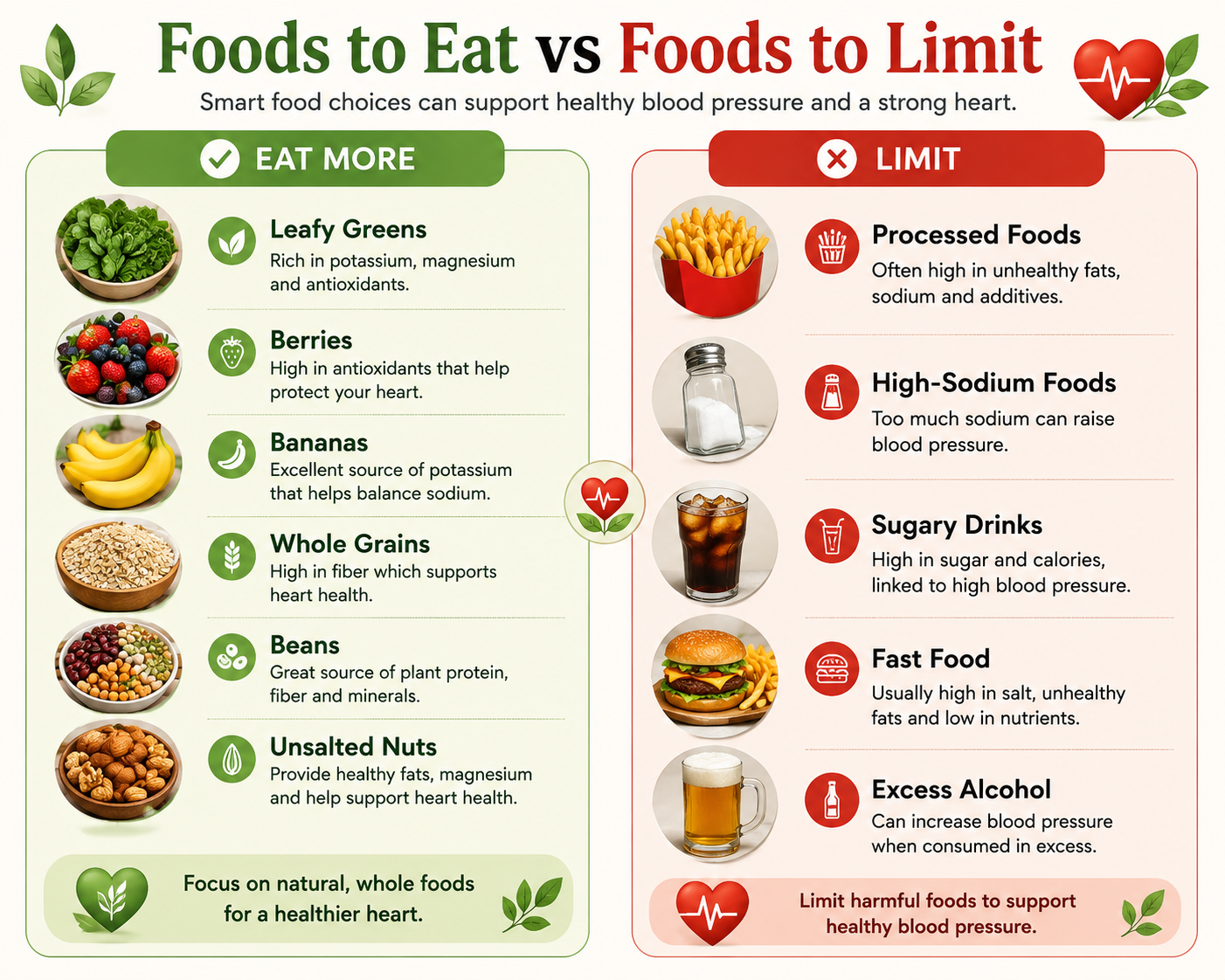
Choosing heart-friendly foods every day may help support healthy blood pressure and overall cardiovascular wellness.
| Foods to Eat More Often | Why They May Help | Foods to Limit | Why to Limit Them |
|---|---|---|---|
| Leafy green vegetables | Rich in potassium and nutrients | Processed meats | Often high in sodium |
| Berries | Provide antioxidants. | Salty packaged snacks | Excess sodium |
| Bananas | Good source of potassium | Instant noodles | High sodium |
| Whole grains | Support heart health | Sugary drinks | Added sugar |
| Beans and lentils | Fiber and plant protein | Fast food | High sodium and unhealthy fats |
| Nuts and seeds (unsalted) | Healthy fats | Fried foods | High in saturated and trans fats |
| Garlic | Traditionally used in cooking and studied for cardiovascular health | Highly processed foods | Often contain excess sodium, sugar, and unhealthy fats |
| Plain yogurt | Provides protein and calcium | Excess alcohol | May affect heart health when consumed in excess |
No single food can prevent or treat high blood pressure. Instead, a balanced eating pattern combined with regular physical activity and other healthy habits provides the greatest long-term benefit. (NHLBI; Mayo Clinic)
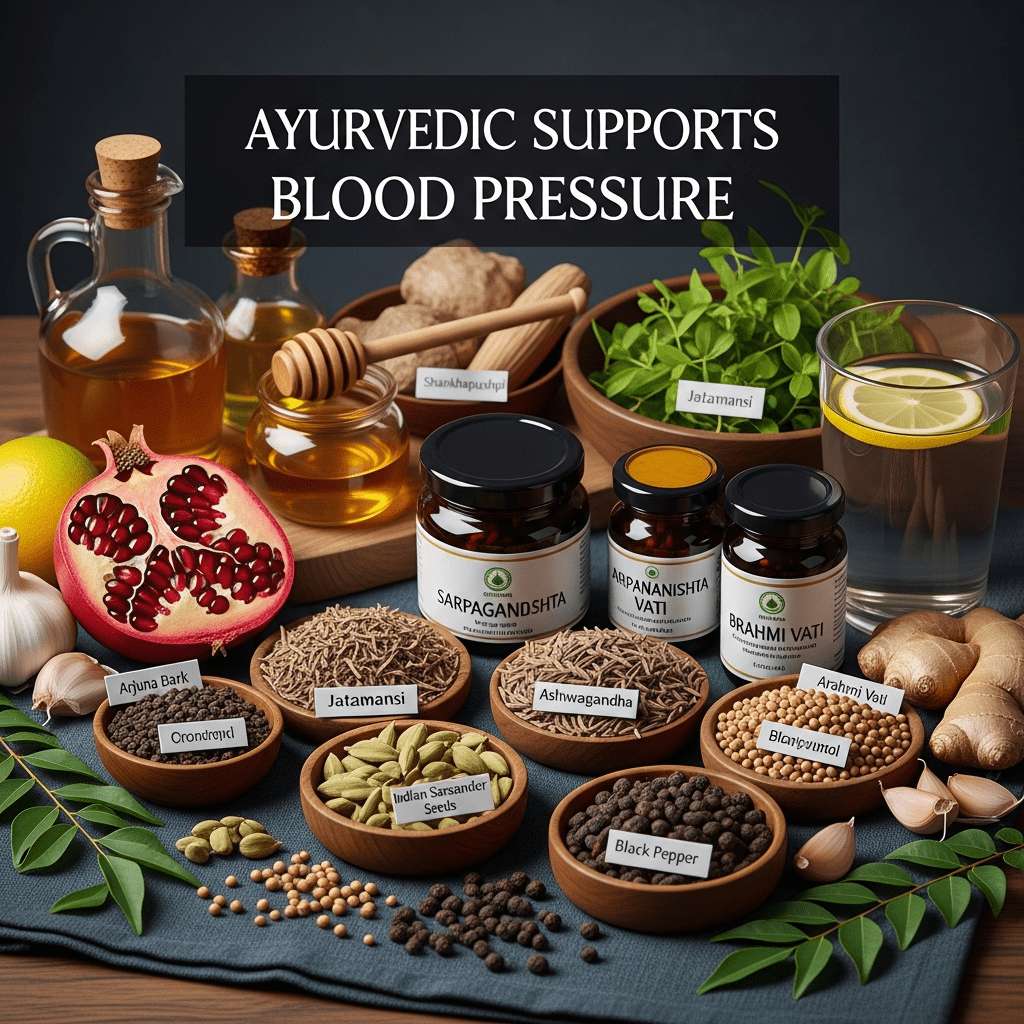
Ayurvedic Herbs That Have Been Studied
Many herbs used in Ayurveda have been researched for their potential contribution to cardiovascular health support. Research is ongoing, and evidence differs among herbs. These should never substitute prescribed medication or professional medical advice.
Garlic
Garlic is widely used in cooking and traditional Ayurvedic medicine. Some research suggests that garlic supplements may offer modest benefits for cardiovascular health, including possible improvements in blood pressure, although the evidence remains limited and further research is needed. Garlic should not replace prescribed treatment for high blood pressure (National Center for Complementary and Integrative Health (NCCIH), part of the National Institutes of Health).
Safety: Garlic supplements can interact with blood-thinning drugs
Arjuna (Terminalia arjuna)
Arjuna (Terminalia arjuna) has a long history of use in Ayurvedic medicine to support heart health. Although some early studies suggest potential cardiovascular benefits, the available evidence remains limited, and larger, well-designed clinical trials are needed to establish its safety and effectiveness. Arjuna should not replace prescribed heart medication or medical care (National Center for Complementary and Integrative Health (NCCIH)).
Safety: Arjuna supplements should not be used without consulting your healthcare professional, particularly if you are on heart drugs.
Ashwagandha
Ashwagandha is commonly used in traditional Ayurvedic medicine to help manage stress. Although managing stress can support overall well-being, there is limited evidence that ashwagandha directly lowers blood pressure. Research on its benefits and long-term safety is still ongoing, and it may interact with certain medications. Consult a healthcare professional before using ashwagandha supplements, particularly if you have a medical condition or take prescribed medicines (National Center for Complementary and Integrative Health (NCCIH)).
Safety: Not for everyone, such as individuals with certain thyroid conditions or using certain drugs.
Brahmi
Brahmi has a long history of use in Ayurvedic medicine, particularly for memory and cognitive well-being. However, evidence supporting its direct effects on blood pressure remains limited, and further research is needed to determine whether it offers any cardiovascular benefits (National Center for Complementary and Integrative Health (NCCIH)).
Safety: Ask your health care professional before taking herbal supplements.
Research and Expert Insights
Current medical evidence highlights the importance of lifestyle choices in maintaining cardiovascular health. The American Heart Association, National Heart, Lung, and Blood Institute, and Mayo Clinic recommend combining healthy eating, regular physical activity, weight management, quality sleep, and stress management as part of an overall approach to maintaining healthy blood pressure.
Research into Ayurvedic herbs and traditional practices is ongoing, with some early findings suggesting potential benefits. However, many studies are small or have limitations, so stronger evidence is needed to establish their effectiveness and safety. The National Center for Complementary and Integrative Health (NCCIH) advises that Ayurvedic approaches should be considered carefully, with appropriate medical guidance, rather than used as substitutes for evidence-based treatment.
The strongest evidence available today supports lifestyle practices like:
- Eat a heart-healthy, balanced diet.
- Reducing sodium intake
- Engaging in physical activity
- Stress reduction
- Getting enough sleep
- Maintaining a healthy body weight
- Following treatment as directed by your healthcare provider
When used together with the right medical therapy, these evidence-based strategies are the best long-term approach for promoting heart health and healthy blood pressure.
11. Eat More Heart-Healthy Foods
Ayurvedic traditions emphasize eating fresh, wholesome foods as part of a balanced lifestyle rather than relying heavily on highly processed meals. Modern nutrition research similarly shows that heart-healthy eating patterns, rich in fruits, vegetables, whole grains, and other nutrient-dense foods, can help manage blood pressure and support cardiovascular health (National Heart, Lung, and Blood Institute (NHLBI); American Heart Association).
Foods you should eat often:
- Leafy greens
- Whole grains
- Lentils & Beans
- Fresh fruit
- Nuts and seeds (unsalted)
- Healthy fats, like those found in olive oil
- Lower-fat dairy products
- Fish high in omega-3 fatty acids
Rather than honing in on one “superfood,” seek to create balanced meals that feature a mix of nutrient-rich items.
Beginner Tip
Add an extra serving of veggies to lunch and dinner each day.
Common Mistake
Expecting that one food is going to address a long-term health condition, rather than correcting your total diet pattern.
12. Stop Smoking and Limit Alcohol
Smoking damages blood vessels and increases the risk of cardiovascular disease, including heart attacks and strokes. Excessive alcohol consumption can also raise blood pressure, increasing cardiovascular risk over time. The Mayo Clinic and the American Heart Association recommend avoiding tobacco and limiting alcohol as part of a heart-healthy lifestyle.
If you smoke, quitting is one of the best things you can do for your heart health.” If you do drink alcohol, follow your healthcare provider’s directions and advised limits.
Beginner Tip
Pick one good habit to work on at a time. Often small improvements are easier to maintain than trying to change everything at once.
Common Mistake
Believing that eating properly will cancel out the consequences of smoking.
13. Maintain a Healthy Body Weight
Maintaining a healthy body weight can reduce strain on the heart and blood vessels. For people with higher weight or obesity, even modest weight loss may help lower blood pressure and improve cardiovascular health, according to the National Heart, Lung, and Blood Institute (NHLBI).
Instead of restrictive diets, focus on sustainable habits such as
- Regular physical exercise
- Healthy eating
- Mindful eating
- Proper sleep
- Daily routines
I learned that long-term success is the repetition of small behaviors, not chasing short-term results. Once I rejected the extreme diets, it was much easier to stick to my plan.
Beginner Tip
Measure progress by your habits rather than only by the number on the scale.
Common Mistake
Following crash diets that are difficult to maintain.
14. Monitor Your Blood Pressure Regularly
Many people with high blood pressure have no noticeable symptoms, which is why hypertension is often called a “silent condition.” Regular blood pressure monitoring can help you understand whether lifestyle changes and prescribed treatments are keeping your readings under control, according to the American Heart Association.
Blood pressure monitors for home use are widely available, but they should be used correctly.
Helpful tips include:
- Measure at the same time each day.
- Sit quietly for five minutes beforehand.
- Keep both feet flat on the floor.
- Support your arm at heart level.
- Take down your readings.
Keeping track of your readings can also enable your healthcare professional to make informed treatment decisions.
Beginner Tip
Bring your blood pressure readings from home to medical appointments.
Common Mistake
Checking your blood pressure immediately after exercise, caffeine, or emotional stress.
15. Develop Easy Daily Routines
In Ayurveda, a routine is essential. Healthy habits are simpler to maintain when they seem like a natural part of your life.
Don’t try to change everything all at once; instead, create habits slowly.
Morning
- Drink a glass of water.
- Go for a brief walk.
- Eat a healthy breakfast
- Do five minutes of deep breathing.
Afternoon
- Pick a healthy lunch
- Drink plenty of fluids.
- Take a quick walk or stretch.
- Take short pauses to help relieve stress.
Evening
- Have a light supper.
- Cut down on screen time
- Gentle relaxation or yoga
- Maintain a consistent sleep schedule
Over time, these small practices become habits and are easier to maintain.
Common Mistakes People Make
Most people unwittingly make decisions that delay their advancement.
Common mistakes include:
- Expecting overnight results
- Using only herbal supplements
- Not taking prescribed medicine
- Processed food overconsumption
- Not enough sleep
- Not being physically active
- Poor stress management
- Following inconsistent routines
Healthy habits take months, not days, to have an impact.
Daily Ayurvedic Routine for Heart Health
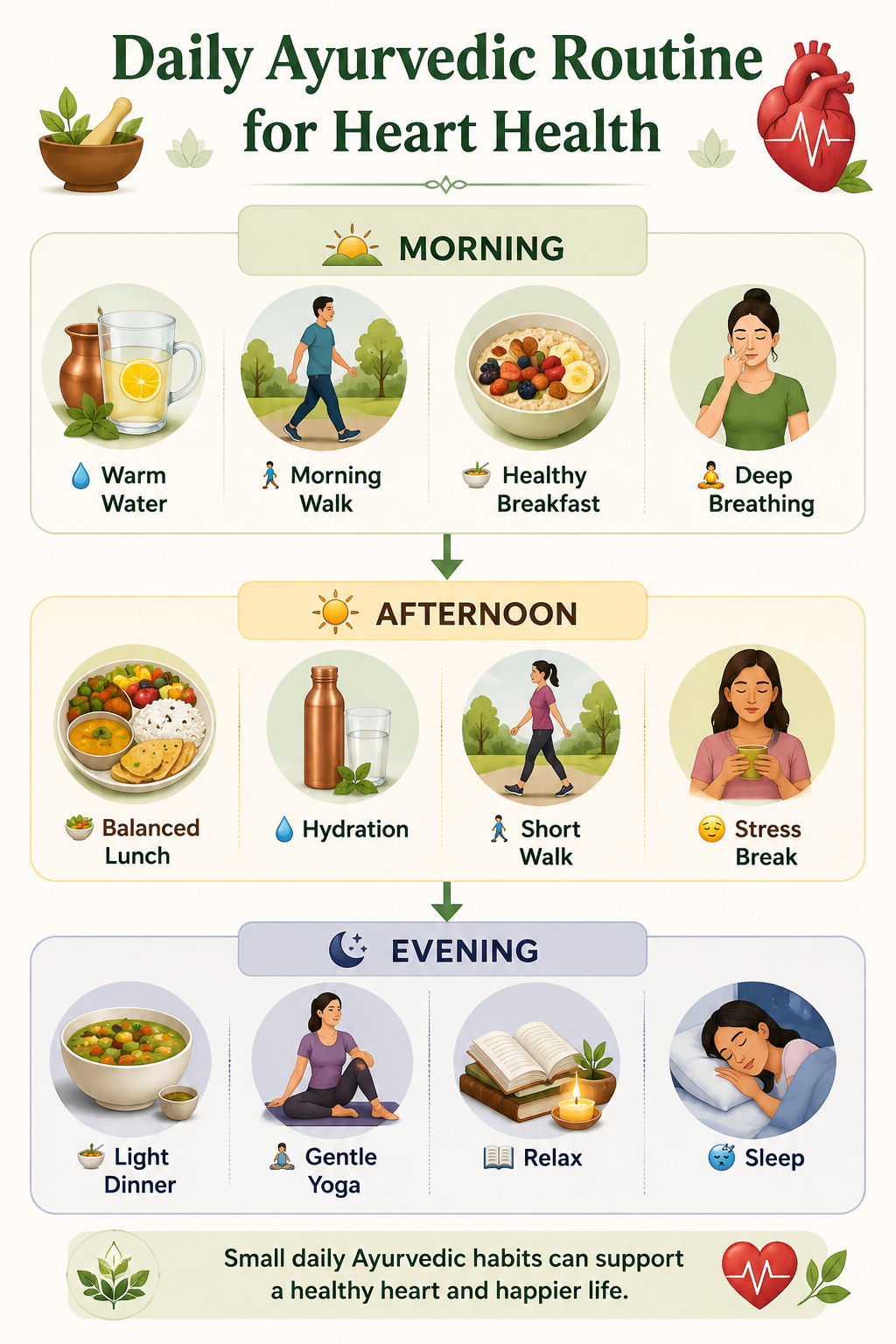
| Time | Habit | Purpose |
|---|---|---|
| Morning | Warm water | Start the day hydrated. |
| Morning | Deep breathing | Encourage relaxation. |
| Morning | Healthy breakfast | Support steady energy. |
| Midday | Balanced lunch | Provide essential nutrients. |
| Afternoon | Short walk | Stay active |
| Evening | Light dinner | Support digestion. |
| Evening | Gentle yoga | Promote relaxation. |
| Night | Consistent bedtime | Support restorative sleep. |
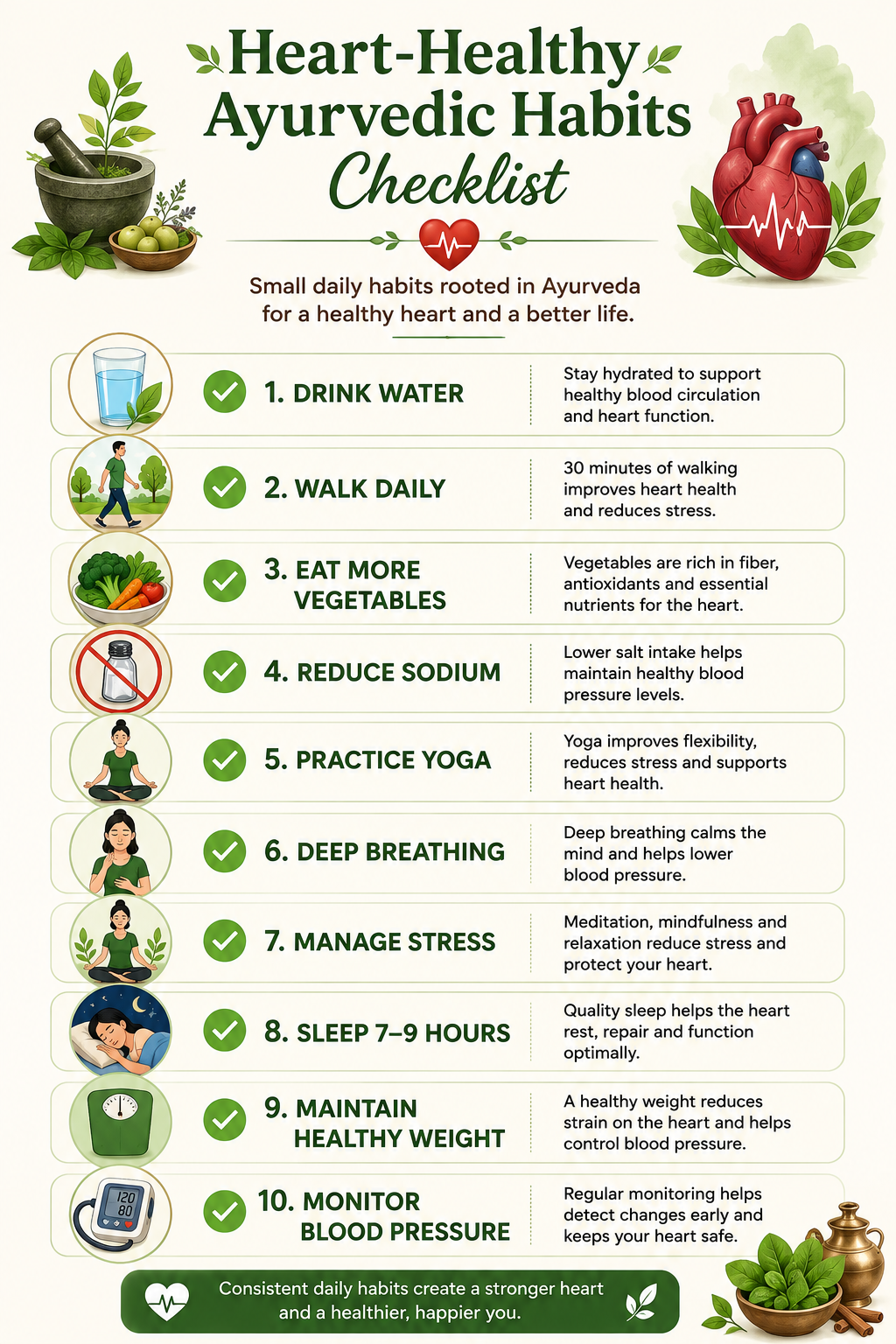
Ayurvedic Heart-Healthy Habits Checklist
- Develop routines with this checklist.
- Drink plenty water every day.
- Eat many vegetables.
- Opt for whole grains.
- Limit excess sodium
- Walk for 30+ minutes
- Take deep breaths.
- Deal with daily stress
- Sleep 7-9 hours
- Gentle yoga sessions
- No smoking
- No alcohol
- Check your blood pressure regularly.
- Follow your healthcare provider’s advice.
When Should You Visit a Doctor
Healthy living choices are good, but they cannot replace professional medical treatment when it is necessary.
Talk to your healthcare practitioner if you:
- Repeatedly having a high blood pressure reading
- Chest pain
- Suffer from intense headaches
- Shortness of breath
- Dizzy or faint
- Changes in Vision
- Have heart disease, renal disease, or diabetes already.
If you feel severe chest discomfort, difficulty breathing, abrupt weakness on one side of the body, confusion, or difficulty speaking, get emergency medical assistance immediately.
Do not start or stop any blood pressure medicines that have been prescribed for you without talking to your health care provider.
Key Takeaways
- Along with medical treatment, daily Ayurvedic practices may help sustain healthy blood pressure.
- Good nutrition, exercise, stress management, and quality sleep continue to be the cornerstones of heart health.
- However, several Ayurvedic herbs are still being explored, but the data differs, and they should not replace prescription medication.
- It is better to be consistent than perfect.
- Regular BP checks can monitor improvements.
- Always check with your healthcare provider before starting herbal
- Supplements or making any major changes to your treatment plan.
Conclusion
Daily Ayurvedic habits for healthy blood pressure, along with evidence-based medical care, can help maintain good blood pressure. Ayurveda doesn’t believe in quick solutions but in small, regular lifestyle behaviors that promote balance and overall well-being.
To promote healthy blood pressure over time, you can do simple things such as eating nutritious meals, remaining physically active, practicing yoga and deep breathing, managing stress, getting quality sleep, and following a regular daily schedule. While these behaviors may seem small, you will notice the benefits more when you practice them consistently.
It has been my experience that real gains in health don’t happen immediately. As soon as I stopped expecting instant results and instead focused on creating one good habit at a time, it was much simpler to be consistent. Little choices made each day became lifelong habits.
Lifestyle changes are an addition to, but not a substitute for, professional medical care. If you have high blood pressure or take prescribed medication, continue to follow the instructions of your health care provider and undergo frequent health checks.
The positive behaviors you adopt today can help keep your heart healthy for years to come.
Frequently Asked Questions
1. Can Ayurveda cure high blood pressure naturally?
Ayurveda suggests strong lifestyle habits that can help support good blood pressure, including eating a balanced diet, managing stress, practicing yoga, and maintaining regular routines daily. But it should not replace medical care or approved pharmaceuticals when needed.
2. What is the most researched Ayurvedic herb for heart health?
Garlic and Terminalia arjuna (Arjuna) are two of the more well-studied herbs in cardiovascular research. While some studies are promising, the evidence is still emerging, and these herbs should only be used after consulting your health care physician.
3. Does yoga lower blood pressure?
Gentle yoga and breathing exercises can help reduce stress and increase relaxation, which may benefit general heart health. It works best as part of a healthy lifestyle with regular exercise, healthy eating, and adequate sleep.
4. Is stress a cause of high blood pressure?
Yes. Stress can lead to transient spikes in blood pressure, but over time it can lead to unhealthy lifestyle patterns. Relaxation techniques, physical activity, mindfulness, and appropriate sleep are helpful in improving overall heart health and managing stress.
5. Which Foods Help in Keeping Blood Pressure Healthy?
A heart-healthy dietary pattern includes vegetables, fruits, whole grains, legumes, nuts, seeds, lean meats, and foods naturally high in potassium. Cutting out excess sodium, overly processed foods, sugary drinks, and harmful fats can also enhance heart health.
6. Can I take ayurvedic herbs with my blood pressure medicine?
Some Ayurvedic herbs and supplements may affect prescription medications. Always ask your health care professional or pharmacist about mixing blood pressure medicine with herbal products.
7. How long does it take good living practices to pay off?
Results may vary from person to person. Some people feel better energy, sleep, and stress within weeks. Long-term heart benefits typically depend on doing healthy habits consistently for months.
8. Can Walking Help You Manage Healthy Blood Pressure?
Yes. Walking is one of the easiest types of exercise, and large health organizations heavily promote it as part of a heart-healthy lifestyle. It may help promote healthy blood pressure when combined with a balanced diet and stress management.
Medical Disclaimer
This article is for informational purposes only and is not a substitute for professional medical advice, diagnosis, or treatment. Always contact a trained health care expert before making any major changes to your diet, exercise program, or usage of herbal supplements. Do not stop or change blood pressure medicines unless your healthcare professional tells you to do so. If you get chest pain, a strong headache, shortness of breath, sudden weakness, or other emergency symptoms, get medical help right away.
Featured Snippet Answer
Healthy blood pressure may be supported by daily Ayurvedic behaviors such as eating a balanced diet, limiting sodium, being active, practicing yoga, managing stress, getting enough sleep, and following consistent routines. These health habits are to be used as adjuncts to professional medical care and not as a substitute for prescribed treatment.
References and Sources
- National Heart, Lung, and Blood Institute (NHLBI) – High Blood Pressure: What Is High Blood Pressure?
- National Heart, Lung, and Blood Institute (NHLBI) – High Blood Pressure Treatment
- American Heart Association (AHA) – High Blood Pressure
- American Heart Association (AHA) – Blood Pressure Explained
- National Center for Complementary and Integrative Health (NCCIH) – Herbs at a Glance
- National Center for Complementary and Integrative Health (NCCIH) – High Blood Pressure and Complementary Health Approaches
- Mayo Clinic – High Blood Pressure (Hypertension)
- Harvard Health Publishing – High Blood Pressure (Hypertension)
- World Health Organization (WHO) – Hypertension
- Centers for Disease Control and Prevention (CDC) – High Blood Pressure
Related Content:
- 15 Ayurvedic Remedies for High Blood Pressure
- Aromatherapy for Stress Relief and Relaxation: A Comprehensive Guide
- 7 Healing Herbs for Boosting Energy Naturally: A Comprehensive Guide
- Benefits of Outdoor Activities for Mental Health: A Comprehensive Guide
- Check our Blog and Category page (Nature’s & Healing)
- 12 Best Ways To Lower Blood Pressure
- 9 Benefits of Yoga for Holistic Health and Well-Being
- 10 Causes of Low Blood Pressure








[…] 15 Daily Ayurvedic Habits for Healthy Blood Pressure Naturally […]
[…] 15 Daily Ayurvedic Habits for Healthy Blood Pressure Naturally […]
[…] 15 Daily Ayurvedic Habits for Healthy Blood Pressure Naturally […]
[…] 15 Daily Ayurvedic Habits for Healthy Blood Pressure Naturally […]
[…] 15 Daily Ayurvedic Habits for Healthy Blood Pressure Naturally […]