












































































































































10 Causes of Low Blood Pressure: Symptoms, Tests & When to Worry
Author: RVLNSV PRASAD
Updated On: September 2026
About Us
Author Bio
Editorial Policy
Contact Us
Introduction
Low blood pressure, also called hypotension, does not always mean something is wrong. Some people naturally have lower readings and feel completely well. However, a sudden drop in blood pressure or repeated low readings accompanied by dizziness, fainting, weakness, confusion, blurred vision, or other symptoms can point to an underlying problem.
In general, healthcare professionals often describe blood pressure below 90/60 mm Hg as low. However, the number alone does not determine whether the reading is dangerous. Your usual blood pressure, symptoms, medications, medical conditions, hydration status, and how quickly the pressure changed all matter. Mayo Clinic: Low blood pressure symptoms and causes
This guide explains the 10 major causes of low blood pressure, how doctors investigate the reason for a low reading, warning signs that need urgent attention, and practical steps that may help depending on the cause.
Quick Answer
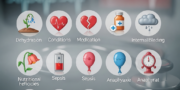
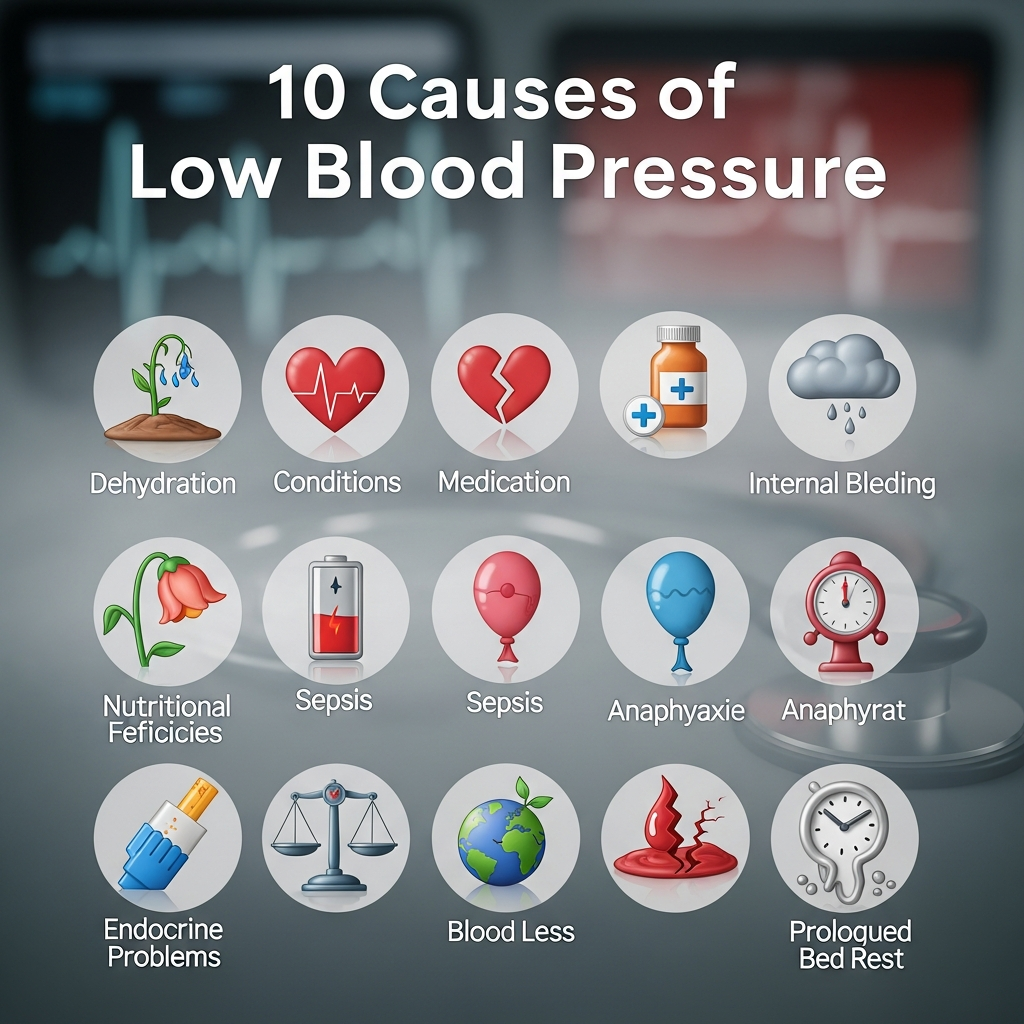
The most common causes of low blood pressure include:
- Dehydration
- Heart problems
- Blood loss
- Severe infection
- Nutritional deficiencies and anemia
- Hormone or endocrine problems
- Certain medicines
- Orthostatic hypotension and prolonged standing
- Pregnancy
- Severe allergic reactions
Other situations can also contribute, including prolonged bed rest, alcohol, nervous-system disorders, post-meal blood pressure drops, and some conditions affecting the body’s automatic control of blood pressure. Cleveland Clinic: Low blood pressure (hypotension)
The important point is that low blood pressure is a finding, not a diagnosis. Finding the cause matters because treatment depends on what is making the pressure fall.
What Is Low Blood Pressure?
Blood pressure measures the force of blood pushing against the walls of your arteries.
A reading contains two numbers:
| Number | What it means |
|---|---|
| Systolic | Pressure when the heart contracts |
| Diastolic | Pressure between heartbeats |
A reading below 90/60 mm Hg is commonly considered low. Still, some healthy people regularly have readings around or below this level without symptoms or complications. American Heart Association: Low blood pressure
When does low blood pressure become concerning?
A low reading deserves more attention when it occurs with symptoms such as:
- Dizziness or lightheadedness
- Fainting
- Blurred or fading vision
- Weakness or unusual fatigue
- Nausea
- Confusion
- Difficulty concentrating
- Heart palpitations
- Cold or clammy skin
- Rapid breathing
A sudden and substantial fall can be more concerning than a stable low reading that has caused no symptoms for years. NHLBI: Low Blood Pressure
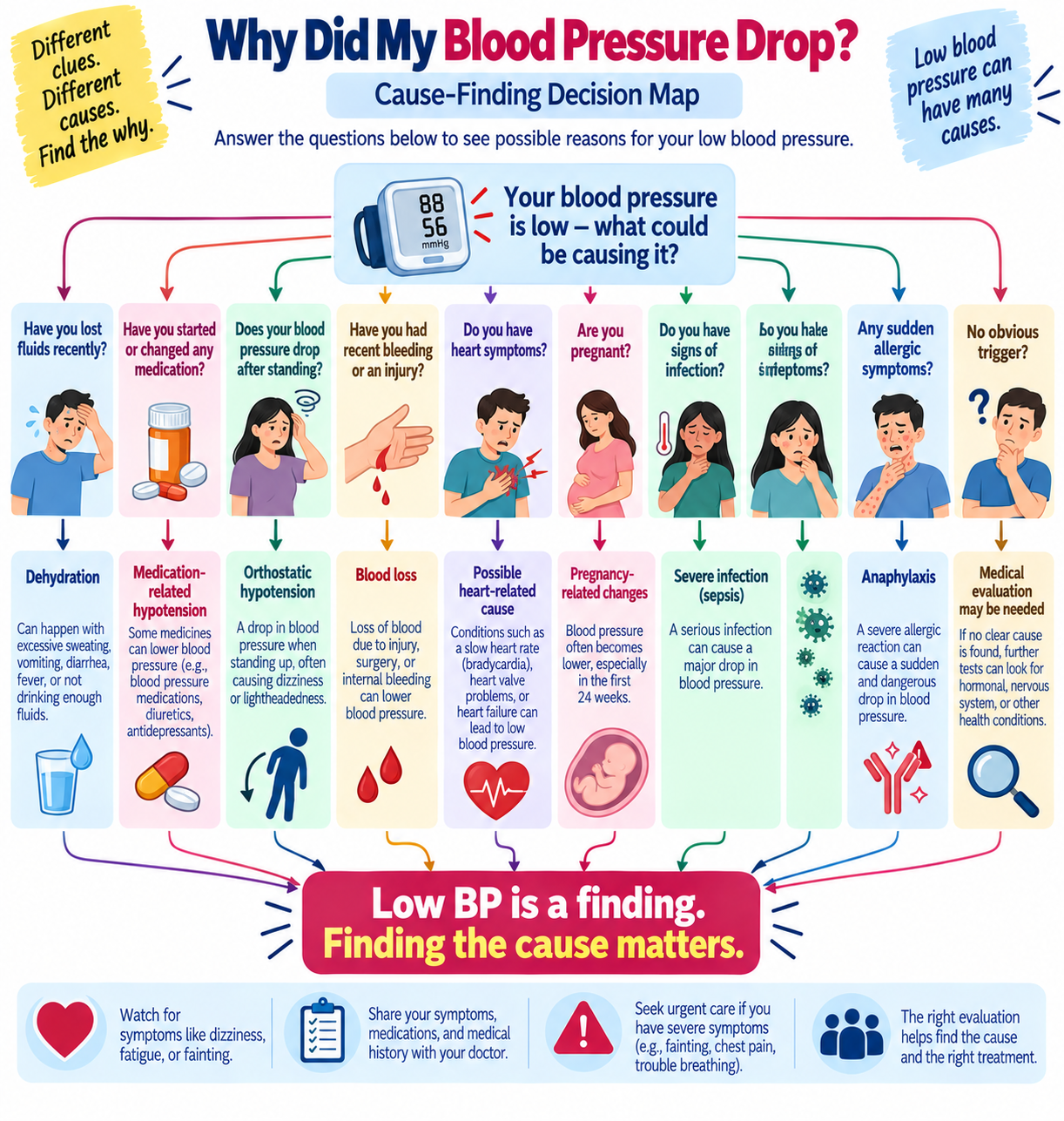
10 Causes of Low Blood Pressure
1. Dehydration
Dehydration is one of the common reasons blood pressure can fall.
Your circulation depends partly on adequate fluid volume. When you lose more fluid than you replace, your blood volume can decrease. That reduction can make it harder for the cardiovascular system to maintain normal pressure.
Common situations that can cause significant fluid loss include:
- Heavy sweating
- Fever
- Vomiting
- Severe diarrhea
- Not drinking enough fluids
- Prolonged exercise
- Excessive heat exposure
- Some medicines that increase urine production
Mayo Clinic identifies dehydration as an important cause of hypotension because reduced body fluid can lower blood volume. Mayo Clinic: Causes of low blood pressure
| Situation | Why pressure may fall |
|---|---|
| Heavy sweating | Loss of body fluid |
| Vomiting | Fluid and electrolyte loss |
| Severe diarrhea | Significant fluid loss |
| Fever | Increased fluid loss |
| Intense exercise in heat | Sweating and fluid depletion |
If dehydration appears to be the reason for a mild episode, replacing fluids may help. However, severe dehydration can require medical treatment, particularly when someone cannot keep fluids down.
2. Heart Problems
The heart must pump enough blood to maintain circulation. Problems that interfere with heart rate, rhythm, pumping strength, or valves can therefore cause hypotension.
Possible cardiovascular causes include:
- Slow heart rate
- Abnormal heart rhythms
- Heart attack
- Heart failure
- Heart valve disease
- Other conditions that reduce effective cardiac output
The American Heart Association and Mayo Clinic both list heart conditions among recognized causes of low blood pressure. American Heart Association: Low blood pressure
Low blood pressure accompanied by chest pain, severe shortness of breath, fainting, or a new irregular heartbeat should not be ignored.
3. Blood Loss
Significant blood loss can produce a rapid fall in blood pressure because the amount of circulating blood decreases.
Possible causes include:
- Major injuries
- Heavy external bleeding
- Internal bleeding
- Gastrointestinal bleeding
- Complications from surgery or other medical conditions
A small amount of blood loss does not automatically cause dangerous hypotension. The concern increases when the bleeding is substantial or continues.
Sudden low blood pressure after an injury, particularly when accompanied by weakness, confusion, pale or clammy skin, or a rapid pulse, can indicate a medical emergency. Mayo Clinic: Low blood pressure and shock symptoms
4. Severe Infection
A serious infection can sometimes cause a dangerous fall in blood pressure.
In severe cases, the body’s response to infection can disrupt normal blood-vessel function and circulation. When this progresses to septic shock, blood pressure can become dangerously low, and vital organs may not receive adequate blood flow.
Warning symptoms may include:
- Fever or unusually low body temperature
- Rapid breathing
- Confusion
- Severe weakness
- Fast heart rate
- Very low blood pressure
- Cold or clammy skin
Septic shock requires emergency medical treatment. American Heart Association: Low blood pressure and serious causes
5. Nutritional Deficiencies and Anemia
Certain nutritional deficiencies can contribute to anemia, which may sometimes be associated with low blood pressure.
For example, inadequate vitamin B12, folate, or iron can interfere with healthy red blood cell production. Anemia can cause symptoms such as fatigue, weakness, dizziness, and reduced exercise tolerance.
However, it is important not to assume that every episode of low blood pressure results from a nutritional deficiency.
Doctors may use blood tests to look for anemia, iron deficiency, vitamin deficiencies, or other abnormalities when the symptoms and medical history suggest these possibilities. Cleveland Clinic: Diagnosis and tests for hypotension
| Possible problem | What doctors may investigate |
|---|---|
| Iron deficiency | Blood count and iron studies |
| Vitamin B12 deficiency | Vitamin B12 testing |
| Folate deficiency | Folate testing |
| Anemia | Complete blood count |
| Other causes | Additional blood tests based on symptoms |
Avoid starting high-dose supplements simply because your blood pressure is low. Treatment should address the actual cause.
6. Hormone and Endocrine Problems
Hormones help regulate blood pressure, blood volume, metabolism, and the body’s response to stress.
Certain endocrine disorders can interfere with this system.
Examples include:
- Addison’s disease
- Thyroid disorders
- Diabetes-related problems
- Low blood sugar
- Other conditions affecting hormone regulation
The American Heart Association lists endocrine problems among possible causes of hypotension. American Heart Association: Low blood pressure causes
Doctors do not automatically test every hormone in every person with a low blood pressure reading. Instead, they choose tests according to the symptoms, medical history, physical examination, and other findings.
7. Certain Medicines
Some medicines can lower blood pressure as part of their intended effect or as a side effect.
Examples include:
- Diuretics
- Some medicines used for high blood pressure
- Certain heart medicines
- Some medicines for Parkinson’s disease
- Certain antidepressants
- Some medicines used for erectile dysfunction
The risk can increase when several medicines affect blood pressure or when dehydration occurs at the same time. Mayo Clinic: Medicines that can cause low blood pressure
Important: Do not stop prescribed medicine on your own.
If you think your medication is causing dizziness or low readings, speak with your healthcare professional.
They may decide to:
- Change the dose
- Change the timing
- Replace a medicine
- Adjust other medicines
- Investigate another cause
Do not suddenly stop a prescribed medicine without medical advice. Mayo Clinic specifically recommends discussing medication changes with a healthcare professional. Mayo Clinic: Diagnosis and treatment of low blood pressure
8. Standing Up Too Quickly or Orthostatic Hypotension
A brief blood pressure change can happen when you move from lying or sitting to standing.
Normally, the body quickly adjusts blood-vessel tone and heart rate to maintain blood flow. If that adjustment does not work properly, blood pressure can fall after standing.
This is called orthostatic hypotension, also known as postural hypotension.
It can cause:
- Lightheadedness
- Dizziness
- Blurred vision
- Weakness
- Fainting
Cleveland Clinic notes that orthostatic hypotension is diagnosed using blood pressure changes after standing. A drop of at least 20 mm Hg in systolic pressure or 10 mm Hg in diastolic pressure within three minutes of standing is a commonly used diagnostic criterion. Cleveland Clinic: Orthostatic hypotension diagnosis
Several factors can contribute, including:
- Dehydration
- Certain medications
- Prolonged bed rest
- Nervous-system disorders
- Heart conditions
- Aging
If dizziness happens repeatedly whenever you stand, tell your healthcare professional rather than simply assuming that you stood up too quickly.
9. Pregnancy
Blood pressure can fall during pregnancy because the cardiovascular system undergoes major changes.
Blood vessels expand during pregnancy, which can reduce blood pressure, particularly during the first part of pregnancy. Mayo Clinic notes that low blood pressure is common during the first 24 weeks. Mayo Clinic: Pregnancy and low blood pressure
Mild low blood pressure during pregnancy may not indicate a serious problem.
However, fainting, significant bleeding, severe abdominal pain, chest pain, severe shortness of breath, or other concerning symptoms require prompt medical evaluation.
Pregnant people should also discuss persistent dizziness or repeated low readings with their maternity care team.
10. Severe Allergic Reaction
A severe allergic reaction, known as anaphylaxis, can cause a sudden and potentially life-threatening fall in blood pressure.
Anaphylaxis may develop after exposure to:
- Certain foods
- Medicines
- Insect stings
- Other allergens
Possible symptoms include:
- Difficulty breathing
- Swelling of the throat, lips, or tongue
- Wheezing
- Hives
- Sudden dizziness
- Fainting
- A major drop in blood pressure
Anaphylaxis is an emergency. A person experiencing symptoms of a severe allergic reaction needs immediate emergency medical care. American Heart Association: Severe allergic reactions and low blood pressure
Other Reasons Blood Pressure May Drop
The 10 causes above cover major categories, but they do not represent every possible reason for hypotension.
Other contributors can include:
- Prolonged bed rest
- Prolonged standing
- Alcohol
- Nervous-system disorders
- Postprandial hypotension after eating
- Some lung or circulation problems
- Extreme heat
- Conditions that interfere with the autonomic nervous system
Mayo Clinic recognizes several types of hypotension, including orthostatic, postprandial, and neurally mediated hypotension. Mayo Clinic: Types of low blood pressure
Symptoms of Low Blood Pressure
A low reading does not always produce symptoms.
When symptoms occur, they may include:
| Symptom | What it may feel like |
|---|---|
| Dizziness | Feeling unsteady or lightheaded |
| Fainting | Brief loss of consciousness |
| Blurred vision | Vision becomes unclear or fades. |
| Weakness | Reduced energy or physical strength |
| Nausea | Feeling sick to your stomach |
| Fatigue | Unusual tiredness |
| Confusion | Difficulty thinking clearly |
| Palpitations | Feeling your heartbeat |
| Headache | Head discomfort accompanying a pressure drop |
The severity depends partly on how quickly blood pressure falls and why it is falling. NHLBI: Symptoms of low blood pressure
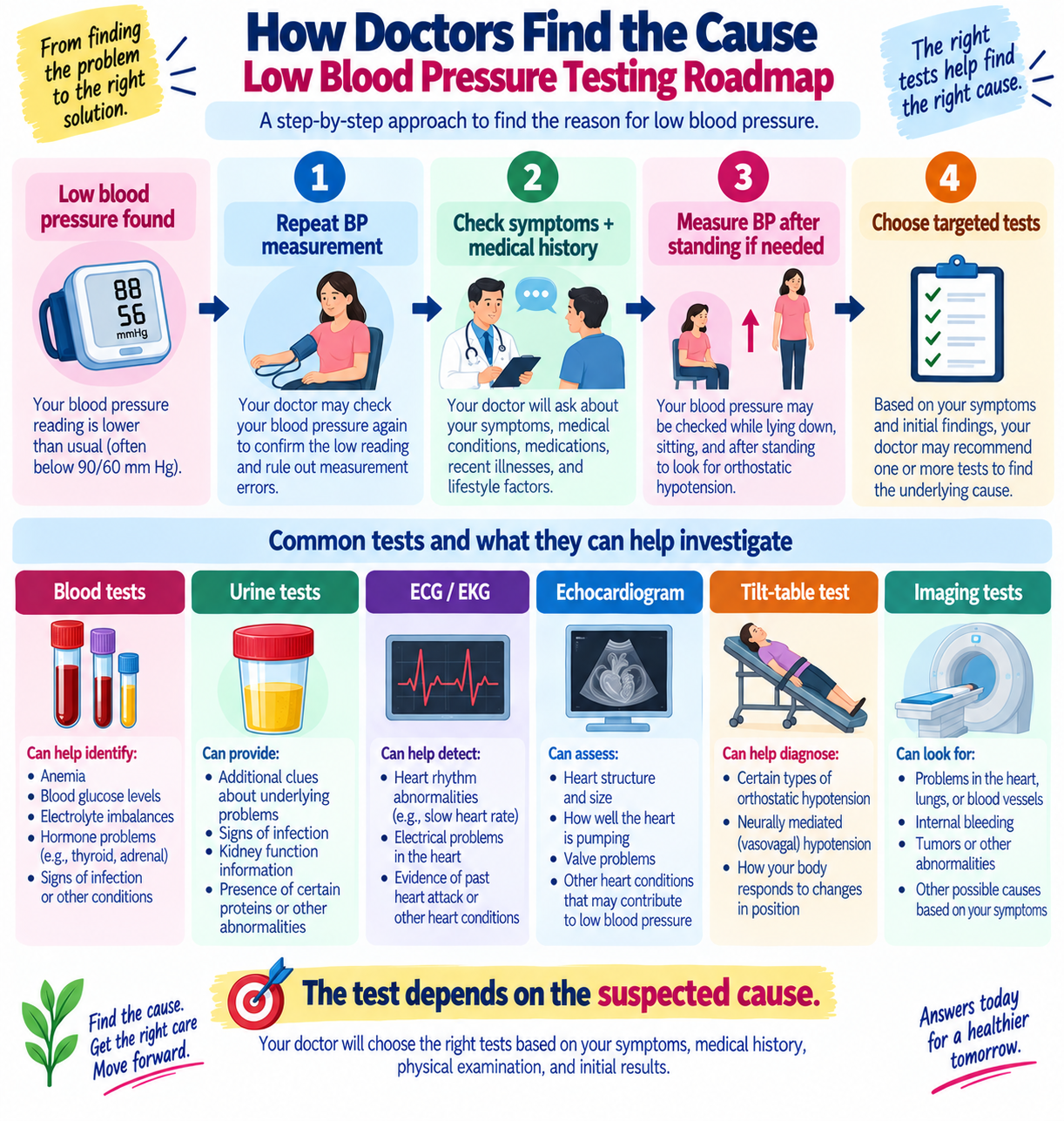
How Do Doctors Find the Cause of Low Blood Pressure?
Measuring blood pressure confirms that the reading is low, but finding the reason requires a different evaluation.
Your healthcare professional may consider:
1. Blood pressure measurements
The clinician may repeat the measurement to determine whether the low reading persists.
They may also compare readings in different positions.
For suspected orthostatic hypotension, blood pressure can be measured while lying or sitting and again after standing. Cleveland Clinic: Orthostatic hypotension testing
2. Medical history and symptom pattern
The timing of your symptoms can provide important clues.
For example:
| Pattern | Possible direction of investigation |
|---|---|
| Dizziness after standing | Orthostatic hypotension |
| Symptoms after severe diarrhea | Dehydration |
| Low BP after starting a medicine | Medication effect |
| Low BP with chest symptoms | Heart or circulation problem |
| Low BP with heavy bleeding | Blood loss |
| Low BP after eating | Postprandial hypotension |
| Low BP with severe infection symptoms | Sepsis |
3. Blood and urine tests
Depending on the situation, doctors may order tests for:
- Anemia
- Iron deficiency
- Diabetes or abnormal glucose
- Electrolyte problems
- Kidney function
- Thyroid or other hormonal problems
- Other conditions suggested by the history
Cleveland Clinic lists blood and urine testing among the investigations doctors may use to identify the cause of hypotension. Cleveland Clinic: Hypotension diagnosis and tests
4. ECG or EKG
An electrocardiogram records the heart’s electrical activity.
Doctors may use it when an abnormal heart rhythm or another cardiac problem could explain dizziness, fainting, or low blood pressure.
5. Echocardiogram
An echocardiogram uses ultrasound to examine the heart.
It can help clinicians evaluate heart structure and pumping function when a cardiovascular cause is suspected.
6. Tilt-table testing
A tilt-table test can help evaluate certain forms of orthostatic or neurally mediated hypotension.
During the test, clinicians monitor blood pressure and heart rate while the patient’s position changes under controlled conditions. Cleveland Clinic: Orthostatic hypotension testing
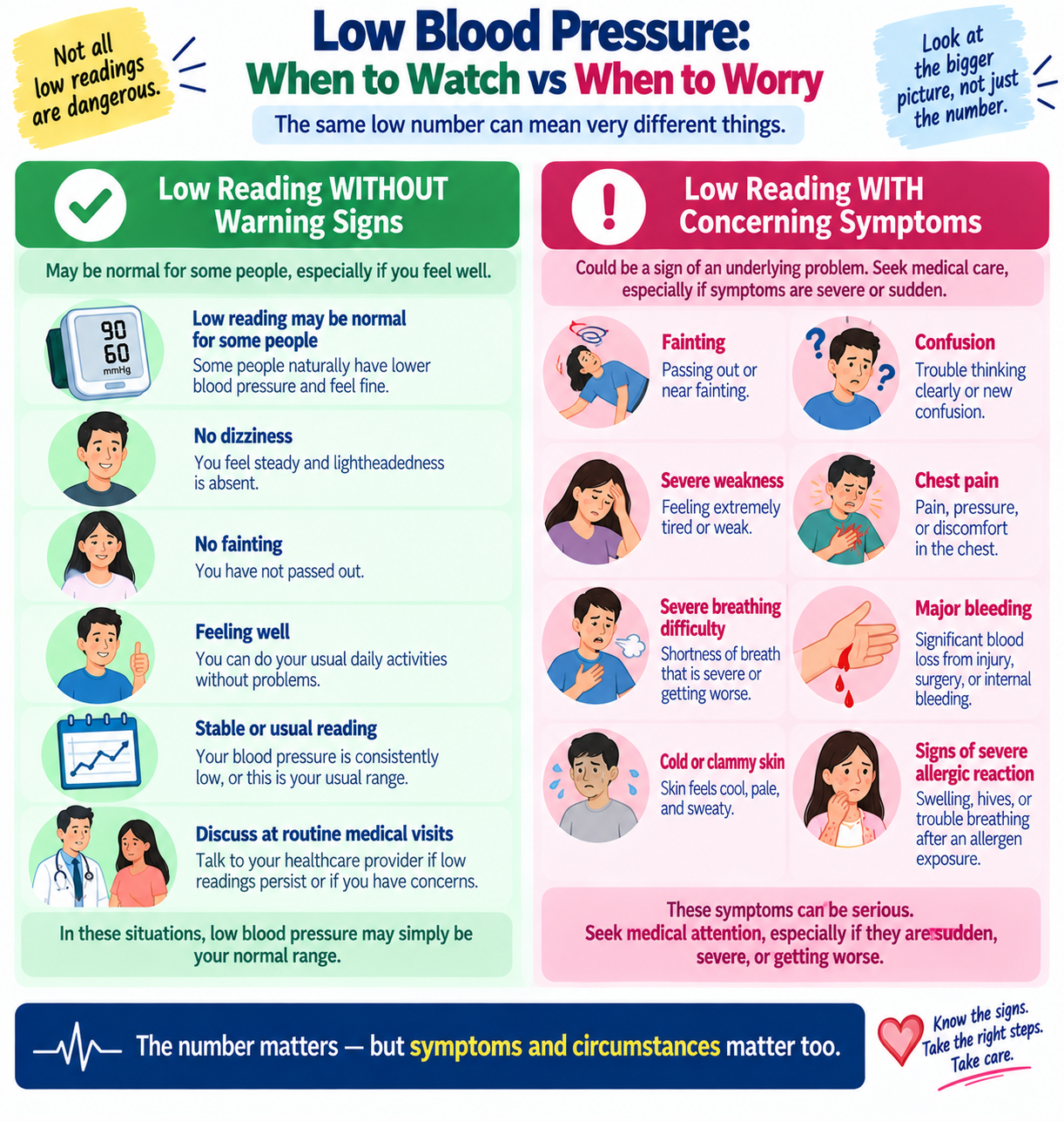
Low Blood Pressure: When Is It an Emergency?
Do not focus only on the blood pressure number.
A sudden low reading becomes much more concerning when it occurs with signs that suggest shock or another serious medical problem.
Seek emergency medical care for symptoms such as:
- Fainting or loss of consciousness
- Confusion
- Severe weakness
- Chest pain
- Severe difficulty breathing
- Cold, clammy skin
- Rapid, weak pulse
- Rapid or shallow breathing
- Major bleeding
- Signs of a severe allergic reaction
- Severe infection symptoms with low blood pressure
Mayo Clinic identifies confusion, cold or clammy skin, rapid shallow breathing, and a weak rapid pulse among signs of shock. Mayo Clinic: Shock and severe hypotension warning signs
If you believe someone is experiencing shock, call your local emergency medical service rather than trying to manage the situation at home.
What Can You Do About Low Blood Pressure?
Treatment depends on the underlying cause.
There is no single treatment that works for everyone.
| Cause | Possible medical approach |
|---|---|
| Dehydration | Fluid replacement when appropriate |
| Medication-related | Clinician-guided medication adjustment |
| Blood loss | Stop bleeding and restore circulating volume. |
| Severe infection | Urgent treatment of infection and circulation |
| Heart problem | Treat the underlying cardiovascular condition. |
| Anemia or deficiency | Correct the identified deficiency or cause. |
| Orthostatic hypotension | Address the underlying cause and use individualized measures. |
| Pregnancy-related changes | Monitoring and pregnancy-specific medical guidance |
| Anaphylaxis | Immediate emergency treatment |
Mayo Clinic emphasizes treating the underlying reason for hypotension whenever possible. Mayo Clinic: Low blood pressure diagnosis and treatment
Be careful with salt and fluids.
You may see advice online telling everyone with low blood pressure to drink large amounts of water or eat more salt.
That advice is not appropriate for every person.
Your fluid and sodium needs depend on your medical situation. Some people have heart, kidney, liver, or other conditions where excessive fluid or sodium can be harmful.
Ask a healthcare professional what is appropriate for you, especially if you have another medical condition or take prescription medicines.
How to Reduce Episodes of Low Blood Pressure
If your healthcare professional has identified a non-emergency cause, several practical measures may help reduce symptoms.
Depending on the cause, these may include:
- Stay adequately hydrated.
- Rise slowly after sitting or lying down.
- Avoid prolonged standing if it triggers symptoms.
- Be cautious in very hot environments.
- Follow your prescribed medication schedule.
- Keep track of blood pressure readings and symptoms.
- Eat balanced meals rather than routinely skipping food.
- Follow treatment for anemia, endocrine disease, or other diagnosed conditions.
- Ask your clinician whether compression garments or other measures are appropriate.
Do not treat recurring hypotension as a problem that always needs a home remedy. Repeated symptoms deserve an explanation.
A Low Blood Pressure Reading Does Not Always Mean Disease
This is one of the most important points to understand.
Some people naturally have lower blood pressure and feel healthy. If you have consistently low readings without symptoms, your healthcare professional may simply monitor you rather than prescribe treatment. American Heart Association: When low blood pressure is usually not harmful
The situation changes when the reading is
- Newly low
- Much lower than your usual level
- Associated with fainting
- Associated with dizziness or confusion
- Associated with chest pain or breathing problems
- Associated with bleeding, infection, or an allergic reaction
In those situations, finding the cause becomes more important than simply trying to raise the number.
Frequently Asked Questions
What are the most common causes of low blood pressure?
Common causes include dehydration, medications, orthostatic hypotension, pregnancy, heart conditions, blood loss, nutritional deficiencies, endocrine problems, and severe illness. The exact cause varies from person to person.
Is 90/60 considered low blood pressure?
A reading below 90/60 mm Hg is commonly used as a general definition of low blood pressure. However, the number alone does not determine whether treatment is necessary. Symptoms and the individual’s usual blood pressure also matter. American Heart Association: Low blood pressure threshold and symptoms
Can dehydration cause low blood pressure?
Yes. Significant fluid loss can reduce blood volume and contribute to hypotension. Vomiting, diarrhea, fever, heavy sweating, and inadequate fluid intake can all contribute to dehydration.
Can low blood pressure cause dizziness?
Yes. Dizziness or lightheadedness is one of the common symptoms of hypotension, particularly when blood pressure falls suddenly or drops after standing. Mayo Clinic: Low blood pressure symptoms
Can medicines cause low blood pressure?
Yes. Several medication classes can lower blood pressure. If you suspect that a medicine is responsible, speak with your healthcare professional instead of stopping it yourself.
Why does my blood pressure drop when I stand up?
A sudden fall after standing may indicate orthostatic hypotension. Dehydration, medications, prolonged bed rest, aging, heart conditions, and nervous-system disorders can contribute. Cleveland Clinic: Orthostatic hypotension
Can pregnancy cause low blood pressure?
Yes. Blood-vessel changes during pregnancy can lower blood pressure, particularly during the first part of pregnancy. Persistent or severe symptoms should still be discussed with a healthcare professional.
When should I worry about low blood pressure?
Seek urgent medical attention if a low reading occurs with fainting, confusion, severe weakness, chest pain, severe breathing difficulty, major bleeding, signs of anaphylaxis, or signs of shock.
How do doctors diagnose the cause of low blood pressure?
Doctors may review your symptoms and medical history, repeat blood pressure measurements, check blood pressure while standing, order blood or urine tests, and use ECG, echocardiography, tilt-table testing, or imaging when appropriate. Cleveland Clinic: Diagnosis and testing for hypotension
Final Thoughts
The causes of low blood pressure range from relatively simple problems such as dehydration to serious conditions involving the heart, blood loss, severe infection, or anaphylaxis.
A single low reading does not automatically mean that something is wrong. Some healthy people naturally have low blood pressure. The bigger concern is a new, sudden, persistent, or symptomatic drop.
Instead of focusing only on the number, consider the complete picture: your symptoms, usual readings, medications, recent illness, fluid intake, pregnancy status, and other health conditions.
If low blood pressure keeps happening, ask a healthcare professional to identify the underlying cause. Once the cause is understood, treatment can be directed at the actual problem rather than simply trying to raise the blood pressure.
Medical Disclaimer
This article is for general educational purposes and does not replace medical diagnosis or treatment. Low blood pressure can have many causes, and the appropriate evaluation depends on the individual’s symptoms, medical history, medications, and other health conditions. Seek urgent medical care for severe symptoms such as fainting, confusion, chest pain, severe breathing difficulty, major bleeding, or signs of shock.
Author Note
Written by RVLNSV PRASAD for Health Tips To You. The article is intended to provide clear, evidence-based health information using reputable medical sources. Medical information can change as evidence and clinical guidance develop, so readers should consult a qualified healthcare professional for personal medical advice.
Sources
- Mayo Clinic — Low Blood Pressure: Symptoms and Causes
- Mayo Clinic — Low Blood Pressure: Diagnosis and Treatment
- American Heart Association — Low Blood Pressure: When Blood Pressure Is Too Low
- American Heart Association — Blood Pressure Explained
- National Heart, Lung, and Blood Institute (NHLBI/NIH) — Low Blood Pressure
- Cleveland Clinic — Low Blood Pressure (Hypotension): Causes & Symptoms
Related Content
10 Causes of High Blood Pressure & Treatment
7 Simple Health Changes to Reduce The Risk of Chronic Disease
LDL Cholesterol How to Reduce Fast: Doctor-Approved Natural Methods
10 Doctor-Recommended Natural Ways to Lower High Triglycerides
15 Ways to Improving Prostate Health Naturally: What Every Man Should Know








[…] 10 Causes of Low Blood Pressure […]
[…] 10 Causes of Low Blood Pressure […]