


















































































































































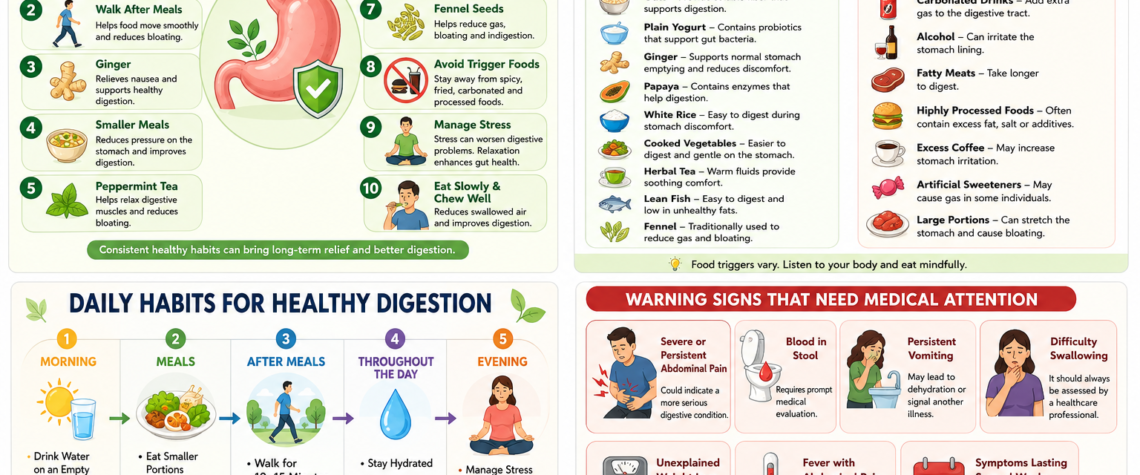
Home Remedies for Gastric Problems: 10 Natural Ways to Relieve Gas, Bloating, and Indigestion
Author: RVLNSV PRASAD
Fact-Checked By: Wellness Research Team
Last Updated: July 2026
Author Note
This article offers evidence-based recommendations on home remedies and a healthy lifestyle to treat mild stomach problems. The material is based on guidance from National Institute of Diabetes and Digestive and Kidney Diseases (NIDDK), Mayo Clinic, and current medical research.
Home remedies can relieve occasional digestive discomfort but cannot substitute for competent medical care.
If your symptoms are severe or worsen, consult a trained healthcare expert for diagnosis and treatment.
Introduction
Bloating after meals, common gas, stomach upset, or indigestion can make daily life miserable. The good news is that home remedies for gastric problems can be effective when combined with the correct food and lifestyle choices, easing mild symptoms and encouraging healthy digestion.
Occasional stomach troubles are normal. They can be triggered by eating too fast, eating fatty or spicy foods, drinking carbonated drinks, stress, and eating things that your digestive system doesn’t handle well. Often, simple things you can do at home can alleviate discomfort in a short period of time.
In this article, we discuss science-backed natural remedies for gas and bloating, foods that can help digestion, practices that can help you avoid future problems, and warning flags you should never ignore. You may have occasional gas or feel routinely bloated after meals, but you will find practical tips that are straightforward to implement.
Important: This page is solely for informational purposes. If you have moderate digestive symptoms, home remedies for indigestion may be helpful. If symptoms are severe, persistent, or getting worse, see a competent healthcare provider.
Key Takeaways
- Gas, bloating, and indigestion occasionally are very normal and can often improve with simple lifestyle changes.
- To improve digestion naturally, drink enough water, eat smaller meals, chew food properly, and take a short walk after meals.
- If you have a little upset stomach, natural treatments like ginger, peppermint tea, probiotic yogurt, or fennel seeds can help.
- Cutting out fried foods, fizzy beverages, alcohol, and other items that you know give you trigger symptoms will assist with the stomach upset.
- Regular exercise, a healthy diet, and stress reduction also improve your long-term gut health.
- If you have frequent gastrointestinal difficulties, keeping a food diary might help you discover foods or practices that may be triggering your symptoms.
- Home remedies are appropriate for occasional mild stomach distress but should not substitute for medical therapy if symptoms persist or are serious.
- If you experience any of the following signs of a serious allergic reaction, discontinue use and consult a health professional: difficulty breathing and swelling of the face, lips, tongue, or neck.
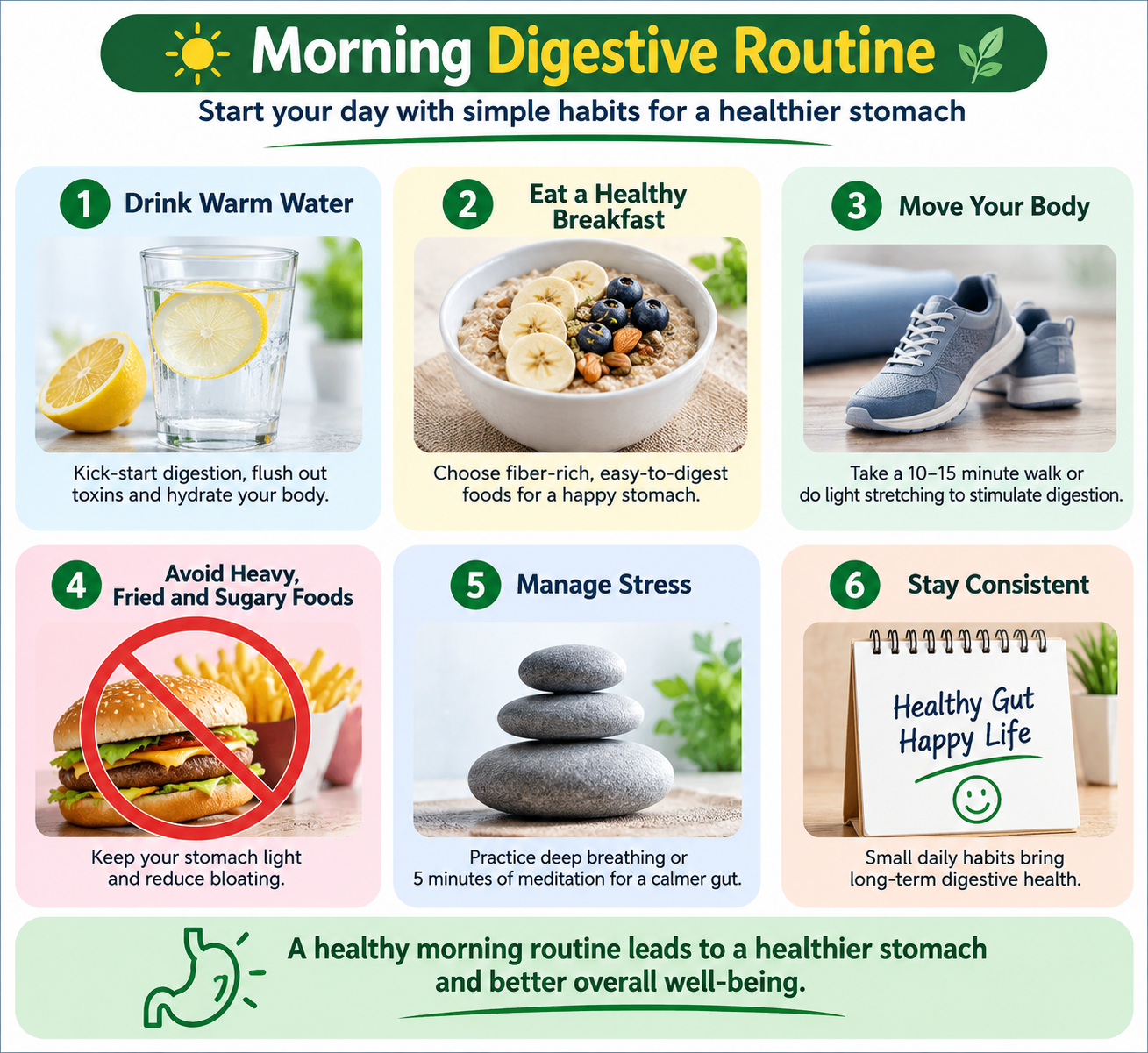
Morning Digestive Routine: Daily Habits for Better Gut Health
Quick Facts
| Topic | Key Information |
|---|---|
| Common Symptoms | Gas, bloating, burping, indigestion, stomach discomfort, mild abdominal pain |
| Common Causes | Overeating, swallowing air, spicy foods, fatty meals, stress, food intolerances, constipation |
| Best Natural Remedies | Ginger, walking after meals, peppermint, probiotics, fennel seeds, hydration |
| Foods That May Help | Oats, bananas, yogurt with live cultures, papaya, rice, cooked vegetables |
| Foods to Limit | Fried foods, sugary drinks, carbonated beverages, excess alcohol, processed foods |
| Medical Attention Needed | Severe pain, blood in stool, persistent vomiting, unexplained weight loss, symptoms lasting several weeks |
What are the best home remedies for gastric problems?
Here are the best home remedies for stomach problems. Drink plenty of water. Eat less food. After eating, take a short walk. Use ginger or peppermint. Have yogurt full of probiotics. : Avoid foods that cause symptoms. Manage stress These habits may help relieve moderate gas, bloating, and indigestion, but a healthcare expert should evaluate persistent or severe symptoms.
Why Do Gastric Problems Occur?
“Gastric problems” is a broad word people use to describe a variety of digestive discomforts such as gas, bloating, burping, indigestion, or a feeling of fullness after a meal.
All the while, your digestive system is working hard to break down food, absorb nutrients, and get rid of waste. If this process is delayed or disturbed, extra gas may get stuck in the stomach or intestines, producing discomfort.
It is common to have some gastrointestinal upset. But if symptoms are recurrent, it could be time to explore specific foods, eating practices, or health conditions.
Common Causes of Gastric Problems
To find out the cause is the first step to the proper remedy.
Eating too quickly
People who eat too quickly swallow too much air. This trapped air can cause gas, bloating, and frequent burps.
One helpful technique is to slow down, chew each meal thoroughly, and avoid talking while chewing
Overeating
Large meals stretch the stomach and take longer to digest Such meals can leave you feeling heavy, uncomfortable, and bloated.
Your digestive system generally works better with smaller, more frequent meals.
Fatty or fried foods
Heavy foods tend to stay in the stomach longer than light foods. They may feel bloated and full because digestion can slow down.
If you become sick from fried foods, grill, bake, or simmer your food instead.
Sugary Drinks
Soda and other carbonated beverages contain carbon dioxide gas When this gas accumulates in the digestive tract, it can cause more bloating and belching.
Replacing soda with plain water or herbal tea may help relieve stomach bloating naturally for some people.
Food Intolerances
Some foods are difficult for some people to digest, including:
- Dairy products (lactose intolerance)
- Wheat (for certain people)
- Legumes and pulses
- Onions
- Some artificial sweeteners
A food diary can help discover your triggers.
Anxiety and Stress
The gut-brain connection means that your brain and your digestive system are always talking to each other.
Stress can slow down your digestion or make it hypersensitive. You may notice that your symptoms become
- Stomach discomfort
- Bloating
- Indigestion
- Changes in bowel habits
Relaxation techniques and regular physical activity can help enhance intestinal comfort.
Constipation
When stool remains in the bowel too long, gas can build up and cause bloating.
For a healthy bowel movement, drink enough water, eat a high-fiber diet, and stay active.
Certain Medical Conditions
Digestive problems sometimes are associated with stomach symptoms, such as
- Gastroesophageal reflux disease (GERD)
- Irritable colon syndrome (IBS)
- Gastritis (inflammation of the stomach lining)
- Peptic ulcers
- Gallbladder disorders
- Food allergies
- Celiac disease
Always have any ongoing symptoms checked out by a healthcare expert.
Common Symptoms of Gastric Problems
Symptoms vary from person to person. Some people experience only occasional discomfort, while others have symptoms several times a week.
| Symptom | What It May Feel Like |
| Gas | Pressure or trapped air in the stomach or intestines |
| Bloating | A swollen or tight feeling in the abdomen |
| Burping | Frequent release of swallowed air |
| Indigestion | Burning, fullness, or discomfort after eating |
| Mild Stomach Pain | Cramping or aching that often improves after passing gas |
| Feeling Full Quickly | Difficulty finishing normal-sized meals |
If symptoms become severe or occur frequently, medical evaluation is recommended.
Home Remedies For Stomach Problems
If your stomach pain is mild, several simple changes to your lifestyle might offer noticeable relief. Many find them beneficial if used consistently—but they are not solutions for underlying digestive issues.
1. Drink Plenty of Water
Water supports nearly every step of digestion.
It helps move food through the digestive tract, softens stool, and may reduce constipation—a common cause of bloating and gas.
Many people mistakenly reach for soft drinks when they feel uncomfortable after a meal. Unfortunately, carbonated beverages often make bloating worse.
How to Use It
- Drink water regularly throughout the day.
- Aim for pale yellow urine as a general sign of adequate hydration.
- Drink water regularly throughout the day. Avoid drinking large amounts all at once.
Why It Might Be Good
Good hydration also helps support healthy digestion and regular bowel movements, which may reduce gas buildup in the intestines.
2. Go For a Walk After Eating
A brief walk is one of the easiest natural ways to aid digestion.
Gentle movement for 10 to 15 minutes can help move a meal’s food through your digestive tract.
Many people have noticed that a leisurely walk makes bloating less bothersome than lying right after eating.
Simple Routine
- Walk at a comfortable speed.
- Do not do intense exercise just after big meals.
- Make walking a habit after lunch or dinner as often as possible.
Why It May Help
Moving the body stimulates the muscles of the digestive tract and may help relieve stomach bloating naturally.
3. Ginger May Help Healthy Digestion
Ginger has been used for centuries as a digestive aid in many cultures, and today scientific research indicates that it may help support proper stomach emptying and reduce nausea in some circumstances.
Its natural plant ingredients might also help ease minor gastric upset.
Simple ways to enjoy ginger
- Fresh ginger tea
- Soups with a little grated ginger
- Ginger in warm water with lemon
- Add fresh ginger to stir-fries or smoothies
Safety Tip
If you are on blood thinners or have certain medical issues, talk to your health care provider before consuming significant doses of ginger consistently.
4. Make Your Meals Smaller and More Frequent
Eating a lot of food is hard work for your digestive system.
Eating smaller meals more often throughout the day might minimize the pressure on the stomach and decrease the chances of bloating after a meal.
Practical Tips
- Use a smaller dinner plate.
- Stop eating before you feel overly full.
- Eat slowly and chew your food well.
- Take your time with your food.
Many people notice gradual improvement after making this modest change repeatedly.
5. Peppermint May Help Reduce Digestive Discomfort
Peppermint is traditionally used to support digestive comfort. Some research suggests that peppermint can help relax certain muscles in the digestive tract and may help relieve mild bloating or abdominal pain in some people.
Peppermint tea is a popular option because it is simple to prepare and contains no carbonation.
How to Use Peppermint
- Drink one cup of warm peppermint tea after meals if it suits you.
- Choose caffeine-free herbal peppermint tea.
Important Note
Peppermint may worsen symptoms in some people with acid reflux because it can relax the lower esophageal sphincter. If peppermint worsens your symptoms, discontinue use and talk to a healthcare professional about other options.
6. Eat Probiotic-Foods
Your gut is home to trillions of beneficial bacteria that help with digestion and promote gut health. Some people may experience excessive gas, bloating, or indigestion when this balance is disrupted.
Over time, probiotic-rich meals may help restore this balance and increase digestive comfort.
Probiotics: good sources
- Plain yogurt with live cultures
- Kefir
- Fermented vegetables
- Kimchi
- Sauerkraut
- Miso (small amounts)
Start with small amounts, especially if you are new to fermented foods, as too much too soon can temporarily cause gas.
Tip: When feasible, use plain, unsweetened yogurt, as extra sugar may increase stomach issues for some people.
7. Fennel Seeds After Meals
Many civilizations have utilized fennel seeds for centuries to help with digestion. Some research suggests they may help relax the digestive tract and reduce feelings of bloating in certain people.
How to Use
- Chew ½–1 teaspoon of fennel seeds after meals.
- Prepare fennel tea by steeping crushed seeds in hot water for 5–10 minutes.
Fennel is generally well tolerated, but discontinue it if you experience any allergic reaction or if your symptoms increase.
8. Avoid Foods that Worsen Your Symptoms
We do not all respond the same way to all foods. Notice your personal triggers by checking in with how your body reacts.
Common trigger foods are:
Deep-fried foods
Spicy food
Carbonated drinks
Excess Caffeine
Alcohol
Highly processed snacks
Artificial sweeteners (for some people)
If you keep a simple record of what you eat for two to four weeks, you may be able to see similarities between what you eat and your symptoms.
9. Manage Stress to Support Healthy Digestion
Your gut-brain connection means your digestive system and your brain are constantly communicating. Stress can slow digestion, make your stomach more sensitive, and lead to bloating or indigestion.
Reducing stress may improve digestive comfort for many people.
Simple Stress Relief Ideas
- Practice deep breathing for five minutes.
- Take a short walk outdoors.
- Stretch or do some light yoga.
- Play some relaxing music.
- Get enough sleep at night.
Small everyday routines can have a significant impact over time.
10. Eat Slowly and Chew Your Food Thoroughly
Many people who eat quickly swallow additional air, which can lead to gas and bloating.
When you eat slowly, your digestive system has time to work on your meal.
Healthy Eating Practices
- Rest your fork between bites.
- Chew your food completely before swallowing.
- Don’t talk while eating.
- If possible, try to eat distraction-free.
These basic actions can reduce air swallowed and enhance digestion.
Foods for Healthy Digestion
The foods you choose each day can influence how comfortable your digestive system feels.
| Food | Why It May Help |
|---|---|
| Bananas | Gentle on the stomach and contains potassium. |
| Oats | Provide soluble fiber that supports digestion. |
| Plain Yogurt | Contains probiotics that support gut bacteria. |
| Ginger | May support normal stomach emptying and digestive comfort. |
| Papaya | Contains enzymes that may assist digestion for some people. |
| White Rice | Easy to digest during digestive discomfort. |
| Cooked Vegetables | Easier to digest than many raw vegetables. |
| Fennel | Traditionally used to reduce gas and bloating. |
| Herbal Tea | Warm fluids may provide soothing digestive comfort. |
| Lean chicken or fish | Easier to digest than high-fat meats. |
Foods That May Make Gastric Problems Worse
Some foods are more likely to trigger digestive discomfort, especially when eaten in large amounts.
| Food | Why It May Trigger Symptoms |
| Fried Foods | Slow stomach emptying may increase fullness. |
| Carbonated Drinks | Introduce extra gas into the digestive tract. |
| Alcohol | Can irritate the stomach lining. |
| Excess Coffee | May increase stomach irritation in some people. |
| Fatty Meats | Require longer digestion. |
| Highly Processed Foods | Often contain excess fat, salt, or additives. |
| Large Portions | Can stretch the stomach and increase bloating. |
| Artificial Sweeteners | May cause gas in some individuals. |
Remember that food triggers vary. A food that causes symptoms for one person may not affect another.
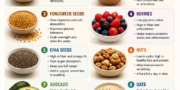
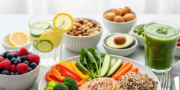
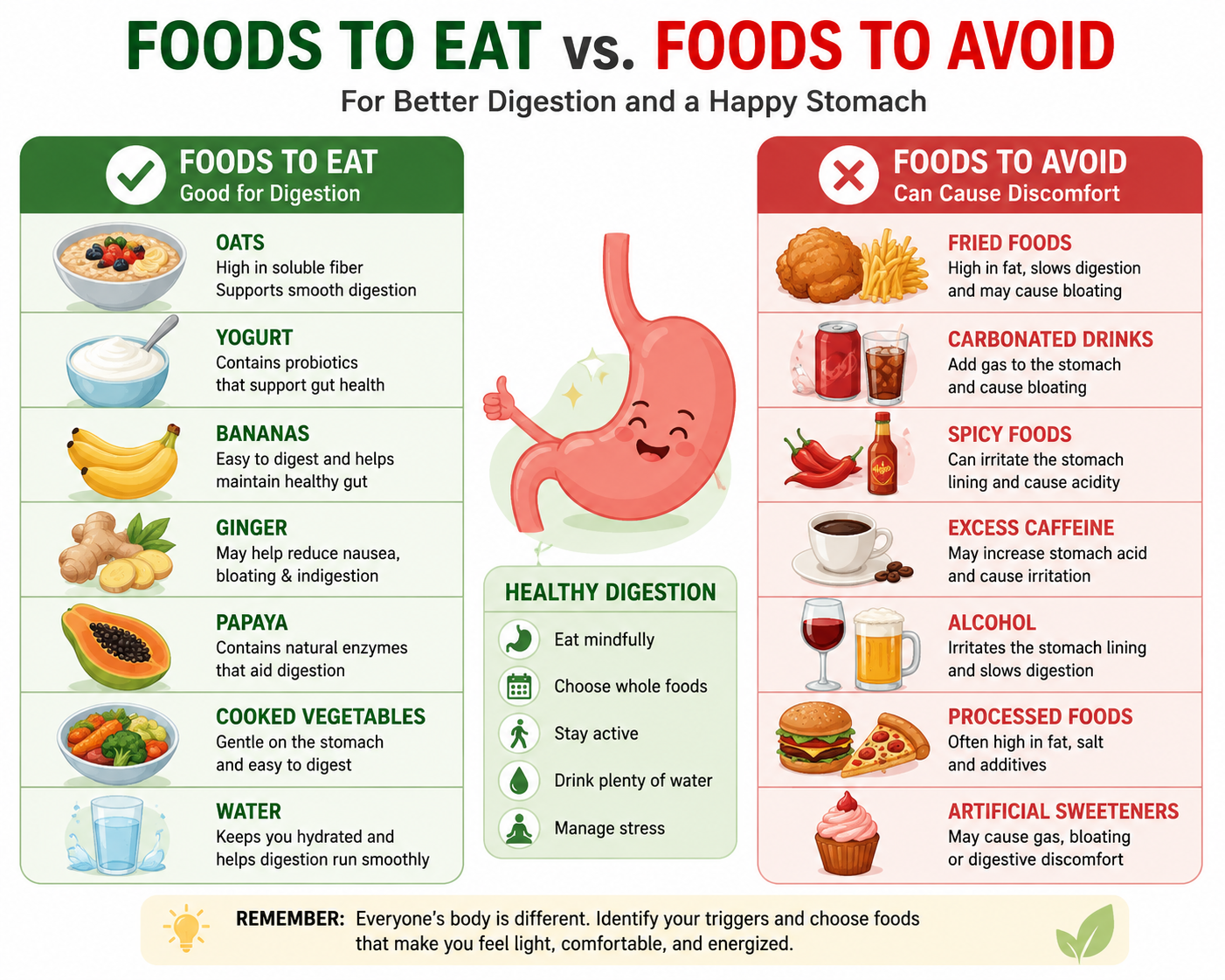
Foods to Eat vs Foods to Avoid for Better Digestion
Daily Habits That Support Healthy Digestion
Healthy digestion depends on more than just the foods you eat. Your daily routine also plays an important role.
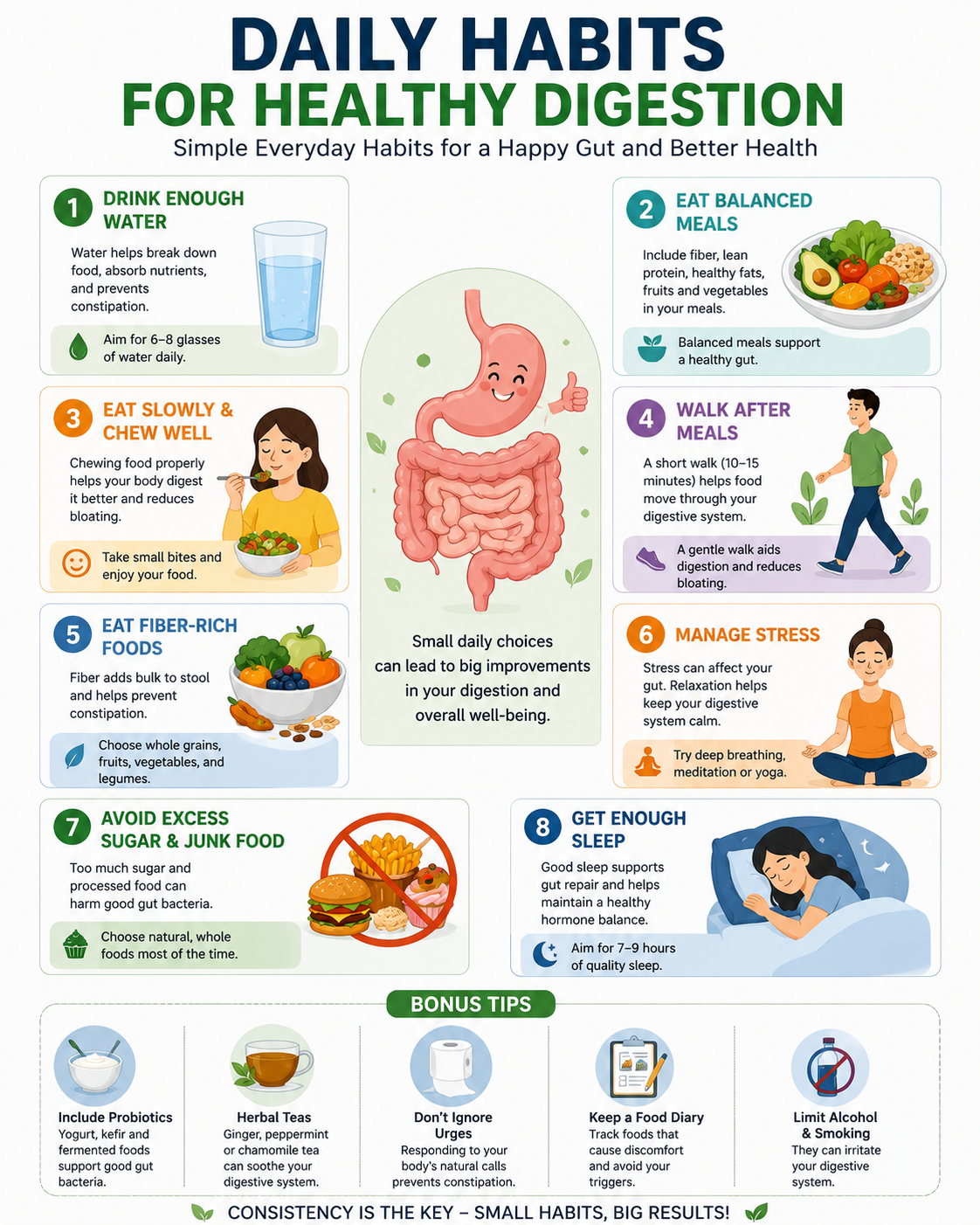
| Healthy Habit | How It Helps |
| Drink enough water | Supports digestion and healthy bowel movements. |
| Eat smaller meals | Reduces pressure on the stomach. |
| Walk after meals | Encourages normal movement through the digestive tract. |
| Eat slowly | Reduces swallowed air. |
| Get regular exercise | Supports overall digestive health. |
| Manage stress | May reduce digestive discomfort linked to the gut-brain connection. |
| Get 7–9 hours of sleep | Supports many body systems, including digestion. |
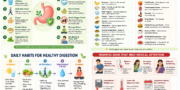
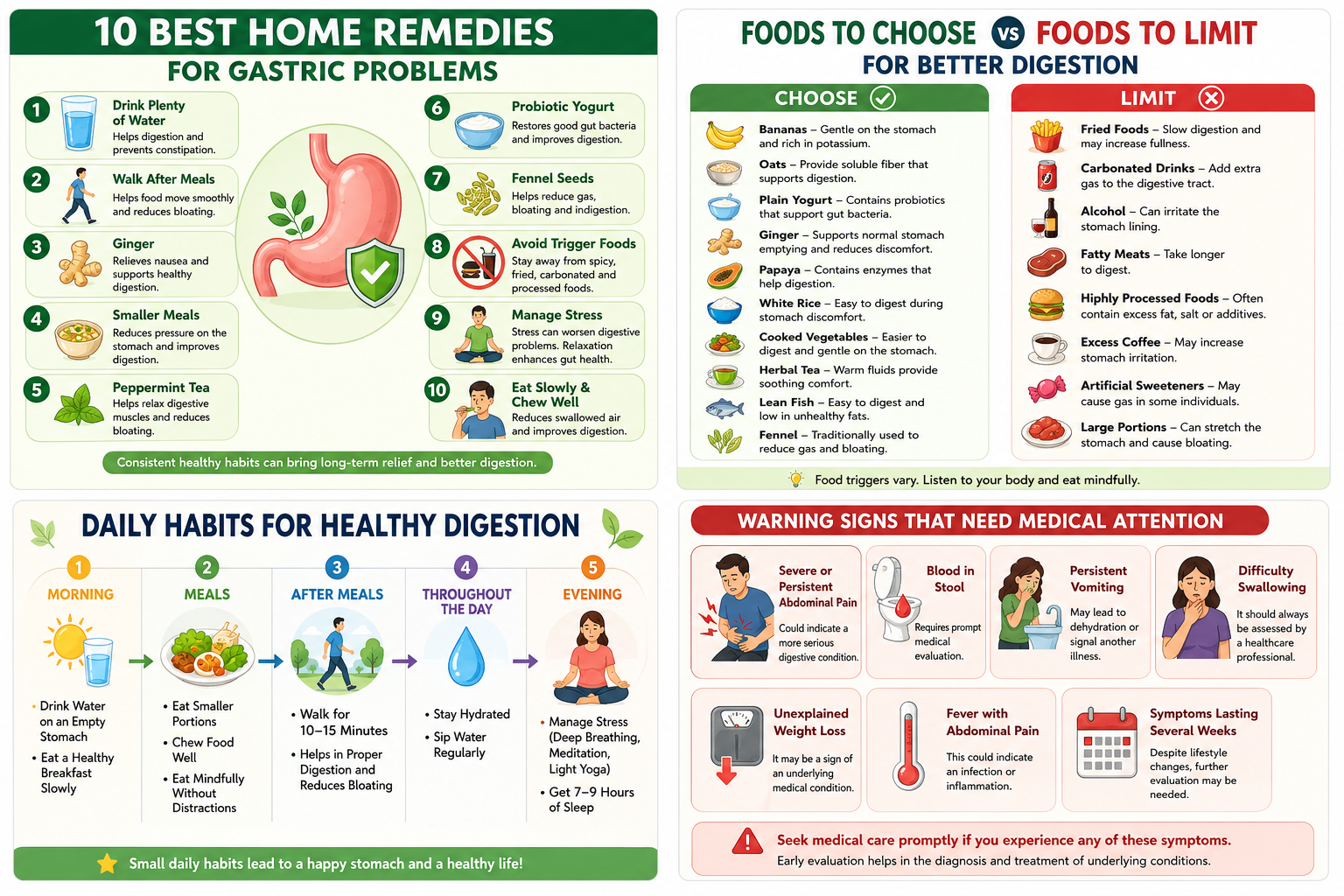
Daily Habits for Healthy Digestion
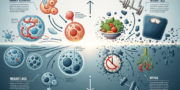
There is no quick fix for good digestion, just consistent daily habits. The infographic below illustrates simple daily behaviors that can support healthy digestion and help relieve occasional gas, bloating, and indigestion.
Common Mistakes That Can Make Gastric Problems Worse
Many everyday habits can worsen digestive symptoms.
| Common Mistake | Better Choice |
| Eating too quickly | Slow down and chew thoroughly. |
| Drinking soda with meals | Choose water or herbal tea. |
| Overeating | Eat moderate portions. |
| Lying down immediately after eating | Stay upright or take a short walk. |
| Ignoring food triggers | Keep a food diary. |
| Eating late at night | Finish meals at least 2–3 hours before bedtime. |
| Skipping water | Stay hydrated throughout the day. |
Myth vs. Fact
| Myth | Fact |
| Gas always means something serious. | Occasional gas is common and often related to diet or eating habits. |
| Drinking soda helps digestion. | Carbonated drinks may increase bloating in many people. |
| Everyone should avoid dairy. | Only people with lactose intolerance or sensitivity need to limit dairy. |
| Herbal remedies are always safe. | Natural products can still interact with medications or cause side effects. |
| Bloating is always caused by overeating. | Stress, constipation, food intolerances, and digestive conditions can also contribute. |
Pro Tips for Improved Digestive Health
- Eat meals at regular intervals daily.
- Get at least 30 minutes of physical activity most days of the week.
- Sip water all day long and don’t wait until you become thirsty.
- Increase fiber intake slowly to prevent gas from intensifying.
- Don’t stick to unnecessary restrictive diets, but pay attention to how your body reacts to different foods.
7-Day Digestive Health Action Plan
| Day | Focus |
| Monday | Drink enough water and eat slowly. |
| Tuesday | Add one serving of probiotic-rich food. |
| Wednesday | Walk for 15 minutes after dinner. |
| Thursday | Replace sugary drinks with water or herbal tea. |
| Friday | Keep a food diary to identify triggers. |
| Saturday | Practice stress management for 10 minutes. |
| Sunday | Plan balanced meals for the upcoming week. |
Small, consistent changes are often easier to maintain than making many changes all at once.
Which Home Remedy Works Best for Different Symptoms?
| Symptom | May Help |
|---|---|
| Gas | Walking, fennel |
| Bloating | Peppermint, smaller meals |
| Indigestion | Ginger, smaller meals |
| Constipation | Water, fiber, walking |
When Should You See a Doctor
Occasional gas and bloating are usually nothing to be concerned about. But symptoms like these could also be signs of something more serious that needs medical attention.
Seek medical care if you experience:
| Warning Sign | Why It Matters |
| Severe or persistent abdominal pain | Could indicate a more serious digestive condition. |
| Blood in the stool | Requires prompt medical evaluation. |
| Persistent vomiting | May lead to dehydration or signal another illness. |
| Difficulty swallowing | It should always be assessed by a healthcare professional. |
| Unexplained weight loss | It may be a sign of an underlying medical condition. |
| Fever with abdominal pain | Fever with abdominal pain could indicate an infection or inflammation. |
| Symptoms lasting several weeks despite lifestyle changes | Further evaluation may be needed to determine the cause. |
Early evaluation can help identify conditions such as gastritis, peptic ulcers, irritable bowel syndrome (IBS), gastroesophageal reflux disease (GERD), food intolerances, or other digestive disorders.
Sources and References
- Mayo Clinic – Indigestion: Symptoms and Causes
Explains the causes, symptoms, risk factors, and lifestyle changes for indigestion. - Mayo Clinic – Indigestion: Diagnosis and Treatment
Covers diagnosis, treatment options, lifestyle recommendations, and when to seek medical care. - National Institute of Diabetes and Digestive and Kidney Diseases (NIDDK) – Indigestion (Dyspepsia)
Provides evidence-based information on symptoms, causes, diagnosis, treatment, and nutrition for indigestion. - NIDDK – Eating, Diet & Nutrition for Indigestion
Offers practical dietary advice, foods to choose or avoid, and nutrition guidance for managing indigestion. - NIDDK – Gastritis & Gastropathy
This section explains gastritis, including its causes, symptoms, diagnosis, treatment, and possible complications. - Mayo Clinic – Gastritis: Symptoms and Causes
Reviews common symptoms, risk factors, causes, and when medical evaluation is recommended - Mayo Clinic – Functional Dyspepsia: Symptoms and Causes
Discusses functional dyspepsia, contributing factors, and evidence-based treatment approaches. - Mayo Clinic – Functional Dyspepsia: Diagnosis and Treatment
Describes diagnostic methods, treatment options, and lifestyle measures for persistent indigestion
Medical Review
We have researched reliable organizations like the Mayo Clinic and the National Institute of Diabetes and Digestive and Kidney Diseases (NIDDK) to provide the information on this page. This content is for educational purposes only and not a substitute for professional medical advice. If stomach symptoms persist, are severe, or worsen, consult a healthcare professional.
Medical Disclaimer
Home remedies can help relieve minor digestive problems, but they cannot replace expert medical diagnosis or treatment. If you have serious, persistent, or worsening symptoms, seek immediate medical attention from a trained healthcare expert.
Conclusion
Occasional gas, bloating, and indigestion are typical and, often, can be managed with simple lifestyle changes. Finally, eating balanced meals, chewing your food properly, drinking water, decreasing stress, and being active all support healthy digestion. Natural digestive remedies like ginger, probiotics, fennel, and peppermint tea may also help some people when used properly.
The best home remedies for gastric problems are those that can be included in your everyday routine and that treat the root cause of your symptoms, rather than just masking them temporarily. Knowing your own eating patterns and understanding personal food triggers may help prevent digestive discomfort from returning.
But contact a doctor immediately if your symptoms are severe or frequent, or if you have warning signals like abdominal discomfort that won’t go away, blood in your stool, unexplained weight loss, or regular vomiting. Getting an early assessment will help diagnose any underlying digestive issues and ensure you get the proper treatment.
When it comes to long-term digestive wellness, it’s frequently the small, persistent healthy habits that make the most difference. Small modifications and listening to your body can help you take positive steps toward a healthier digestive system and overall well-being.
Frequently Asked Questions
1. What are the best home remedies for gastric problems?
Some of the best home remedies for indigestion include drinking plenty of water, eating smaller meals, taking short walks after eating, drinking ginger or peppermint tea, eating probiotic-rich yogurt, and avoiding items that cause gas or bloating. They can help settle a slight upset stomach, but if you have ongoing or serious symptoms, you should see a doctor.
2. What meals should I take if I have stomach problems?
Eat easy-to-digest foods such as bananas, plain yogurt with living cultures, oats, white rice, cooked vegetables, and lean proteins. Drinking water and smaller meals may also help relieve symptoms.
3. Which meals should I stay away from if I experience regular gas and bloating?
If you frequently get gas and bloating, try to stay away from fried foods, fatty foods, soft drinks, too much coffee, alcohol, processed foods, and huge portions. You may be able to determine your trigger foods by keeping a food diary.
4. Can stress make your stomach upset?
Sure. Stress can cause your brain and gut to communicate in different ways, sometimes slowing things down or making your stomach more sensitive. Regular physical activity, deep breathing, meditation, or appropriate sleep can help manage tension and thus aid intestinal comfort.
5. When should you visit a doctor for a stomach ache?
Seek emergency room care or call 911 if you experience severe or persistent abdominal pain, blood in your stool, persistent vomiting, difficulty swallowing, unexplained weight loss, fever with abdominal pain, or symptoms that do not improve with lifestyle changes.
6. Home remedies for an upset stomach. Do they really work, though?
Home remedies can alleviate infrequent, moderate digestive upset and promote healthy digestion, but they are not a solution for the underlying conditions of chronic stomach trouble. If symptoms occur frequently or on a chronic basis, seek the advice of a competent health care professional for diagnosis and proper treatment.
.
Related Articles
- 4 Main Types Of Anxiety Disorders
- 22 Natural Remedies for Anxiety: What Really Works?
- 6 Natural Foods to Improve Gut Health: A Comprehensive Guide
- 5 Eye Problems Natural Remedies
- Home









[…] Home Remedies for Gastric Problems: 10 Natural Ways to Relieve Gas, Bloating, and Indigestion […]
[…] Home Remedies for Gastric Problems: 10 Natural Ways to Relieve Gas, Bloating, and Indigestion […]