
































































































































































10 Simple Habits for Kidney Health: Evidence-Based Tips for Everyday Life
Author: RVLNSV PRASAD
Updated On: October 2026
About Us
Author Bio
Editorial Policy
Contact Us
Medical Review: This article has not been independently reviewed by a qualified healthcare professional.

Author’s Note
Some people rarely consider their kidneys until a health problem appears. That is understandable because the kidneys perform essential functions every day, often without us noticing.
They help filter waste from the blood, remove excess fluid, and maintain a healthy balance of water and minerals. The National Institute of Diabetes and Digestive and Kidney Diseases (NIDDK) explains how these functions support the body’s normal processes.
I’ve been studying healthy aging and lifestyle habits, and I’ve found that much of the discussion around kidney health focuses on treatment rather than prevention. However, learning about risk factors and taking appropriate preventive steps can be valuable. The National Kidney Foundation’s kidney-health guidance highlights the importance of managing blood pressure, controlling blood sugar, eating a balanced diet, staying active, and getting appropriate health checks.
In reality, everyday choices can help support long-term health and may reduce exposure to some risk factors for kidney disease. This article covers practical ways to support healthy kidneys through realistic lifestyle choices.
Introduction
Simple habits for kidney health may be easier to follow than elaborate diet plans or rigid wellness programs. Many healthy kidney habits can fit naturally into an everyday routine.
Kidney health is influenced by several factors, including age, genetics, blood pressure, diabetes, and lifestyle. Although some risk factors cannot be changed, the National Institute of Diabetes and Digestive and Kidney Diseases (NIDDK) explains that managing blood pressure and blood glucose, eating healthfully, and staying physically active can help reduce the risk of chronic kidney disease.
Everyday behaviors such as drinking enough water, choosing nutritious foods, staying active, getting sufficient sleep, and managing blood pressure can contribute to overall health. However, drinking excessive amounts of water does not guarantee kidney protection, and people with certain kidney or heart conditions may need individualized fluid guidance.
I became interested in this topic through my studies on healthy aging habits. One pattern kept appearing: sustainable lifestyle changes are often easier to maintain when they become part of a regular routine rather than demanding major changes all at once.
Staying active, choosing balanced meals, and attending appropriate health checkups are practical starting points. The National Kidney Foundation’s kidney-health guidance also highlights the importance of managing health risks and following preventive habits.
The encouraging news is that many kidney-friendly habits fit naturally into everyday life. You do not need expensive supplements to begin making healthier choices.

You do not need extreme diets. Small adjustments often provide greater long-term value than short periods of intense effort.
Main Takeaways
- The kidneys help remove waste and regulate fluid balance.
- Every day you make choices that may influence your kidneys’ health over time.
- Staying hydrated is one of the most important lifestyle habits for overall health.
- Controlling blood sugar and blood pressure is also important for overall well-being.
- Physical activity supports overall health, and kidney health is part of that picture.
- Small everyday habits are usually easier to maintain than rigid routines.
- Taking action today to avoid a problem can be good for your long-term health.
- Regular health checkups are important because potential problems can often be detected early.
What do the kidneys do?
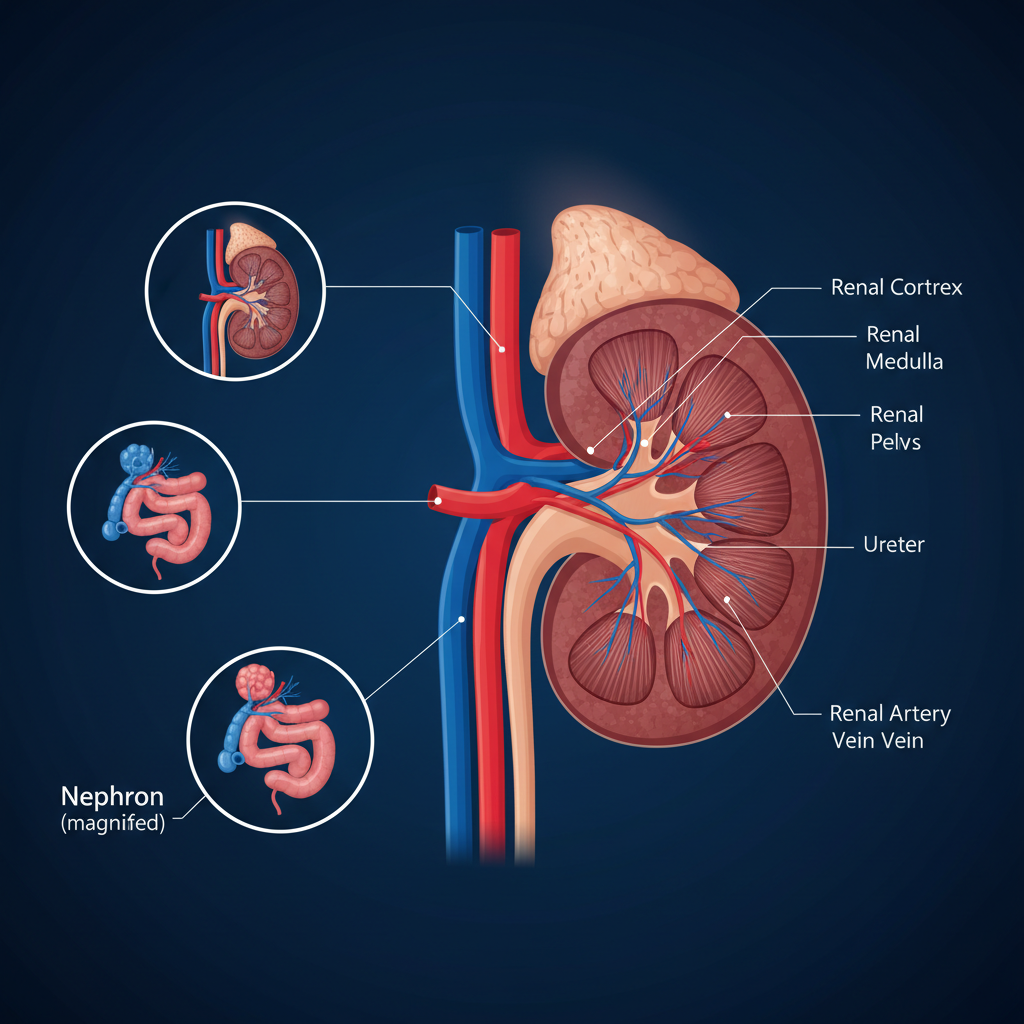
The kidneys are two bean-shaped organs located near the middle of your back, just below the rib cage. Although relatively small, they perform several essential functions that help keep your body healthy.
According to the National Institute of Diabetes and Digestive and Kidney Diseases (NIDDK), healthy kidneys perform several important jobs:
- Filter waste products: Remove waste and excess fluid from the blood.
- Regulate fluid balance: Help maintain the body’s appropriate water levels.
- Balance minerals: Regulate minerals such as sodium, potassium, and calcium.
- Help control blood pressure: Release hormones and regulate salt and fluid balance in ways that influence blood pressure.
- Support red blood cell production: Produce a hormone called erythropoietin, which signals the bone marrow to make red blood cells.
Healthy kidneys work continuously, even when you are sleeping. Most people do not notice these processes because they happen automatically.
However, kidney disease can develop gradually, and early chronic kidney disease may not cause noticeable symptoms. The NIDDK’s guide to chronic kidney disease explains why awareness of risk factors and appropriate medical testing are important. Managing blood pressure and blood sugar, particularly for people with diabetes or hypertension, can help reduce the risk of kidney damage.
Why Daily Habits Matter for Kidney Health
Many chronic health conditions develop gradually. The same is true of several factors that influence kidney health. Although one unhealthy meal or a missed workout is unlikely to determine your long-term kidney health, patterns of behavior over time can affect important risk factors.
The National Institute of Diabetes and Digestive and Kidney Diseases (NIDDK) explains that managing blood pressure and blood glucose, staying physically active, and following healthy eating habits can help reduce the risk of chronic kidney disease.
Important risk factors and behaviors include:
- High blood pressure: Persistent hypertension can damage the blood vessels in the kidneys.
- Poor blood sugar control: Diabetes can damage the kidneys over time.
- Excess body weight: Higher body weight can increase the risk of conditions such as diabetes and high blood pressure, which are associated with kidney disease.
- Smoking: Smoking can damage blood vessels and contribute to cardiovascular problems that affect kidney health.
- Inadequate fluid intake: Dehydration can affect normal body function, although drinking extra water does not guarantee protection against chronic kidney disease.
The National Kidney Foundation’s kidney disease prevention guidance also emphasizes managing blood pressure and blood sugar, eating healthfully, exercising, and avoiding smoking.
The goal is not perfection. It is to build sustainable habits that support overall health and help manage preventable risk factors.
Many healthy kidney habits are surprisingly simple:
- Drink enough water to meet your individual needs.
- Move regularly throughout the day.
- Eat a balanced diet with more minimally processed foods.
- Maintain a consistent sleep routine.
- Attend appropriate health screenings, especially if you have diabetes, high blood pressure, or other kidney disease risk factors.
These habits cannot eliminate every cause of kidney disease, but consistently following them can support long-term health. For people at increased risk, regular medical care and appropriate kidney function tests are also important.
Research-Backed Benefits of Healthy Kidney Habits
1. May Help Maintain a Healthy Fluid Balance
The kidneys regulate the body’s fluid balance by filtering the blood and adjusting how much water is removed through urine. Drinking enough fluids helps maintain normal body functions, although individual fluid needs vary.
According to the National Institute of Diabetes and Digestive and Kidney Diseases (NIDDK), the kidneys remove extra fluid and waste from the blood.
Key benefit: Supports normal hydration and fluid balance. Drinking excessive amounts of water does not guarantee better kidney health.
2. May Support Healthy Blood Pressure
Blood pressure and kidney health are closely connected. High blood pressure can damage the kidneys’ blood vessels, while kidney disease can also contribute to high blood pressure.
The National Kidney Foundation’s kidney disease prevention guidance highlights the importance of managing blood pressure to help protect kidney health.
Practical benefit: Healthy eating, regular physical activity, and appropriate blood pressure management can support cardiovascular and kidney health.
3. Supports Healthy Blood Sugar Management
Persistently high blood glucose can damage the kidneys over time, particularly in people with diabetes. Healthy eating, regular physical activity, and following an appropriate diabetes treatment plan can help manage blood sugar levels.
The NIDDK’s guide to diabetic kidney disease explains the relationship between diabetes and kidney damage.
Functional benefit: Managing blood sugar can help reduce the risk of diabetes-related kidney complications.
4. Supports Healthy Aging
Kidney function may change with age, although the rate of change varies among individuals. Managing conditions such as diabetes and high blood pressure can be particularly important for maintaining kidney health over time.
The NIDDK’s chronic kidney disease prevention guidance outlines practical ways to reduce risk factors for kidney disease.
Why it helps: Maintaining overall health may support physical function and quality of life as you age.
5. Encourages Healthier Food Choices
A balanced diet can support blood pressure, blood sugar, and cardiovascular health, which are relevant to kidney health. For many people, practical steps include eating more vegetables and fruits, choosing whole grains, and reducing excessive sodium intake.
The National Kidney Foundation’s nutrition guidance discusses healthy eating and kidney health.
Examples include:
- Eating a variety of vegetables and fruits.
- Choosing minimally processed foods more often.
- Limiting excessive sodium from packaged and restaurant foods.
- Following individualized dietary advice if you have diagnosed kidney disease.
Practical advantage: A balanced dietary pattern supports overall health. People with advanced kidney disease may need specific dietary adjustments, so a general kidney-friendly diet is not suitable for everyone.
6. May Reduce Exposure to Certain Risk Factors
Smoking, physical inactivity, and excessive sodium intake can contribute to health problems that affect kidney health, including cardiovascular disease and high blood pressure.
The Centers for Disease Control and Prevention (CDC) provides guidance on chronic kidney disease risk factors and prevention.
Why it matters: Avoiding smoking, staying active, and managing sodium intake can help support overall health and reduce some risk factors associated with kidney disease.
7. Encourages Preventive Health Checks
People who pay attention to their health indicators may be better prepared to discuss potential problems with a healthcare professional. Blood pressure and blood sugar monitoring are particularly relevant for people at increased risk of kidney disease.
The NIDDK’s chronic kidney disease overview explains that kidney disease may develop without obvious symptoms in its early stages.
Important health indicators include:
- Blood pressure.
- Blood glucose, when appropriate.
- Kidney function and urine tests when recommended by a healthcare professional.
Practical advantage: Appropriate screening can help identify kidney problems earlier, particularly in people with diabetes, high blood pressure, or other risk factors.
What Does Research Say?
Research from major health organizations emphasizes the importance of preventing and managing risk factors associated with kidney disease.
According to the National Institute of Diabetes and Digestive and Kidney Diseases (NIDDK), managing blood pressure and blood glucose, staying physically active, and following healthy eating habits can help reduce the risk of chronic kidney disease.
The National Center for Biotechnology Information (NCBI) provides access to scientific literature on kidney health and related medical research. Research findings vary by topic, so individual studies should be interpreted according to their methods and results.
The National Kidney Foundation recommends practical steps such as controlling blood pressure, managing blood sugar, maintaining physical activity, and choosing a balanced diet to support kidney health.
The Mayo Clinic’s chronic kidney disease overview explains the causes and risk factors associated with kidney disease. The Harvard T.H. Chan School of Public Health’s Healthy Eating Plate offers general guidance on balanced food choices that can support overall health.
Taken together, these sources support a practical approach to kidney health: manage known risk factors, maintain sustainable lifestyle habits, and seek appropriate medical screening when needed. However, no single habit guarantees protection against kidney disease, and people who already have kidney problems may need individualized dietary and fluid advice.
10 Simple Habits for Kidney Health
1. Create a Consistent Hydration Routine

Many people wait until they feel thirsty before drinking water. However, thirst may be a less reliable indicator of hydration for some older adults and people with certain health conditions.
The National Institute on Aging (NIA) provides guidance on choosing healthy beverages and maintaining adequate fluid intake as you age.
Rather than following a rigid drinking schedule, make water readily available and drink regularly throughout the day according to your needs. Fluid requirements vary with activity, climate, age, and medical conditions. People with advanced kidney disease or certain heart conditions may need to follow a clinician’s fluid recommendations.
Beginner’s Action Step
Try drinking water:
- After waking up, if you feel thirsty.
- With meals.
- After exercise, to replace fluids lost through sweating.
- During work breaks, especially in hot weather.
Practical Advantage
Adequate fluid intake helps maintain normal body functions and fluid balance. However, drinking extra water does not guarantee protection against chronic kidney disease. The National Institute of Diabetes and Digestive and Kidney Diseases (NIDDK) explains how the kidneys regulate fluid levels and remove waste from the body.
2. Pay Attention to Hidden Sodium Sources
Many people associate salt with the salt shaker, but packaged and restaurant foods can also contribute substantial amounts of sodium. Consuming too much sodium can raise blood pressure, which is an important risk factor for kidney disease.
The National Kidney Foundation’s guidance on sodium and kidney health explains why limiting excess sodium is important, particularly for people with high blood pressure or kidney disease.
Common sources of sodium include:
- Instant noodles and packaged soups
- Processed meats, such as sausages and bacon
- Fast food and restaurant meals
- Salty packaged snacks
- Some frozen and ready-to-eat meals
Beginner Action Step
Check the nutrition labels on packaged foods and compare sodium amounts between similar products. Choose lower-sodium options when available, and use herbs, spices, lemon, or garlic to add flavor without relying heavily on salt.
The U.S. Food and Drug Administration (FDA) provides practical advice on identifying sodium on food labels and reducing sodium intake.
Practical Benefit
Reducing excess sodium can help support healthy blood pressure, which is important for protecting kidney health. The National Institute of Diabetes and Digestive and Kidney Diseases (NIDDK) also recommends managing blood pressure as part of reducing the risk of chronic kidney disease.
3. Build Meals Around Whole Foods More Often

Many kidney-friendly lifestyle habits begin in the kitchen. Choosing a balanced variety of minimally processed foods can help improve overall diet quality and support healthy blood pressure and blood sugar levels.
The National Kidney Foundation’s healthy eating guidance explains the importance of nutritious food choices for kidney health. The NIDDK’s chronic kidney disease prevention guidance also highlights healthy eating as part of reducing kidney disease risk.
Examples of nutritious foods include:
- Fruits
- Vegetables
- Beans and lentils
- Whole grains
- Fish
- Unsalted nuts
The best food choices can vary depending on your health. People with advanced kidney disease may need to adjust their intake of potassium, phosphorus, sodium, or protein with guidance from a healthcare professional or registered dietitian.
Beginner Action Step
Add one extra serving of vegetables to a meal each day. You could include leafy greens with lunch, add vegetables to a curry, or mix them into a familiar dish. Small changes can make a balanced eating pattern easier to maintain.
Practical Benefit
Choosing a variety of nutritious foods can support overall dietary quality and help manage risk factors associated with kidney disease. For many people, this is one of the simplest kidney-health habits to build into everyday life.
4. Walk More During the Day

Some people believe exercise must be intense to provide health benefits. However, regular walking is a simple way to increase physical activity and support overall health.
The Centers for Disease Control and Prevention (CDC) explains that regular physical activity can support heart health, help manage blood pressure, and improve overall well-being. These benefits are relevant to kidney health because high blood pressure is a major risk factor for chronic kidney disease.
Walking can also fit easily into an everyday routine. Learn more about the health benefits of daily walking and how to build a consistent habit.
Beginner Action Step
- Start with a comfortable 10–15-minute walk daily, if suitable for your fitness level.
- Increase the duration gradually as your stamina improves.
- Choose a pace that allows you to breathe comfortably.
Key Benefit
Regular walking supports cardiovascular health, physical fitness, and healthy aging. Although walking alone cannot guarantee protection against kidney disease, it can be part of a lifestyle that helps manage important health risk factors.
5. Safeguard Sleep as if it Were an Important Meeting
Sleep is often overlooked compared with nutrition and exercise, but getting enough quality sleep is an important part of overall health. Poor sleep can affect several aspects of physical and mental well-being.
The Centers for Disease Control and Prevention (CDC) explains why sufficient sleep is important for health. Maintaining a regular sleep schedule can also help establish a more consistent sleep routine.
Beginner Action Step
- Create a relaxing nighttime routine.
- Try to go to bed and wake up at similar times each day.
- Reduce stimulating activities before bedtime.
- Make your bedroom comfortable, quiet, and dark.
For more practical advice, read our guide to simple habits for better sleep at night.
Practical Advantage
Consistent, quality sleep supports overall health, daily functioning, and recovery. Although sleep is important for general well-being, it should not be described as a proven way to prevent kidney disease on its own.
6. Monitor Blood Pressure Regularly

Many people have high blood pressure without noticeable symptoms. Regular checks can help identify elevated readings and allow you to discuss appropriate next steps with a healthcare professional.
Blood pressure management is particularly important for kidney health because persistently high blood pressure can damage the blood vessels in the kidneys. The National Institute of Diabetes and Digestive and Kidney Diseases (NIDDK) explains why managing blood pressure can help reduce the risk of chronic kidney disease.
For practical lifestyle advice, read our guide to 12 ways to help lower blood pressure.
Getting Started
Discuss how often you should check your blood pressure with your healthcare provider, particularly if you have diabetes, kidney disease, or a history of high blood pressure.
Practical Benefit
Regular monitoring can help identify elevated blood pressure early and support timely medical assessment.
7. Be Active During Long Workdays
Office and remote workers may spend much of the day sitting without realizing how little they move. Breaking up long periods of sitting is a practical way to increase daily physical activity.
The Centers for Disease Control and Prevention (CDC) explains that regular physical activity supports cardiovascular health and overall well-being. These benefits are relevant to kidney health because high blood pressure and other cardiovascular risk factors are associated with chronic kidney disease.
Beginner Action Step
- Stand up and move around regularly during the workday.
- Walk while taking phone calls when it is practical and safe.
- Take short movement breaks between tasks.
- Consider a brief walk during lunch or after work.
Potential Benefit
Regular movement helps increase physical activity and supports cardiovascular health. Although taking breaks from sitting is beneficial, it should be considered part of an overall healthy lifestyle rather than a standalone method of preventing kidney disease.
8. Be Careful With Frequent Pain Reliever Use
Some pain-relieving medicines can affect kidney function, particularly when used frequently, at high doses, or by people with certain health conditions. Nonsteroidal anti-inflammatory drugs (NSAIDs), such as ibuprofen and naproxen, can reduce blood flow to the kidneys and may increase the risk of kidney problems in susceptible people.
The National Kidney Foundation explains how pain medicines can affect the kidneys.
Beginner Tip
- Follow the medicine label and your healthcare professional’s instructions.
- Do not exceed the recommended dose.
- If you regularly use pain relievers or have kidney disease, high blood pressure, or diabetes, ask a healthcare professional or pharmacist which options are appropriate.
For related information, read our guide to healthy daily habits for managing chronic pain.
Practical Benefit
Using medicines appropriately can help reduce avoidable risks to kidney health. Do not stop a prescribed medicine without consulting your healthcare professional.
9. Keep Track of Your Blood Sugar
Blood sugar and kidney health are closely connected. Persistently high blood glucose can damage the kidneys over time, particularly in people with diabetes.
The National Institute of Diabetes and Digestive and Kidney Diseases (NIDDK) explains how diabetes can cause kidney damage and why managing blood glucose and blood pressure is important.
Beginner Tip
- Choose fiber-rich foods, such as vegetables, beans, lentils, and whole grains.
- Limit sugary drinks and choose water or other suitable unsweetened beverages more often.
- If you have diabetes or prediabetes, follow your healthcare professional’s recommendations for blood sugar monitoring and treatment.
You can also read our guide to a prediabetes diet list and foods to eat.
Functional Benefit
Managing blood sugar can support metabolic health and help reduce the risk of diabetes-related kidney complications.
10. Schedule Preventive Health Screenings
Some health conditions, including early chronic kidney disease, may develop without obvious symptoms. Appropriate screening can be particularly important for people with diabetes, high blood pressure, cardiovascular disease, or other kidney disease risk factors.
The NIDDK’s chronic kidney disease prevention guidance explains why managing risk factors and discussing appropriate testing with a healthcare professional matter.
How to Get Started
- Attend routine health appointments.
- Ask whether you need blood pressure or blood sugar checks.
- If you are at increased risk of kidney disease, ask whether a blood test for estimated glomerular filtration rate (eGFR) and a urine albumin test are appropriate.
Primary Benefit
Appropriate screening can help identify kidney problems earlier and support timely medical care. Not everyone needs the same tests or screening schedule, so discuss your individual risk factors with your healthcare professional.
Everyday Habits That May Affect Kidney Health
Some everyday behaviors can influence kidney health indirectly by affecting blood pressure, blood sugar, hydration, or overall diet quality. The evidence is stronger for established risk factors such as diabetes and high blood pressure than for some commonly repeated lifestyle claims.
Frequently Replacing Water With Sugary Drinks
Soft drinks, sweetened coffees, and energy drinks can become regular parts of a person’s diet. Choosing water or unsweetened drinks more often can reduce added sugar intake and support a healthier dietary pattern.
The CDC’s guidance on added sugars explains why limiting added sugar is an important part of healthy eating.
However, sugary drinks should not be described as a direct cause of kidney disease in every person. Their effects depend on overall diet, quantity, and other health factors.
Ignoring Bathroom Breaks
Busy schedules sometimes lead people to delay bathroom visits. Responding to normal bodily signals when practical is a reasonable everyday habit, but there is limited evidence that occasionally postponing urination directly causes chronic kidney disease.
If you regularly have difficulty urinating, experience pain, notice blood in your urine, or have persistent changes in urination, seek medical advice.
Living on Convenience Foods
Fast food and heavily processed meals can contribute substantial sodium to the diet. Regularly consuming too much sodium can raise blood pressure, which is an established risk factor for kidney disease.
The National Kidney Foundation’s guidance on sodium and kidney health explains why reducing excess sodium can be beneficial.
The concern is not one convenience meal. It is the overall eating pattern repeated over time.
Sleeping Too Little
Many adults sacrifice sleep for work, entertainment, or other commitments. Getting adequate, consistent sleep supports general health, although sleep habits alone should not be presented as a proven method of preventing chronic kidney disease.
The CDC’s sleep guidance explains the importance of sufficient sleep for overall well-being.
Never Checking Important Health Measures
Many people are unaware that their blood pressure or blood sugar is elevated. Because these conditions may not cause noticeable symptoms early on, appropriate checks can be valuable.
The NIDDK’s kidney disease prevention guidance highlights the importance of managing blood pressure and diabetes to help protect kidney health.
Knowing your health numbers does not replace medical care, but it can help you and your healthcare professional identify risks and decide whether further testing is needed.
Signs Your Lifestyle May Be Working Against Kidney Health
Lifestyle factors rarely cause immediate symptoms. Changes often develop gradually.
There are certain warning indicators worth talking to a healthcare expert about:
- Chronic fatigue
- Swelling of hands or feet
- Changes in urination frequency
- Trouble managing blood pressure
- Persistent dehydration
- Frequent reliance on heavily processed foods
These signs do not necessarily indicate kidney disease.
However, a specialist may need to check them.
Simple Habits for Kidney Health: Beginner Progress Table
| Week | Focus Area | Simple Goal |
|---|---|---|
| Week 1 | Hydration | Add one extra glass of water daily |
| Week 2 | Nutrition | Add vegetables to one meal each day |
| Week 3 | Movement | Walk 15 minutes most days |
| Week 4 | Sleep | Create a consistent bedtime |
| Week 5 | Monitoring | Schedule or review routine health checks |
| Week 6 | Consistency | Combine all habits into a weekly routine |
Why This Table Works
People often try to change everything at once. That often leads to frustration.
This approach focuses on one area at a time. Small actions are easier to maintain.
Daily Life Situations These Habits May Help With
Healthy habits are often built through everyday decisions rather than major lifestyle changes. Small adjustments can make it easier to maintain routines that support overall health and help manage risk factors associated with kidney disease.
Examples include:
- Drinking water regularly according to your individual needs during long office sessions.
- Paying attention to persistent changes in energy levels and discussing concerns with a healthcare professional.
- Choosing balanced meals when traveling.
- Comparing sodium levels when eating packaged or restaurant foods.
- Staying active while working remotely.
- Building sustainable health routines after age 40.
- Supporting healthy aging through regular physical activity and appropriate preventive care.
The National Institute of Diabetes and Digestive and Kidney Diseases (NIDDK) explains that managing blood pressure and blood sugar, eating healthfully, and staying active can help reduce the risk of chronic kidney disease.
These everyday situations provide opportunities to build habits that are realistic enough to maintain over time.
When Kidney Symptoms Should Not Be Ignored
Kidney-related symptoms can have several causes, and some require prompt medical assessment. Chronic kidney disease may develop without obvious symptoms in its early stages, so people at increased risk may need testing even when they feel well.
The NIDDK’s information on chronic kidney disease explains why recognizing risk factors and obtaining appropriate medical care are important.
Symptoms and changes that deserve medical attention include:
- Blood in the urine.
- New or worsening swelling in the feet, ankles, legs, or around the eyes.
- Significant or persistent changes in urination.
- Ongoing nausea or vomiting.
- Unexplained or persistent fatigue.
- Blood pressure that remains higher than recommended.
These symptoms do not necessarily mean you have kidney disease. However, blood in the urine should be assessed promptly, and severe symptoms such as difficulty breathing, confusion, or a major reduction in urine output may require urgent medical attention.
If you have concerns about your kidney health, a healthcare professional can assess your symptoms and determine whether blood tests, urine tests, or other investigations are appropriate.
A Practical Lesson Many People Miss
Many people spend years searching for the perfect diet. However, a sustainable eating pattern and realistic daily routine are often more useful than trying to follow a rigid plan that is difficult to maintain.
Healthy habits that support overall kidney health do not have to be complicated. They may include drinking an appropriate amount of water, moving regularly, getting sufficient sleep, attending recommended health screenings, and choosing nutritious foods more often.
The National Kidney Foundation’s kidney-health guidance highlights practical steps such as managing blood pressure, controlling blood sugar, staying active, and following a balanced diet.
The benefits of these habits depend on individual circumstances, and they cannot prevent every case of kidney disease. Still, making gradual changes can help people develop routines that support their overall health.
Building healthy routines often starts with small, repeatable actions. Learn more in our guide to creating healthy habits that last.
Common Mistakes to Avoid
People sometimes focus on major health changes while overlooking smaller decisions that influence their daily routines. Avoiding the following mistakes can make healthy habits easier to maintain.
1. Drinking Most of Your Water Late in the Day
Some people drink very little during the day and then try to make up for it at night. Drinking fluids regularly according to your needs may be more comfortable than leaving most of your intake until bedtime.
Better approach: Keep water accessible and drink throughout the day when needed. Fluid requirements vary, and people with certain kidney or heart conditions may need specific fluid limits recommended by their healthcare professional. The NIDDK’s explanation of kidney function describes how the kidneys regulate fluid balance.
2. Assuming Healthy-Looking Foods Are Low in Sodium
Some packaged foods marketed as healthy can still contain substantial amounts of sodium. Consuming too much sodium can raise blood pressure, an important risk factor for kidney disease.
Practical approach: Check nutrition labels and compare sodium amounts between similar products. The National Kidney Foundation’s guidance on sodium and kidney health explains why limiting excess sodium can be beneficial.
3. Ignoring Sleep Quality
People often focus on diet and exercise while giving sleep less attention. Sufficient sleep supports general health, although sleep habits alone should not be presented as a proven way to prevent kidney disease.
More effective approach: Maintain a regular sleep schedule and create a relaxing bedtime routine. See the CDC’s sleep guidance for more information about sleep and health.
4. Sitting for Most of the Day
Long periods of sitting can make it difficult to achieve enough physical activity. Regular movement supports cardiovascular health and general well-being.
Practical approach: Take brief movement breaks, walk during suitable work calls, and include regular physical activity in your routine. The CDC’s physical activity guidance explains the broader benefits of being active.
5. Following Extreme Diet Trends
Very restrictive eating plans can be difficult to maintain and may not provide an appropriate balance of nutrients for everyone. People with kidney disease may also have specific nutritional needs that differ from general dietary recommendations.
Helpful strategy: Focus on a balanced, sustainable eating pattern rather than extreme restrictions. If you have diagnosed kidney disease, ask your healthcare professional or registered dietitian whether you need to adjust your intake of sodium, potassium, phosphorus, protein, or fluids.
6. Postponing Preventive Health Screenings
Some kidney problems develop gradually without noticeable symptoms. Waiting until symptoms appear may delay diagnosis, particularly for people with diabetes, high blood pressure, or other risk factors.
Sustainable approach: Attend recommended health appointments and ask whether kidney function testing is appropriate for you. The NIDDK’s chronic kidney disease prevention guidance provides further information about managing risk factors and protecting kidney health.
Expert Insights
Health organizations emphasize prevention as an important part of protecting kidney health. The National Kidney Foundation recommends managing blood pressure, maintaining healthy blood sugar levels, staying physically active, and following a balanced diet to help reduce the risk of kidney disease.
Kidney health is closely connected to cardiovascular and metabolic health. The National Institute of Diabetes and Digestive and Kidney Diseases (NIDDK) explains that managing conditions such as high blood pressure and diabetes can help prevent or slow chronic kidney disease. These measures also support broader health goals.
Research published through the National Center for Biotechnology Information (NCBI) discusses the relationship between lifestyle factors and kidney health. However, the benefits of individual habits can vary depending on a person’s health, existing kidney function, and other risk factors.
The World Health Organization (WHO) recommends a healthy, balanced diet, while its physical activity guidance highlights the importance of regular movement in reducing the risk of chronic diseases.
The overall message is straightforward: small, consistent habits can support kidney health and general well-being. Eating nutritious foods, staying active, monitoring blood pressure and blood sugar, and attending recommended health screenings are practical steps. These habits cannot guarantee that kidney disease will be prevented, but they can help manage important risk factors.
Personal Experience and Practical Lessons
When writing about wellness and healthy aging, it is easy to assume that better health requires complicated diets or expensive supplements. However, many kidney-protective habits are simple, practical, and affordable.
For example, people can choose balanced meals more often, stay physically active, drink fluids according to their needs, and attend recommended medical checkups. The National Kidney Foundation’s kidney disease prevention guidance highlights the importance of healthy eating, regular exercise, and managing conditions such as high blood pressure and diabetes.
Consistency is important because sustainable habits are generally easier to maintain than short-term lifestyle changes. These habits do not guarantee that kidney disease will be prevented, but they can help manage several risk factors associated with poor kidney health.
One practical lesson stands out: you do not need a perfect lifestyle to make healthier choices. Start with realistic habits that fit your daily routine and gradually build on them. If you already have kidney disease, ask your healthcare professional which dietary, fluid, and exercise recommendations are appropriate for your condition.
Frequently Asked Questions
1. What are the best simple habits for kidney health?
Practical habits include eating a balanced diet, limiting excess sodium, staying physically active, managing blood pressure and blood sugar, avoiding smoking, and attending recommended health screenings. The NIDDK kidney disease prevention guide explains how managing these risk factors can help protect kidney health.
2. How much water should I drink a day?
Fluid needs vary with age, activity level, climate, and health conditions. There is no single amount that suits everyone. People with advanced kidney disease, heart failure, or a prescribed fluid restriction may need to limit their intake. Ask a healthcare professional how much fluid is appropriate for you.
3. Can your diet harm your kidneys?
Yes. Eating excessive amounts of sodium and frequently consuming highly processed foods can contribute to health problems such as high blood pressure, which can damage the kidneys over time. A balanced eating pattern that includes vegetables, fruits, whole grains, and other minimally processed foods may support overall health. People with kidney disease may need individualized dietary advice. See the National Kidney Foundation’s healthy eating guidance.
4. Are kidney health guidelines only relevant for older adults?
No. Kidney health matters at every adult age. Managing blood pressure, maintaining healthy blood sugar levels, staying active, and avoiding smoking can help reduce risk factors long before kidney problems develop.
5. Is exercise beneficial for the kidneys?
Regular physical activity supports cardiovascular health, helps manage blood pressure, and can improve blood sugar control. These benefits may help reduce risk factors for kidney disease. Exercise does not guarantee protection, but it is an important part of an overall healthy lifestyle. The WHO physical activity guidance explains the wider health benefits of regular movement.
6. Can dehydration affect the kidneys?
Severe dehydration can reduce blood flow to the kidneys and may cause acute kidney injury. Drinking enough fluid helps maintain normal fluid balance, although individual needs vary. People with certain kidney or heart conditions may need specific fluid guidance from their healthcare team.
7. What foods are beneficial for your kidneys?
Vegetables, fruits, whole grains, beans, and other minimally processed foods can form part of a balanced diet. Suitable portions depend on individual health needs. People with chronic kidney disease may need to adjust their intake of sodium, potassium, phosphorus, protein, or fluids based on their test results and medical advice.
8. Can high blood pressure affect your kidneys?
Yes. High blood pressure can damage the blood vessels in the kidneys, reducing their ability to filter waste effectively. Kidney disease can also contribute to high blood pressure. Regular monitoring and appropriate treatment help manage this two-way relationship. Learn more from the NIDDK’s chronic kidney disease prevention guidance.
9. When should I see a healthcare professional?
Seek medical advice if you notice blood in your urine, persistent swelling, unusual changes in urination, or unexplained fatigue. These symptoms can have several causes and do not necessarily mean you have kidney disease. Blood in the urine should be assessed promptly, while severe symptoms such as difficulty breathing or a major reduction in urine output may require urgent medical attention. People with diabetes, high blood pressure, or other kidney disease risk factors should ask whether kidney function and urine tests are appropriate.
10. Do small kidney health habits add up over time?
Consistent healthy habits can help manage risk factors such as high blood pressure, high blood sugar, and excess body weight. Their effects vary from person to person, and they cannot eliminate every cause of kidney disease. Combining healthy routines with appropriate medical care offers a practical approach to supporting long-term health.
Research Method
This article was prepared using health information from established medical organizations and published scientific literature on kidney function, chronic kidney disease prevention, hydration, nutrition, blood pressure, diabetes, and physical activity.
Sources consulted include:
- National Institute of Diabetes and Digestive and Kidney Diseases (NIDDK)
- National Kidney Foundation (NKF)
- National Center for Biotechnology Information (NCBI)
- Mayo Clinic
- Harvard T.H. Chan School of Public Health – Nutrition Source
- Cleveland Clinic
- World Health Organization (WHO)
The article emphasizes practical prevention guidance and established health recommendations. Individual needs can differ, especially for people with diagnosed kidney disease or other chronic conditions, so general lifestyle advice should not replace personalized medical care.
Medical review note: This article has not been independently reviewed by a qualified healthcare professional.
Conclusion
These simple habits for kidney health are practical, affordable, and easy to incorporate into everyday life. You do not need to change everything at once to make healthier choices.
Staying adequately hydrated, eating more whole foods, staying physically active, getting enough sleep, and monitoring important health markers such as blood pressure and blood sugar may help support kidney health. The National Kidney Foundation and NIDDK emphasize the importance of healthy lifestyle choices and managing kidney disease risk factors.
The goal is not perfection. It is consistency.
Start with one or two realistic changes and build on them gradually. Over time, these habits can become part of a healthier routine. Remember that lifestyle changes cannot prevent every kidney problem, and people with existing kidney disease may need personalized guidance about food, fluids, and exercise.
Author Bio
RVLNSV Prasad is a wellness writer and independent health researcher whose content focuses on nutrition, physical activity, healthy aging, and evidence-informed lifestyle habits.
His articles draw on information from established health organizations and scientific resources, including the National Institutes of Health (NIH), National Center for Biotechnology Information (NCBI), Mayo Clinic, Harvard T.H. Chan School of Public Health, Cleveland Clinic, and the World Health Organization (WHO).
His goal is to make health information easier to understand and help readers make informed decisions about everyday lifestyle choices.
Medical Disclaimer
This article is intended for educational and informational purposes only. It does not replace professional medical advice, diagnosis, or treatment.
Consult a qualified healthcare professional before making significant changes to your diet or exercise routine, particularly if you have kidney disease or another chronic health condition. Speak with your doctor or pharmacist before starting supplements or medicines, as some products can affect kidney function or interact with prescribed treatments.
Health needs and treatment recommendations vary from person to person. The information in this article cannot guarantee a particular health outcome.
Never disregard professional medical advice or delay seeking it because of something you have read in this article.
Related Posts
Polycystic Kidney Disease Diagnosis Treatment
8 Metabolic Mastery: Unlocking the Secrets to Sustainable Weight Loss
Best Ways to Treat Kidney Stones
12 Best Ways To Lower Blood Pressure
Tips for Building Healthy Habits and Sticking to Them











[…] 10 Simple Habits for Kidney Health: A Beginner’s Guide to Supporting Healthy Kidneys Naturally […]
[…] 10 Simple Habits for Kidney Health: A Beginner’s Guide to Supporting Healthy Kidneys Naturally […]
[…] 10 Simple Habits for Kidney Health: A Beginner’s Guide to Supporting Healthy Kidneys Naturally […]
[…] 10 Simple Habits for Kidney Health: A Beginner’s Guide to Supporting Healthy Kidneys Naturally […]
[…] 10 Simple Habits for Kidney Health: A Beginner’s Guide to Supporting Healthy Kidneys Naturally […]