



























































































































































5 Extremely Rare Diseases: Symptoms, Causes, Diagnosis and Treatment
Author: RVLNSV PRASAD
Updated On: September 2026
About Us
Author Bio
Editorial Policy
Contact Us
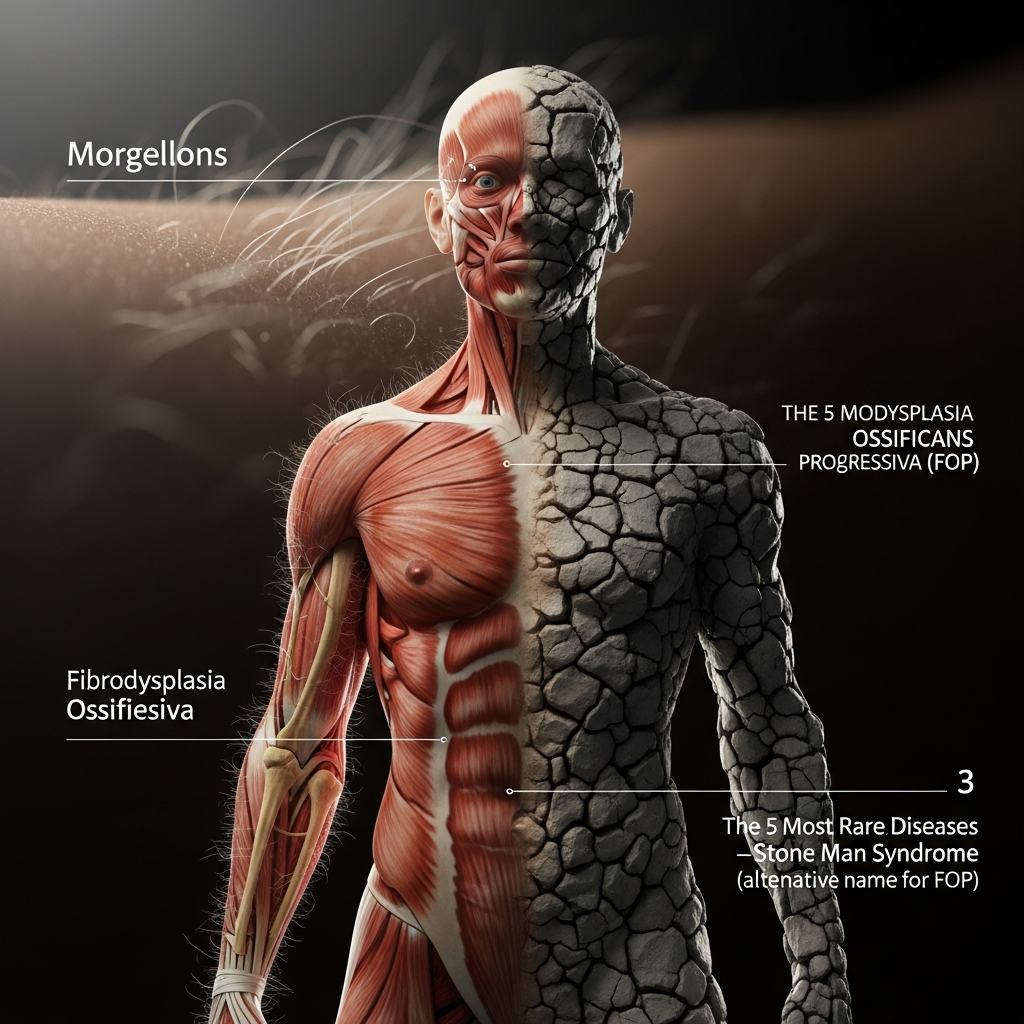
Introduction
Most people have heard of common diseases such as diabetes, heart disease, or cancer. Far fewer people know about conditions that may affect only a handful of individuals worldwide. Some of these disorders are so uncommon that doctors and researchers may have very little clinical information to work with.
These extremely rare diseases can affect almost any part of the body. They may interfere with the nervous system, muscles, metabolism, bones, skin, eyes, or the way cells repair damaged DNA. Some begin during childhood, while others may not become obvious until later in life.
Why Are Extremely Rare Diseases Difficult to Diagnose?
What makes these conditions particularly challenging is not simply their rarity. Their symptoms can sometimes resemble those of more familiar diseases, while specialized genetic or laboratory testing may be needed to identify the underlying cause.
The National Institutes of Health’s Genetic and Rare Diseases Information Center provides information on thousands of rare conditions and resources for patients and families. NIH Genetic and Rare Diseases Information Center (GARD)
There Is No Definitive List of the Five Rarest Diseases
Another important point is that “extremely rare” does not mean there is a definitive list of the five rarest diseases in existence. The number of documented cases can change as new patients are diagnosed, and some conditions remain poorly understood.
For that reason, this article focuses on five exceptionally uncommon diseases that illustrate different types of rare medical disorders.
The conditions covered here are Fields disease, ribose-5-phosphate isomerase deficiency, Hutchinson-Gilford progeria syndrome, fibrodysplasia ossificans progressiva (FOP), and xeroderma pigmentosum (XP).
Five Rare Diseases With Very Different Effects
Their stories are remarkably different.
Fields disease is associated with progressive neuromuscular problems, while ribose-5-phosphate isomerase deficiency affects cellular metabolism and can cause serious neurological abnormalities. Hutchinson-Gilford progeria syndrome produces characteristic features of premature aging during childhood. FOP causes bone to form in tissues where bone normally should not develop. Xeroderma pigmentosum, meanwhile, affects the body’s ability to repair certain types of ultraviolet-induced DNA damage.
Some of these diseases have identified genetic causes and specific treatment strategies. Others have very limited medical evidence because so few patients have been documented.
Understanding these conditions also shows why diagnosis, genetic research, specialist care, and long-term monitoring are so important in rare disease medicine. A correct diagnosis can sometimes change which treatments are considered, which procedures should be avoided, and which complications doctors need to watch for.
In the sections below, we will examine each disease separately, including its symptoms, causes, diagnosis, treatment, and the challenges researchers face when studying conditions that affect so few people.
Quick Answer
Some diseases are so uncommon that only a very small number of people have been described with the condition. These disorders are sometimes discussed as ultra-rare diseases or extremely rare diseases.
Five unusual examples are Fields disease, ribose-5-phosphate isomerase deficiency, Hutchinson-Gilford progeria syndrome, fibrodysplasia ossificans progressiva (FOP), and xeroderma pigmentosum (XP).
These diseases are very different from one another. Some primarily affect muscles and nerves. Others involve metabolism, bone formation, DNA repair, skin, the eyes, or several body systems.
Diagnosis can be particularly difficult when only a few patients have ever been identified. Doctors may need to combine a medical history, physical examination, imaging, laboratory testing, neurological assessment, and genetic testing. MedlinePlus Genetics explains that diagnosing genetic conditions can involve several of these approaches rather than one single test. MedlinePlus Genetics: How Are Genetic Conditions Diagnosed?
Treatment also varies. Some extremely rare diseases have targeted therapies, while others have no disease-specific cure and are managed through supportive care, prevention of complications, and specialist monitoring.
One important point is that there is no scientifically reliable worldwide list of the five absolute rarest diseases. Case numbers can change as new patients are identified and some conditions remain poorly characterized.
What Makes a Disease Extremely Rare?
There is no single worldwide definition that determines exactly when a disease becomes “extremely rare.”
The broader term rare disease itself is defined differently in different countries.
In the United States, a rare disease is generally defined as one affecting fewer than 200,000 people. MedlinePlus notes that there are nearly 7,000 rare diseases. MedlinePlus: Rare Diseases
That is very different from an illness for which only a handful of patients have been reported.
Ultra-rare conditions create special challenges for medicine because researchers may have very little information about:
- How the disease begins
- How quickly it progresses
- Which symptoms are most common
- How different patients are affected
- Which treatments work best
- What complications may develop over time
Rare diseases as a group are also frequently difficult to diagnose. NIH sources note that rare diseases can be complex, are often diagnosed incorrectly or late, and are frequently caused by genetic changes.
This does not mean every unusual symptom is a sign of an extremely rare disorder.
In fact, common diseases remain much more likely explanations for most everyday symptoms.
The value of learning about extremely rare diseases is mainly educational. These conditions show how different genetic and biological problems can affect the human body.
1. Fields Disease
Fields disease, also called Fields’ condition, is an exceptionally rare neuromuscular disorder associated with progressive muscle deterioration and movement problems.
The condition became known because of Welsh twins Catherine and Kirstie Fields, who developed a previously unrecognized neuromuscular disorder.
Because the number of reported patients is extraordinarily small, information about the disease remains limited.
That makes Fields disease different from rare disorders that have been studied in hundreds or thousands of patients.
Descriptions of the condition have included progressive muscle deterioration, painful muscle spasms, involuntary movements, and increasing difficulty with movement. A published awareness document also describes progressive muscle problems and movement restrictions in the Fields twins. Rare Disease Day information on Fields disease
However, claims about its exact prevalence should be treated cautiously.
Symptoms of Fields Disease
Reported features have included:
- Progressive muscle weakness
- Muscle deterioration
- Difficulty walking
- Painful muscle spasms
- Trembling or involuntary muscle movements
- Increasing movement restrictions
- Difficulty speaking
- Dependence on mobility assistance
The disease appears to be progressive, but the full clinical picture is difficult to define because so few people have been reported.
This is an important issue when writing about an ultra-rare condition.
A symptom described in one or two patients cannot automatically be considered a symptom that occurs in everyone with the disease.
What Causes Fields Disease?
The exact cause remains unknown.
A genetic cause has been considered, particularly because the best-known patients are identical twins. However, available information has not established a specific disease-causing mutation that can be used as a definitive explanation.
Therefore, it would be inaccurate to claim that Fields disease is definitely caused by a particular gene.
This uncertainty is one of the reasons the condition remains medically interesting.
When researchers study an unusual disorder, identifying its underlying cause can help explain what is happening at the cellular and neurological level.
How Is Fields Disease Diagnosed?
There is no widely established single diagnostic test for Fields disease.
Doctors investigating a similar progressive neuromuscular presentation may need to rule out more common neurological and muscular disorders.
Evaluation may include:
- Detailed medical history
- Neurological examination
- Muscle-strength assessment
- Electrophysiological studies
- Imaging when appropriate
- Laboratory investigations
- Genetic testing
- Assessment of other possible neuromuscular disorders
A diagnosis of an exceptionally rare disorder should generally be approached carefully because many more common conditions can produce weakness, tremor, muscle symptoms, or difficulty walking.
Treatment of Fields Disease
There is no established curative treatment for Fields disease.
Management therefore focuses on the person’s symptoms, mobility, communication, and daily needs.
Supportive care may involve:
- Physical therapy
- Occupational therapy
- Mobility equipment
- Speech and communication support
- Management of muscle symptoms
- Assistance with daily activities
- Monitoring for additional complications
Because the number of known patients is extremely small, evidence for specific treatments is limited.
Why Is Fields Disease Difficult to Study?
Very rare diseases create a major research problem.
A conventional clinical trial needs enough participants to compare treatments meaningfully.
When only a tiny number of people have been identified, researchers may instead rely on case reports, detailed clinical observations, genetic investigations, and long-term follow-up.
This does not make the condition unimportant.
Rare diseases can sometimes provide scientists with clues about how muscles, nerves, genes, and other biological systems function.
2. Ribose-5-Phosphate Isomerase Deficiency
Ribose-5-phosphate isomerase deficiency, often called RPI deficiency or RPIAD, is an exceptionally rare inherited metabolic disorder.
It affects an enzyme involved in the pentose phosphate pathway, which participates in cellular metabolism.
The condition is associated with neurological abnormalities, including white-matter disease and peripheral nerve involvement.
The NIH MedGen database describes RPI deficiency as an autosomal recessive inborn error of metabolism involving the pentose phosphate pathway. NCBI MedGen: Ribose-5-Phosphate Isomerase Deficiency
The extreme rarity of the disorder is illustrated by the medical literature itself.
A 2018 report described what the authors called the third case of ribose-5-phosphate isomerase deficiency. Whole-exome sequencing identified two RPIA mutations in a child with neonatal-onset leukoencephalopathy and psychomotor delay. PubMed: Further Delineation of Ribose-5-Phosphate Isomerase Deficiency
Symptoms of RPI Deficiency
Reported features can include:
- Developmental delay
- Psychomotor delay
- Neurological regression
- White-matter abnormalities
- Difficulty with movement
- Muscle stiffness
- Peripheral neuropathy
- Problems with coordination
- Abnormal neurological findings
Not every patient necessarily develops exactly the same symptoms.
Because only a very small number of cases have been described, doctors and researchers continue to learn about the condition.
What Causes RPI Deficiency?
RPI deficiency is associated with pathogenic changes in the RPIA gene.
The RPIA gene provides instructions for making ribose-5-phosphate isomerase, an enzyme involved in the pentose phosphate pathway. The NCBI gene database identifies RPIA as the gene associated with ribose-5-phosphate isomerase deficiency. NCBI: RPIA Gene
The condition follows an autosomal recessive inheritance pattern.
That means a person generally needs disease-causing variants affecting both copies of the relevant gene to develop the disorder.
How Is RPI Deficiency Diagnosed?
Diagnosis can be challenging because the symptoms may resemble other neurological or metabolic conditions.
Doctors may investigate:
- Developmental history
- Neurological symptoms
- Brain imaging
- White-matter abnormalities
- Metabolic abnormalities
- Urine metabolites
- Enzyme-related testing
- Genetic testing
The 2018 case report found that whole-exome sequencing and urine polyol testing contributed to the diagnosis. PubMed: RPI Deficiency Case Report
This demonstrates why rare metabolic disorders can require several different diagnostic approaches.
Treatment of RPI Deficiency
There is no established curative treatment for RPI deficiency.
Management is generally supportive and depends on the symptoms.
Possible care may include:
- Neurological monitoring
- Seizure management when required
- Physical therapy
- Occupational therapy
- Developmental support
- Mobility assistance
- Nutritional support when appropriate
Because so few patients have been identified, long-term evidence about the best treatment strategy remains limited.
3. Hutchinson-Gilford Progeria Syndrome
Hutchinson-Gilford progeria syndrome (HGPS) is a rare genetic disorder characterized by the dramatic appearance of aging beginning during childhood.
Children with HGPS usually appear healthy at birth and during early infancy. Later, growth slows and weight gain becomes difficult. Characteristic physical changes then become more noticeable.
MedlinePlus Genetics describes features including poor weight gain, growth problems, loss of body fat, hair loss, aged-looking skin, joint abnormalities, and severe arterial disease. MedlinePlus Genetics: Hutchinson-Gilford Progeria Syndrome
Symptoms of Progeria
Children with HGPS may develop:
- Poor weight gain
- Growth failure
- Loss of body fat
- Hair loss
- Thin or aged-looking skin
- Characteristic facial features
- Joint abnormalities
- Skeletal changes
- Severe arterial disease
Importantly, progeria does not simply mean that every aspect of childhood development happens faster.
For example, MedlinePlus Genetics notes that intellectual development is generally not affected in the same way as the physical changes associated with the disorder.
What Causes Progeria?
Most cases of classic HGPS are associated with a specific pathogenic variant in the LMNA gene.
The LMNA gene provides instructions for proteins that contribute to the structure of the cell nucleus.
A particular variant can result in production of an abnormal form of lamin A called progerin.
MedlinePlus Genetics explains that the altered lamin A protein disrupts the structure of the nuclear envelope. MedlinePlus Genetics: LMNA Gene
This molecular abnormality helps explain why HGPS affects cells and tissues throughout the body.
How Is Progeria Diagnosed?
Doctors may suspect HGPS from the characteristic physical and growth pattern.
Evaluation may include:
- Physical examination
- Growth assessment
- Medical history
- Cardiovascular evaluation
- Skeletal assessment
- Genetic testing
Genetic testing can confirm the diagnosis when the appropriate LMNA variant is identified.
Because several genetic disorders can produce features of premature aging, clinicians may also need to distinguish HGPS from other progeroid syndromes.
Treatment of Progeria
There is currently no treatment that completely cures HGPS.
Care focuses on monitoring and managing complications.
This may include:
- Cardiovascular monitoring
- Nutritional support
- Physical therapy
- Joint care
- Regular medical assessments
- Management of cardiovascular complications
One important development is lonafarnib, a farnesyltransferase inhibitor used for children with HGPS.
MedlinePlus states that lonafarnib is used to reduce the risk of death in children aged 1 year and older with HGPS. MedlinePlus Drug Information: Lonafarnib
Treatment should be directed by specialists familiar with the condition.
4. Fibrodysplasia Ossificans Progressiva
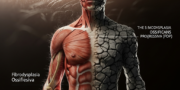
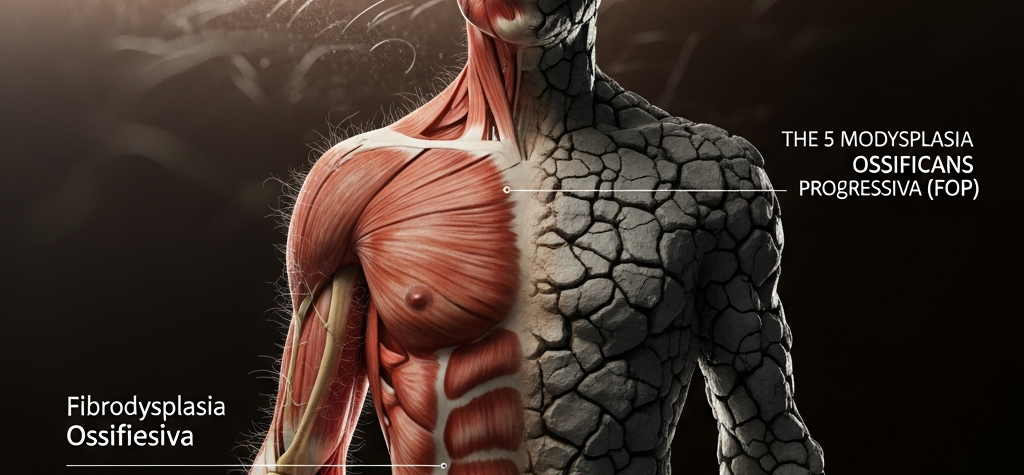
Fibrodysplasia ossificans progressiva (FOP) is one of the most unusual disorders affecting the musculoskeletal system.
In people with FOP, muscles and connective tissues such as tendons and ligaments can gradually become bone.
This produces bone outside the normal skeleton, a process called heterotopic ossification.
Over time, the extra bone can restrict movement and progressively affect mobility.
The National Library of Medicine describes FOP as a very rare disorder occurring in approximately 1 in 1 million people worldwide. MedlinePlus Genetics: Fibrodysplasia Ossificans Progressiva
Symptoms of FOP
One of the most important early clues is an abnormality of the big toes.
Other features can include:
- Painful swelling
- Soft-tissue inflammation
- Abnormal bone formation
- Progressive restriction of movement
- Joint stiffness
- Difficulty walking
- Difficulty opening the mouth
- Difficulty eating
- Progressive disability
Extra bone around the rib cage can also restrict chest expansion and contribute to breathing problems.
What Causes FOP?
FOP is caused by pathogenic variants in the ACVR1 gene.
The ACVR1 protein is involved in signaling pathways that regulate bone and muscle development.
In FOP, abnormal ACVR1 signaling promotes inappropriate bone formation in soft tissues.
The most common classic FOP variant is called R206H. MedlinePlus Genetics explains that this variant alters receptor activity and contributes to abnormal bone and cartilage formation. MedlinePlus Genetics: ACVR1 Gene
How Is FOP Diagnosed?
The combination of characteristic big-toe abnormalities and progressive heterotopic bone formation can strongly suggest FOP.
Evaluation may include:
- Physical examination
- Medical history
- Assessment of the big toes
- Imaging
- Genetic testing
Recognizing FOP early is particularly important.
Why?
Because trauma to muscles can trigger episodes of inflammation and additional bone formation.
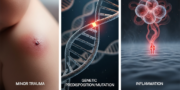
Even invasive medical procedures can sometimes cause problems in people with FOP. MedlinePlus specifically notes that trauma and invasive procedures may trigger flare-ups and more rapid ossification.
Treatment of FOP
There is no simple cure that removes the underlying genetic cause.
Management focuses on reducing complications and avoiding unnecessary trauma.
Care may include:
- Specialist monitoring
- Pain management
- Management of inflammatory flare-ups
- Mobility support
- Careful planning of medical procedures
- Avoidance of unnecessary injury
Because the condition is complex, people with FOP benefit from clinicians familiar with the disorder.
Why Early Recognition Matters in FOP
FOP demonstrates why a rare-disease diagnosis can directly affect medical decisions.
A person with unexplained swelling or abnormal bone formation might otherwise undergo an invasive procedure.
If the underlying condition is FOP, unnecessary trauma may make the disease worse.
Therefore, recognizing characteristic clinical features can help doctors choose safer approaches.
5. Xeroderma Pigmentosum
Xeroderma pigmentosum (XP) is a rare inherited disorder in which cells have difficulty repairing certain DNA damage caused by ultraviolet radiation.
People with XP can be extremely sensitive to sunlight.
The condition primarily affects sun-exposed skin and the eyes, and some individuals also develop neurological problems.
MedlinePlus Genetics explains that XP is associated with a greatly increased risk of UV-related cancers and that signs often begin during infancy or early childhood. MedlinePlus Genetics: Xeroderma Pigmentosum
Symptoms of Xeroderma Pigmentosum
Possible symptoms include:
- Extreme sensitivity to sunlight
- Severe sunburn after limited exposure
- Freckling in sun-exposed areas
- Changes in skin pigmentation
- Premature skin damage
- Early skin cancers
- Eye sensitivity to light
- Eye irritation
- Neurological problems in some patients
MedlinePlus reports that almost all affected children develop freckling in sun-exposed areas by age 2, although the exact presentation can vary.
What Causes Xeroderma Pigmentosum?
XP is caused by inherited changes in genes involved in DNA repair.
Several genes can cause different forms of XP, including XPA, XPC, ERCC2, ERCC3, ERCC4, ERCC5, DDB2, ERCC1, and POLH.
Many of these genes participate in a DNA-repair process called nucleotide excision repair.
Normally, this pathway recognizes damaged DNA, removes the damaged section, and replaces it.
In XP, this repair process does not function normally, allowing UV-related DNA damage to accumulate.
MedlinePlus Genetics provides detailed information about these DNA-repair mechanisms and the genes involved. MedlinePlus Genetics: XP and DNA Repair
How Is XP Diagnosed?
Diagnosis may involve:
- Medical history
- Physical examination
- Assessment of sun sensitivity
- Skin examination
- Eye examination
- Neurological assessment
- Specialized laboratory testing
- Genetic testing
The precise testing strategy depends on the patient’s symptoms and the suspected genetic subtype.
Treatment of Xeroderma Pigmentosum
There is no simple treatment that repairs the underlying genetic defect.
Instead, management focuses heavily on preventing additional UV-related damage and detecting complications early.
Important measures can include:
- Strict protection from sunlight
- Protective clothing
- UV-protective eyewear
- Avoidance of unnecessary UV exposure
- Regular skin examinations
- Early treatment of suspicious skin lesions
- Regular eye examinations
- Neurological monitoring when needed
This is not simply ordinary advice about avoiding sunburn.
For a person with XP, minimizing UV exposure is a major part of disease management because UV-induced DNA damage can accumulate abnormally.
How Extremely Rare Diseases Affect the Body
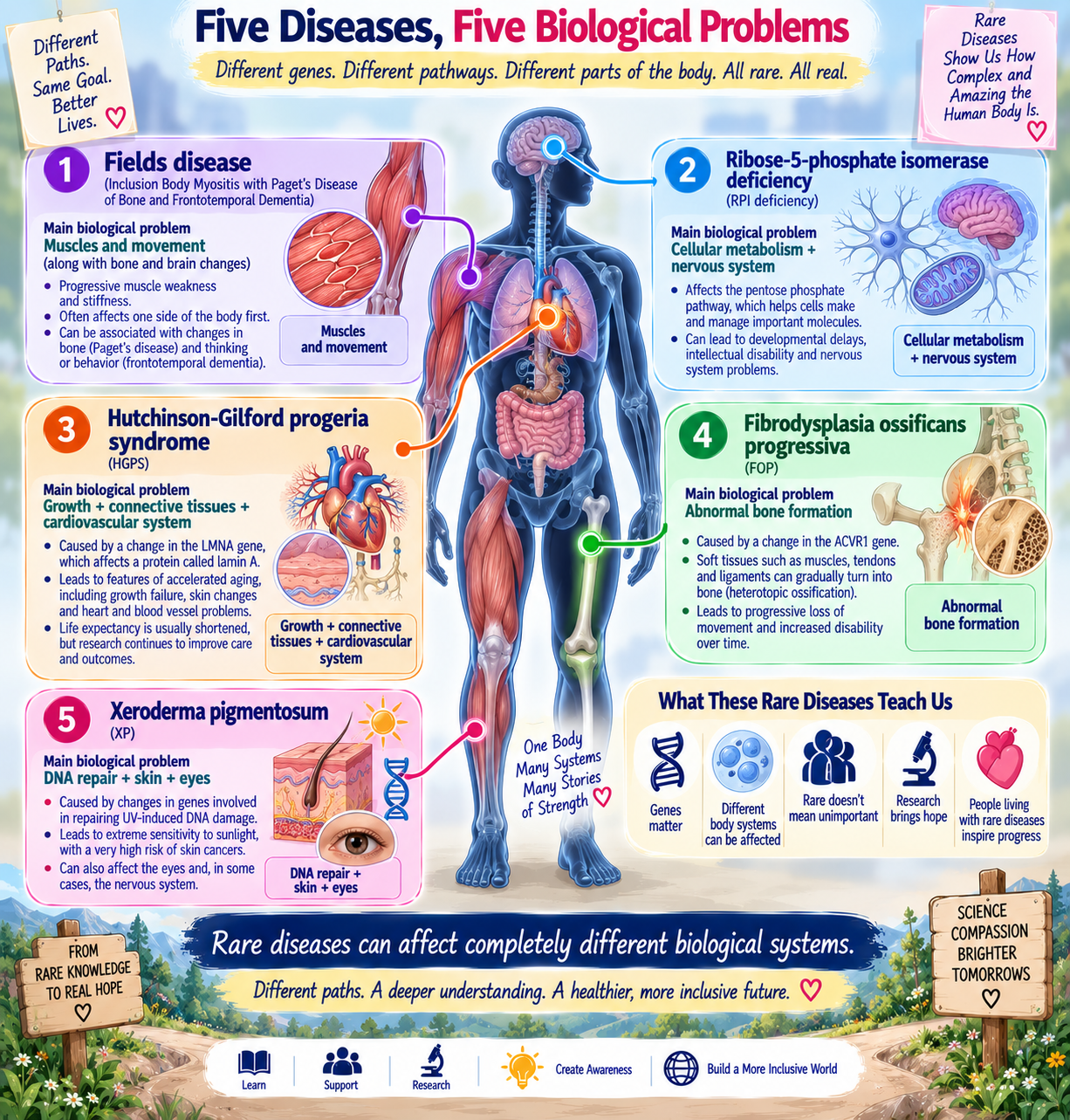
Comparing These Five Extremely Rare Diseases
| Disease | Main system affected | Major feature | Main cause | General management |
|---|---|---|---|---|
| Fields disease | Muscles and nerves | Progressive neuromuscular problems | Cause not established | Supportive care |
| RPI deficiency | Metabolic and nervous systems | Leukoencephalopathy and neurological problems | RPIA variants | Supportive management |
| HGPS | Multiple body systems | Premature-aging features | Usually LMNA variant | Specialist and cardiovascular care |
| FOP | Musculoskeletal system | Bone formation in soft tissues | ACVR1 variants | Prevent trauma and manage complications |
| Xeroderma pigmentosum | Skin, eyes, sometimes nervous system | Extreme UV sensitivity | DNA-repair gene variants | Strict UV protection and surveillance |
These diseases demonstrate why the phrase “rare disease” covers an enormous range of medical problems.
One condition primarily affects muscle and nerve function.
Another disrupts cellular metabolism.
Another changes nuclear structure and produces features of premature aging.
FOP causes abnormal bone formation in soft tissues, while XP involves defective DNA repair and extreme sensitivity to UV radiation.
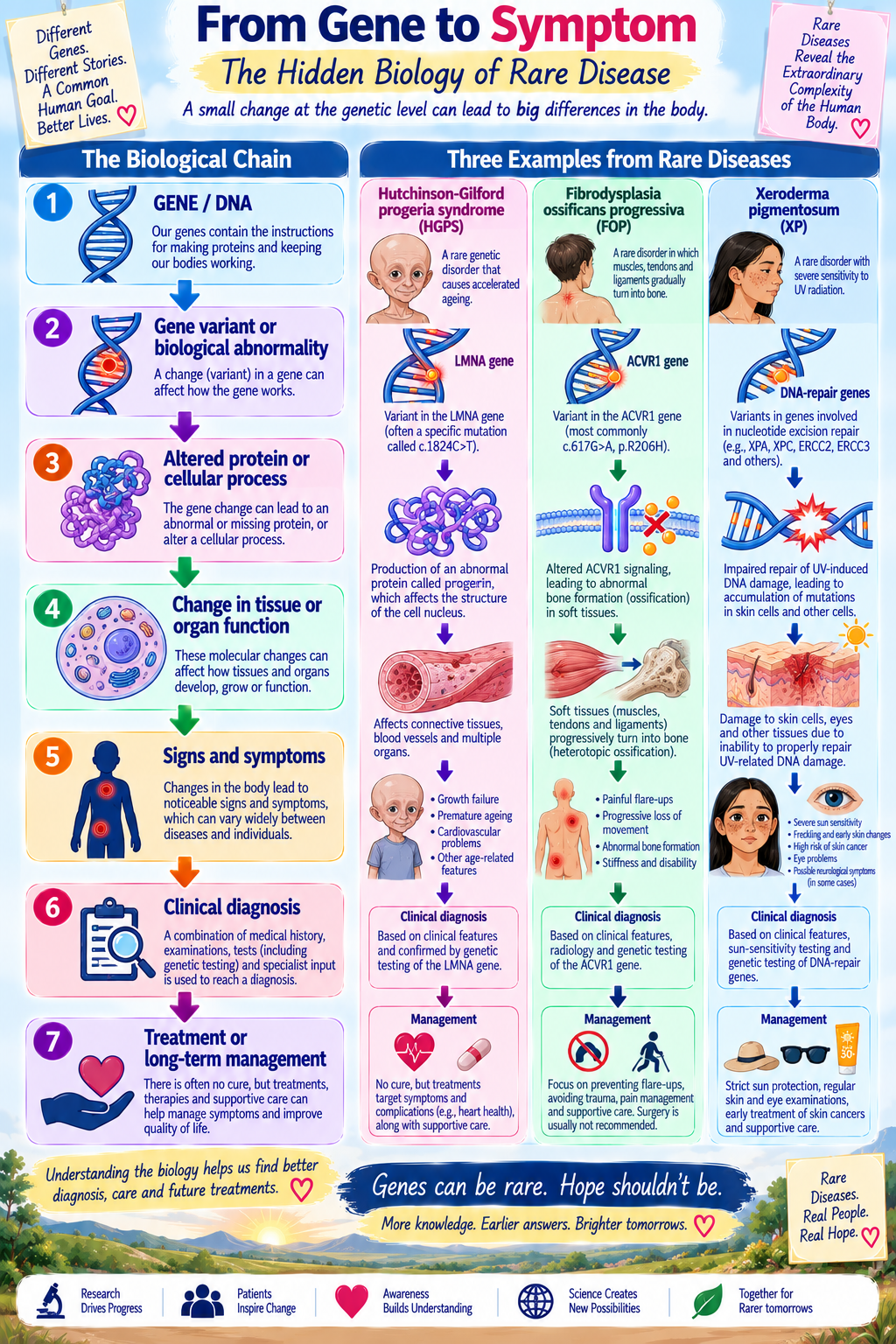
Are These Diseases Genetic?
Many rare diseases are genetic, but not every rare disease has the same cause.
The five conditions discussed here illustrate that difference.
RPI deficiency is associated with RPIA gene variants and has an autosomal recessive inheritance pattern.
Hutchinson-Gilford progeria syndrome is usually associated with a pathogenic LMNA variant.
FOP is associated with ACVR1 variants.
Xeroderma pigmentosum can result from inherited variants in several DNA-repair genes.
For Fields disease, the underlying cause remains uncertain.
This distinction matters because it is easy for online articles to label every extremely rare disease as a “genetic disease.” That is not always justified by the available evidence.
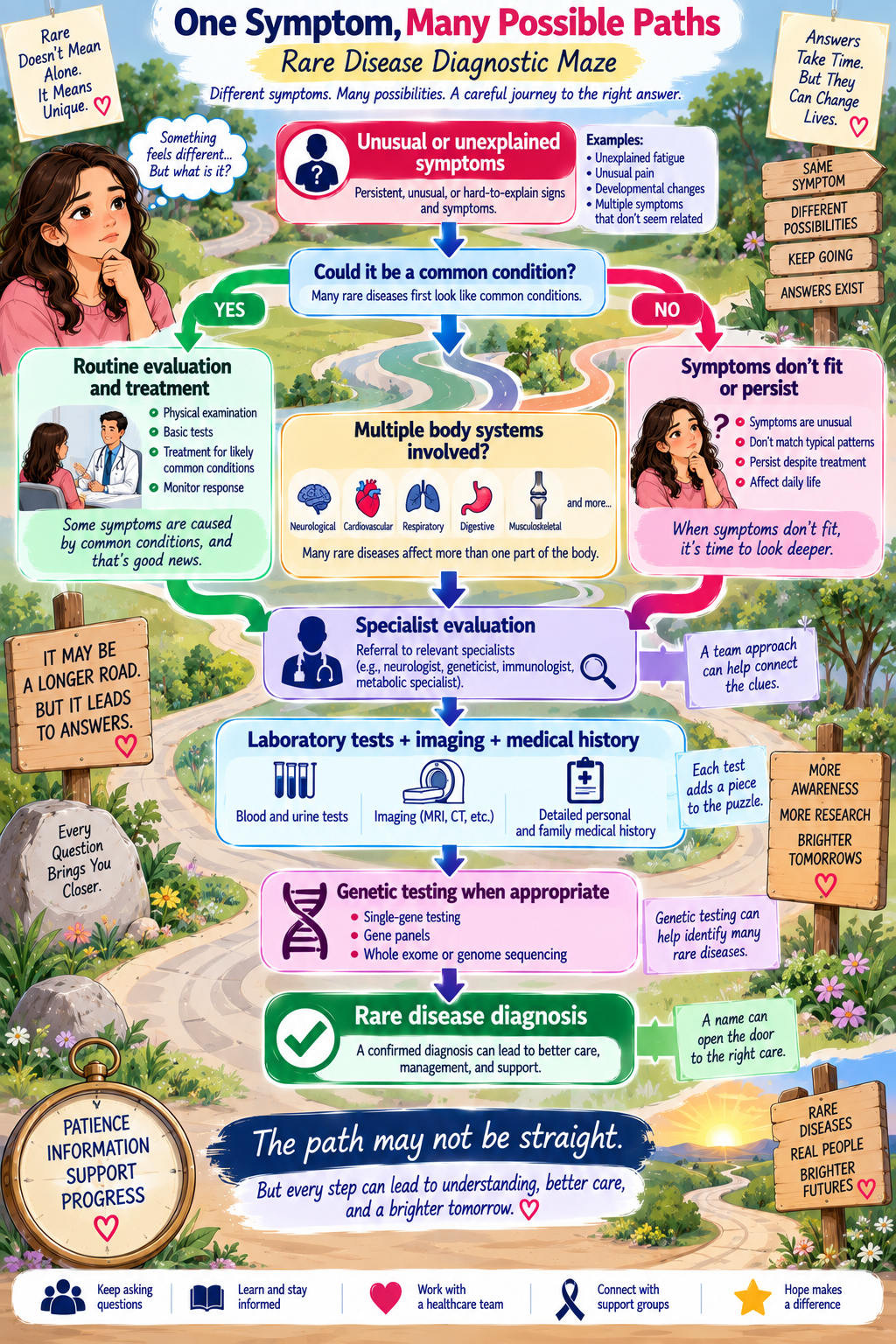
Why Are Extremely Rare Diseases So Difficult to Diagnose?
Rare diseases can be difficult to recognize for several reasons.
1. Doctors may never have encountered the condition
A physician can spend an entire career seeing thousands of patients without encountering a particular ultra-rare disorder.
2. Symptoms can look like more common diseases
Weakness, developmental delay, seizures, pain, fatigue, skin changes, or movement problems can occur in many different conditions.
The first diagnosis may therefore focus on more common explanations.
3. Genetic testing may be necessary
Some rare disorders can be confirmed through genetic testing, but doctors generally need to know what type of disorder they are investigating.
Genetic testing is not simply a universal test for every disease.
4. Some conditions have only a small research record
When only a few cases are known, there may be very little information about the disease’s long-term course.
5. Diagnostic technology continues to change
A patient who could not receive a molecular diagnosis several years ago may sometimes be diagnosed today because sequencing technologies and databases have improved.
MedlinePlus Genetics explains that genetic diagnosis may involve physical examination, family history, imaging, laboratory testing, and genetic testing. MedlinePlus Genetics: Genetic Diagnosis
How Are Extremely Rare Diseases Treated?
There is no universal treatment for rare diseases.
Treatment depends on:
- The underlying cause
- The organs involved
- The person’s age
- The severity of disease
- Available evidence
- Existing complications
- Whether a targeted treatment exists
Possible approaches include:
- Disease-specific medicines
- Supportive medicines
- Surgery when appropriate
- Physical therapy
- Occupational therapy
- Nutritional support
- Pain management
- Genetic counseling
- Preventive strategies
- Regular specialist monitoring
- Clinical trials
MedlinePlus Genetics explains that many genetic disorders cannot currently be cured, although treatments may help manage symptoms and prevent complications. MedlinePlus Genetics: Treatment and Management of Genetic Conditions
The five diseases in this article show this difference clearly.
Lonafarnib is an example of a targeted treatment used for HGPS.
In contrast, management of FOP heavily emphasizes avoiding trauma and managing complications.
XP requires aggressive protection against UV exposure.
Fields disease currently relies mainly on supportive care because its cause and disease-specific treatment remain uncertain.
Why Rare-Disease Research Matters
It can be tempting to think that research into an illness affecting only a handful of people has limited value.
The opposite can sometimes be true.
Rare diseases can provide scientists with an unusually clear window into specific biological processes.
For example, progeria research has helped scientists study:
- Nuclear structure
- Lamin proteins
- Cellular aging
- DNA stability
- Cellular senescence
- Cardiovascular disease
A rare genetic disorder can therefore teach researchers something about biological pathways that may also be relevant to more common diseases.
Rare-disease research can also contribute to:
- Better diagnostic tests
- Improved genetic counseling
- New medicines
- Understanding disease mechanisms
- Improved patient support
- Identification of new genetic disorders
NIH describes rare-disease research as an important area involving thousands of conditions and emphasizes collaboration and research networks. NIH MedlinePlus Magazine: Supporting Rare Disease Research
Are Extremely Rare Diseases Always Inherited?
No.
Rarity and inheritance are not the same thing.
Some rare diseases result from inherited genetic variants.
Others can result from:
- New genetic changes
- Chromosomal abnormalities
- Metabolic abnormalities
- Immune-system problems
- Infections
- Environmental exposures
- Unknown causes
Even among genetic diseases, inheritance patterns can differ.
For example, FOP generally follows an autosomal dominant pattern, while RPI deficiency follows an autosomal recessive pattern.
Understanding the inheritance pattern can be important for genetic counseling and family planning.
Can Genetic Testing Find an Extremely Rare Disease?
Sometimes.
Genetic testing has become a powerful tool for diagnosing inherited diseases.
However, a negative genetic test does not always mean that a genetic disease has been completely ruled out.
Possible reasons include:
- The responsible gene has not yet been identified.
- The test did not examine the relevant region.
- The variant is difficult to detect.
- The disease involves a mechanism not yet understood.
- The initial diagnosis may be incorrect.
For some extremely rare disorders, researchers may need to combine genetic sequencing with biochemical tests, imaging, clinical findings, and family history.
The RPI deficiency literature illustrates this type of diagnostic process. Whole-exome sequencing and metabolic testing contributed to identification of the disorder in a reported case.
When Should Someone Seek Medical Evaluation?
Having an unusual symptom does not mean you have an extremely rare disease.
Most common symptoms have much more common explanations.
However, medical evaluation is appropriate when symptoms are:
- Persistent
- Progressive
- Severe
- Unexplained
- Associated with developmental problems
- Associated with unusual physical findings
- Present in multiple family members
- Not explained by routine investigations
If a doctor suspects an inherited or unusual condition, referral to a specialist or genetics professional may be appropriate.
Frequently Asked Questions
What is the rarest disease in the world?
There is no scientifically secure single answer.
Some conditions have been reported in only a handful of people, but case numbers can change as new patients are diagnosed. For this reason, it is more accurate to describe a disease as extremely rare than to claim that it is definitively the world’s rarest disease.
Fields disease is sometimes described in popular sources as one of the rarest known medical conditions, but its extremely small number of documented patients means that prevalence claims should be treated cautiously. Fields disease background information
What are five extremely rare diseases?
Five examples are:
- Fields disease
- Ribose-5-phosphate isomerase deficiency
- Hutchinson-Gilford progeria syndrome
- Fibrodysplasia ossificans progressiva
- Xeroderma pigmentosum
They affect very different parts of the body and have different causes and management strategies.
Are extremely rare diseases genetic?
Many are genetic, but not all.
Among the diseases discussed here, RPI deficiency, HGPS, FOP, and XP have established genetic causes. The cause of Fields disease remains uncertain.
Can extremely rare diseases be cured?
Some rare diseases have specific treatments, while others do not currently have a cure.
Treatment may instead focus on controlling symptoms, preventing complications, slowing disease progression when possible, and improving quality of life.
For example, lonafarnib is used in children with HGPS, while FOP management includes preventing trauma and managing complications.
Why do rare diseases take so long to diagnose?
Doctors may have little experience with a particular disorder, symptoms may resemble common diseases, and specialized testing may be required.
The small number of patients can also mean that medical knowledge about the disease is limited.
Can rare diseases run in families?
Yes.
Many rare diseases are inherited.
However, some genetic disorders result from a new mutation rather than a variant inherited from a parent.
The inheritance pattern also differs between conditions.
Does having unusual symptoms mean you have a rare disease?
No.
Unusual symptoms can occur for many reasons.
A rare diagnosis should be based on appropriate medical evaluation and evidence rather than symptoms alone.
Where can patients find reliable information about rare diseases?
The NIH Genetic and Rare Diseases Information Center (GARD) is a useful source of information about rare diseases and provides resources for patients and families. NIH Genetic and Rare Diseases Information Center
Patients can also use resources from the National Library of Medicine, MedlinePlus Genetics, specialist medical centers, and appropriate patient organizations.
Key Takeaways
- Extremely rare diseases affect very small numbers of people, although there is no single worldwide definition for “extremely rare.”
- Rare diseases as a whole include thousands of different conditions.
- Fields disease is an exceptionally uncommon neuromuscular disorder whose exact cause remains uncertain.
- Ribose-5-phosphate isomerase deficiency is an inherited metabolic disorder associated with neurological abnormalities and RPIA gene variants.
- Hutchinson-Gilford progeria syndrome causes characteristic premature-aging features beginning in childhood and is usually associated with an LMNA variant.
- FOP causes progressive formation of bone in soft tissues and is associated with ACVR1 gene variants.
- Xeroderma pigmentosum causes extreme sensitivity to UV radiation because of defects in DNA-repair pathways.
- Diagnosis of rare diseases may require several approaches rather than one test.
- Genetic testing can be useful but does not identify every genetic condition.
- Some rare diseases have targeted treatments, while others are managed mainly with supportive care.
- Research into rare diseases can improve understanding of genetics, metabolism, cellular aging, DNA repair, and other biological processes.
Final Takeaway
The medical world contains thousands of rare diseases, but some are extraordinarily uncommon.
Fields disease, ribose-5-phosphate isomerase deficiency, Hutchinson-Gilford progeria syndrome, fibrodysplasia ossificans progressiva, and xeroderma pigmentosum demonstrate just how different extremely rare conditions can be.
One can affect muscles and nerves. Another can disrupt cellular metabolism. Progeria affects cellular structures and produces characteristic premature-aging features. FOP causes abnormal bone formation in soft tissues, while XP results from problems repairing UV-related DNA damage.
Their rarity can make diagnosis difficult because doctors may have limited experience with them and researchers may have only a small number of cases to study.
At the same time, these disorders can provide valuable insights into human biology.
The most important practical lesson is not to assume that an unusual symptom automatically indicates an extremely rare disease. Common conditions remain much more likely explanations for most symptoms.
When symptoms are persistent, progressive, severe, or unexplained, appropriate medical evaluation is the safest starting point. Depending on the circumstances, doctors may recommend laboratory tests, imaging, genetic testing, specialist assessment, or genetic counseling.
Author Note
Written by RVLNSV PRASAD
This article provides general educational information about exceptionally rare medical conditions. Because some of these disorders have only a very small number of documented patients, scientific understanding can change as researchers identify additional cases and learn more about their causes and treatment.
Medical Disclaimer
This article is for educational purposes only. It is not intended to diagnose, treat, or cure any disease and should not replace advice from a qualified healthcare professional.
If you or someone in your family has persistent, severe, progressive, or unexplained symptoms, consult an appropriate healthcare professional. A doctor may recommend specialist assessment, laboratory testing, imaging, genetic testing, or genetic counseling depending on the situation.
Trusted Sources
- MedlinePlus — Rare Diseases
- MedlinePlus Genetics — Genetic Diagnosis
- MedlinePlus Genetics — Genetic Treatment and Management
- NIH Genetic and Rare Diseases Information Center (GARD)
- NCBI MedGen — Ribose-5-Phosphate Isomerase Deficiency
- PubMed — Ribose-5-Phosphate Isomerase Deficiency Case Report
- MedlinePlus Genetics — Hutchinson-Gilford Progeria Syndrome
- MedlinePlus Drug Information — Lonafarnib
- MedlinePlus Genetics — Fibrodysplasia Ossificans Progressiva
- MedlinePlus Genetics — ACVR1 Gene
- MedlinePlus Genetics — Xeroderma Pigmentosum
- NIH MedlinePlus Magazine — Rare Disease Research
Related Posts
- Life Expectancy With Fatty Liver Disease
- 4 Best Exercises for Health
- 4 Holistic Approaches to Managing Chronic Pain: A Comprehensive Guide
- The Science of Shedding Pounds: A Data-Driven Approach to Weight Loss
- 3 Top Risk Factors of Fibrodysplasia Ossificans Progressiva in Newborn
- Home












[…] The 5 Most Rare Diseases in the World […]