

















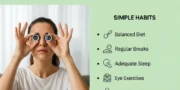

















































































Natural Ways to Improve Eye Health: 12 Habits That Support Healthy Vision
Author: RVLNSV PRASAD
Updated On: September 2026
About Us
Author Bio
Editorial Policy
Contact Us
Quick Answer
The best natural ways to improve eye health are not overnight eyesight cures. They are everyday habits that help protect your eyes, reduce avoidable discomfort, support overall health, and lower some risks associated with eye disease.
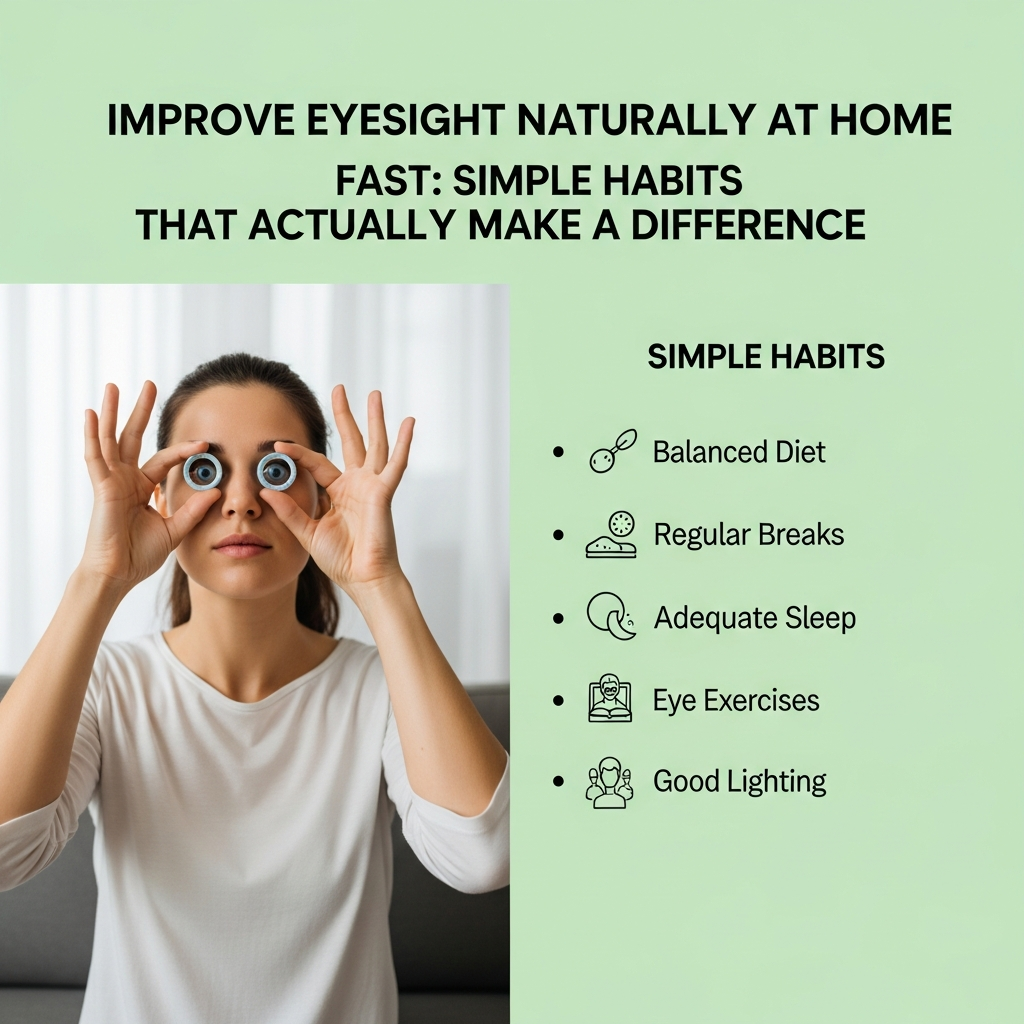
Useful habits include taking regular screen breaks, blinking during prolonged screen work, eating a balanced diet, staying physically active, protecting your eyes from ultraviolet (UV) exposure, avoiding smoking, getting adequate sleep, managing dry or irritating environments, using protective eyewear when appropriate, and keeping recommended eye examinations.
The important distinction is this: supporting eye health is not the same as permanently correcting blurry vision, nearsightedness, farsightedness, or astigmatism. A comprehensive eye examination may be necessary when vision changes persist or appear suddenly. The National Eye Institute explains that many eye diseases can have no early warning signs, which is why eye examinations remain an important part of protecting vision. National Eye Institute: Keep Your Eyes Healthy
Key Takeaways
- Natural habits can support eye health and healthy vision, but they are not a universal cure for refractive errors or eye disease.
- Long periods of screen use can contribute to digital eye strain and dryness, particularly when blinking decreases.
- The 20-20-20 approach can be a practical way to build regular visual breaks into screen-heavy days.
- A varied diet containing vegetables, fruits, nuts, whole grains, and appropriate sources of omega-3 fats supports overall health and eye health.
- Sunglasses that provide appropriate UVA and UVB protection can help protect the eyes from sunlight.
- Smoking is harmful to eye health and is associated with several serious eye conditions.
- Persistent or unexplained blurry vision should not simply be treated as “screen strain.”
- Sudden vision changes, flashes, a sudden increase in floaters, a curtain-like shadow, severe eye pain, or a painful red eye require prompt professional assessment.
- Eye exercises should not be presented as a replacement for glasses, contact lenses, or appropriate medical treatment.
Introduction: What Does It Really Mean to Improve Eyesight Naturally?
Search for how to improve eyesight naturally and you will quickly encounter an overwhelming mixture of advice.
Carrots are often presented as a miracle food. Eye exercises are sometimes promoted as a way to remove glasses. Screen breaks may be described as a method for restoring eyesight. Some websites even suggest that a particular drink, supplement, or daily routine can dramatically sharpen vision.
The reality is more useful than those promises.
Your eyes are part of a complex visual system. How clearly you see depends on the structure of the eye, the way light is focused onto the retina, the health of the retina and optic nerve, the tear film, the brain’s visual processing system, and other factors.
That means there is an important difference between feeling better while using your eyes and seeing more clearly because an underlying vision problem has been corrected.
For example, someone who spends eight hours looking at a laptop may develop tired, dry or temporarily blurry-feeling eyes. Prolonged screen use can reduce blinking and contribute to digital eye strain and dry-eye symptoms. American Academy of Ophthalmology EyeWiki: Digital Eye Strain
Someone else may have persistent blurry distance vision because of nearsightedness.
Those two situations should not be treated as though they are the same.
That is why this guide takes a different approach. Instead of promising to “fix” eyesight naturally, it focuses on natural ways to support eye health, reduce avoidable strain, protect vision, and recognize situations where home care is not enough.
The goal is not to promise sharper vision overnight. It is to separate habits that support eye health and comfort from problems that require an eye examination.
Eye Comfort vs Eye Health vs Actual Vision
One of the easiest ways to misunderstand eye-care advice is to treat every visual symptom as an eyesight problem.
Use this simple framework:
| What you are trying to improve | Habits may help. | Professional care may be needed. |
|---|---|---|
| Screen-related discomfort | Breaks, blinking, glare reduction | Persistent symptoms |
| Dry or irritated eyes | Environmental changes, screen breaks, appropriate eye care | Ongoing or severe dry eye |
| General eye health | Diet, exercise, smoking avoidance, UV protection | Risk assessment and eye examinations |
| Blurry vision | Temporary strain may improve with rest. | Persistent or unexplained blur |
| Nearsightedness | Healthy habits support general eye health. | Prescription glasses, contacts, or other treatment |
| Eye disease risk | Healthy lifestyle and examinations | Diagnosis and disease-specific management |
| Sudden vision changes | Do not rely on home remedies. | Prompt eye-care assessment |
This distinction is important because the National Eye Institute notes that many eye diseases do not produce obvious early symptoms. A person can therefore feel that their eyes are “fine” while still having a condition that deserves professional attention. National Eye Institute: Get a Dilated Eye Exam
12 Natural Ways to Improve Eye Health
1. Build Regular Screen Breaks Into Your Day
If your work involves a computer, tablet or phone, don’t wait until your eyes feel exhausted before looking away.
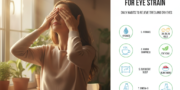
A simple strategy is the 20-20-20 approach: approximately every 20 minutes, look at something around 20 feet away for about 20 seconds.
The National Eye Institute recommends this type of regular visual break because prolonged computer use can tire the eyes. National Eye Institute: Keep Your Eyes Healthy
The useful part of the rule is not the numbers themselves. It is the behavior they create.
Instead of spending two uninterrupted hours staring at a screen, you create small opportunities for your visual system to change focus.
Try this:
- Set a gentle reminder during long work sessions.
- Look through a window rather than immediately switching to another device.
- Stand up during longer breaks.
- Use breaks as an opportunity to relax your shoulders and neck as well.
If screen work repeatedly causes headaches, tired eyes, or blurry vision despite reasonable breaks, consider an eye examination rather than simply increasing the number of breaks.
2. Remember to Blink During Concentrated Screen Work
Blinking sounds too simple to matter, but it plays an important role in maintaining the eye’s surface.
When people concentrate intensely on screens, reading or other close work, blinking can decrease. Reduced blinking can contribute to increased exposure of the ocular surface and dryness. American Academy of Ophthalmology EyeWiki: Digital Eye Strain
Instead of forcing yourself to blink constantly, use a simple reminder:
Pause → relax your face → blink normally → look away.
This is particularly useful when you notice burning, grittiness, fluctuating clarity or tired eyes after extended screen sessions.
The National Eye Institute also notes that blinking helps keep the eyes from becoming too dry. National Eye Institute: Your Eyes’ Natural Defenses
3. Make Your Screen Environment More Comfortable
Eye strain is not caused by one single screen setting.
Glare, viewing distance, prolonged concentration, poor ergonomics, and the surrounding environment can all affect comfort.
Try positioning your screen so that bright windows or lights are not producing distracting reflections. Adjust the text size rather than leaning toward a small display, and keep the screen at a comfortable viewing distance.
The American Academy of Ophthalmology’s EyeWiki guidance recommends reducing glare and taking breaks during prolonged digital-device use. AAO EyeWiki: Computer Vision Syndrome
One point worth correcting from popular internet advice: you do not need to assume that every screen is permanently damaging your eyes simply because you use it every day.
The more useful question is whether your screen habits are producing symptoms and whether your visual environment can be improved.
4. Choose Comfortable Lighting Instead of Extreme Brightness or Darkness
Reading in a comfortable, well-lit environment is generally easier than forcing your eyes to work against distracting glare or extremely poor visibility.
Look at your actual environment.
- Is a window reflecting directly onto your monitor?
- Is a bright lamp shining into your eyes?
Are you trying to read a small phone screen in a completely dark room?
Are you repeatedly squinting because text is difficult to see?
Small environmental changes may make prolonged visual tasks more comfortable.
However, comfortable lighting should not be confused with a treatment for refractive error. If you cannot see clearly even in appropriate lighting, an eye examination may be more useful than continually adjusting lamps and screens.
5. Build Eye-Healthy Nutrition Into Your Normal Diet
There is no single “best food for eyesight.”
Instead, think about dietary patterns.
The National Eye Institute recommends a healthy diet that includes foods such as dark leafy greens and fish containing omega-3 fatty acids. It also emphasizes overall healthy eating because conditions such as diabetes and high blood pressure can affect eye health. National Eye Institute: Keep Your Eyes Healthy
A practical plate might include:
- spinach or other leafy greens
- colorful vegetables
- whole fruits
- beans and legumes
- nuts and seeds
- whole grains
- fish where appropriate
- adequate protein
- a variety of foods rather than one “superfood”
What About Carrots?
Carrots contain beta-carotene, which the body can use to make vitamin A.
But the popular message that eating more carrots will dramatically sharpen normal eyesight is misleading.
The better lesson is that carrots can be part of a nutritious diet. They should not be marketed as a natural replacement for an eye examination or prescription lenses.
What About Eye Supplements?
Be careful with supplements marketed as instant vision boosters.
Certain nutritional formulations have evidence for specific people with specific eye conditions. That does not mean the same supplement is useful for everyone.
For example, the AREDS2 formulation has a specific role in reducing progression of certain stages of age-related macular degeneration; it is not a general eyesight-sharpening supplement. National Eye Institute: AREDS/AREDS2 Clinical Trials
That distinction matters when evaluating online supplement claims.
6. Stay Physically Active
Eye health does not exist separately from the rest of the body.
Regular physical activity can help support cardiovascular and metabolic health. The National Eye Institute notes that physical activity can lower the risk of health conditions such as diabetes, high blood pressure and high cholesterol that can contribute to eye or vision problems. National Eye Institute: Keep Your Eyes Healthy
You do not need a special “eye workout.”
Walking, cycling, swimming, strength training, or another activity you can maintain consistently can contribute to a healthier lifestyle.
The key is consistency rather than intensity.
7. Protect Your Eyes From UV Exposure
Sun protection is not only about your skin.
The National Eye Institute recommends sunglasses that block 99% to 100% of UVA and UVB radiation. Sunglasses can be useful outdoors even when the day does not feel exceptionally bright. National Eye Institute: 8 Things You Can Do Right Now to Protect Your Vision
When choosing sunglasses, look for clear information about UV protection rather than selecting a pair solely because the lenses are dark.
A hat with a brim can provide additional protection from sunlight.
This is an example of an important difference between prevention and treatment: sunglasses help protect the eyes from environmental exposure; they do not reverse existing refractive errors.
8. If You Smoke, Make Quitting an Eye-Health Priority
Smoking affects much more than the lungs.
The National Eye Institute links smoking with an increased risk of several serious eye conditions, including age-related macular degeneration and cataracts, and notes that smoking can damage the optic nerve. National Eye Institute: Keep Your Eyes Healthy
This makes smoking cessation one of the strongest lifestyle changes on this list.
Rather than looking for a special supplement to “detox” the eyes, addressing a known harmful exposure is a far more meaningful health decision.
9. Give Your Eyes and Body Adequate Recovery Time
Poor sleep can leave you feeling physically and mentally exhausted, and tired eyes can make long periods of visual work feel harder.
Sleep should therefore be considered part of a broader healthy routine rather than an eye-specific cure.
If your eyes frequently feel tired, consider the entire pattern:
- How long are you using screens without breaks?
- Are you blinking normally?
- Is your environment dry?
- Are you sleeping adequately?
- Are you wearing the correct prescription?
- Do you have persistent symptoms that deserve an examination?
This wider view is more useful than assuming every tired-eye symptom has one cause.

10. Manage Dry Air, Smoke, and Other Irritants
The environment around you can affect the surface of your eyes.
The National Eye Institute recommends limiting exposure to smoke, wind and air conditioning when these aggravate dry-eye symptoms. It also notes that a humidifier may help when indoor air is excessively dry. National Eye Institute: Dry Eye
If you work for hours in an air-conditioned room, notice whether your symptoms become worse as the day progresses.
Possible practical changes include:
- avoiding direct airflow toward the eyes
- taking screen breaks
- reducing exposure to smoke
- keeping the room comfortably humid when appropriate
- discussing persistent dryness with an eye-care professional
Dryness can sometimes cause fluctuating or blurry vision, so persistent symptoms deserve more attention than simply adding more water to your day. National Eye Institute: Dry Eye
11. Protect Your Eyes From Injury
Not every eye-health strategy is nutritional or screen-related.
If you are doing home repairs, using power tools, working around flying particles, or participating in activities where an eye injury is possible, appropriate protective eyewear matters.
The National Eye Institute specifically recommends protective eyewear for activities such as sports, construction work, and home repairs. National Eye Institute: Keep Your Eyes Healthy
This is an easy area to overlook because people often associate “natural eye health” with food and exercises.
In reality, preventing an avoidable eye injury may be much more valuable than adding another food to your diet.
12. Treat Eye Examinations as Part of Eye Health, Not a Failure of Natural Care
This may be the most important habit in the entire article.
Some people delay an eye examination because they believe that needing glasses means they have failed to take care of their eyes.
That is not how vision works.
An eye examination can identify refractive errors and help detect eye diseases. The National Eye Institute explains that many eye diseases have no early symptoms and that comprehensive dilated examinations can detect problems before vision loss occurs. National Eye Institute: Get a Dilated Eye Exam
Healthy habits and professional eye care are not competing approaches.
They work together.
What These Habits Can Help With—and What They Cannot Fix
This is where many articles about improving eyesight naturally become misleading.
| Habit | What it may realistically support | What it should not be claimed to do |
|---|---|---|
| Screen breaks | Reduce digital eye-strain discomfort. | Permanently remove nearsightedness. |
| Frequent blinking | Support tear-film comfort. | Correct astigmatism |
| Better screen setup | Improve viewing comfort. | Cure eye disease |
| Balanced nutrition | Support general and eye health. | Instantly sharpen normal vision. |
| Physical activity | Support overall health and reduce some disease risks. | Replace eye treatment. |
| UV protection | Protect against harmful UV exposure. | Reverse existing cataracts. |
| Smoking cessation | Lower smoking-related eye risks | Restore already-lost vision. |
| Adequate sleep | Support general well-being and comfort | Replace an eye examination. |
| Protective eyewear | Reduce injury risk | Treat existing eye disease. |
| Eye examination | Detect vision problems and eye disease | Act as a lifestyle habit itself. |
The table is intentionally straightforward because readers need to know where lifestyle advice ends.

Can Eye Exercises Improve Eyesight?
Eye exercises are one of the most frequently searched topics surrounding natural eyesight improvement.
The problem is that “eye exercise” can mean different things.
Some exercises may be used in specific clinical situations involving eye coordination or focusing. That does not mean repeatedly moving your eyes in different directions will eliminate nearsightedness, farsightedness, or astigmatism.
If your vision is persistently blurry, the useful question is not simply
“Which eye exercise should I try?”
Instead ask:
“Why is my vision blurry?”
Possible explanations vary, and an eye-care professional can determine whether the issue relates to refractive error, dry eye, another eye condition, or something else.
Do not use eye exercises as a reason to postpone an examination when vision changes persist.
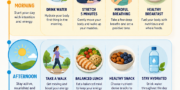
A Practical Daily Eye-Health Routine
Instead of trying twelve new habits tomorrow, build a routine around your existing day.
Morning
- Eat a balanced breakfast.
- If you spend the day indoors, arrange your workspace comfortably.
- Keep prescribed glasses or contact lenses available as directed.
- If you will spend time outdoors, remember appropriate UV protection.
During Work or Study
- Follow regular screen breaks.
- Blink normally rather than staring continuously.
- Increase text size when necessary.
- Reduce distracting glare.
- Change position periodically.
During the Day
- Drink according to your normal hydration needs.
- Eat a varied diet.
- Include movement or exercise.
- Avoid smoking.
- Pay attention to persistent symptoms rather than automatically blaming screens.
Outdoors
- Use sunglasses with appropriate UVA and UVB protection.
- Wear protective eyewear for activities where eye injury is possible.
Evening
- Give yourself time away from continuous close-up screen use.
- Notice whether symptoms repeatedly appear at a particular time.
- Prioritize a healthy sleep routine.
The objective is not perfection.
A sustainable routine repeated for months is more useful than an elaborate “eye detox” routine abandoned after four days.
My Personal Perspective on Building Better Eye Habits
When I spend a long time writing or working on a screen, I try not to remain focused on the display for hours without a break. Looking away regularly gives my eyes a chance to relax. I also pay attention to the lighting around my workspace and include nutritious foods in my usual meals. When I go outdoors, wearing sunglasses is another simple habit I try to maintain. Most importantly, I do not assume that persistent blurry vision is simply a result of tired eyes; if it continues, I believe it is better to have the problem properly evaluated.
Small habits are useful, but they should never become an excuse for ignoring a genuine vision problem.
This personal perspective is not medical evidence. It is simply a practical way of turning general eye-health recommendations into habits that are easier to maintain.
When to Seek an Eye-Care Professional
Not every eye symptom should be managed at home.
Make an appointment if you experience:
- persistent blurry vision
- recurring headaches associated with visual tasks
- continuing eye strain
- ongoing dryness or irritation
- difficulty seeing clearly with your current glasses or contact lenses
- unexplained changes in vision
- repeated squinting to see clearly
- symptoms that continue despite reasonable screen and environmental changes
The National Eye Institute notes that headaches, tired eyes, and eye strain can sometimes be reasons to have your eyes examined. National Eye Institute: Test Your Eye Health Knowledge

Seek Prompt Medical Attention for Sudden or Serious Symptoms
Do not wait for a natural remedy to work if you experience:
- sudden vision loss
- a sudden major change in vision
- new flashes of light
- a sudden increase in floaters
- a curtain or shadow across part of your vision
- significant eye pain
- a painful red eye accompanied by vision changes
- sudden double vision
A sudden increase in floaters or flashes can be associated with retinal problems requiring urgent assessment. National Eye Institute: Retinal Detachment
Severe eye pain, redness, and blurry vision can also occur with certain urgent eye conditions. National Eye Institute: Glaucoma
Can You Improve Eyesight Naturally Without Glasses?
Sometimes people use “improve eyesight naturally” when what they really want is to stop wearing glasses.
Healthy habits can support the health of your eyes, but they should not be presented as a guaranteed method for eliminating prescription lenses.
Glasses and contact lenses resolve refractive problems so that light is focused more appropriately for clear vision. An eye examination can determine whether you have nearsightedness, farsightedness, astigmatism, or another vision issue. National Eye Institute: Get a Dilated Eye Exam
If you need glasses, wearing them is not a sign that you have unhealthy eyes.
It is simply one way of correcting your vision.
Frequently Asked Questions
What are the best natural ways to improve eye health?
The most useful habits include eating a balanced diet, staying physically active, avoiding smoking, protecting your eyes from UV exposure, taking screen breaks, blinking during prolonged close work, protecting your eyes from injury, and obtaining appropriate eye examinations. National Eye Institute: Keep Your Eyes Healthy
Can screen breaks reduce eye strain?
Yes. Regular breaks are commonly recommended for people who spend long periods using computers and other digital devices. The 20-20-20 approach is one practical method for creating those breaks. National Eye Institute: Keep Your Eyes Healthy
Does blinking help dry eyes from screens?
Blinking helps maintain the tear film on the eye’s surface, and prolonged screen concentration can reduce blinking. Taking breaks and remembering to blink normally can therefore be useful for screen-related discomfort. American Academy of Ophthalmology EyeWiki: Digital Eye Strain
What foods support healthy eyes?
A varied diet containing vegetables, particularly dark leafy greens, fruits, whole foods and appropriate sources of omega-3 fatty acids can support overall health and eye health. National Eye Institute: Healthy Vision
Are carrots enough to improve eyesight?
No. Carrots are nutritious and provide beta-carotene, but eating carrots should not be presented as a way to eliminate glasses or dramatically sharpen normal vision.
Can eye exercises improve eyesight?
Eye exercises may have a role in specific clinical situations, but they should not be promoted as a universal cure for refractive errors. Persistent blurry vision deserves appropriate assessment rather than relying exclusively on exercises.
Can screen time permanently damage eyesight?
Screen use can contribute to digital eye strain and symptoms such as dryness and tired eyes, particularly during prolonged use. That is different from claiming that ordinary screen use automatically causes permanent vision loss. Regular breaks, blinking and a comfortable viewing environment can help reduce symptoms. American Academy of Ophthalmology EyeWiki: Digital Eye Strain
When should I get an eye exam for blurry vision?
If blurry vision is persistent, unexplained, recurrent, or interfering with normal activities, arrange an eye examination. Sudden or major changes in vision should receive prompt medical attention.
Can blurry vision go away naturally?
Temporary visual discomfort or fluctuating blur can sometimes be associated with factors such as dry eye or prolonged screen use. However, you should not assume that persistent blurry vision will disappear naturally. An eye care professional can determine the cause.
How can I protect my eyesight as I get older?
Maintain healthy lifestyle habits, avoid smoking, eat a balanced diet, protect your eyes from UV exposure, manage health conditions such as diabetes and high blood pressure, and obtain eye examinations at intervals appropriate for your individual risk. National Eye Institute: Keep Your Eyes Healthy
Final Thoughts
The most responsible way to think about natural ways to improve eye health is not as a race to achieve perfect eyesight without glasses.
Your eyes need protection, nutrition, healthy circulation, appropriate visual habits, and professional attention when something changes.
- A screen break will not correct every refractive error.
- A carrot will not replace an eye examination.
- An eye exercise will not automatically reverse an eye disease.
But those facts should not make healthy habits seem unimportant.
Regular breaks can make screen-heavy work more comfortable. Blinking can help maintain the eye surface. A nutritious diet supports the body that supports your eyes. Physical activity contributes to better overall health. Sunglasses can reduce UV exposure. Avoiding smoking removes an important risk factor. Protective eyewear can prevent injuries. Eye examinations can identify problems that lifestyle habits alone cannot detect.
That is the bigger lesson.
Healthy vision is not created by one miracle food, one exercise, or one supplement. It is supported by a pattern of sensible decisions over time.
And when your vision changes in a way you cannot explain, the smartest “natural eye-care” decision may simply be to stop guessing and get your eyes checked.
Author Note
About the Author: RVLNSV PRASAD
RVLNSV PRASAD is the health content writer and creator of HealthTipsToYou. This article was prepared using established eye-health information from sources including the National Eye Institute and the American Academy of Ophthalmology. The goal is to provide practical, evidence-informed health education while clearly distinguishing general lifestyle guidance from situations requiring professional evaluation.
For more information about the website’s editorial approach, see the site’s About Us, Author Biography, and Editorial Policy pages.
Medical Disclaimer
This article is for general educational purposes only. It is not a diagnosis, medical consultation, or substitute for examination and treatment by a qualified eye-care professional.
Individual causes of blurry vision, eye pain, dryness, flashes, floaters, and other visual symptoms can vary considerably. Do not delay professional care because of information presented in this article. Seek urgent medical attention for sudden vision loss, major changes in vision, severe eye pain, new flashes, a sudden increase in floaters, a curtain-like shadow, or other serious visual symptoms.
Do not start high-dose vitamins, minerals, or eye-health supplements solely because of information in an online article. Certain supplements are appropriate only for specific medical conditions and may not be suitable for everyone.
Fitness Disclaimer
Physical activity is included in this article as part of general health guidance. Choose exercise appropriate for your age, fitness level, and medical circumstances. If you have a medical condition, have been inactive for a long period, or develop concerning symptoms during exercise, speak with an appropriate healthcare professional before significantly changing your activity level.
Trusted Evidence-Based Sources
- National Eye Institute — Keep Your Eyes Healthy
- National Eye Institute — Get a Dilated Eye Exam
- National Eye Institute — Dry Eye
- American Academy of Ophthalmology EyeWiki—Digital Eye Strain
- National Eye Institute — 8 Things You Can Do Right Now to Protect Your Vision
- National Eye Institute — AREDS/AREDS2 Clinical Trials
- National Eye Institute — Retinal Detachment
- National Eye Institute — Glaucoma
More stories from this blog:
Depression and Weight Loss Treatment: Natural Remedies, Therapies, and Lifestyle Tips
How to Stay Active While Working from Home: A Comprehensive Guide



[…] Natural Ways to Improve Eye Health: 12 Habits That Support Healthy Vision […]