























































































































































Weight Loss Exercises: 8 Practical Options That Actually Fit Real Life
Author: R.V.L.N.S.V. Prasad
Last Updated: August 2026
Introduction
In this blog post, I’ll explain 8 weight loss exercises that can fit into a busy daily routine.
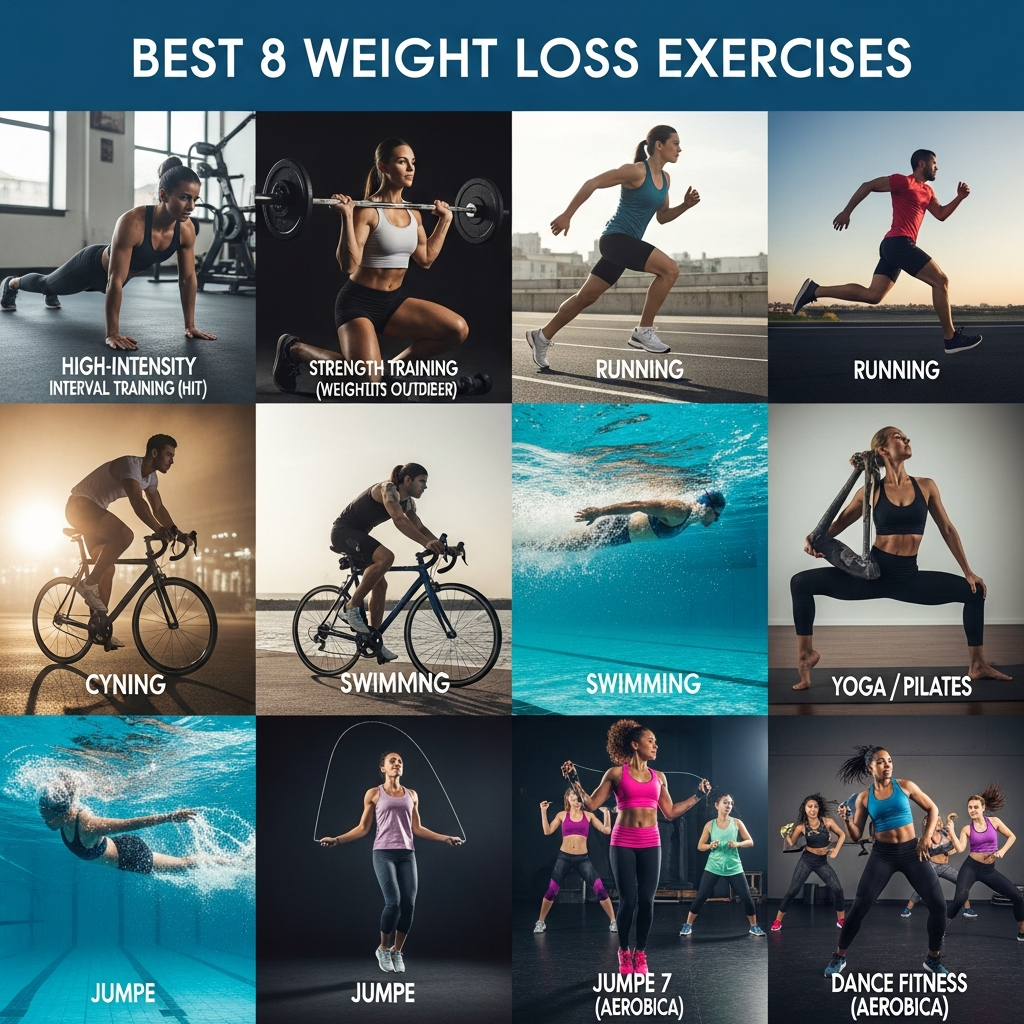
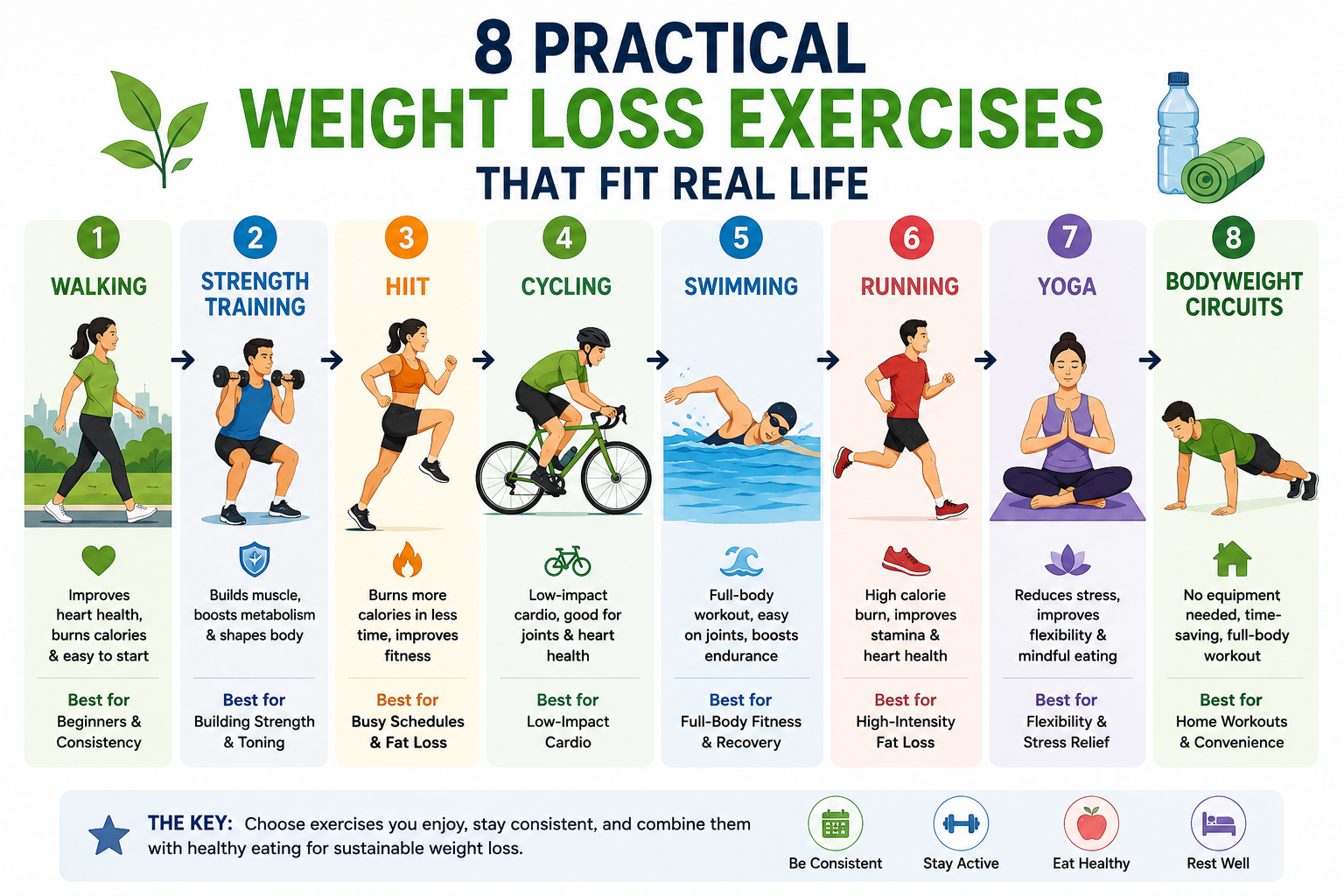
These exercises for weight loss include simple options such as walking, strength training, cycling, swimming, and bodyweight workouts.
Most people don’t fail at exercise because they lack discipline. They struggle because the routine they choose doesn’t fit into their daily life.
I know this from experience. I’ve followed strict gym plans, intense schedules, and “perfect” routines I found online. They worked for a few weeks. Then work got busy, energy dropped, and everything stopped.
What finally worked wasn’t a harder workout plan. It was a more sustainable approach to exercise.
For beginners, beginner-friendly workouts that can be adjusted to their fitness level are often easier to maintain than demanding routines.
This guide covers a mix of cardio and strength training, along with low-impact and at-home options, so you can choose an approach that fits your schedule and fitness level.
Quick Answer
There is no single best exercise for weight loss. Walking, strength training, cycling, swimming, running, HIIT, yoga, and bodyweight workouts can all be useful when they are performed consistently. For most adults, a balanced routine includes aerobic activity along with muscle-strengthening exercise. If you are new to exercise, start at a comfortable level and gradually increase your activity over time, following CDC physical activity recommendations for adults.
Then mention that adults generally benefit from 150–300 minutes of moderate aerobic activity per week or 75–150 minutes of vigorous activity, plus muscle-strengthening activity on at least 2 days per week, based on current physical-activity guidance.
Why Exercise Matters for Weight Loss
It’s easy to think exercise is only about burning calories. But regular physical activity provides benefits that go beyond energy expenditure.
Regular movement helps your body:
- Use energy more efficiently
- Maintain muscle while losing fat
- Improve metabolism over time
- Handle stress better
- Reduce cravings and emotional eating
According to Harvard Health Publishing, combining aerobic activity, strength training, and flexibility gives the best long-term health results.
From my own experience, the first noticeable benefit wasn’t weight loss—it was improved energy. Once that improved, consistency became much easier.
Exercise can contribute to weight loss, but it works best as part of an overall healthy lifestyle that includes sustainable eating habits and regular physical activity, as explained by the National Institute of Diabetes and Digestive and Kidney Diseases (NIDDK).
What Makes an Exercise Effective for Weight Loss?
Not every workout needs to be intense to support weight management. The most useful exercise is often the one you can perform consistently and safely.
When choosing exercises for weight loss, look for activities that:
- Can be performed consistently
- Match your current fitness level
- Fit into your daily routine
- Can be progressed gradually
- Are enjoyable enough to keep doing
A realistic routine that you can maintain for months is usually more useful than an intense workout plan that you abandon after a few weeks.
8 Weight Loss Exercises That Actually Work
1. Why walking can be a good choice:
- Low-impact and accessible for many beginners
- Can be performed outdoors or on a treadmill
- Requires little or no equipment
- Easy to adjust by changing your pace or duration
Even 30–45 minutes of brisk walking daily can support fat loss and improve overall health.
For many people—including me—this is the habit that sticks first.
Mayo Clinic explains that walking can support weight loss, while results depend on factors such as duration, pace, and overall energy balance.
You can start with a comfortable amount of walking and gradually increase your time or pace. A brisk pace can increase the intensity of the workout, but beginners do not need to start with long or fast sessions, as Mayo Clinic’s guidance on walking and weight loss explains.
2. Strength Work (Crucial for Long-Term Progress)
If you’re trying to lose weight, strength training can help build and maintain muscle while improving strength and physical function.
Why strength training can help:
- Helps build and maintain muscle
- Improves muscular strength
- Supports physical function and mobility
- Can complement aerobic exercise during a weight-management program
Beginner-friendly strength exercises include:
- Squats or chair squats
- Wall or incline push-ups
- Lunges or supported lunges
- Glute bridges
- Resistance-band exercises
Research suggests that resistance training can help preserve or improve lean mass and strength during weight loss, making it a useful part of a balanced exercise routine.
Then link the final sentence to your PubMed systematic review.
3. HIIT (High Intensity Interval Training)
HIIT can be a time-efficient option for people who already tolerate higher-intensity exercise.
Beginner example:
- 20–30 seconds of faster movement
- 60–90 seconds of recovery
- Repeat 4–6 times
- Warm up first
- Cool down afterward
Potential benefits include:
- Can provide a challenging cardiovascular workout in less time
- Can improve cardiovascular fitness
- Can be adapted to different activities and fitness levels
If you are new to exercise, start with lower-intensity intervals and allow enough recovery between harder sessions.
4. Cycling: A Low-Impact Cardio Option
If jogging is too hard, then cycling is an excellent solution.
Advantages:
Cycling is a low-impact aerobic activity that can be performed outdoors or on a stationary bike. You can adjust the resistance and pace according to your fitness level.
Beginners can start at a comfortable pace and gradually increase the duration, speed, or resistance as their fitness improves.
5. Swimming (Whole Body Workout)
Swimming uses multiple muscle groups while providing an aerobic workout with relatively low impact on the joints.
Ideal for:
- People looking for low-impact exercise
- Beginners who are comfortable in the water
- People who enjoy full-body aerobic activity
Water-based training is beneficial for strength and endurance, says the Centers for Disease Control and Prevention.
6. Running or Jogging: A Higher-Intensity Cardio Option
Running is more demanding than walking, so beginners should increase duration and intensity gradually
Beginner method:
- Combine walking + jogging
- Increase time gradually
- Consistency is the key
One of the big reasons people quit is because they go too fast too soon.
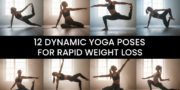
7. Yoga (Indirect Aid to Fat Loss)
Yoga may not provide the same aerobic intensity as running or HIIT, but it can complement a weight-management routine by supporting flexibility, mobility, balance, and stress management.
Potential benefits include:
- Supporting stress management
- Improving flexibility and mobility
- Developing balance and body awareness
- Providing a gentle form of physical activity
Yoga may complement a weight-management routine by supporting flexibility, mobility, stress management, and regular movement.
8. The bodyweight Circuits: A Simple Home Workout Option
These bodyweight circuits combine several exercises into one workout.
Example of one circuit:
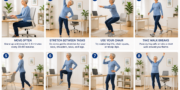
- Chair squats
- Wall push-ups
- Marching in place
- Modified plank
Repeat 3-4 rounds.
Advantages:
- Time-saving
- Equipment not required
- Full-body workout
It is perfect for working out and exercising at home.
Cardio vs. Strength Training for Weight Loss
Explain:
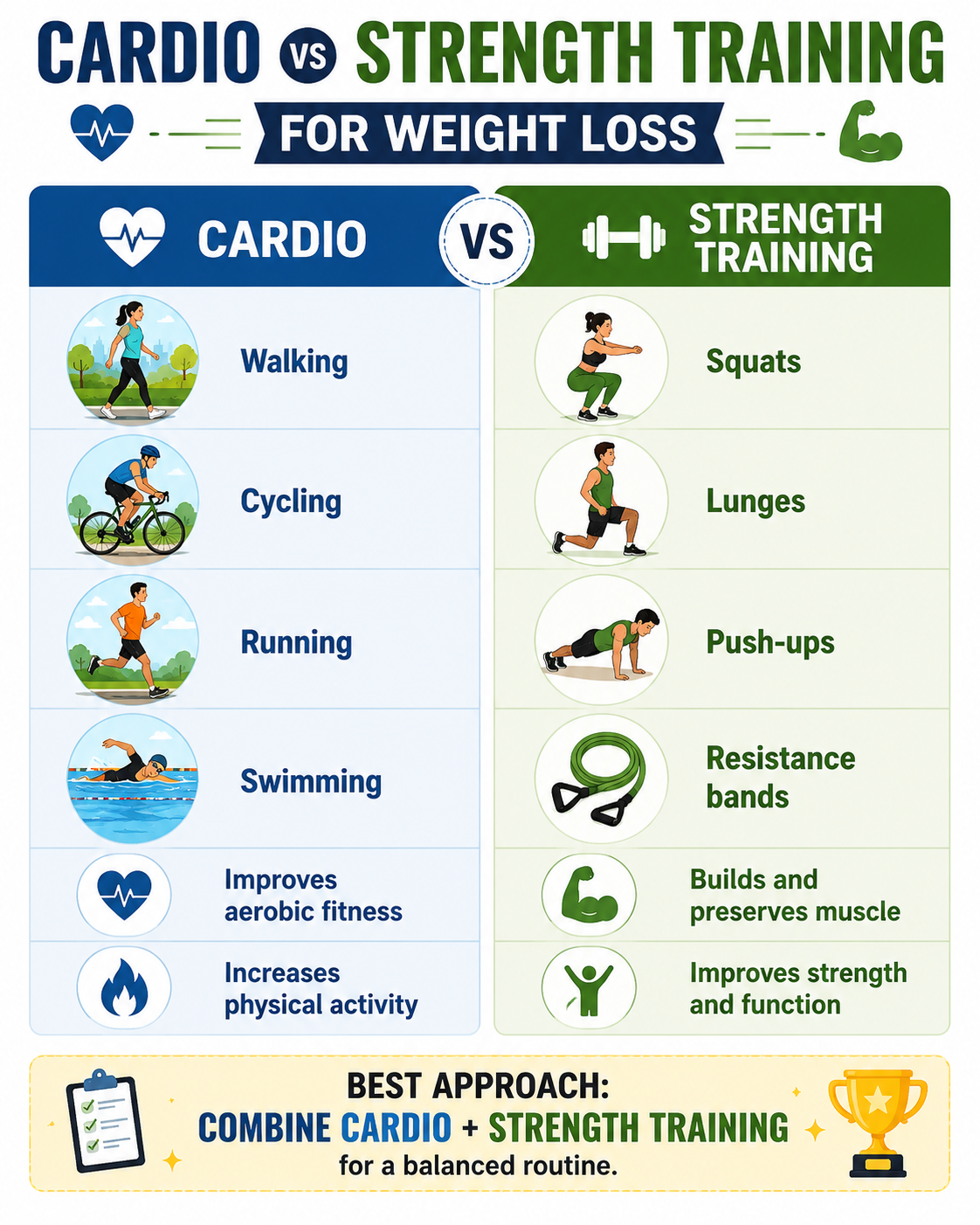
Cardio → aerobic fitness and increased activity.
Strength training → strength and muscle preservation.
Then your conclusion:
You don’t necessarily have to choose one. Combining aerobic activity with strength training can create a more balanced exercise routine.
This gives you natural opportunities for related terms such as
- cardio for weight loss
- strength training for weight loss
- resistance training
- aerobic exercise
Use each only where it makes sense.
For many people, combining cardio and strength training is more practical than relying on only one type of exercise. You can choose activities based on your fitness level, schedule, and preferences, then increase your activity gradually over time. The CDC’s adult physical activity recommendations include both aerobic activity and muscle-strengthening activity.
How Many Calories Do Weight Loss Exercises Burn?
Explain that calorie expenditure varies according to:
- body weight
- intensity
- duration
- fitness level
- exercise type
Rather than focusing on the calories shown by a fitness tracker, focus on gradually increasing activity and building a routine you can maintain.
Beginner Weight Loss Exercise Routine
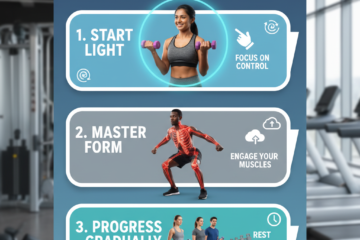
If you’re new to exercise, start with manageable sessions rather than trying to follow an advanced schedule.
Beginner
- Walking: 20–30 minutes, 3–5 days/week
- Strength training: 2 days/week
- Gentle mobility or stretching
- At least one recovery day
Progression
Gradually increase:
- Duration
- Frequency
- Intensity
Don’t immediately recommend the “advanced” schedule to everyone.
7-Day Beginner Weight Loss Exercise Plan
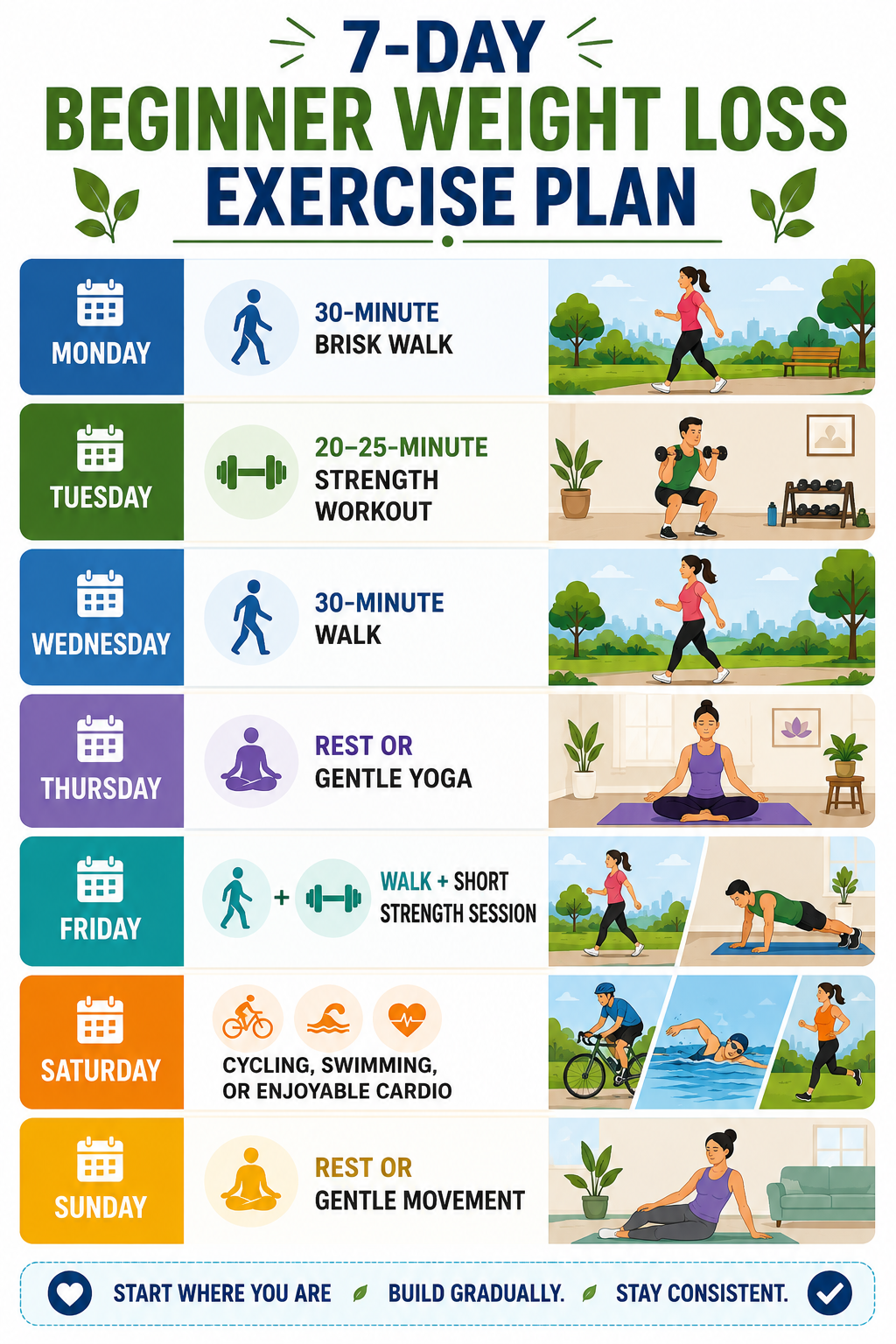
Monday: 30-minute brisk walk
Tuesday: 20–25-minute strength workout
Wednesday: 30-minute walk
Thursday: Rest or gentle yoga
Friday: 30-minute walk + short strength session
Saturday: Cycling, swimming, or another enjoyable cardio activity
Sunday: Rest or gentle movement
If you are currently inactive, start with shorter sessions and gradually build toward the recommended activity level (CDC/HHS)
You can shorten these sessions if you’re currently inactive. The goal is to establish a routine first, then gradually increase your duration, frequency, or intensity. The CDC’s guidance for adding physical activity as an adult also emphasizes choosing activities that match your abilities and building activity gradually.
Real-Life Example
For example, imagine someone who has very little time for exercise.
We made it simple:
- 30 min walk most days.
- · Two short strength workouts a week
- Weekends riding.
Over the following weeks:
- Exercise became more consistent
- Energy and fitness improved
- The routine became easier to maintain
No extreme workouts Only consistency
How Much Exercise Do You Need for Weight Loss?
The amount of exercise needed for weight loss varies from person to person. Your starting fitness level, eating habits, body size, activity level, and other factors can affect how much physical activity you need.
For general health, U.S. physical-activity guidelines recommend that adults get at least 150 minutes of moderate-intensity aerobic activity each week or 75 minutes of vigorous-intensity activity, or an equivalent combination. Adults should also perform muscle-strengthening activities on at least 2 days each week, according to the CDC’s physical activity recommendations for adults.
Some people may need more activity to support weight loss or maintain weight loss. However, you don’t have to reach a large weekly target immediately. If you’re currently inactive, start with shorter sessions and gradually build your activity over time.
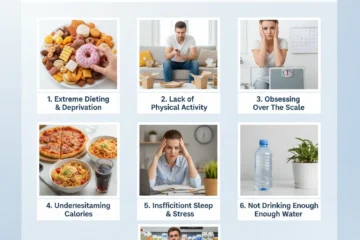
Mistakes That Hold Up Progress
- Going in too hard
- Lack of strength training
- Wanting results fast
- Inconsistencies
- Trying to exercise every day without recovery
- Choosing workouts that are too difficult
- Relying only on exercise while ignoring eating habits
- Expecting rapid results
- Comparing your progress with other people
A simple routine practiced frequently is preferable to a perfect plan practiced rarely.
Exercise and Diet: Why Both Matter for Weight Loss
Explain that:
Exercise is an important part of a healthy weight-management plan, but eating habits also affect weight. A structured eating approach can make it easier to build sustainable habits. See our 4 Week Diet Plan for Weight Loss for practical meal-planning ideas.
Mayo Clinic specifically discusses diet and exercise together in weight management
Regular exercise can increase physical activity, improve fitness, and support overall health. At the same time, sustainable eating habits can help manage energy intake. Guidance from the National Institute of Diabetes and Digestive and Kidney Diseases (NIDDK) emphasizes the role of both healthy eating and physical activity in weight management.
What Most People Don’t Realize About Weight Loss Exercise
You don’t need to exercise every day.
Explain recovery.
More intensity isn’t always better.
Explain sustainability.
Small amounts of movement add up.
Mention walking, household activity, and reducing prolonged sitting.
Exercise doesn’t need to feel extreme.
How Long Does It Take to See Results?
Explain that results vary.
Factors include:
- starting body weight
- eating habits
- activity level
- sleep
- consistency
- medications
- health conditions
You may notice improvements in fitness, energy, strength, or endurance before seeing a major change on the scale. Exercise can also provide important health benefits beyond changes in body weight, as explained by Harvard Health’s discussion of exercise and weight loss.
How to Build a Routine You’ll Stick To
Start simple:
- Exercise 3–4 days per week
- Combine cardio and strength
- Choose activities you enjoy
Then improve gradually.
Safety Tips Before Starting
Include:
- Start gradually.
- Warm up.
- Use proper technique.
- Increase intensity slowly.
- Take recovery days.
- Stop if you experience concerning symptoms.
- Seek professional guidance if you have a medical condition or are unsure whether vigorous exercise is appropriate.
Useful Resources
CDC
Mayo Clinic
NIH/NIDDK
Harvard Health
Peer-reviewed research
About the Author
I’ve spent several years testing practical fitness routines after struggling with inconsistent exercise habits. This article combines real-life experience with evidence from trusted health organizations to help people build sustainable routines—not short-term fixes.
Frequently Asked Questions
1. What is the best exercise for weight loss?
There is no single best exercise for everyone. Walking, strength training, cycling, swimming, running, HIIT, and bodyweight workouts can all support weight management. The best choice is an activity that matches your fitness level, fits your schedule, and is realistic enough to perform consistently.
2. Can walking help with weight loss?
Yes. Walking increases physical activity and can contribute to weight management. Beginners can start with a comfortable pace and gradually increase their walking time or intensity. Combining regular walking with sustainable eating habits can make the approach more effective over time.
3. Is cardio or strength training better for weight loss?
Both can be useful. Cardio exercises such as walking, cycling, and running can improve aerobic fitness and increase physical activity. Strength training can help build and maintain muscle while improving strength and physical function. For additional exercise ideas, see our 13 Best Ways To Boost Metabolism With Exercise.
4. How often should I exercise to lose weight?
The amount of exercise needed varies between individuals. For general health, adults are generally advised to get at least 150 minutes of moderate-intensity aerobic activity or 75 minutes of vigorous activity each week, along with muscle-strengthening activity on at least 2 days. Beginners should start at a manageable level and gradually increase their activity.
5. Can I do weight loss exercises at home?
Yes. You can perform many effective exercises at home without expensive equipment. Walking, chair squats, wall push-ups, glute bridges, modified planks, and marching in place are examples of beginner-friendly exercises. The key is to choose activities you can perform safely and consistently.
6. How long does it take to see results from exercise?
There is no fixed timeline because weight-loss results vary from person to person. Eating habits, starting weight, activity level, sleep, health conditions, and consistency can all influence progress. You may notice improvements in fitness, strength, and energy before seeing a major change in body weight.
Final Thoughts
Weight loss exercises don’t need to be extreme or complicated to be effective. Walking, strength training, cycling, swimming, running, HIIT, yoga and bodyweight workouts can all have a place in a sustainable fitness routine.
The best approach is to choose exercises that match your fitness level, fit your schedule, and are realistic enough to continue consistently. Combine cardio with strength training, increase your activity gradually, allow enough recovery, and support your workouts with sustainable eating habits.
If you’re just getting started, keep it simple. Begin with an activity such as walking, add basic strength exercises, and gradually build your routine as your fitness improves.
You don’t need the perfect workout. You need a realistic routine you can keep doing.
Related Articles
- 4 Week Diet Plan for Weight Loss
- 13 Best Ways To Boost Metabolism With Exercise
- How to Burn 1000 Calories Daily
- Weight Loss






[…] Best 8 Weight Loss Exercises […]
[…] Best 8 Weight Loss Exercises […]
[…] Best 8 Weight Loss Exercises […]
[…] Best 8 Weight Loss Exercises […]
[…] Best 8 Weight Loss Exercises […]
[…] Best 8 Weight Loss Exercises […]
[…] Best 8 Weight Loss Exercises […]
[…] Best 8 Weight Loss Exercises […]
[…] Best 8 Weight Loss Exercises […]
[…] Best 8 Weight Loss Exercises […]
[…] Best 8 Weight Loss Exercises […]
[…] Best 8 Weight Loss Exercises […]
[…] Best 8 Weight Loss Exercises […]
[…] Best 8 Weight Loss Exercises […]