






















































































































































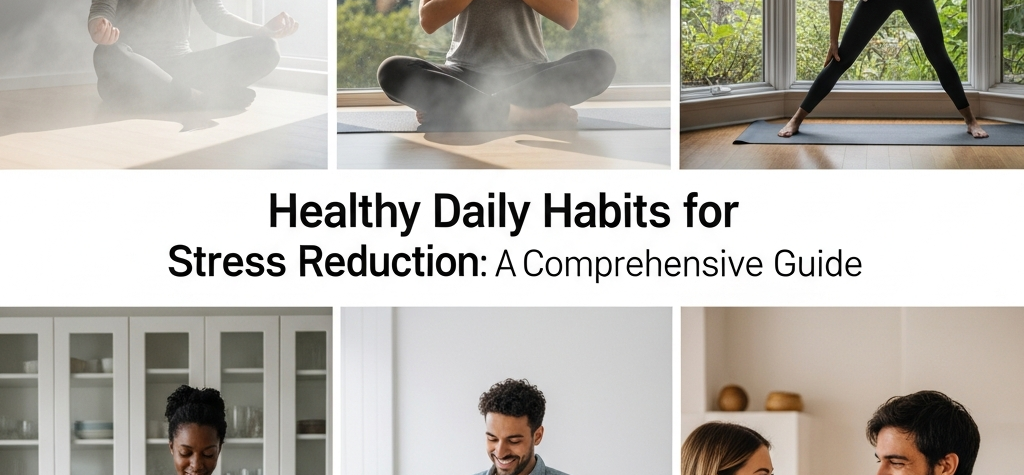
10 Daily Habits to reduce Stress Naturally: A Science-Backed Guide to Feeling Calmer Every Day
Author: RVLNSV PRASAD
Updated On: October 2026
About Us
Author Bio
Editorial Policy
Contact Us
Medical review: This article has not been independently reviewed by a qualified healthcare professional.
Author’s Note
As I read research about lifestyle medicine and mental well-being throughout the years, I noted how people tend to seek one quick fix to ease stress. The truth is that lasting change comes from small everyday behaviors, not from the extraordinary. Learning from the recommendations by reputable health organizations and seeing how simple routines are integrated into day-to-day living, I’ve discovered that persistent habits may often make controlling stress seem much more attainable.
This guide offers simple, science-backed, actionable techniques that are easy to start even when you’re short on time.
Introduction
Daily habits to reduce stress naturally can help you develop practical ways to cope with everyday pressures. Work responsibilities, family commitments, financial concerns, and constant digital notifications can leave you feeling mentally exhausted. Although stress is a normal response to challenging situations, persistent stress can affect sleep, concentration, mood, and overall well-being.
The National Institute of Mental Health (NIMH) recommends healthy practices such as regular physical activity, sufficient sleep, relaxing activities, and staying connected with supportive people as ways to support mental health. The Centers for Disease Control and Prevention (CDC) also provides practical guidance for managing stress and supporting emotional well-being.
You do not need to change your entire routine overnight. Starting with manageable actions, such as taking a short walk, practicing gentle breathing, maintaining a consistent sleep schedule, or spending time outdoors, may help you build a routine that supports your well-being. However, these habits do not eliminate every source of stress, and their effects can vary from person to person.
In this guide, you will learn 10 practical, evidence-informed daily habits to help manage everyday stress, understand how to incorporate them into your routine, and recognize when persistent stress may require professional support.
Daily Habits to Reduce Stress Naturally
Sometimes life can feel overwhelming. Work responsibilities, family commitments, financial concerns, and a constant stream of phone notifications can contribute to mental fatigue and emotional strain. When these pressures build up, it may become harder to relax, concentrate, or maintain a healthy sleep routine.
The good news is that you do not necessarily need expensive products or complicated routines to begin managing everyday stress. Simple practices, such as regular physical activity, adequate sleep, relaxation exercises, and connecting with supportive people, may help you cope with stressful situations. The National Institute of Mental Health (NIMH) provides guidance on these and other ways to support mental well-being.
Stress is a natural response to challenges or perceived threats. In the short term, it can help you respond to demanding situations. However, persistent stress may affect sleep, mood, concentration, and physical health. The American Psychological Association (APA) explains how stress can affect the body, particularly when it becomes ongoing.
Rather than waiting until stress feels unmanageable, you can start building small, realistic routines that fit your everyday life. For example, taking a short walk after work, practicing gentle breathing, or setting aside time to unwind before bed may provide useful opportunities to pause and recharge. The benefits vary between individuals, and lifestyle changes cannot remove every source of stress.
Trying to change everything at once can feel overwhelming. Start with one manageable habit, practice it regularly, and add another when you feel ready. The goal is not to eliminate stress completely but to develop healthier ways to respond to it.
In this guide, you will discover 10 practical, evidence-informed daily habits, learn how to incorporate them into your routine, and understand when ongoing stress may require professional support.
Key Takeaways
- Big changes made occasionally tend to have less long-term influence than small habits done every day.
- Regular physical activity, quality sleep, healthy eating, and mindfulness can help mental wellness.
- Having a regular schedule helps your body to better manage stress.
- The goal of stress management is to reduce the negative effects of stress, not to eliminate it altogether.
- Healthy habits work best when you do them well, not perfectly.
- Oftentimes a combination of several simple behaviors will be more beneficial than any one method.
What Is Stress?
Stress is the body’s physical and psychological response to challenges, demands, or situations that feel threatening or difficult to manage. It can affect how you think, feel, and behave, as well as how your body functions.
When your brain perceives a threat or challenge, it activates stress-response systems. Hormones such as adrenaline and cortisol help prepare your body to respond. Your heart rate may increase, your alertness may rise, and energy becomes more readily available to help you deal with the situation. This response can be useful in the short term, such as when you need to react quickly to danger or manage a demanding task.
However, stress that continues over an extended period, especially without adequate recovery, may affect physical and mental well-being. According to the National Institute of Mental Health (NIMH), ongoing stress can affect sleep, mood, concentration, and other aspects of health.
Prolonged stress may be associated with symptoms such as:
-
Difficulty concentrating
-
Trouble falling asleep or staying asleep
-
Muscle tension
-
Headaches
-
Irritability or changes in mood
-
Digestive discomfort
-
Fatigue or low energy
-
Changes in appetite
These symptoms can have other causes, too, so they should not automatically be attributed to stress.
The World Health Organization (WHO) explains that mental well-being is influenced by a range of individual, social, and environmental factors. Although you cannot avoid every stressful situation, healthy coping strategies, supportive relationships, and appropriate professional help when needed can make stress easier to manage.
How Stress Impacts Your Mind and Body
Stress can affect several systems in the body, including the nervous, cardiovascular, digestive, and musculoskeletal systems. The effects depend on the intensity and duration of stress, as well as individual health and circumstances. The American Psychological Association (APA) explains how the body’s stress response can influence physical and mental health.
Brain
Ongoing stress may make it harder to concentrate, remember information, or make decisions. Some people also experience irritability, increased worry, or racing thoughts. These symptoms can have other causes, so they should not automatically be attributed to stress.
Heart
Short-term stress can temporarily increase heart rate and blood pressure as the body prepares to respond to a challenge. When stress is persistent, repeated activation of the stress response can contribute to cardiovascular risk over time. Learn more from the American Psychological Association’s explanation of stress and the body.
Immune System
Prolonged stress can influence immune-system regulation, although the effects vary among individuals. It does not mean that everyone experiencing stress will develop an illness or recover more slowly from infections. The National Institute of Mental Health (NIMH) explains that ongoing stress can affect several aspects of health.
Muscles
Stress can cause muscles to tense, particularly around the neck, shoulders, and jaw. If this tension continues, some people may experience stiffness, soreness, or discomfort. Gentle movement, stretching, and relaxation practices may help ease tension for some individuals.
Sleep
Stress can make it difficult to fall asleep or stay asleep. Poor sleep may then make it harder to manage emotions and cope with everyday demands, creating a cycle that can be difficult to break. The American Psychiatric Association’s lifestyle guidance discusses the importance of restorative sleep and consistent sleep habits for mental well-being.
Understanding these effects helps explain why daily habits that support sleep, movement, relaxation, and social connection can be useful parts of a broader stress-management approach. These habits are not a substitute for professional care when symptoms are severe or persistent.
Why Daily Habits Matter More Than Quick Fixes
Products that promise immediate stress relief can sound appealing, especially when life feels overwhelming. However, no single product or technique works for everyone, and lasting stress management often involves several approaches rather than one quick solution.
Think of building healthy routines as developing physical fitness: one workout is unlikely to produce lasting changes on its own, while regular activity over time can support health. Stress management is similar in that consistent, realistic habits may help you cope more effectively, although results differ from person to person.
Simple changes to your routine, such as moving regularly, maintaining a sleep schedule, practicing relaxation techniques, and staying connected with supportive people, may support mental well-being. The American Psychiatric Association identifies physical activity, nutrition, mindfulness practices, restorative sleep, and social connections as important lifestyle areas for mental health.
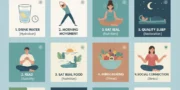
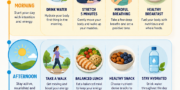
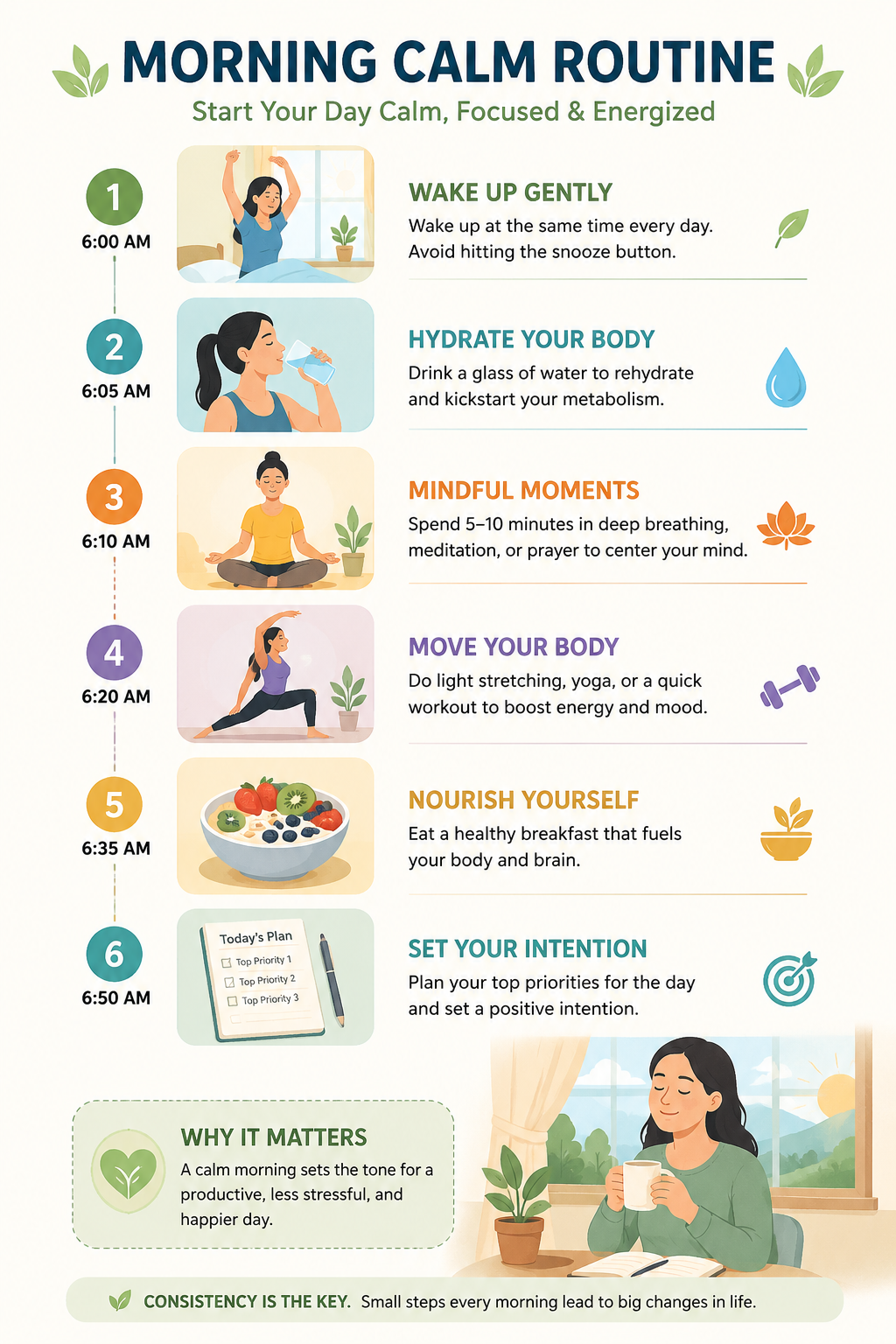
A calm morning routine can also provide a useful opportunity to pause before daily responsibilities begin. The infographic below presents six simple morning habits you can try to create a calmer start to the day. These habits may help you feel more prepared, but they cannot guarantee that you will feel calm, focused, or energized every morning.
1. Start Your Day Without Looking at Your Phone
Many people check their phones soon after waking up. Emails, social media posts, news alerts, and work messages can introduce new demands before they have had time to prepare for the day.
For some people, checking notifications immediately can contribute to feelings of pressure or distraction. However, the effects of morning phone use vary, and there is limited evidence that everyone needs to avoid their phone for a specific period after waking.
Why It May Help
Delaying nonessential notifications for a few minutes may give you an opportunity to start the day more deliberately. Instead of immediately responding to messages, you can focus on preparing for your priorities and choosing how you want to begin the morning.
The American Psychological Association provides guidance on understanding stress and developing healthy ways to cope with everyday pressures. Taking a short break from digital interruptions may be one practical strategy if notifications contribute to your stress.
Simple Ways to Get Started
-
Drink a glass of water if you feel thirsty.
-
Stretch gently for a few minutes.
-
Open the curtains and let natural daylight into your room.
-
Take a few slow, comfortable breaths.
-
Write down one realistic priority for the day.
Common Mistake
Replacing social media with work emails immediately after waking may not provide the mental break you intended. If digital notifications make your mornings feel rushed, consider delaying both personal and work-related alerts when your responsibilities allow.
Beginner tip: Try keeping the first 10–15 minutes of your morning free from nonessential notifications. Treat the situation as a flexible experiment, not a medical rule, and adjust it to suit your schedule.
2. Move Your Body Every Day
Regular physical activity can support both physical health and emotional well-being. You do not need to perform intense workouts to get started. Brisk walking, cycling at a comfortable pace, dancing, gardening, and gentle stretching are practical ways to add movement to your daily routine.
The Centers for Disease Control and Prevention (CDC) explains that physical activity can improve sleep, reduce feelings of anxiety, and support brain health. These benefits make regular movement a useful part of a broader stress-management routine.
Why Movement Matters
Regular physical activity may help you:
-
Support a more positive mood.
-
Improve sleep quality.
-
Maintain energy and physical fitness.
-
Ease some forms of muscle tension.
-
Cope with everyday stress more effectively.
The effects vary between individuals, and physical activity is not a replacement for professional treatment when stress or anxiety becomes severe.
Simple Ways to Begin
-
Take a walk after dinner.
-
Use the stairs when appropriate.
-
Stretch gently during work breaks.
-
Dance to your favorite music.
-
Spend time gardening or doing other activities you enjoy.
Common Mistake
Waiting until you have a full hour available to exercise can make it harder to build a consistent routine. Start with an amount of movement that fits your schedule and current fitness level, then increase it gradually if comfortable.
Even a 10–15-minute walk can be a practical starting point. Short activity sessions contribute to your overall movement, although the benefits depend on factors such as intensity, frequency, and individual health.
3. Practice Slow, Gentle Breathing
When people feel stressed, their breathing may become faster or shallower. Slowing your breathing comfortably can provide a brief pause and may help promote relaxation.
You do not need special equipment to try this technique. Sit comfortably, relax your shoulders, and breathe gently through your nose if that feels comfortable. Then breathe out slowly, allowing the exhale to be slightly longer than the inhale if it feels natural. You do not need to hold your breath.
The NHS guide to breathing exercises for stress describes a simple breathing technique that can be practiced almost anywhere.
How It May Help
Slow, comfortable breathing may help you relax and reduce some feelings of tension. It can also give you a short mental break when you feel overwhelmed. However, breathing exercises do not work the same way for everyone and are not a substitute for professional care when stress or anxiety significantly affects daily life.
Practical Times to Try It
-
Before a meeting
-
During a break at work
-
Before bedtime
-
While waiting in a queue
-
After receiving stressful news
Choose a quiet or comfortable setting when possible, and continue breathing normally if you feel uncomfortable.
Common Mistake
Trying to take very deep breaths, breathing too quickly, or holding your breath for too long can cause discomfort or dizziness in some people.
Keep each breath gentle and comfortable rather than forcing it. Stop the exercise and return to normal breathing if you feel dizzy, breathless, or unwell.
4. Spend Time Outdoors Every Day
Spending time outdoors can provide a change of scenery, an opportunity to move your body, and a break from screens or indoor responsibilities. Natural daylight and green spaces may also support well-being, although the benefits vary depending on the person and environment.
You do not need to plan a long outdoor activity. A short walk around lunchtime or a few quiet minutes in a garden or park can be a manageable way to take a break from daily demands.
How Nature May Help
Research suggests that spending time in natural environments may help reduce perceived stress and support mood. Outdoor activities can also combine several helpful habits, such as light physical activity, exposure to daylight, and time away from digital distractions. However, spending time outdoors is not a guaranteed treatment for stress or other mental health conditions.
The National Park Service discusses potential health and well-being benefits associated with parks and time in nature.
Simple Ideas
-
Walk around your neighborhood.
-
Sit in a local park.
-
Water plants in your garden.
-
Enjoy your morning tea outdoors.
-
Read a book on a balcony or patio.
If it reflects your genuine experience, you could add a personal observation here: “I sometimes take a short evening walk without headphones. Paying attention to the birds, trees, and changing weather gives me a chance to step away from screens and everyday demands.”
Common Mistake
You do not need to spend hours outdoors to make this habit part of your routine. Start with a duration that fits your schedule, even if it is just a few minutes.
A 10–20-minute outdoor break can be a practical starting point, but this is a suggested routine rather than a scientifically established minimum for stress relief. Choose a safe, comfortable place and protect yourself from excessive heat or strong sunlight when necessary.
5. Prioritize Quality Sleep
Sleep gives your body and brain time to recover and supports memory, attention, emotional regulation, and overall health. Poor sleep can make it harder to concentrate, manage emotions, and cope with everyday stress. The National Heart, Lung, and Blood Institute (NHLBI) explains how insufficient sleep can affect mental and physical health.
Although sleep influences the body’s stress-response systems, it is inaccurate to say that stress-related hormones always return to normal during sleep. Sleep and stress can affect each other, and ongoing sleep difficulties may make daily challenges feel harder to manage.
The Centers for Disease Control and Prevention (CDC) provides guidance on healthy sleep habits and the importance of getting enough sleep.
Why It May Help
Getting sufficient, good-quality sleep may help you:
-
Support attention and concentration.
-
Regulate mood and emotional responses.
-
Maintain daytime alertness and energy.
-
Reduce fatigue associated with insufficient sleep.
-
Cope more effectively with everyday demands.
Simple Ways to Sleep Better
-
Keep your bedtime and waking time reasonably consistent.
-
Make your bedroom dark, quiet, and comfortably cool.
-
Avoid large meals close to bedtime if they cause discomfort.
-
Reduce stimulating screen use before bed if it interferes with winding down.
-
Try reading a book or doing gentle stretching as part of a relaxing bedtime routine.
For more practical suggestions, read our guide to simple habits for better sleep at night.
Common Mistake
Some people rely on sleeping longer during weekends to make up for insufficient sleep during the week. Extra sleep may help relieve some sleep debt, but it does not always fully reverse the effects of regularly inadequate sleep.
A more useful starting point is to aim for a consistent sleep schedule and enough sleep most nights. Most adults generally need at least seven hours of sleep per night, although individual needs vary. Explore our additional tips for falling asleep more easily.
6. Eat Regular, Balanced Meals
Skipping meals or relying heavily on snack foods may make it harder to meet your nutritional needs. Some people also notice changes in hunger, concentration, or energy when they go a long time without eating. However, these effects vary from person to person.
Eating balanced meals will not eliminate stress, but a varied diet can provide nutrients your body needs for normal functioning and overall well-being. The World Health Organization (WHO) recommends eating a variety of nutritious foods, including vegetables, fruits, whole grains, and pulses.
A balanced meal can include:
-
Vegetables
-
Protein sources, such as beans, lentils, eggs, fish, or lean poultry
-
Sources of unsaturated fats, such as nuts, seeds, or suitable plant oils
Combining these food groups can provide a range of nutrients and may help you feel satisfied after eating. For practical meal-planning guidance, see our simple healthy eating plan for beginners.
Why It May Help
Balanced meals can help you:
-
Obtain essential nutrients.
-
Support normal energy needs.
-
Include fiber and protein that may help you feel satisfied.
-
Develop a more consistent and varied eating pattern.
Food alone cannot treat every cause of stress, and no particular meal pattern guarantees a specific mood or energy outcome.
Quick Meal Ideas
Breakfast
-
Oatmeal with fruit and nuts
-
Whole-grain toast with eggs
Lunch
-
Brown rice with vegetables and grilled chicken
-
Lentil soup with salad
Dinner
-
Grilled fish with vegetables
-
Vegetable stir-fry with beans or tofu
Snack ideas
-
An apple with unsalted almonds
-
Berries with plain yogurt
-
Carrot sticks with hummus
Adapt these suggestions to your preferences, budget, allergies, and nutritional needs. Vegetarian options such as lentils, beans, and tofu can also provide useful sources of protein.
Common Mistake
When feeling anxious or overwhelmed, some people turn to sugary drinks or highly processed snacks for convenience or comfort. These foods can fit into an overall diet, but relying on them too heavily may leave less room for foods that provide fiber, protein, vitamins, and minerals.
Instead of trying to eliminate every snack food, make nutritious options easy to reach and choose water more often instead of sugar-sweetened drinks. The CDC’s guide to water and healthier drinks offers additional information.
7. Practice Gratitude Every Day
Gratitude does not mean pretending that life is perfect or ignoring difficult experiences. Instead, it involves noticing and appreciating meaningful moments, helpful people, or positive experiences, even when life feels challenging.
Research on gratitude suggests that gratitude practices may support emotional well-being for some people. However, the effects vary, and gratitude is not a substitute for professional care when someone is experiencing significant stress, anxiety, or depression. The Harvard Health Publishing guide to gratitude explains some of the potential benefits of practising gratitude.
Even small moments can be worth noticing.
Examples include:
-
Enjoying a peaceful morning.
-
Completing a difficult task.
-
Appreciating something that supports your well-being.
-
Receiving help or encouragement from a friend.
A Simple Gratitude Habit
At the end of the day, write down three things you appreciated or that went well. They do not need to be major achievements. You might include a pleasant conversation, a meal you enjoyed, or a quiet moment after a busy day.
If three items feel difficult to identify, start with just one. The purpose is to reflect honestly, not to force yourself to feel positive when you are struggling.
Common Mistake
Some people think gratitude should be reserved for major achievements or special occasions. In reality, you can practise noticing ordinary moments that matter to you.
Gratitude should not become pressure to ignore hardship or feel thankful for painful experiences. Allow yourself to acknowledge difficult emotions while making room for positive experiences when they occur.
8. Surround Yourself With Supportive People
Stress can feel more difficult to manage when you try to handle every problem alone. Talking with someone you trust may help you feel supported, consider a problem from a different perspective, and cope with challenging situations.
Supportive relationships are an important part of emotional well-being. The American Psychological Association explains that social support can help people manage stress. Although talking to someone will not solve every problem, feeling heard and understood may make a difficult day easier to handle.
Ways to Stay Connected
You do not need to plan a major activity to strengthen your relationships. Small, regular interactions can help you maintain meaningful connections.
-
Call a family member or trusted friend.
-
Meet a friend for coffee or take a short walk together.
-
Share a meal with people you enjoy spending time with.
-
Join a local community group or activity.
-
Volunteer in your neighborhood if you have the time and energy.
-
Send a simple message to someone you have not spoken with recently.
Even a brief conversation may help you feel less isolated. Choose people who listen respectfully and offer support without making you feel judged.
Common Mistake: Waiting Until Stress Becomes Overwhelming
Some people reach out only when they feel unable to cope. However, maintaining relationships during ordinary days can help keep those connections strong when life becomes challenging.
Try to stay in touch with people you trust, even when you are feeling well. You could schedule a weekly call, share a meal regularly, or send a quick message when you think of someone.
Remember that healthy support works both ways. You can listen to others while also being honest about your own needs. If stress continues to interfere with daily life, relationships, or sleep, consider speaking with a qualified mental health professional. Social support can be valuable, but it does not replace professional care when that is needed.
9. Create Screen-Free Times
Phones, computers, and televisions are part of everyday life. Technology helps us work, learn, and stay connected, but constant notifications and prolonged screen use can sometimes make it harder to relax.
Taking regular breaks from screens may give you more time to rest, focus on other activities, and connect with people around you. Screen use before bedtime is also worth reviewing because evening light and stimulating content can interfere with sleep for some people. The Centers for Disease Control and Prevention (CDC) provides guidance on healthy sleep habits.
How Screen-Free Time May Help
Taking breaks from digital devices may help you:
-
Relax mentally: Step away from a continuous stream of messages, news, and notifications.
-
Focus on one activity: Give your attention to reading, cooking, walking, or another task without frequent interruptions.
-
Support better sleep habits: Reduce stimulating screen activities close to bedtime if they keep you awake.
-
Strengthen personal connections: Give family members and friends your attention during conversations and shared activities.
-
Make room for movement: Use some screen breaks to stretch, walk, or spend time outdoors.
These benefits depend on your habits and circumstances. Screen-free time is not a guaranteed treatment for stress or sleep problems, but it can be a useful part of a balanced daily routine.
Easy Ways to Reduce Screen Time
You do not have to stop using technology completely. Start with small changes that fit your schedule.
-
Turn off notifications that are not important.
-
Keep your phone away during meals or face-to-face conversations.
-
Read a printed book or try another relaxing activity.
-
Take a short walk without checking your phone, when it is safe to do so.
-
Experiment with avoiding screens for the final 30–60 minutes before bedtime.
-
Set specific times to check messages instead of responding to every notification immediately.
If you need your phone for work, caregiving, accessibility, or emergencies, adjust these suggestions to suit your needs.
Common Mistake: Trying to Eliminate Technology Completely
Technology is useful, and avoiding every screen is neither necessary nor realistic for most people. An overly strict rule may become difficult to maintain.
Instead, choose one manageable boundary. You might keep meals screen-free or set aside a short period each evening for reading, stretching, or talking with family. Once that habit feels comfortable, you can decide whether another change would be helpful.
10. Make Time for Activities You Enjoy
Enjoyable activities are often among the first things people give up when life becomes busy. However, making room for hobbies and simple pleasures can provide a welcome break from daily responsibilities and support emotional well-being.
You do not need expensive equipment or a lot of free time to get started. Choose activities that fit your interests, energy level, and schedule.
Simple activities you can enjoy include:
-
Reading a book or an interesting article
-
Gardening or caring for houseplants
-
Painting, drawing, or doing crafts
-
Listening to your favorite music
-
Cooking a meal you enjoy
-
Taking photographs
-
Knitting or doing another hands-on hobby
-
Playing with your pet
-
Writing in a journal
-
Learning a new skill at your own pace
Even a short period spent doing something meaningful or enjoyable can offer a break from routine. The American Psychological Association’s guidance on stress discusses the importance of healthy coping strategies when dealing with everyday pressures.
Why It Helps
Leisure activities give you an opportunity to pause, redirect your attention, and enjoy something outside your usual responsibilities. Depending on the activity, you may also have opportunities for creativity, movement, social connection, or a sense of accomplishment.
Enjoyable activities can be one part of a balanced routine alongside adequate sleep, physical activity, supportive relationships, and time for rest. Their effects vary from person to person, and hobbies are not a substitute for professional support when stress becomes difficult to manage.
Common Mistake: Waiting Until Everything Else Is Finished
It is easy to postpone enjoyable activities until every task is complete. Unfortunately, work and household responsibilities can make that moment difficult to find.
Instead, schedule a small amount of time for an activity you genuinely enjoy. You might read for 10 minutes after dinner, tend to your plants in the morning, or listen to music during a break. Start with something realistic and adjust the routine to suit your day.
Self-care does not have to be an occasional reward. Making space for enjoyable activities can be a practical way to maintain balance in everyday life.
Quick Comparison: Stress Cycle vs. Healthy Habit Cycle
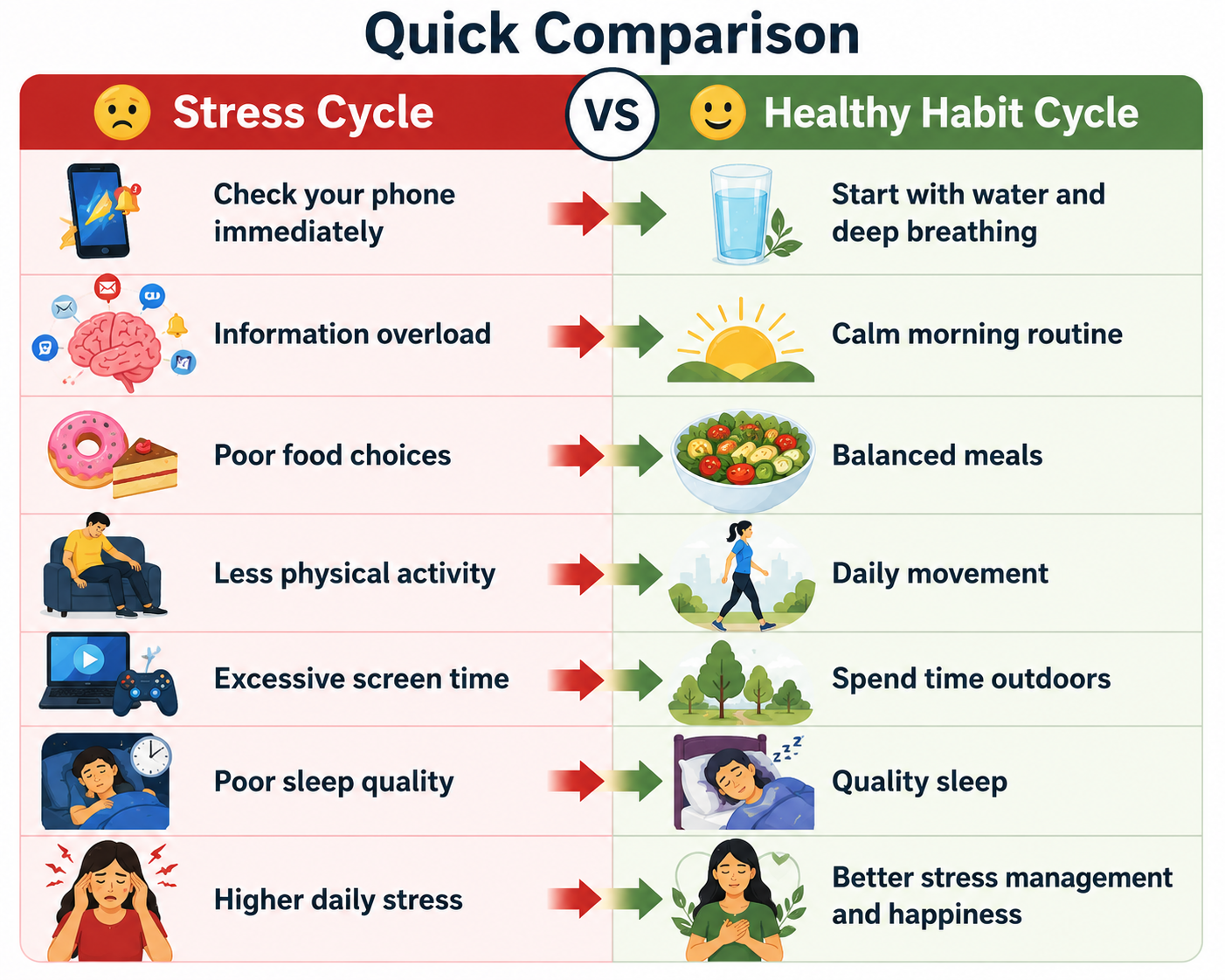
Comparison Table: Daily Habits to reduce Stress Naturally
| Daily Habit | Main Benefit | Easy Way to Start |
|---|---|---|
| Delay phone use | Creates a calmer morning | Wait 20 minutes before checking notifications. |
| Daily movement | Supports mood and energy | Walk after lunch. |
| Slow breathing | Encourages relaxation | Practice for 5 minutes. |
| Spend time outdoors. | Refreshes the mind | Sit outside after breakfast. |
| Quality sleep | Helps the body recover | maintain a regular bedtime. |
| Balanced meals | Supports steady energy | Include vegetables with lunch. |
| Gratitude | Encourages positive thinking | Write three good things each evening. |
| Social connection | Builds emotional support | Call a friend weekly. |
| Screen-free time | Reduces information overload | One hour before bed |
| Enjoyable hobbies | Helps recharge emotionally | Schedule 30 minutes weekly. |
Morning Routine vs. Evening Routine
| Morning Routine | Evening Routine |
| Drink water. | reduce screen time. |
| Stretch for five minutes. | Gentle stretching |
| Delay phone use | Read a book. |
| Healthy breakfast | Write a gratitude journal. |
| Walk outside. | Sleep at a regular time. |
Healthy Habits vs. Habits That May Increase Stress
| Healthy Habit | Habit That May Increase Stress |
| Regular sleep | Staying up late most nights |
| Daily movement | Sitting for long periods |
| Balanced meals | frequently skipping meals |
| Outdoor time | Spending all day indoors |
| Mindful breathing | Constant rushing |
| Talking with others | Isolating yourself |
| Healthy boundaries | Always saying yes |
| Planned breaks | Working without breaks |
Common Mistakes That Can Complicate Stress Management
Building healthier habits takes time. Unrealistic expectations, busy schedules, and comparisons with others can make stress management feel like another responsibility. Avoiding these common mistakes can help you develop a routine that is practical and sustainable.
1. Trying to Change Everything at Once
Starting several new habits on the same day can feel overwhelming, especially when you already have a busy schedule.
Choose one manageable change first, such as taking a short walk or setting a regular bedtime. Once it becomes easier to maintain, consider adding another habit.
2. Expecting Immediate Results
Healthy habits do not always produce noticeable changes overnight. Some people feel better quickly, while others need more time to find out which strategies work for them.
Focus on gradual progress rather than expecting every change to make an immediate difference. Consistency can help you discover which habits fit your needs and daily routine.
3. Ignoring Your Physical Health
Stress management involves more than finding ways to relax. Sleep, physical activity, balanced nutrition, and adequate hydration all contribute to general health and well-being.
The National Institute of Mental Health recommends healthy habits such as regular exercise, healthy eating, and getting enough sleep as part of caring for mental health. These habits can support well-being, although they do not replace professional care when needed.
4. Working Without Taking Breaks
Working for long periods without a pause may leave you feeling mentally tired and make it harder to maintain your attention.
When possible, take brief breaks between tasks. Stand up, stretch, drink some water, or step away from your screen for a few minutes. The most useful break is one that helps you reset without adding pressure to your schedule.
5. Comparing Yourself With Others
People have different responsibilities, resources, health needs, and ways of coping with stress. A routine that works well for one person may not suit someone else.
Instead of copying another person’s schedule, choose habits that fit your circumstances. Your goal is to build a routine you can maintain, not to match someone else’s progress.
6. Not Making Time to Relax
It is difficult to stay productive all the time without allowing yourself opportunities to rest. Leisure activities, quiet time, and meaningful social connections can provide a break from daily responsibilities.
Schedule time for something you enjoy, whether that means reading, listening to music, gardening, or talking with a friend. Rest does not need to be earned by finishing every task.
7. Believing Stress Can Be Completely Eliminated
Stress is a normal response to challenges, change, and uncertainty. The goal is not necessarily to eliminate every stressful feeling but to develop healthier ways to respond to everyday pressures.
Strategies such as physical activity, relaxation techniques, supportive relationships, and adequate sleep may help you manage stress. However, if stress remains intense, persists for a long time, or interferes with daily life, consider speaking with a qualified healthcare or mental health professional.
Myths vs. Facts
| Myth | Fact |
| Stress is always harmful. | Short-term stress can help you respond to challenges. Long-term unmanaged stress is the greater concern. |
| One relaxation technique works for everyone. | Different people benefit from different combinations of healthy habits. |
| Self-care is selfish. | Looking after your health helps you care for others more effectively. |
| Exercise must be intense. | Moderate daily movement also supports emotional well-being. |
| Busy people don’t have time for stress management. | Even a few minutes each day can help build healthier routines. |
One-Week Beginner Stress-Relief Action Plan
Building healthier habits can feel more manageable when you focus on one small change at a time. Instead of changing your entire lifestyle overnight, try adding one simple activity each day while continuing the habits that work for you.
| Day | Simple Habit | Goal |
|---|---|---|
| Monday | Wait 10–20 minutes before checking your phone after waking, if your routine allows. | Begin the day with less digital distraction. |
| Tuesday | Take a 20-minute walk at a comfortable pace. | Add gentle movement to your day. |
| Wednesday | Practice slow, comfortable breathing for five minutes. | Give yourself a quiet moment to pause and relax. |
| Thursday | Eat a balanced meal with vegetables, a protein source, and whole grains if suitable for your needs. | Support balanced nutrition and everyday energy needs. |
| Friday | Spend 10–20 minutes outdoors, weather and circumstances permitting. | Take a break from your usual indoor routine. |
| Saturday | Call or meet someone you enjoy talking to. | Maintain supportive social connections. |
| Sunday | Review the coming week’s schedule, note something you appreciate, and follow a relaxing bedtime routine. | Prepare for the week and support a regular sleep schedule. |
You do not have to follow this schedule exactly. Adjust the activities to suit your health, responsibilities, preferences, and available time. If you miss a day, simply continue when you can.
The purpose is not to complete every task perfectly. It is to discover which small habits fit your life and help you manage everyday stress. These activities may support well-being, but they are not a substitute for professional help if stress becomes persistent or difficult to manage.
Small Daily Habits Can Make a Difference
Reducing stress does not always require a major lifestyle change. Small, realistic actions can help you build a routine that supports your well-being over time.
The key is to choose habits that fit your daily life. Rather than trying to change everything at once, start with one or two actions and repeat them regularly. The National Institute of Mental Health recommends healthy routines, including regular physical activity, balanced eating, and getting enough sleep, as part of caring for mental health.
Try adding one or two of these habits to your day:
-
Drink a glass of water after waking if you feel thirsty.
-
Stretch gently for five minutes before starting work.
-
Take a walk during your lunch break when possible.
-
Add an extra serving of vegetables to a meal.
-
Pause for a few comfortable, slow breaths before an important meeting.
-
Spend a few minutes outdoors when the weather and your circumstances allow.
-
Turn off unnecessary phone notifications to reduce interruptions.
-
Write down three things you appreciated or that went well during the day.
-
Read a book instead of scrolling through social media before bed.
-
Aim to go to bed at a consistent time on most evenings.
These suggestions are starting points, not strict rules. Choose options that suit your preferences, health needs, and schedule. For example, if writing three positive moments feels difficult, simply noting one thing that mattered to you may be enough to get started.
Why Consistency Matters
Repeating manageable habits can make them easier to maintain as part of your routine. Over time, you may discover which activities help you feel more organized, rested, or better able to handle everyday pressures.
Progress does not need to be perfect. Missing a day does not erase your efforts, and you do not need to follow every suggestion to benefit from a healthier routine.
Remember that everyday habits can support well-being, but they cannot remove every source of stress. If stress persists, feels overwhelming, or interferes with sleep and daily activities, consider seeking guidance from a qualified healthcare or mental health professional.
Frequently Asked Questions About Daily Stress Management
1. What are the best everyday habits to reduce stress naturally?
Helpful habits include regular physical activity, sufficient sleep, balanced meals, slow breathing, enjoyable activities, and maintaining supportive relationships. Taking breaks from screens and spending time outdoors may also help some people manage everyday pressures. There is no single approach that works equally well for everyone, so choose habits that fit your needs and routine. The National Institute of Mental Health provides additional guidance on healthy habits that support mental well-being.
2. How long does it take for stress-management techniques to work?
The time frame varies depending on the person, the source of stress, and the technique being used. Some people feel calmer after a brief breathing exercise or a walk, while developing sustainable sleep and exercise routines may take longer.
Focus on finding strategies that help you rather than expecting immediate or guaranteed results. If stress continues to interfere with daily life, consider seeking professional guidance instead of relying on self-help alone.
3. Can you avoid stress altogether?
No. Stress is a normal response to challenges, change, and uncertainty. In some situations, it can help you respond to a demand or prepare for an important task.
The goal is not to eliminate every stressful feeling. Instead, aim to develop healthy ways to cope with pressure and recover after difficult experiences. If stress becomes persistent or overwhelming, additional support may be helpful.
4. Can exercise help reduce stress?
Regular physical activity can support mental and physical well-being. Walking, cycling, swimming, strength training, and yoga are possible options, depending on your health and preferences.
Choose an activity you enjoy and start at a comfortable level. You can explore these guides on the benefits of regular exercise, walking outdoors, beginner strength training for women over 40, and the daily benefits of yoga.
5. What foods can support mental well-being?
No single food can prevent or eliminate stress. However, a balanced eating pattern that includes vegetables, fruits, whole grains, legumes, nuts, seeds, suitable protein sources, and unsaturated fats can support overall health.
Drinking enough water and eating regular, balanced meals may also help you meet your nutritional needs. Rather than following a restrictive diet, focus on a varied eating pattern that suits your health requirements. See this simple healthy eating plan for beginners for practical ideas.
6. Is it normal to feel stressed every day?
It is common to experience stress when dealing with work, family responsibilities, financial concerns, or other challenges. However, feeling overwhelmed most days or struggling to recover from stressful situations may indicate that you need additional support.
Pay attention if stress affects your sleep, concentration, relationships, work, or usual activities. The National Institute of Mental Health explains when mental health concerns may require professional attention.
7. Do breathing exercises work for everyone?
Slow, comfortable breathing may help some people feel calmer during stressful moments. However, responses vary, and breathing exercises are not equally helpful for everyone.
Try breathing gently without forcing deep breaths or holding your breath. Stop if you feel dizzy, uncomfortable, or short of breath. If the technique does not suit you, consider another approach, such as walking, listening to calming music, or talking with someone you trust.
8. When should you seek professional help for stress?
Consider speaking with a qualified healthcare or mental health professional if stress:
-
Persists or repeatedly returns and feels difficult to manage.
-
Interferes with your work, studies, relationships, or daily responsibilities.
-
Disrupts your sleep or makes it difficult to concentrate.
-
Occurs alongside persistent anxiety, sadness, or loss of interest in usual activities.
-
Leaves you feeling overwhelmed despite your efforts to cope.
You do not need to wait a specific number of weeks before asking for help. A professional can assess your circumstances and discuss suitable options. If you feel unable to keep yourself safe or are experiencing a mental health crisis, seek urgent local assistance.
About the Sources Used in This Article
This article draws on health information and guidance from reputable organizations, including the American Psychological Association, National Institute of Mental Health, World Health Organization, Mayo Clinic, Harvard Health Publishing, and Centers for Disease Control and Prevention.
The article focuses on practical, realistic habits that may support stress management and overall well-being. These include regular physical activity, healthy sleep routines, balanced nutrition, relaxation techniques, supportive relationships, and enjoyable activities.
The recommendations are intended to help readers make informed everyday choices, not to promise quick results or suggest that lifestyle changes can eliminate all stress. Individual experiences vary, and persistent or overwhelming stress may require guidance from a qualified healthcare or mental health professional.
References
-
American Psychological Association (APA). Stress Management Tools. Practical techniques for managing stress, including breathing, grounding, and relaxation.
-
National Institute of Mental Health (NIMH). My Mental Health: Do I Need Help?. Guidance on self-care, mental health symptoms, and when to seek professional help.
-
World Health Organization (WHO). Mental Health. Information about mental well-being, protective factors, and mental health care.
-
Centers for Disease Control and Prevention (CDC). Managing Stress. Advice on coping with stress, maintaining healthy routines, taking breaks, and connecting with others.
-
Harvard Health Publishing. Stress Management: Enhance Your Well-Being by Reducing Stress and Building Resilience. Practical strategies for coping with stress and developing resilience.
-
Mayo Clinic. Stress Symptoms: Effects on Your Body and Behavior. An overview of possible physical, emotional, and behavioral effects of stress, along with management suggestions.
-
Cleveland Clinic. Stress: What It Is, Symptoms, Management & Prevention. Information about stress, common symptoms, coping strategies, and when to seek medical advice.
-
National Center for Complementary and Integrative Health (NCCIH), National Institutes of Health. Relaxation Techniques: What You Need to Know. Evidence and safety information about breathing exercises, progressive relaxation, and other relaxation techniques.
-
Braun C, Foreyt JP, Johnston CA. Stress: A Core Lifestyle Issue. American Journal of Lifestyle Medicine. 2016;10(4):235–238. doi: 10.1177/1559827616642400.
Conclusion
You do not need a perfect plan or a major lifestyle change to start managing everyday stress. Small, realistic actions can help you build a routine that supports your well-being over time. The National Institute of Mental Health (NIMH) recommends healthy self-care practices as part of supporting mental health.
Regular physical activity, adequate sleep, balanced meals, time outdoors, breaks from screens, gratitude practices, and supportive relationships are practical ways to care for your mental and physical health. The Centers for Disease Control and Prevention (CDC) provides guidance on coping with stress, while the American Psychological Association (APA) offers practical stress-management strategies. The most useful approach is to choose habits that fit your needs rather than trying to change everything at once.
Remember that progress may take time, and some days will be more challenging than others. Instead of comparing yourself with other people, focus on one manageable habit and build from there. These practices may help you cope with everyday pressures, although their effects vary from person to person.
If stress feels overwhelming, persists, or interferes with your sleep, relationships, work, or daily activities, consider speaking with a qualified healthcare or mental health professional. The NIMH explains when mental health concerns may warrant additional support. Combining practical lifestyle habits with appropriate professional care can help you address your needs more effectively.
Medical Disclaimer
This article is for educational and informational purposes only. It is not a substitute for professional medical advice, diagnosis, or treatment. If you experience persistent stress, anxiety, depression, or other mental health concerns, consult a qualified healthcare professional for advice suited to your circumstances. Do not delay seeking professional help because of information in this article, and consult your healthcare provider before making significant changes to an existing treatment plan.
Fitness and Physical Activity Disclaimer
The fitness and physical activity suggestions in this article are provided for general educational purposes only. They are not a substitute for personalized medical advice, diagnosis, or treatment. Although regular physical activity can support physical and mental well-being, the appropriate type and intensity of exercise vary depending on a person’s health, fitness level, age, and physical abilities. The Centers for Disease Control and Prevention (CDC) explains the health benefits of physical activity.
Start with activities that suit your current abilities and increase the intensity gradually. Stop exercising if you experience chest pain, faintness, unusual shortness of breath, or other concerning symptoms, and seek appropriate medical care. If you have a chronic health condition, an injury, or concerns about exercising safely, consult a qualified healthcare professional before starting a new exercise program. For additional guidance, refer to the U.S. Department of Health and Human Services Physical Activity Guidelines.
- 5 Meditation Techniques for Emotional Balance: A Path to Inner Peace
- 8 Effective Habits to Boost Mental Clarity and Focus
- 7 Natural Ways to reduce Anxiety and Stress Daily: A Comprehensive Guide
- 6 Mindfulness Practices for Mental Health: A Path to Inner Peace and Emotional Resilience
- How to Improve Your Mood with Healthy Habits: A Comprehensive Guide
- Home
- Category Healthy Habits








[…] Healthy Daily Habits for Stress Reduction: A Comprehensive Guide […]
[…] Healthy Daily Habits for Stress Reduction: A Comprehensive Guide […]
[…] Healthy Daily Habits for Stress Reduction: A Comprehensive Guide […]
[…] Healthy Daily Habits for Stress Reduction: A Comprehensive Guide […]
[…] Healthy Daily Habits for Stress Reduction: A Comprehensive Guide […]
[…] Healthy Daily Habits for Stress Reduction: A Comprehensive Guide […]
[…] Healthy Daily Habits for Stress Reduction: A Comprehensive Guide […]
[…] Healthy Daily Habits for Stress Reduction: A Comprehensive Guide […]
[…] Healthy Daily Habits for Stress Reduction: A Comprehensive Guide […]
[…] Healthy Daily Habits for Stress Reduction: A Comprehensive Guide […]
[…] Healthy Daily Habits for Stress Reduction: A Comprehensive Guide […]
[…] Healthy Daily Habits for Stress Reduction: A Comprehensive Guide […]
[…] Healthy Daily Habits for Stress Reduction: A Comprehensive Guide […]
[…] Healthy Daily Habits for Stress Reduction: A Comprehensive Guide […]
[…] Healthy Daily Habits for Stress Reduction: A Comprehensive Guide […]
[…] Healthy Daily Habits for Stress Reduction: A Comprehensive Guide […]
[…] Healthy Daily Habits for Stress Reduction: A Comprehensive Guide […]
[…] Healthy Daily Habits for Stress Reduction: A Comprehensive Guide […]
[…] Healthy Daily Habits for Stress Reduction: A Comprehensive Guide […]
[…] Healthy Daily Habits for Stress Reduction: A Comprehensive Guide […]
[…] Healthy Daily Habits for Stress Reduction: A Comprehensive Guide […]
[…] Healthy Daily Habits for Stress Reduction: A Comprehensive Guide […]
[…] Healthy Daily Habits for Stress Reduction: A Comprehensive Guide […]
[…] Healthy Daily Habits for Stress Reduction: A Comprehensive Guide […]
[…] Healthy Daily Habits for Stress Reduction: A Comprehensive Guide […]
[…] Healthy Daily Habits for Stress Reduction: A Comprehensive Guide […]
[…] Healthy Daily Habits for Stress Reduction: A Comprehensive Guide […]