













































































































































Prediabetes Diet List: Best Foods to Eat, Foods to Limit, and Simple Meal Plan
Author: RVLNSV PRASAD
Updated On: September 2026
About Us
Author Bio
Editorial Policy
Contact Us
Introduction
Being told you have prediabetes can be worrying, especially when you are unsure what you should eat.
The good news is that prediabetes is an opportunity to make changes before blood glucose reaches the range used to diagnose type 2 diabetes. Prediabetes is a condition in which blood glucose levels are higher than normal but not yet high enough to meet the criteria for diabetes. According to the 2026 American Diabetes Association (ADA) Standards of Care, prediabetes is defined as an A1C of 5.7%–6.4%, fasting plasma glucose of 100–125 mg/dL, or a 2-hour plasma glucose level of 140–199 mg/dL during a 75-g oral glucose tolerance test. ADA Standards of Care 2026: Diagnosis and Classification of Diabetes
But a prediabetes diet list should not simply tell you which foods are “good” and which are “bad.”
A better approach is to understand how to build balanced meals, manage portions, choose higher-fiber foods, reduce added sugars, include suitable protein, and create an eating pattern you can maintain.
Current ADA guidance emphasizes individualized nutrition rather than one universal diet. The 2026 Standards of Care discuss dietary patterns, food quality, nutrition goals, and individual preferences when developing an eating plan. ADA Standards of Care 2026: Nutrition and Well-being
The goal is not to find one food that “cures” prediabetes.
It is to build a pattern that supports healthier blood glucose, body weight when appropriate, cardiovascular health, and long-term lifestyle habits.
Quick Answer
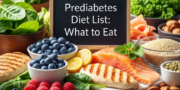
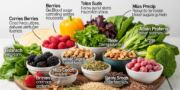
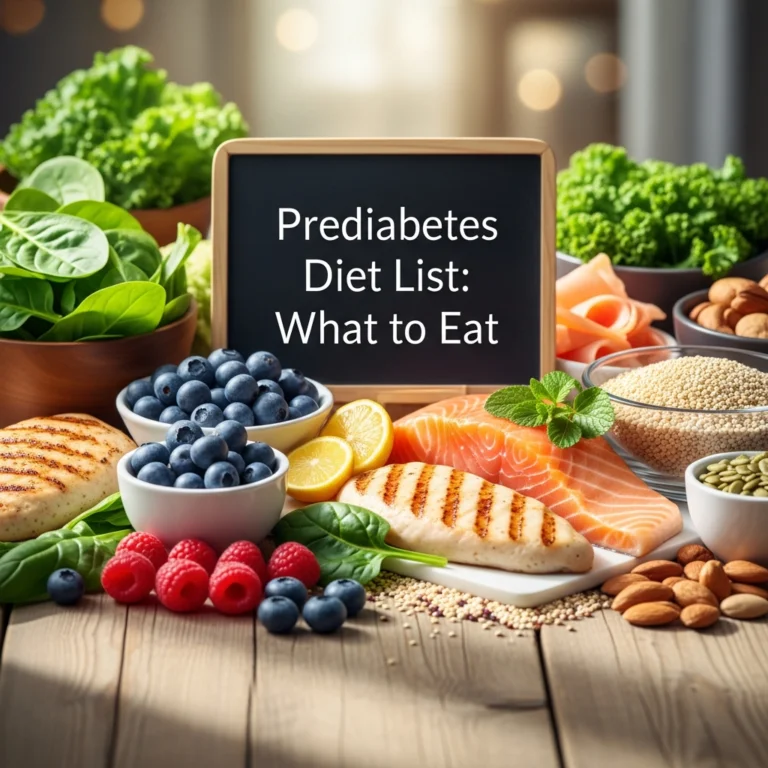
The best prediabetes diet list emphasizes non-starchy vegetables, whole fruits, legumes, whole grains, suitable protein sources, nuts, seeds, and other minimally processed foods.
Useful choices include:
- Broccoli, spinach, cabbage, and other non-starchy vegetables
- Whole fruits
- Beans, lentils, and chickpeas
- Oats and other whole grains
- Fish
- Eggs
- Tofu and other plant proteins
- Plain yogurt and suitable dairy foods
- Nuts and seeds
- Unsaturated-fat sources such as olive oil
Foods worth limiting include:
- Sugary beverages
- Sweets and desserts
- Highly refined grains
- Large portions of refined starches
- Highly processed snack foods
- Foods high in added sugar
The important point is that prediabetes does not automatically mean eliminating carbohydrates.
The ADA’s 2026 guidance emphasizes individualized eating patterns rather than a single ideal carbohydrate, protein, or fat distribution. ADA Standards of Care 2026: Nutrition and Well-being
Key Takeaways
- Prediabetes is a higher-than-normal blood glucose state that increases the risk of type 2 diabetes.
- A healthy eating pattern can help reduce that risk.
- Vegetables, whole fruits, legumes, whole grains, nuts, seeds, and suitable protein foods can form the foundation of meals.
- You do not necessarily need to eliminate rice, bread, fruit, or other carbohydrate-containing foods.
- Portion size matters.
- Sugary drinks are an important food category to reduce.
- Whole fruit is different from fruit juice.
- There is no single perfect prediabetes diet for everyone.
- Mediterranean-style and lower-carbohydrate approaches can be considered depending on individual needs and preferences.
- Physical activity should be combined with healthy eating when appropriate.
- If you have higher weight or obesity, modest weight loss can reduce diabetes risk.
- People taking glucose-lowering medicines may need individualized advice before making major dietary changes.
What Is Prediabetes?
Prediabetes is an intermediate glucose state between normal blood glucose and diabetes.
According to the ADA Standards of Care 2026, prediabetes can be identified using A1C, fasting plasma glucose, or a 2-hour oral glucose tolerance test. ADA 2026 diagnostic criteria for prediabetes
The corresponding ranges are
| Test | Prediabetes range |
|---|---|
| A1C | 5.7%–6.4% |
| Fasting plasma glucose | 100–125 mg/dL |
| 2-hour 75-g OGTT | 140–199 mg/dL |
NIDDK also lists these three blood tests as recommended methods for identifying or diagnosing prediabetes. NIDDK: Recommended Tests for Identifying Prediabetes
Prediabetes does not mean that type 2 diabetes is inevitable.
Lifestyle changes can lower the risk of progression. NIDDK explains that losing weight when appropriate, becoming more physically active, and following a reduced-calorie eating plan can help prevent or delay type 2 diabetes. NIDDK: Preventing Type 2 Diabetes
How Food Affects Prediabetes
Carbohydrates are broken down into glucose during digestion, and insulin helps glucose move from the bloodstream into cells.
With insulin resistance, cells respond less effectively to insulin. This can contribute to elevated blood glucose.
However, prediabetes is not caused by one particular food.
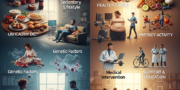
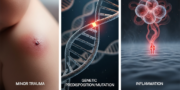
Genetics, body composition, physical activity, sleep, age, family history, and other factors can all influence diabetes risk.
That is why a useful eating pattern focuses on the overall diet, not a single “blood-sugar-lowering” ingredient.
The ADA’s 2026 nutrition guidance emphasizes food quality and individualized eating patterns rather than one universal formula. ADA 2026 Nutrition and Well-being Standards
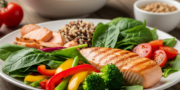
The Prediabetes Plate Method
One of the easiest ways to create a balanced meal is to think about the plate before counting individual nutrients.
A practical approach is
| Plate section | Example foods |
|---|---|
| About ½ | Non-starchy vegetables |
| About ¼ | Lean or plant protein |
| About ¼ | Whole grain or another carbohydrate food |
| Drink | Water or another unsweetened beverage |
NIDDK’s practical diabetes-prevention guidance also describes using a plate method to manage portions and combine vegetables, protein, and whole grains. NIDDK: Your Game Plan to Prevent Type 2 Diabetes
This approach can be particularly useful for people who do not want to count every gram of carbohydrate.
Why the plate method works well for everyday life
Instead of asking:
“Is rice bad?”
You can ask:
“How much rice is on my plate, and what else am I eating with it?”
That question is often much more useful.
Best Prediabetes Diet List: Foods to Eat More Often
1. Non-Starchy Vegetables
Vegetables can provide fiber, vitamins, minerals, and other beneficial plant compounds.
Good options include:
- Spinach
- Broccoli
- Cauliflower
- Cabbage
- Bell peppers
- Cucumber
- Tomatoes
- Mushrooms
- Zucchini
- Eggplant
- Okra
- Green beans
Rather than searching for one vegetable that “lowers blood sugar,” build meals around a variety of vegetables.
This approach fits the broader food-quality principles described in current ADA nutrition guidance. ADA Standards of Care 2026: Nutrition and Well-being
2. Beans, Lentils, and Chickpeas
Legumes are useful because they can provide carbohydrates, protein, and fiber in the same food.
Examples include:
- Lentils
- Chickpeas
- Kidney beans
- Black beans
- Green gram
- Black gram
- Peas
Dal can therefore fit naturally into an Indian-style prediabetes meal.
The important issue is still the overall meal and portion.
3. Whole Grains
Whole grains can be part of a balanced eating pattern.
Examples include:
- Oats
- Barley
- Brown rice
- Quinoa
- Whole wheat
- Millets
The word “whole grain” does not mean “eat unlimited quantities.”
Portion size still matters.
NIDDK’s prevention guidance recommends healthier food choices and portion awareness as part of lifestyle changes designed to reduce diabetes risk. NIDDK: Your Game Plan to Prevent Type 2 Diabetes
4. Whole Fruit
People with prediabetes do not necessarily need to eliminate whole fruit.
Examples include:
- Apples
- Pears
- Oranges
- Guava
- Berries
- Kiwi
- Papaya
- Peaches
- Plums
Whole fruit and fruit juice should not be treated as nutritionally identical.
A whole piece of fruit generally provides the food’s fiber structure, while juice can deliver carbohydrate in a much more concentrated form.
If you want personalized guidance about how much fruit fits your eating pattern, discuss your needs with a dietitian or healthcare professional.
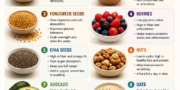
5. Nuts and Seeds
Nuts and seeds can provide protein, fiber, and unsaturated fats.
Good choices include:
- Almonds
- Walnuts
- Pistachios
- Peanuts
- Chia seeds
- Flaxseeds
- Pumpkin seeds
- Sunflower seeds
Choose mostly unsalted versions when possible.
Because nuts and seeds are calorie-dense, portion size still matters.
6. Fish and Other Protein Foods
Protein choices can include:
- Fish
- Eggs
- Skinless poultry
- Tofu
- Tempeh
- Plain yogurt
- Cottage cheese
- Beans
- Lentils
You do not need to eat meat to create a protein-rich meal.
Plant-based proteins can work well too.
Can You Eat Rice With Prediabetes?
Yes, rice can fit into many healthy eating patterns.
The important questions are
How much are you eating?
What type of rice or grain are you choosing?
What else is on the plate?
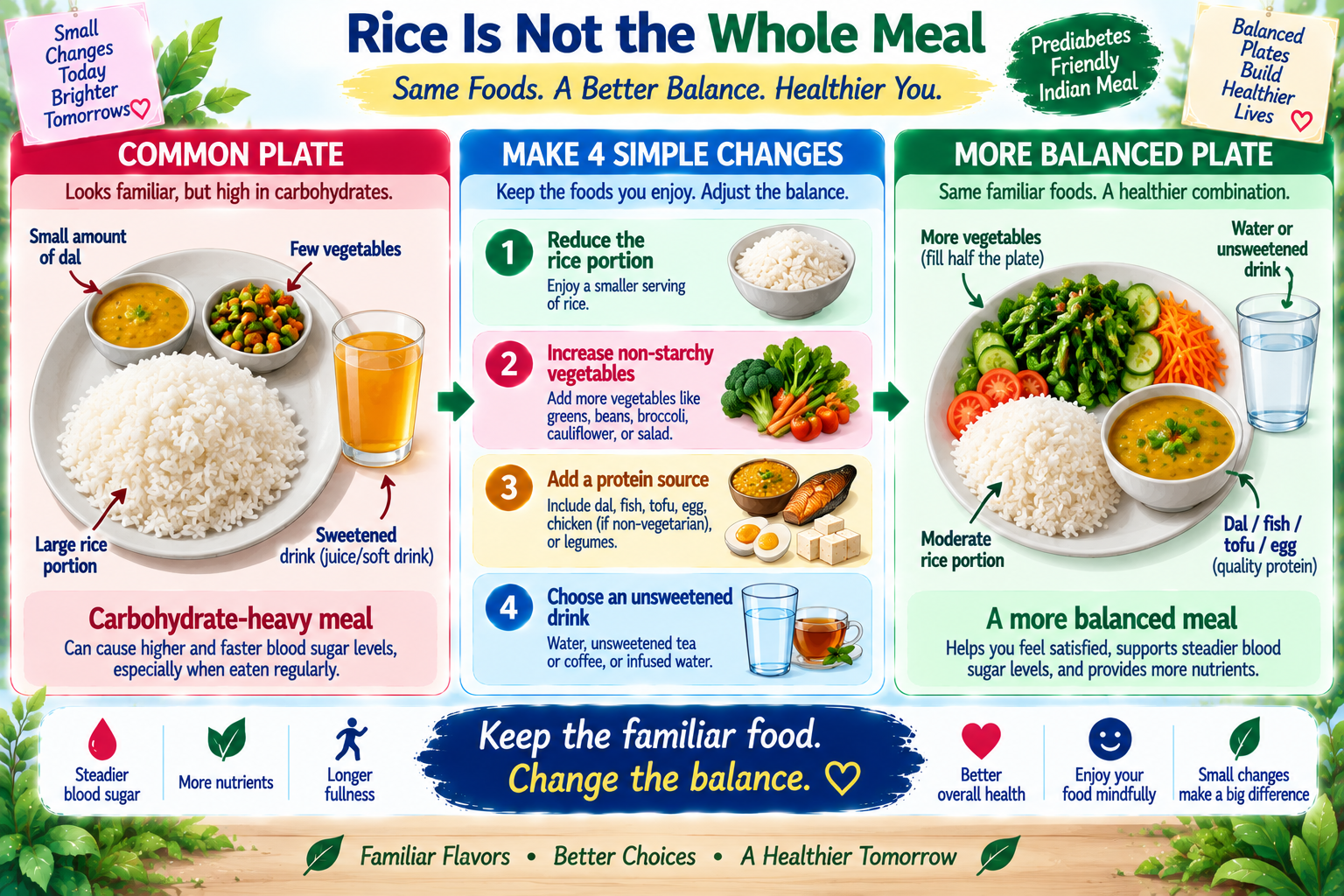
A large plate of rice by itself is different from a moderate serving combined with vegetables, dal, and a suitable protein source.
NIDDK’s prevention plan specifically uses portion management and balanced meals as practical strategies. NIDDK: Your Game Plan to Prevent Type 2 Diabetes
For people who regularly eat rice, completely removing it may be unnecessary and difficult to sustain.
A more realistic experiment is to reduce the portion and increase vegetables and protein.
Foods to Limit With Prediabetes
A useful prediabetes food list should explain what to limit rather than simply creating a long forbidden-food list.
Sugary Beverages
Examples include:
- Regular soda
- Sweetened tea
- Sweetened coffee
- Energy drinks
- Sugary fruit drinks
Replacing sugar-sweetened drinks with water or unsweetened beverages is a practical change.
NIDDK specifically recommends choosing water instead of sugar-sweetened beverages as part of its diabetes-prevention plan. Read NIDDK’s Your Game Plan to Prevent Type 2 Diabetes.
Sweets and Desserts
Limit frequent intake of:
- Candy
- Cakes
- Cookies
- Pastries
- Ice cream
- Sugary desserts
You do not necessarily need a lifetime “never eat dessert” rule.
Frequency and portion matter.
Refined Grains
Examples include:
- White bread
- Refined breakfast cereals
- Refined crackers
- Many bakery products
- Large portions of refined rice
The aim is to replace some refined foods with higher-fiber or less processed alternatives where practical.
Highly Processed Snacks
Examples include:
- Chips
- Packaged fried snacks
- Sweet biscuits
- Highly processed snack foods
Having convenient alternatives available can make this change easier.
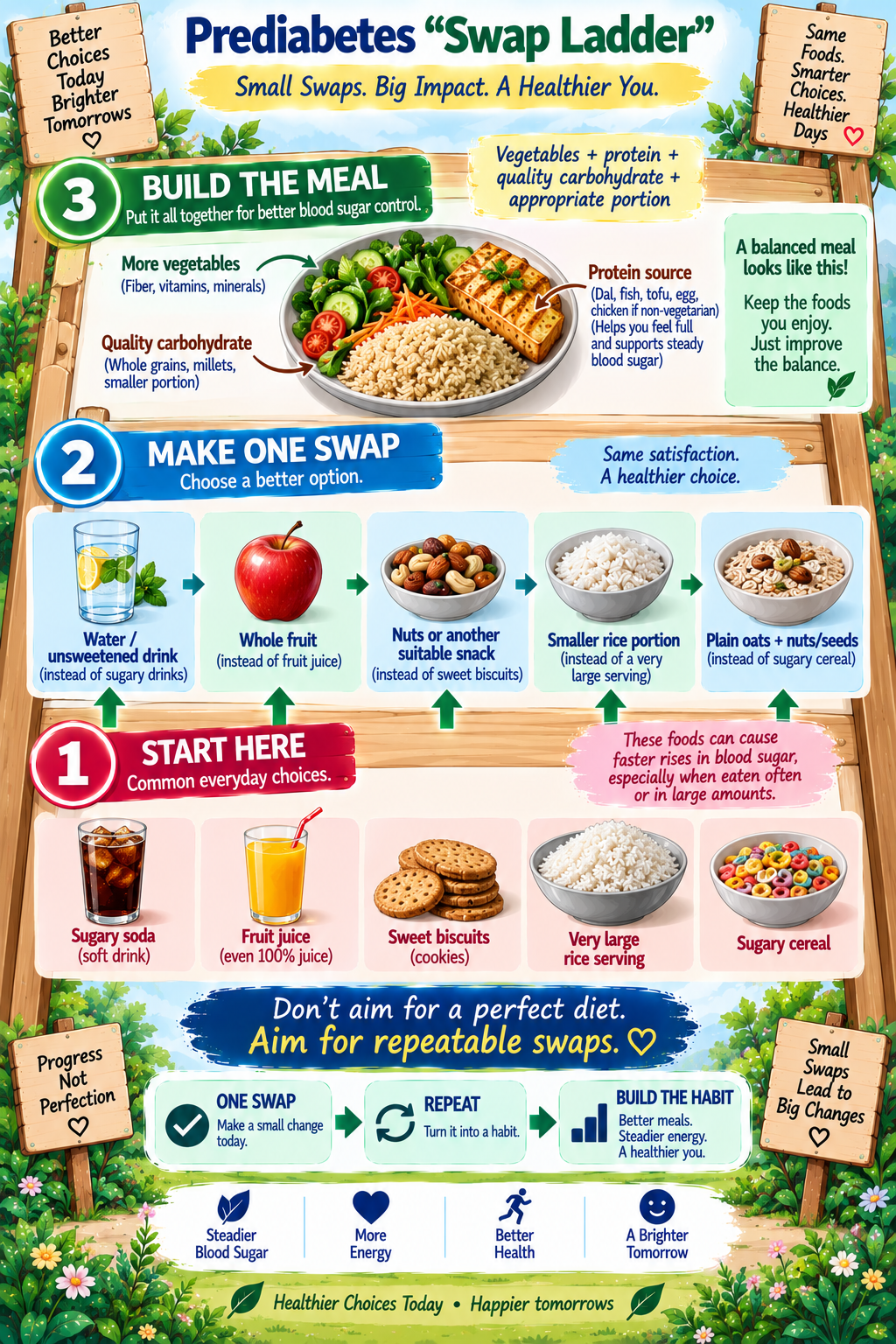
Prediabetes Food Swap Table
| Instead of | Try |
|---|---|
| Sugary soda | Water or unsweetened beverage |
| Fruit juice | Whole fruit |
| Sweetened yogurt | Plain yogurt + fruit |
| Large rice serving | Smaller rice serving + vegetables + protein |
| Sugary cereal | Oats + nuts/seeds |
| Cookies | Whole fruit or another nutrient-dense snack |
| Refined bread | Whole-grain bread |
| Sweetened tea | Unsweetened tea |
NIDDK’s prevention resources recommend healthier substitutions, smaller portions, and water instead of sugary drinks.
A Simple Prediabetes Meal Plan
The following is an educational example, not an individualized prescription.
| Meal | Example |
|---|---|
| Breakfast | Vegetable omelet + whole-grain toast |
| Snack | Whole fruit + small portion of nuts |
| Lunch | Vegetables + dal/tofu/fish + moderate whole-grain portion |
| Snack | Plain yogurt or another suitable protein-rich snack |
| Dinner | Vegetables + protein + moderate carbohydrate portion |
Your calorie and carbohydrate requirements may differ.
NIDDK emphasizes that prevention plans should be individualized and that people should work with their healthcare team when developing lifestyle goals. NIDDK: Your Game Plan to Prevent Type 2 Diabetes
Indian Prediabetes Diet: How to Adapt Familiar Foods
A sustainable eating plan does not have to replace every traditional food.
For an Indian-style meal, you could build around:
Vegetables + dal + protein + moderate rice or roti + unsweetened drink
Examples include:
- Vegetable sabzi + dal + roti
- Mixed vegetables + grilled fish + moderate rice
- Vegetable curry + tofu + whole-grain roti
- Chana + vegetables + salad
- Plain curd + vegetables + a suitable carbohydrate portion
The purpose is not to label Indian foods as “good” or “bad.”
Instead, adjust the overall meal.
This is especially useful because an eating pattern that fits your culture and preferences is often easier to maintain.
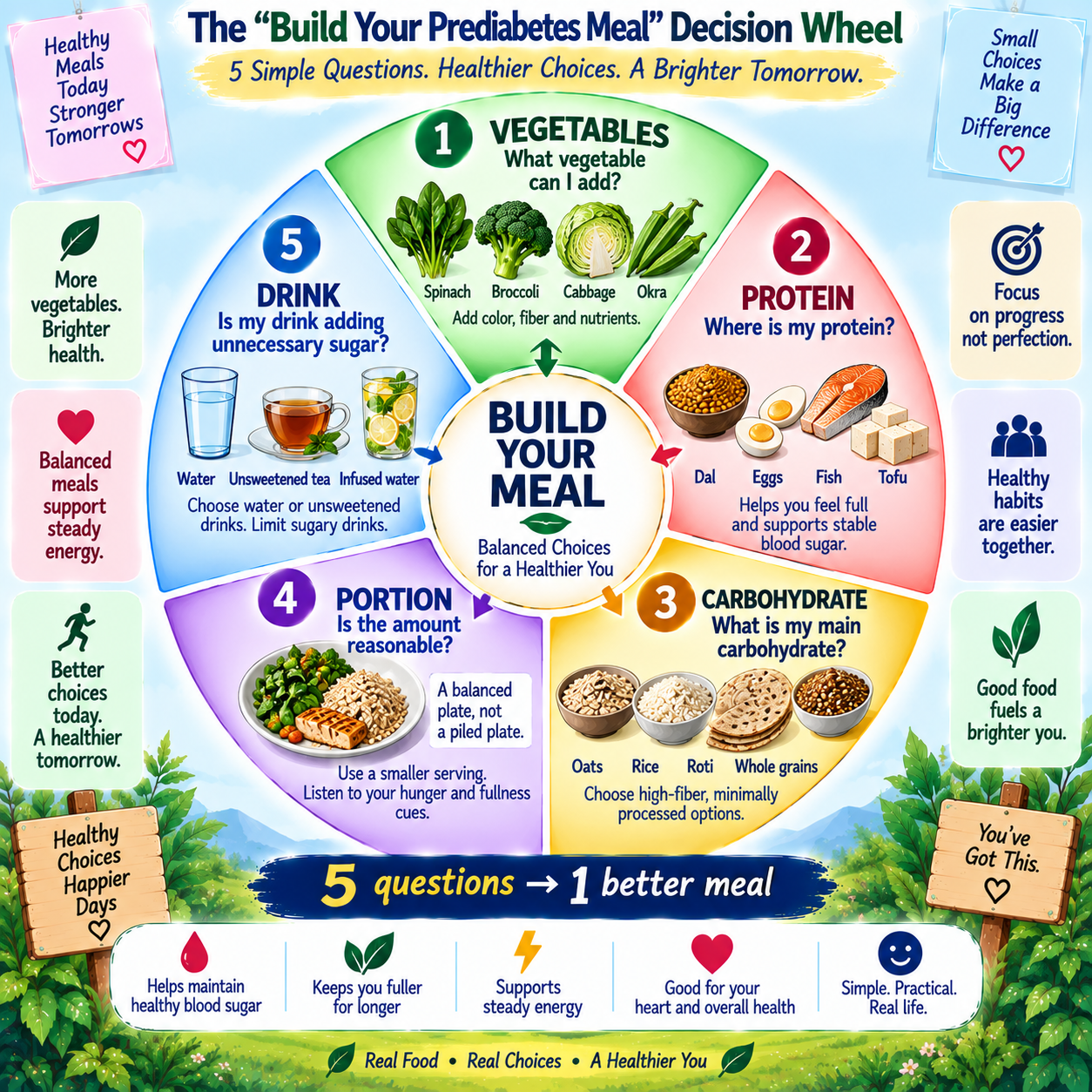
The 5-Minute Prediabetes Meal Test
Before eating, ask:
1. Where are my vegetables?
2. Where is my protein?
3. What is my main carbohydrate?
4. Is the portion reasonable?
5. Is my drink adding unnecessary sugar?
You do not need a perfect meal.
You need a meal that moves you in a healthier direction.
Do You Need to Eliminate Carbohydrates?
No single carbohydrate target is appropriate for everyone.
The ADA’s 2026 nutrition guidance emphasizes individualized dietary patterns rather than prescribing one universal macronutrient distribution. ADA Standards of Care 2026: Nutrition and Well-being
That means a person may choose a Mediterranean-style eating pattern, while another may prefer a lower-carbohydrate approach.
The more important questions are whether the diet:
- Provides adequate nutrition
- Fits personal preferences
- Supports appropriate weight management
- Is sustainable
- Works with the person’s medical needs
Mediterranean-Style Eating for Prediabetes
A Mediterranean-style pattern commonly emphasizes:
- Vegetables
- Fruits
- Legumes
- Whole grains
- Nuts
- Seeds
- Fish
- Unsaturated fats
- Minimally processed foods
The 2026 ADA prevention guidance discusses evidence-based lifestyle interventions and dietary approaches for people at risk of diabetes. ADA Standards of Care 2026: Prevention or Delay of Diabetes and Associated Comorbidities
What About a Low-Carbohydrate Diet?
A lower-carbohydrate approach can be appropriate for some people, but it is not automatically the best choice for everyone.
The ADA’s current guidance recognizes individualization as an important part of nutrition care.
If you substantially change your carbohydrate intake and take glucose-lowering medication, speak with your healthcare professional first.
Prediabetes and Weight Loss
If you have higher weight or obesity, modest weight loss can reduce the risk of developing type 2 diabetes.
The ADA’s 2026 prevention recommendations include weight-management goals as part of diabetes prevention. ADA Standards of Care 2026: Prevention or Delay of Diabetes and Associated Comorbidities
NIDDK’s patient guidance also explains that weight loss, when appropriate, can be part of a diabetes-prevention strategy for people with higher weight or obesity. NIDDK: Preventing Type 2 Diabetes
However, not everyone with prediabetes needs to lose weight.
The appropriate goal depends on your individual health status.
What Does the Diabetes Prevention Program Tell Us?
The NIH-sponsored Diabetes Prevention Program is one of the most important studies behind modern diabetes-prevention advice.
NIDDK reports that the original Diabetes Prevention Program lifestyle intervention reduced the incidence of type 2 diabetes by 58% over approximately three years compared with placebo. Longer-term follow-up also found a continued reduction in diabetes incidence. NIDDK: Evidence Supporting Diabetes Prevention
The important lesson is that prevention involved a combination of lifestyle changes, including healthier eating, physical activity, and weight management.
It was not based on one special food.
Latest Research and 2026 Developments
The 2026 ADA Standards of Care continue to emphasize person-centered prevention.
Rather than prescribing one universal diet, the recommendations recognize that different eating patterns can be appropriate depending on health needs, preferences, and goals.
The ADA’s prevention section addresses lifestyle interventions, weight management, physical activity, and approaches that can delay or prevent progression to type 2 diabetes. ADA 2026 Prevention or Delay of Diabetes
The ADA’s nutrition section also emphasizes positive health behaviors and well-being rather than treating nutrition as a rigid list of forbidden foods. ADA 2026 Nutrition and Well-being
This is an important shift for readers.
Instead of asking:
“What is the one best prediabetes diet?”
A better question is
“Which evidence-based eating pattern can I realistically maintain?”
A People-First Strategy: Make Your Kitchen Work for You
Healthy eating becomes easier when the healthier option requires less effort.
Keep washed fruit visible.
Prepare vegetables before you need them.
Store nuts in small portions rather than eating directly from a large packet.
Keep sugary drinks out of your regular shopping routine.
Prepare a protein source in advance.
These changes may sound small, but they reduce the number of decisions you have to make when you are hungry.
NIDDK’s practical prevention guidance recommends planning meals, monitoring progress, preparing healthier options, and getting support when making lifestyle changes. NIDDK: Your Game Plan to Prevent Type 2 Diabetes
Common Prediabetes Diet Mistakes
Mistake 1: Eliminating All Carbohydrates
Carbohydrates are not automatically unhealthy.
Focus on food quality, portion size, and the overall meal.
Mistake 2: Drinking Juice Instead of Eating Fruit
Whole fruit and juice are not equivalent choices.
Mistake 3: Eating Unlimited “Healthy” Foods
Nuts, seeds, whole grains, and other nutritious foods can still contribute substantial calories.
Mistake 4: Focusing Only on Sugar
Reducing added sugar is useful, but overall dietary quality matters too.
Mistake 5: Ignoring Portion Size
Even nutritious foods can contribute excessive calories when portions are consistently very large.
NIDDK’s prevention plan specifically includes portion awareness as part of healthy eating for weight management. NIDDK’s Game Plan for Preventing Type 2 Diabetes
Mistake 6: Expecting One Food to Reverse Prediabetes
No individual food replaces an overall prevention strategy.
Mistake 7: Changing Everything Overnight
NIDDK recommends setting achievable goals and making lifestyle changes that can be maintained over time. NIDDK: Your Game Plan to Prevent Type 2 Diabetes
Physical Activity and Prediabetes
Food is only one part of prevention.
Regular physical activity can help improve overall metabolic health and support weight management.
NIDDK’s prevention plan recommends gradually working toward at least 30 minutes of activity on five days each week for many people, while emphasizing starting slowly when necessary. NIDDK: Your Game Plan to Prevent Type 2 Diabetes
The ADA’s 2026 prevention recommendations also include physical activity as a core component of diabetes prevention. ADA 2026 Prevention Standards
Walking is a practical starting point for many people.
You can begin with shorter sessions and gradually increase duration as your fitness improves.
A Simple 7-Day Prediabetes Strategy
| Day | Simple goal |
|---|---|
| Monday | Add vegetables to lunch and dinner. |
| Tuesday | Replace one sugary drink. |
| Wednesday | Add beans or lentils to one meal. |
| Thursday | Choose whole fruit instead of juice. |
| Friday | Reduce one refined-carbohydrate portion. |
| Saturday | Prepare vegetables and protein in advance. |
| Sunday | Plan meals for the coming week. |
This approach follows an important principle from NIDDK’s prevention resources: start with achievable goals rather than trying to change everything at once. NIDDK’s Game Plan for Preventing Type 2 Diabetes
When Should You Speak With a Healthcare Professional?
If you have been diagnosed with prediabetes, appropriate follow-up matters.
NIDDK recommends using A1C, fasting plasma glucose, or a 2-hour oral glucose tolerance test to identify prediabetes. NIDDK’s Recommended Tests for Identifying Prediabetes
The ADA 2026 Standards also recommend ongoing testing for people with prediabetes. ADA 2026 Diagnosis and Classification Standards
Speak with a healthcare professional or registered dietitian if you:
- Take glucose-lowering medication
- Are pregnant
- Have kidney disease
- Have significant liver disease
- Are underweight
- Have unexplained weight loss
- Have a history of an eating disorder
- Have another significant medical condition
- Need an individualized carbohydrate or calorie target
Can Prediabetes Be Reversed?
Prediabetes can improve, and some people can return to glucose levels below the prediabetes range.
However, “reversal” should not be interpreted as a permanent cure.
Risk can return if the factors contributing to elevated glucose return.
NIDDK describes lifestyle changes as an effective way to prevent or delay type 2 diabetes. NIDDK: Preventing Type 2 Diabetes
Evidence from the Diabetes Prevention Program shows that an intensive lifestyle intervention can substantially reduce the incidence of type 2 diabetes among people at high risk. NIDDK: Evidence Supporting Diabetes Prevention
The Bottom Line
The best prediabetes diet list is not a list of miracle foods.
It is a practical framework.
Build meals around vegetables, whole fruits, legumes, whole grains, suitable protein sources, nuts, and seeds.
Reduce sugary beverages, sweets, highly refined foods, and excessively large portions.
Choose an eating pattern you can actually maintain.
The 2026 ADA Standards of Care support individualized nutrition approaches rather than one universal diet. ADA 2026 Nutrition and Well-being Standards
If you have higher weight or obesity, appropriate weight management can be part of diabetes prevention. Regular physical activity is also an important component of prevention. ADA 2026 Prevention Standards
Most importantly, you do not need to transform your entire diet in one day.
Start with one meal.
Make one better choice.
Repeat it.
Then build from there.
Frequently Asked Questions
What is the best food for prediabetes?
There is no single best food for prediabetes. A varied eating pattern containing vegetables, whole fruits, legumes, whole grains, suitable protein sources, nuts, and seeds is more useful than relying on one “superfood.” The ADA’s 2026 nutrition guidance supports individualized eating patterns. ADA 2026 Nutrition and Well-being Standards
Can I eat rice if I have prediabetes?
Yes. Rice can fit into a balanced eating pattern. Pay attention to portion size and combine it with vegetables and a suitable protein source.
Should I stop eating fruit?
Usually, whole fruit does not need to be eliminated. Portion and overall carbohydrate intake still matter.
Is dal good for prediabetes?
Dal and other legumes can be useful sources of protein, carbohydrates, and fiber. They can fit into a balanced meal.
What drinks should I avoid?
Sugary beverages are a useful category to reduce. NIDDK specifically recommends choosing water instead of sugar-sweetened beverages as part of diabetes prevention. NIDDK: Your Game Plan to Prevent Type 2 Diabetes
Can a prediabetes diet prevent diabetes?
Healthy eating is one component of diabetes prevention. The Diabetes Prevention Program demonstrated that an intensive lifestyle intervention could substantially reduce the incidence of type 2 diabetes among people at high risk. NIDDK: Evidence Supporting Diabetes Prevention
Is a low-carb diet best for prediabetes?
Not necessarily. The 2026 ADA guidance emphasizes individualized nutrition and recognizes multiple evidence-supported dietary approaches. ADA 2026 Nutrition and Well-being Standards
How is prediabetes diagnosed?
Prediabetes can be identified using A1C, fasting plasma glucose, or a 2-hour oral glucose tolerance test. NIDDK’s Recommended Tests for Identifying Prediabetes
How much weight should I lose?
For people with higher weight or obesity who are at high risk, weight reduction can be an important part of diabetes prevention. The specific goal should be individualized. ADA 2026 Prevention Standards
How much physical activity should I get?
NIDDK’s prevention guidance recommends gradually working toward regular physical activity, such as 30 minutes on five days per week, for many people. Your appropriate activity level may differ depending on your health and fitness level. NIDDK’s Game Plan for Preventing Type 2 Diabetes
Author Note
Author: RVLNSV PRASAD
This article was updated in September 2026 to provide practical, evidence-based information about food choices and lifestyle strategies for people with prediabetes.
The article incorporates current 2026 American Diabetes Association recommendations together with prevention information from the National Institute of Diabetes and Digestive and Kidney Diseases.
The meal examples are educational and are not individualized medical nutrition prescriptions.
Medical Disclaimer
This article is for general educational purposes only. It does not diagnose, treat, cure, or prevent diabetes or any other medical condition.
If you have prediabetes, diabetes, kidney disease, liver disease, are pregnant, take glucose-lowering medication, or have another significant medical condition, speak with a qualified healthcare professional or registered dietitian before making major dietary changes.
Do not stop or change prescribed medication because of information in this article.
Fitness Disclaimer
Physical activity can support metabolic health, but exercise should be appropriate for your age, fitness level, injuries, and medical conditions.
If you have been inactive, have cardiovascular disease, significant joint problems, unexplained shortness of breath, chest pain, dizziness, or another concerning symptom, seek appropriate medical guidance before starting a new exercise program.
Evidence Sources
- American Diabetes Association — Standards of Care in Diabetes 2026: Diagnosis and Classification of Diabetes
- American Diabetes Association — Standards of Care in Diabetes 2026: Prevention or Delay of Diabetes and Associated Comorbidities
- American Diabetes Association — Standards of Care in Diabetes 2026: Nutrition and Well-being
- NIDDK — Preventing Type 2 Diabetes
- NIDDK — Your Game Plan to Prevent Type 2 Diabetes
- NIDDK — Evidence Supporting Diabetes Prevention
- NIDDK — Recommended Tests for Identifying Prediabetes
Related posts
- The Nutritional Secrets of Superfoods
- Balancing Health: The Key to Sustainable Energy and Health
- 3 Best Tips To Maintain FitnessBest Weight Loss Nutrition
- Best Weight Loss Nutrition
- 10 Best Foods To Control Blood Sugar Levels
- 10 Ways to Reverse Type 2 Diabetes Permanently
- 14 Ways to Increase Protein Intake Daily Tips












[…] Prediabetes diet List: What to eat […]
[…] Prediabetes diet List: What to eat […]
[…] Prediabetes diet List: What to eat […]
[…] Prediabetes diet List: What to eat […]
[…] Prediabetes diet List: What to eat […]