




















































































































































10 Hyperthyroidism Symptoms in Older Adults: Early Signs to Watch For
Author: RVLNSV PRASAD
Updated On: October 2026
About Us
Author Bio
Editorial Policy
Contact Us
Medical Review: This article has not been independently reviewed by a qualified healthcare professional.
Author’s Note
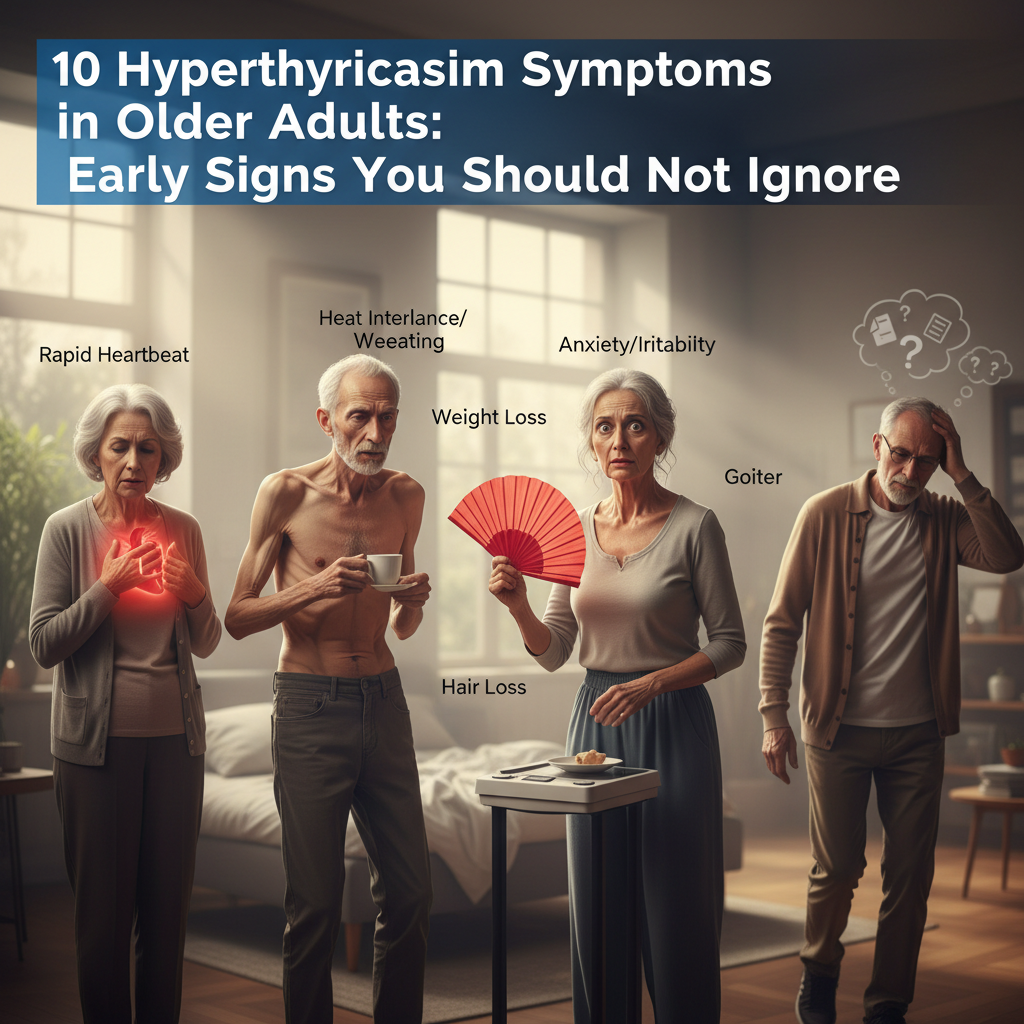
Hyperthyroidism is often associated with a racing heartbeat, shaking hands, and feeling unusually hot. However, older adults do not always experience the condition in the same way as younger people.
Some may notice unexplained weight loss or increasing weakness. Others may become unusually tired, withdraw from social activities, or struggle with everyday tasks. These changes can be mistaken for aging, depression, medication effects, or another medical condition.
The National Institute of Diabetes and Digestive and Kidney Diseases (NIDDK) explains that hyperthyroidism can sometimes be mistaken for depression or dementia in older adults.
This guide explains 10 possible hyperthyroidism symptoms in older adults, how clinicians investigate them, and what families can do when they notice unexplained changes.
Quick Answer: What Are the Symptoms of Hyperthyroidism in Older Adults?
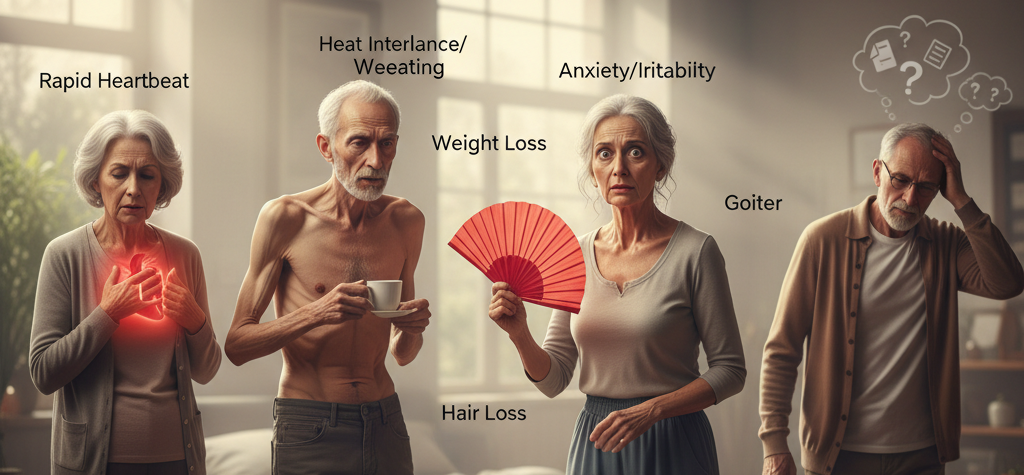
Hyperthyroidism occurs when the thyroid gland produces too much thyroid hormone. Possible symptoms in older adults include unexplained weight loss, rapid or irregular heartbeat, muscle weakness, fatigue, trembling hands, heat intolerance, difficulty sleeping, frequent bowel movements, mood changes, and shortness of breath during activity.
Some older adults develop only one or two noticeable symptoms rather than the full range of typical signs. Symptoms alone cannot confirm the condition because other illnesses can cause similar changes.
If symptoms persist or appear unexpectedly, arrange a medical assessment. Blood tests measuring thyroid-stimulating hormone (TSH) and thyroid hormones can help determine whether the thyroid is overactive. Seek emergency care for serious symptoms such as chest pain, fainting, severe breathing difficulty, or a very rapid heartbeat accompanied by significant dizziness.
Introduction
Hyperthyroidism symptoms in older adults can be difficult to recognize because they do not always appear in the way people expect. While an overactive thyroid may cause a racing heartbeat, trembling hands, or unusual sensitivity to heat, some older adults experience more subtle changes, such as unexplained weight loss, muscle weakness, persistent fatigue, or reduced interest in daily activities.
According to the National Institute of Diabetes and Digestive and Kidney Diseases (NIDDK), hyperthyroidism occurs when the thyroid gland produces more thyroid hormone than the body needs. These hormones influence metabolism, heart rate, and several other essential body functions.
The challenge is that symptoms in older adults may resemble other medical conditions or changes commonly attributed to aging. The American Thyroid Association explains that thyroid disease can present differently in older people, sometimes with fewer obvious symptoms. As a result, persistent changes in weight, strength, mood, or heart rhythm deserve attention rather than automatic dismissal.
Recognizing these changes does not mean diagnosing yourself. Conditions such as heart disease, medication side effects, depression, and other illnesses can produce similar symptoms. A healthcare professional can review the overall picture and determine whether thyroid testing is appropriate.
In this guide, you will learn about 10 hyperthyroidism symptoms in older adults, why they may be overlooked, which warning signs require prompt attention, and how doctors use blood tests to investigate a possible overactive thyroid. You will also discover practical ways to record symptoms and prepare for a more productive medical appointment.
Key Takeaways
- Hyperthyroidism means the thyroid gland produces excessive thyroid hormone.
- Older adults may experience subtle symptoms, including weakness, fatigue, weight loss, or changes in mood.
- An irregular heartbeat can be an important warning sign, particularly in older people.
- Unexplained symptoms should not automatically be attributed to aging.
- Thyroid blood tests help establish the diagnosis.
- Toxic thyroid nodules become a particularly important possible cause in older adults.
- Untreated hyperthyroidism can contribute to heart complications and bone loss.
- There is no proven home remedy that reliably cures an overactive thyroid.
What Is Hyperthyroidism?
The thyroid is a small, butterfly-shaped gland at the front of the neck. It produces hormones called thyroxine (T4) and triiodothyronine (T3), which influence metabolism, body temperature, heart rate, and many other body functions.
When thyroid hormone levels become excessive, the body’s systems may become more active than normal. This can affect the heart, muscles, digestive system, sleep, and emotional well-being.
According to the American Thyroid Association (ATA), symptoms vary between individuals. Some people develop several noticeable symptoms, while others experience only a few.
Hyperthyroidism is not the same as hypothyroidism. The former involves too much thyroid hormone, while the latter occurs when the thyroid does not produce enough hormone.
Why Hyperthyroidism Symptoms Can Be Different in Older Adults
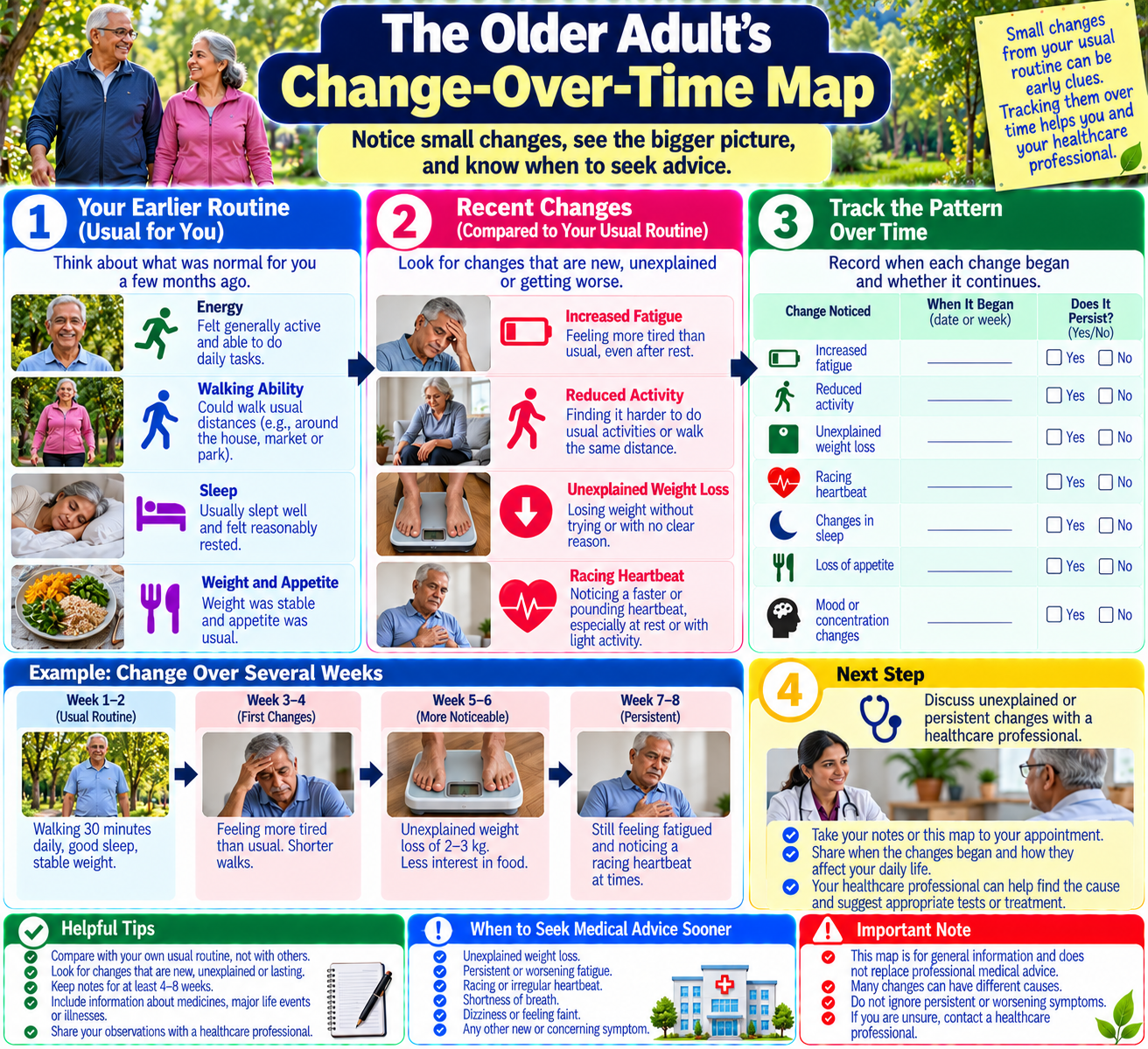
Older adults may not experience the obvious combination of nervousness, sweating, increased appetite, and tremors commonly associated with an overactive thyroid.
Instead, the symptoms may resemble other health problems. A person might lose weight without trying, become less interested in usual activities, or develop new heart rhythm problems.
The ATA’s guidance on thyroid disease in older patients explains that hyperthyroidism may present with only one or two symptoms in older adults. Heart, bowel, and nervous system changes can be particularly important clues.
Another term sometimes used in clinical discussions is apathetic hyperthyroidism. This describes a less typical presentation in which symptoms such as fatigue, depression-like changes, reduced appetite, or withdrawal from social activities may be more prominent than obvious restlessness.
These symptoms are not specific to thyroid disease. A clinician must consider other explanations, including heart disease, medication effects, nutritional problems, and other hormonal conditions.
10 Hyperthyroidism Symptoms in Older Adults
The following signs can occur with an overactive thyroid, although not everyone experiences all 10. Several symptoms occurring together may be more informative than one isolated change.
1. Unexplained Weight Loss
Unintentional weight loss is an important possible sign of hyperthyroidism in older adults.
Some people continue eating normally but still lose weight. Others experience reduced appetite, which may make the change less obvious to family members.
Why it happens: Excess thyroid hormone can increase energy expenditure and alter the body’s use of fat and protein.
Everyday example: A person’s clothes gradually become looser, even though their meals and activity levels have not changed significantly.
What to do: Arrange a medical assessment if weight loss is unexplained or persistent. Cancer, digestive conditions, depression, medication effects, and other illnesses can also cause weight loss.
The Mayo Clinic’s hyperthyroidism guide identifies unintended weight loss as a common symptom.
2. Rapid or Irregular Heartbeat
Excess thyroid hormone can affect the heart’s rate and rhythm. A person may notice pounding, fluttering, or skipped beats.
Some older adults discover the problem only when they become unusually breathless or tired during ordinary activities.
Everyday example: Walking to a nearby shop suddenly feels more difficult, or the heart seems to race while sitting quietly.
Why it matters: Hyperthyroidism can increase the risk of atrial fibrillation, an irregular heart rhythm associated with stroke and other complications.
Do not ignore a new or persistent irregular heartbeat. Seek emergency care if it occurs with chest pain, fainting, severe shortness of breath, or significant dizziness.
The National Institute on Aging provides further information about atrial fibrillation and its health risks.
3. Muscle Weakness
Some people gradually lose strength in their upper arms, thighs, or hips. Activities that previously felt easy may become more demanding.
Everyday examples include:
- Finding it harder to stand up from a low chair.
- Struggling to climb stairs.
- Carrying grocery bags becoming more difficult.
- Needing more breaks during household chores.
Excess thyroid hormone can contribute to muscle weakness and the breakdown of muscle tissue. Older adults may be especially concerned about these changes because reduced strength can affect independence and increase the risk of falls.
However, weakness also occurs with anemia, neurological disorders, medication effects, and other conditions. A healthcare professional can help identify the cause.
4. Unusual Fatigue
Hyperthyroidism does not always make a person feel energetic. Some older adults feel exhausted despite getting enough sleep.
Everyday example: Someone who usually enjoys gardening or walking begins stopping frequently because of tiredness.
Fatigue may occur alongside muscle weakness, poor sleep, a rapid heartbeat, or unexplained weight changes.
A useful first step is to record when the tiredness started, whether it is getting worse, and what activities have become difficult. Persistent fatigue should be assessed rather than automatically blamed on aging.
The NIDDK’s hyperthyroidism information lists tiredness and muscle weakness among possible symptoms.
5. Trembling Hands
A fine hand tremor can develop when excess thyroid hormone stimulates the body’s nervous system.
It may be noticeable while holding a cup, writing, buttoning a shirt, or using a phone.
Everyday example: A person who previously wrote comfortably begins noticing that their handwriting has become less steady.
Tremors can also occur because of essential tremor, neurological conditions, anxiety, or certain medicines. A new tremor deserves medical evaluation, particularly if it occurs with weight loss or heart rhythm changes.
6. Feeling Too Warm
People with hyperthyroidism may feel unusually hot or sweat more than expected.
Everyday example: One person prefers a cooler room while other family members feel comfortable at the same temperature.
This can happen because thyroid hormones influence metabolism and heat production.
Heat intolerance alone does not establish a thyroid problem. Hot weather, infections, menopause-related changes, and certain medicines can also affect temperature comfort.
If the symptom persists or appears with other possible thyroid signs, discuss it with a healthcare professional.
7. Difficulty Sleeping
An overactive thyroid can contribute to restlessness, difficulty falling asleep, or repeated waking during the night.
Poor sleep may then worsen fatigue, concentration, and daily functioning.
Everyday example: A person spends enough time in bed but repeatedly wakes and feels tired the following morning.
Sleep problems have many possible causes, including pain, sleep apnea, anxiety, and medication effects. Persistent changes should be discussed with a healthcare professional rather than treated only with sleep supplements.
For general sleep guidance, see our guide to simple habits for better sleep at night.
8. More Frequent Bowel Movements
Excess thyroid hormone can speed up digestive activity. Some people experience more frequent bowel movements or diarrhea.
Everyday example: A person’s usual bowel routine changes even though their diet has remained relatively stable.
Persistent digestive changes may also result from infections, food intolerance, medication effects, or other gastrointestinal conditions.
If frequent bowel movements occur alongside unexplained weight loss, tremors, or a racing heartbeat, tell your healthcare professional about the combination.
9. Mood or Behavioral Changes
Hyperthyroidism can affect mood and behavior. Possible changes include irritability, nervousness, restlessness, anxiety, or a noticeable change in interest in everyday activities.
Some older adults may instead appear withdrawn, lose interest in social contact, or experience depression-like symptoms.
Everyday example: Family members notice that a normally sociable relative has become unusually quiet or has stopped participating in favorite activities.
Such changes should not automatically be attributed to aging. Depression, medication effects, sleep disorders, dementia, and other health conditions can cause similar changes.
The NIDDK explains that hyperthyroidism in older adults can sometimes resemble depression or dementia. Medical assessment is important to distinguish among possible causes.
10. Shortness of Breath During Activity
An older adult may become breathless while walking uphill, climbing stairs, gardening, or carrying shopping bags.
Hyperthyroidism can increase the heart’s workload and may contribute to cardiovascular problems. However, shortness of breath can also result from heart or lung disease, anemia, infection, and other conditions.
What to do: New or persistent breathlessness needs medical evaluation. Severe breathing difficulty, chest pain, fainting, or sudden breathlessness requires emergency care.
Do not assume that becoming breathless is simply part of getting older.
Symptom Comparison Table
| Possible symptom | Everyday clue | Why assessment matters |
|---|---|---|
| Unexplained weight loss | Clothes become looser | Many medical conditions can cause it |
| Rapid or irregular heartbeat | Pounding or fluttering | May indicate a heart rhythm problem |
| Muscle weakness | Difficulty standing or climbing stairs | Can affect mobility and independence |
| Fatigue | Frequent rest breaks | May have several underlying causes |
| Hand tremor | Shaking while holding a cup | Can reflect thyroid or neurological conditions |
| Heat intolerance | Feeling unusually hot | More informative alongside other symptoms |
| Sleep problems | Frequent waking | May worsen daily functioning |
| Frequent bowel movements | Change in normal routine | May accompany thyroid or digestive conditions |
| Mood changes | Withdrawal or irritability | Requires consideration of several possible causes |
| Shortness of breath | Becoming winded during routine tasks | Can indicate a serious heart or lung problem |
What Causes Hyperthyroidism in Older Adults?
Several conditions can cause an overactive thyroid.
Graves’ disease: An autoimmune disorder that stimulates the thyroid to produce excessive hormone.
Toxic multinodular goiter: Several thyroid nodules produce too much hormone. This becomes a particularly important cause to consider in older adults.
Toxic adenoma: A single overactive thyroid nodule produces excess hormone.
Thyroiditis: Inflammation of the thyroid can release stored hormone into the bloodstream. Depending on the cause, this may be temporary.
Certain medicines or excessive iodine exposure can also affect thyroid function in some circumstances.
The NIDDK’s overview of hyperthyroidism describes these causes. Identifying the underlying condition matters because the appropriate treatment depends on what is causing the hormone excess.
A Useful but Often Missed Distinction: Overt and Subclinical Hyperthyroidism
Not every abnormal thyroid blood test produces obvious symptoms.
In overt hyperthyroidism, thyroid hormone levels are elevated, typically with a suppressed TSH level. In subclinical hyperthyroidism, TSH is low while free T4 and T3 remain within their reference ranges.
Subclinical hyperthyroidism may not cause obvious symptoms, but persistent cases can be important in older adults, particularly when heart disease or osteoporosis is present.
A 2025 review, Considerations in the Diagnosis and Management of Thyroid Dysfunction in Older Adults, discusses the diagnostic and treatment challenges that thyroid disorders can present in this age group.
This does not mean every mildly low TSH level needs immediate treatment. Clinicians consider the degree and persistence of the abnormality, the person’s age, symptoms, other illnesses, and the risks and benefits of treatment.
What to Expect During a Medical Evaluation
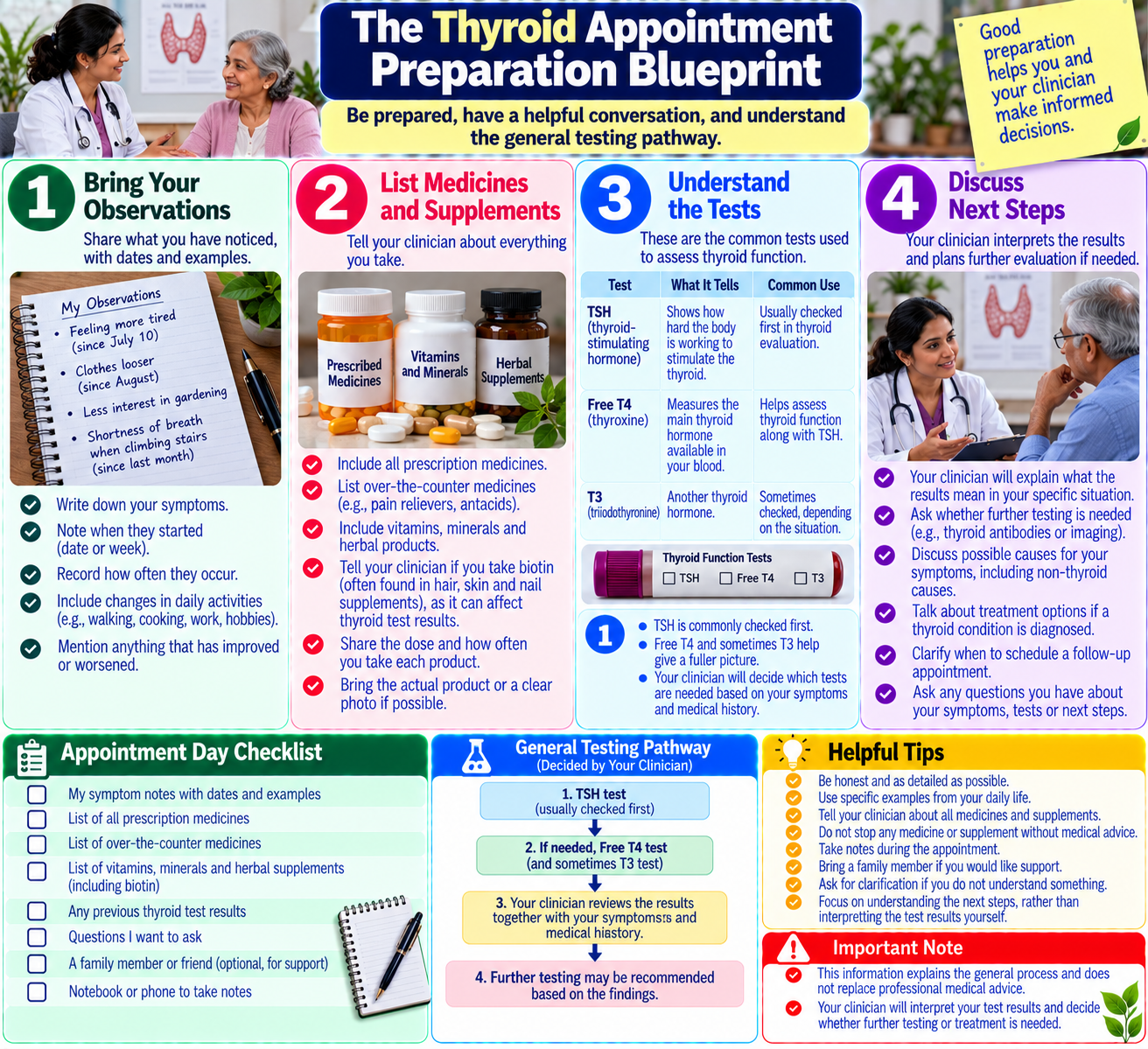
A medical appointment usually begins with questions about symptoms, their duration, medical history, and current medicines or supplements.
A clinician may check the pulse, blood pressure, thyroid gland, reflexes, and hands for tremors.
Thyroid blood tests
| Test | What it helps assess |
|---|---|
| TSH | A common initial test used to assess thyroid function |
| Free T4 | Measures the available form of thyroxine in the blood |
| T3 | May help clarify suspected hyperthyroidism in selected cases |
Low TSH together with elevated T4 or T3 can support a diagnosis of overt hyperthyroidism. Results must be interpreted in context, because illness, medicines, supplements, and other factors can affect testing.
The Mayo Clinic’s diagnosis and treatment guide explains how clinicians use blood tests and, when needed, additional investigations to determine the cause.
Depending on the findings, a clinician may recommend thyroid antibody testing, ultrasound, or a radioactive iodine uptake scan. Not everyone needs every test.
Practical tip: Bring a list of medicines and supplements to the appointment. Biotin, commonly found in hair, skin, and nail supplements, can interfere with some thyroid laboratory tests. Tell the clinician if you take it and follow the laboratory’s instructions about testing preparation.
Can Hyperthyroidism Be Mistaken for Dementia?
Yes, some symptoms can overlap. Older adults with hyperthyroidism may experience behavioral changes, reduced social engagement, or cognitive difficulties that resemble symptoms associated with dementia or depression.
However, thyroid disease and dementia are different conditions. One should not be assumed to explain the other without proper evaluation.
New confusion or memory changes deserve medical attention, particularly when they appear suddenly or worsen quickly. A clinician can review medicines, check for acute illness, and decide whether thyroid testing or other investigations are appropriate.
What Family Members or Caregivers Can Notice First
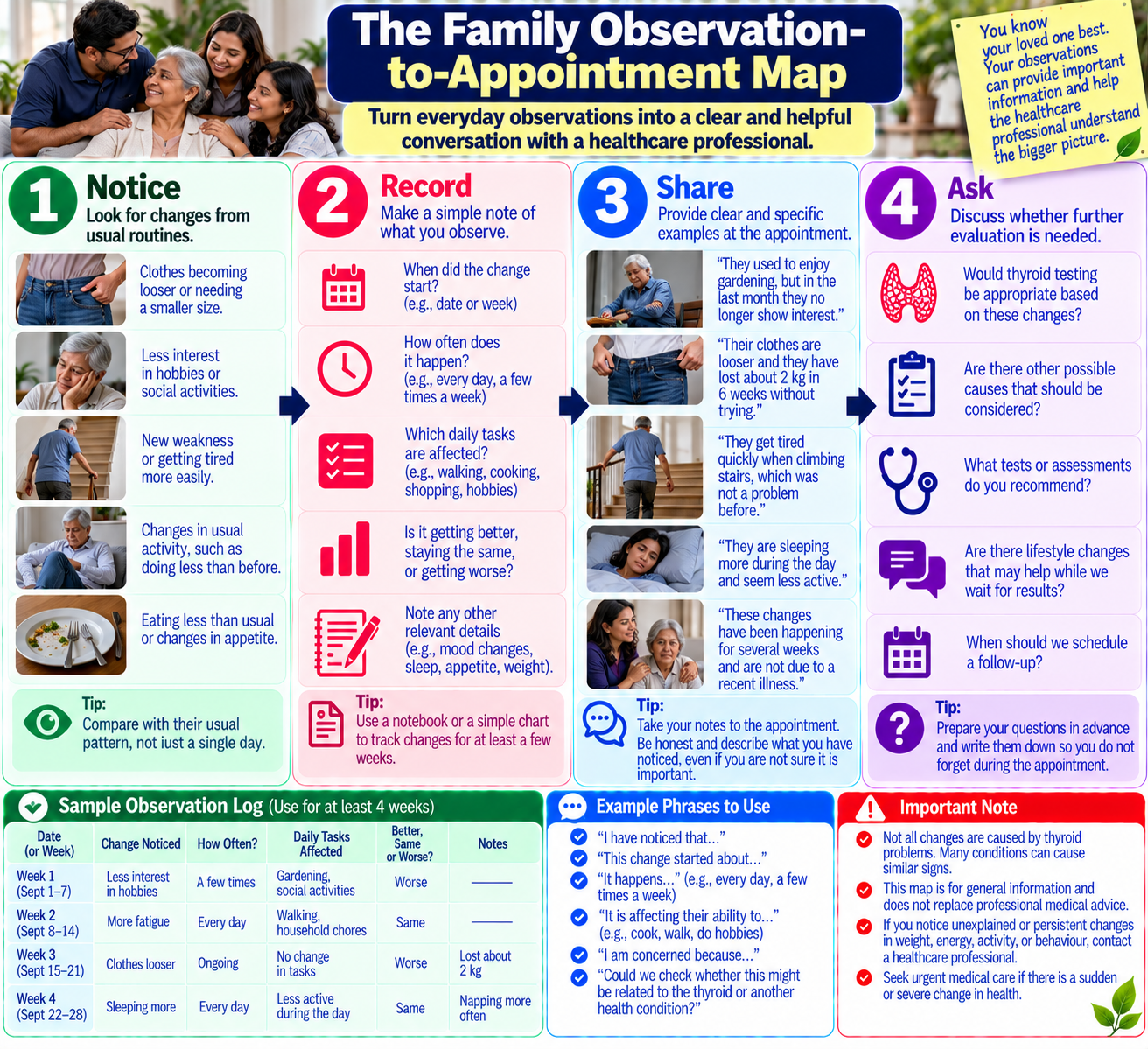
Family members may recognize gradual changes before the person experiencing them realizes that something has changed.
Watch for a combination of signs such as:
- Clothes becoming noticeably looser.
- Increasing difficulty with stairs or household tasks.
- New hand tremors.
- Changes in appetite or sleep.
- Unusual fatigue or withdrawal from hobbies.
- A newly racing or irregular heartbeat.
- Repeated comments about feeling hot.
A respectful conversation is more helpful than making assumptions. For example, say, “I’ve noticed that walking has become harder recently. Would you consider discussing it with your doctor?”
A simple symptom diary
This is a practical way to prepare for an appointment, not a diagnostic tool.
| What to record | Example |
|---|---|
| When the change started | Tiredness began three weeks ago |
| Weight changes | Weight decreased without trying |
| Heart symptoms | Fluttering episodes during walking |
| Sleep | Waking several times each night |
| Daily functioning | Now needs help carrying groceries |
| Medicines and supplements | List current products and recent changes |
Recording dates and examples can help the clinician understand the pattern more clearly. Do not delay urgent care to complete a diary.
Common Mistakes to Avoid
1. Assuming every change is normal aging
Occasional tiredness is common, but persistent weakness, unexplained weight loss, or new heart rhythm changes deserve attention.
Better approach: Discuss ongoing or unusual changes with a healthcare professional.
2. Waiting for every symptom to appear
An older adult may have only one or two noticeable symptoms. Waiting for the complete list can delay assessment.
Better approach: Take persistent unexplained changes seriously, even when they seem mild.
3. Diagnosing yourself online
Several conditions can cause fatigue, weight loss, tremors, and mood changes.
Better approach: Use reputable information to prepare questions, not to replace medical assessment.
4. Trying supplements or home remedies instead of medical care
No home remedy has been established as a reliable cure for hyperthyroidism. Excess iodine from kelp or other supplements may worsen some thyroid conditions, and supplements can interact with medicines.
Better approach: Ask a qualified healthcare professional before using thyroid-related supplements or changing your diet substantially.
5. Stopping prescribed medication without advice
People who already receive thyroid treatment should not stop or adjust prescribed medicine on their own. Both excessive and insufficient thyroid treatment can create health problems.
Better approach: Follow the prescribed plan and attend recommended follow-up appointments.
Practical, Low-Effort Steps That May Help You Prepare for Care
These steps do not treat an overactive thyroid, but they can make it easier to recognize changes and communicate them accurately.
Use a weekly routine check. Once a week, consider whether your weight, energy, sleep, appetite, and ability to complete ordinary tasks have changed. Contact a clinician about persistent unexplained changes rather than waiting for the next check.
Keep a current medicine list. Include prescription medicines, over-the-counter products, vitamins, and supplements. Bring the list to medical appointments.
Choose one trusted contact. If you are comfortable doing so, ask a family member or friend to help remember symptoms and appointment questions.
Prepare three questions before your visit. Ask whether thyroid testing is appropriate, what other causes need consideration, and what symptoms should prompt urgent care.
Avoid starting an extreme diet. Restrictive diets and unverified supplements can create additional health risks without addressing the underlying cause.
These are practical preparation strategies, not unique medical treatments. The purpose is to help people obtain appropriate care sooner and communicate useful information.
What Recent Research Means for Older Adults
A major challenge in older-adult thyroid care is that symptoms may be subtle and other medical conditions may complicate interpretation.
The 2025 review Considerations in the Diagnosis and Management of Thyroid Dysfunction in Older Adults discusses how diagnosis and management require attention to age, coexisting illnesses, and the possible consequences of thyroid dysfunction.
Clinical guidance also emphasizes the importance of heart and bone health. Untreated hyperthyroidism can increase the risk of atrial fibrillation and contribute to bone loss. The NIDDK summarizes these potential complications.
These findings support a practical message: do not rely on symptoms alone, and do not assume that every abnormal test requires the same treatment. Clinicians need to interpret test results alongside the patient’s health, risks, and preferences.
When to Seek Emergency Medical Care
Many symptoms of hyperthyroidism can be assessed through a prompt medical appointment. Some symptoms, however, require immediate attention because they may signal a serious heart problem or another emergency.
Seek emergency medical care for:
- Chest pain or pressure.
- Fainting or loss of consciousness.
- Severe difficulty breathing.
- A very rapid or irregular heartbeat accompanied by chest pain, faintness, or severe dizziness.
- New severe confusion or difficulty staying awake.
- High fever with a rapid heartbeat, vomiting, severe agitation, or confusion, which can indicate thyroid storm.
Thyroid storm is a rare, life-threatening complication that requires emergency treatment. These symptoms can also have other serious causes, so do not attempt to diagnose them at home.
Frequently Asked Questions
1. What are the most common hyperthyroidism symptoms in older adults?
Possible symptoms include unexplained weight loss, rapid or irregular heartbeat, fatigue, muscle weakness, hand tremors, heat intolerance, sleep problems, frequent bowel movements, mood changes, and shortness of breath. Some older adults have only one or two symptoms.
2. Why is hyperthyroidism sometimes missed in older adults?
Symptoms may develop gradually or resemble other conditions, including depression, heart disease, medication effects, or normal aging changes. Blood tests help determine whether thyroid hormone levels are abnormal.
3. Can hyperthyroidism cause heart problems?
Yes. Excess thyroid hormone can cause a rapid heartbeat and increase the risk of atrial fibrillation. Untreated hyperthyroidism can also contribute to heart failure and other complications.
4. Is unexplained weight loss always caused by an overactive thyroid?
No. Weight loss can occur with many conditions, including digestive disorders, diabetes, depression, medication effects, and other serious illnesses. A medical assessment can help determine the cause.
5. Which blood tests diagnose hyperthyroidism?
TSH is commonly used in the initial assessment. Free T4 and sometimes T3 help establish whether thyroid hormone levels are elevated. Additional testing may be required to determine the cause.
6. Can hyperthyroidism cause confusion or memory problems?
It can sometimes cause cognitive or behavioral changes that resemble symptoms of other conditions. New or worsening confusion requires medical assessment rather than an assumption that thyroid disease or dementia is responsible.
7. Can hyperthyroidism be treated?
Yes. Treatment depends on the cause, severity, age, and overall health. Options may include antithyroid medicines, radioactive iodine, or surgery. A healthcare professional can explain the benefits and risks of suitable options.
8. Can I manage hyperthyroidism naturally?
Healthy routines can support general well-being, but they do not reliably correct excessive thyroid hormone production. Do not replace prescribed treatment with supplements, restrictive diets, or home remedies.
9. Should family members watch for small changes?
Yes. Gradual weight loss, reduced activity, increasing fatigue, and changes in mood or behavior can be useful observations to share with a healthcare professional.
10. When should an older adult see a doctor?
Arrange an appointment for persistent unexplained weight loss, new tremors, ongoing fatigue, heat intolerance, or a rapid or irregular heartbeat. Seek emergency care for chest pain, fainting, severe breathing difficulty, or other serious symptoms.
Research Methodology
This article was prepared using medical information from government health organizations, professional thyroid organizations, a major medical center, and peer-reviewed literature.
Priority was given to sources that specifically discuss hyperthyroidism, thyroid testing, complications, and thyroid disease in older adults. General lifestyle suggestions are presented as practical preparation strategies rather than as treatments for the condition.
This article is educational and has not been independently reviewed by a qualified healthcare professional. Medical recommendations can differ according to symptoms, laboratory results, age, medicines, and other health conditions.
Sources and References
- National Institute of Diabetes and Digestive and Kidney Diseases (NIDDK): Hyperthyroidism
- American Thyroid Association: Hyperthyroidism
- American Thyroid Association: Older Patients and Thyroid Disease
- Mayo Clinic: Hyperthyroidism Symptoms and Causes
- Mayo Clinic: Hyperthyroidism Diagnosis and Treatment
- 2025 Review: Considerations in the Diagnosis and Management of Thyroid Dysfunction in Older Adults
- National Institute on Aging: Atrial Fibrillation
Conclusion
Hyperthyroidism symptoms in older adults are not always obvious. An overactive thyroid may cause unexplained weight loss, fatigue, muscle weakness, tremors, changes in mood, or heart rhythm problems, but some people experience only a few of these signs.
The most useful step is to recognize persistent changes and discuss them with a qualified healthcare professional. Thyroid blood tests can help establish whether the thyroid is overactive, while further evaluation may identify the underlying cause.
Avoid trying to diagnose the condition from symptoms alone or relying on unproven home remedies. Early medical assessment can help identify the problem and guide appropriate treatment.
A practical rule to remember: When an older adult develops unexplained changes in weight, strength, energy, behavior, or heart rhythm, do not automatically dismiss them as aging.
About the Author
RVLNSV Prasad is a wellness writer and independent health researcher with an interest in healthy aging, nutrition, lifestyle medicine, and evidence-based health education.
His goal is to explain health research in accessible language and help readers prepare informed questions for healthcare professionals.
Medical Disclaimer
This article is for educational and informational purposes only. It is not intended to diagnose, treat, cure, or prevent any disease and does not replace advice from a qualified healthcare professional.
Consult your doctor or another qualified healthcare professional about symptoms, thyroid testing, treatment options, medicines, and supplements. Do not stop or change prescribed medication without professional guidance. Seek emergency care for severe or potentially life-threatening symptoms.
Fitness Disclaimer
Physical activity recommendations must be appropriate for a person’s health, mobility, and fitness level. If you experience chest pain, unusual shortness of breath, faintness, or a racing or irregular heartbeat during activity, stop and seek appropriate medical care. People with diagnosed thyroid disease or other chronic conditions should discuss suitable activity levels with their healthcare team.
Related Articles








[…] 10 Hyperthyroidism Symptoms in Older Adults: Early Signs You Should Not Ignore […]
[…] 10 Hyperthyroidism Symptoms in Older Adults: Early Signs You Should Not Ignore […]
[…] 10 Hyperthyroidism Symptoms in Older Adults: Early Signs You Should Not Ignore […]
[…] 10 Hyperthyroidism Symptoms in Older Adults: Early Signs You Should Not Ignore […]
[…] 10 Hyperthyroidism Symptoms in Older Adults: Early Signs You Should Not Ignore […]
[…] 10 Hyperthyroidism Symptoms in Older Adults: Early Signs You Should Not Ignore […]