
















































































































































8 Best Herbs for Hair Growth: Benefits, Evidence, and Safe Use
Author: RVLNSV PRASAD
Updated On: August 2026
About Us
Author Bio
Editorial Policy
Contact Us
Author Note
This article was written by RVLNSV PRASAD to provide practical, evidence-aware information about herbs and natural hair care. Traditional herbal remedies have been used in many cultures for generations, but traditional use does not automatically mean that a remedy has been proven to regrow hair.
The purpose of this guide is to explain what is known about commonly used herbs for hair growth, where evidence is limited, and how to approach herbal hair care safely. Because hair loss can have many different causes, persistent or sudden hair loss should be evaluated by a qualified healthcare professional.
Quick Answer
Some herbs for hair growth may support scalp or hair health, but evidence varies considerably from one herb to another. Rosemary oil currently has some human clinical evidence for androgenetic alopecia, while many popular remedies such as amla, fenugreek, bhringraj, hibiscus, neem, and aloe vera have more limited evidence for actual hair regrowth.
Hair loss can also result from hereditary factors, hormonal changes, nutritional deficiencies, illness, medications, scalp conditions, or autoimmune disease. Finding the underlying cause is therefore more important than simply choosing an herbal remedy.
Key Takeaways
- Herbs for hair growth are not all equally supported by research.
- Rosemary oil has some human clinical evidence for androgenetic alopecia.
- Many other herbal remedies have traditional use or preliminary research but lack strong human trials.
- Natural does not automatically mean safe or effective.
- Hair loss has many possible causes, so identifying the cause matters.
- Avoid putting undiluted essential oils directly on the scalp.
- Do not rely on herbal remedies alone for sudden, severe, or progressive hair loss.
- A dermatologist can help identify the cause and recommend appropriate treatment.
Introduction
Hair shedding is normal, but noticeable thinning or persistent hair loss can be frustrating. Many people search for natural options before considering conventional treatments, especially when they want a simple hair-care routine.
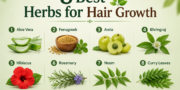
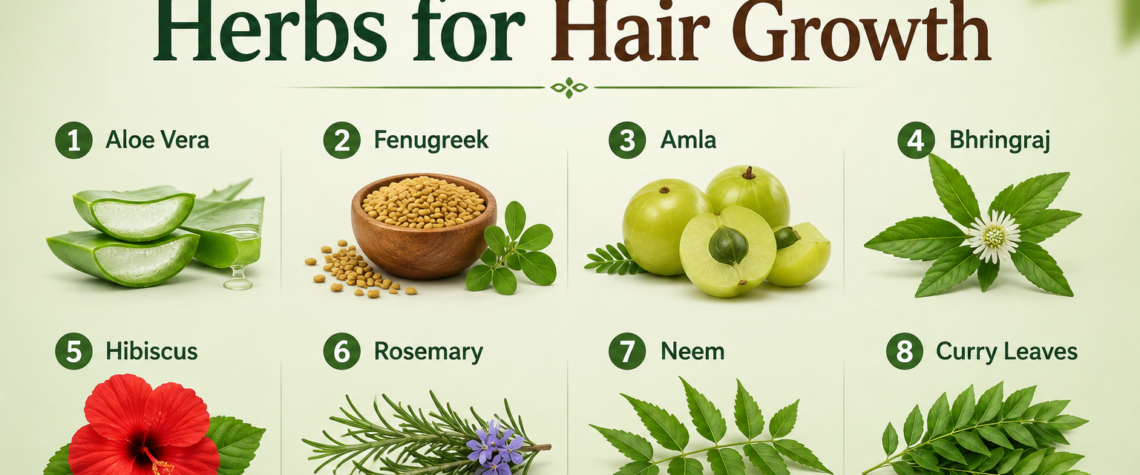
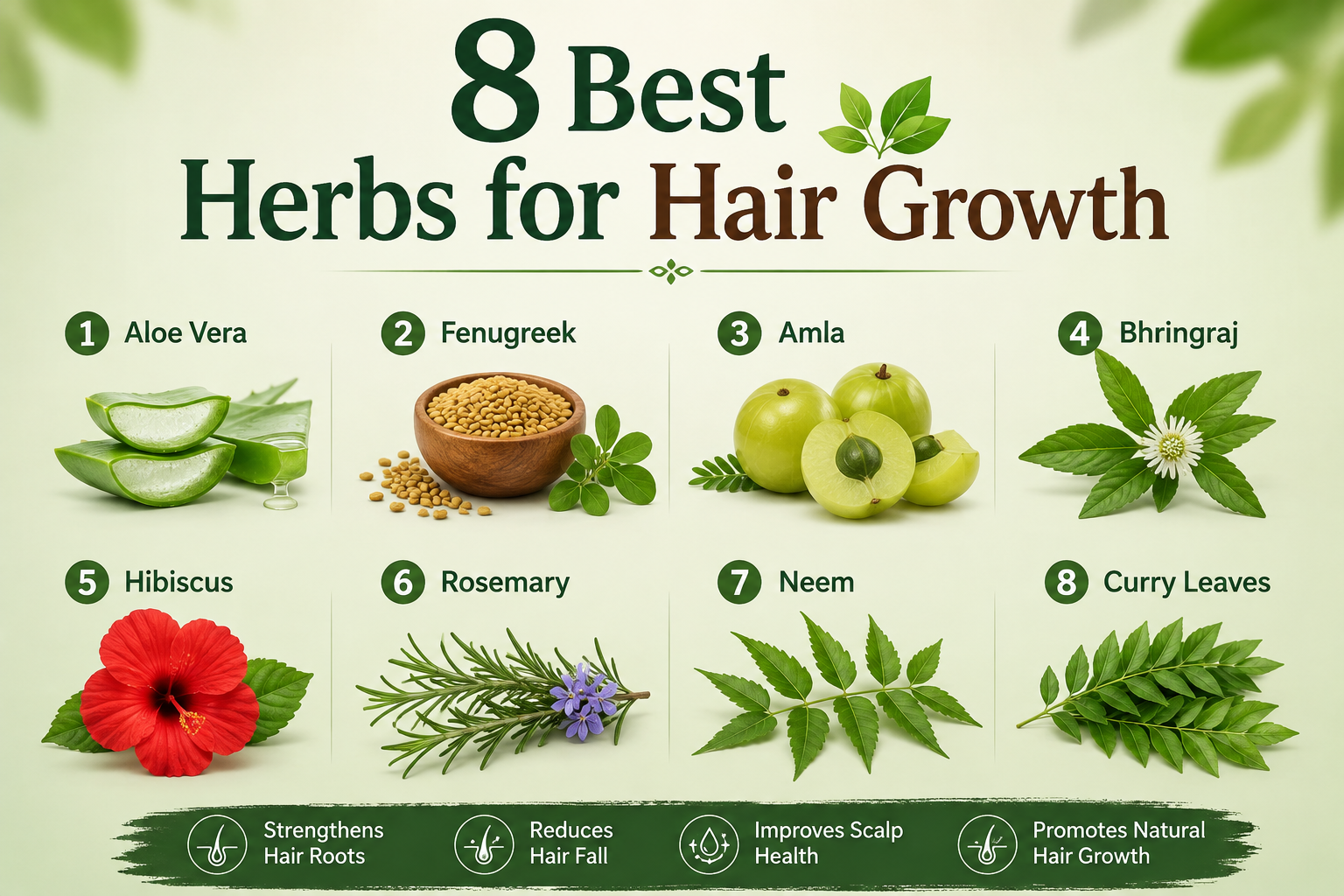
This interest has made herbs for hair growth increasingly popular. Rosemary, amla, fenugreek, bhringraj, hibiscus, aloe vera, neem, and curry leaves are frequently discussed as natural hair-care ingredients.
However, there is an important difference between traditional use and scientific evidence.
A herb may have been used for generations without having enough human clinical research to prove that it regrows hair. Some remedies may improve the feel or condition of the scalp or hair shaft without treating the underlying cause of hair loss.
That distinction matters.
Hair loss can result from hereditary hair loss, thyroid disease, nutritional deficiencies, hormonal changes, autoimmune conditions, certain medications, tight hairstyles, scalp disorders, and other factors. The American Academy of Dermatology notes that determining the cause is an important part of effective treatment.
This guide looks at eight commonly used herbs and explains what they may offer, what the evidence can and cannot tell us, and how to use herbal hair care more safely.
Before choosing an herbal remedy, it helps to understand why hair may be falling out.
What Causes Hair Loss?
Before choosing an herbal remedy, it helps to understand why hair may be falling out.
Hereditary hair loss
Genetic hair loss is one of the most common causes of thinning in people. It can gradually cause shrinking hair follicles and progressive thinning.
Nutritional deficiencies
Low levels of certain nutrients, including iron, zinc, or protein, can contribute to noticeable hair loss in some people. Taking supplements without confirming a deficiency is not always helpful and can sometimes be harmful.
Hormonal or medical conditions
Thyroid problems, hormonal changes, autoimmune conditions, and some other medical disorders can cause hair loss. Treating the underlying condition may be more important than applying a topical herbal remedy.
Stress and illness
Significant physical or emotional stress, major illness, surgery, or other events can sometimes lead to increased shedding.
Hair-care practices
Tight hairstyles, excessive heat, chemical processing, and repeated physical damage can contribute to breakage or certain types of hair loss.
The key point: If you do not know why your hair is thinning, finding the cause should come before relying heavily on herbal remedies.
8 Herbs for Hair Growth
1. Rosemary
Rosemary is one of the most interesting herbs for hair growth because it has been studied in humans.
A randomized comparative trial involving 100 people with androgenetic alopecia compared rosemary oil with 2% minoxidil over six months. Hair counts increased in both groups at six months, and the researchers did not find a significant difference between the groups at that point. The study was relatively small, however, so it should not be interpreted as proof that rosemary is equivalent to established medical treatment.
PubMed: Rosemary Oil vs. 2% Minoxidil Trial
What rosemary may offer
Rosemary oil may be worth considering as a complementary hair-care option, particularly for people interested in plant-based approaches. However, the available human evidence is still limited compared with the much larger body of research supporting established hair-loss treatments.
How to use rosemary oil more safely
Do not apply concentrated rosemary essential oil directly to the scalp.
Instead:
- Use a properly diluted product intended for topical use.
- Follow the product’s instructions.
- Test a small area first if you have sensitive skin.
- Stop if burning, redness, itching, or irritation develops.
What not to claim
It is not accurate to say that rosemary oil will make everyone’s hair grow faster. Results depend on the cause of hair loss and the individual.
2. Amla
Amla, also known as Indian gooseberry, has a long history of use in Ayurvedic and traditional hair care.
It is commonly found in oils, powders, masks, and other hair products.
Amla contains vitamin C and other plant compounds, which makes it an interesting ingredient from a nutritional and traditional perspective. However, having antioxidants or nutrients does not automatically prove that applying amla to the scalp will regrow hair.
What amla may be useful for
Amla may be used as part of a general hair-care routine, particularly when the goal is conditioning and scalp care.
The evidence for amla as a standalone treatment for common forms of hair loss remains much less established than the evidence for conventional treatments.
Ways people use amla
- Amla-based hair oil
- Amla powder in a hair mask
- Amla-containing commercial hair products
If you consume amla products, remember that food and concentrated supplements are not the same thing. Follow product directions and discuss supplements with a healthcare professional when appropriate.
3. Fenugreek
This herb, fenugreek, also called methi, is widely used in South Asian cooking and traditional hair care.
Fenugreek seed pastes and hair masks are commonly promoted for reducing breakage, improving hair texture, and supporting scalp care.
However, claims that fenugreek directly regrows hair follicles should be treated cautiously because strong human clinical evidence is limited.
Why people use fenugreek for hair
Traditional preparations may be used because fenugreek contains plant compounds and is easy to incorporate into homemade hair masks.
Simple topical approach
If you want to try a fenugreek mask:
- Soak the seeds.
- Grind them into a smooth paste.
- Apply a small amount to the scalp or hair.
- Leave it on for a limited period.
- Rinse thoroughly.
Avoid using a preparation that causes burning or irritation.
4. Bhringraj
Bhringraj, commonly identified as Eclipta prostrata or Eclipta alba, has a strong place in Ayurvedic hair care.
It is often described as a traditional hair tonic and is commonly included in herbal oils.
Laboratory and preclinical research has generated interest in bhringraj, but evidence from well-designed human clinical trials is much more limited.
What this means for readers
Bhringraj can reasonably be described as a traditional herbal hair-care ingredient, but it should not be presented as a proven cure for baldness or severe hair loss.
If you use bhringraj oil, choose a reputable topical product and follow its instructions.
5. Hibiscus
Hibiscus flowers and leaves are another popular ingredient in traditional hair-care routines.
People commonly prepare hibiscus pastes, masks, or oil infusions.
The plant contains various naturally occurring compounds, but evidence that topical hibiscus reliably stimulates new human hair growth remains limited.
Potential role in hair care
Hibiscus may be more appropriately viewed as a conditioning or traditional scalp-care ingredient rather than a proven hair-regrowth treatment.
That distinction helps prevent unrealistic expectations.
6. Aloe Vera
Aloe vera is widely used for skin and scalp care because of its soothing and moisturizing properties.
It is sometimes promoted as one of the best natural remedies for hair growth. However, soothing the scalp is not the same as stimulating new hair growth.
How aloe vera may fit into a routine
A commercially prepared aloe vera gel may be used as a scalp-care product if your skin tolerates it.
For people who prefer fresh aloe, hygiene and skin sensitivity are important considerations. Stop using it if you develop irritation, redness, or itching.
What the evidence does not establish
Aloe vera should not be presented as a guaranteed treatment for hereditary hair loss, alopecia areata, or other medical causes of hair loss.
7. Neem
Neem has a long history of traditional use in South Asian personal care.
Neem-based preparations are sometimes used for scalp cleansing and dandruff-related concerns.
However, traditional antimicrobial properties should not be confused with proof that neem treats every scalp infection or causes hair regrowth.
Using neem cautiously
Neem leaves may be used in traditional rinses, while commercial neem products are available for topical use.
If you have a painful, inflamed, infected, or severely irritated scalp, do not rely on neem alone. A scalp condition may require proper diagnosis and medical treatment.
8. Curry Leaves
Curry leaves are common in Indian cooking and are also used in traditional hair-care preparations.
Curry-leaf oils and masks are popular because of their cultural history and availability.
However, claims that curry leaves prevent premature graying or reliably regrow hair are not sufficiently established by high-quality human research.
A realistic way to view curry leaves
Curry leaves can be part of a traditional hair-care routine, but they should not replace evaluation for persistent hair loss.
If you enjoy using a curry-leaf oil preparation and your scalp tolerates it, it can be considered a cosmetic hair-care practice rather than a proven medical treatment.
Which Herbs for Hair Growth Have the Best Human Evidence?
This is where many online articles become misleading.
Not every herb on a “best hair-growth herbs” list has been tested in people with hair loss.
A useful way to think about the evidence is
<td>Traditional hair-care ingredient
| Herb | Evidence for hair growth | Practical interpretation |
|---|---|---|
| Rosemary | Some human clinical evidence | Most interesting option on this list |
| Amala | Limited/early evidence | Traditional hair-care ingredient |
| Fenugreek | Limited human evidence | Traditional use; more research needed |
| Bhringaraj | Mostly traditional/preclinical evidence | Promising but not proven |
| Hibiscus | Limited evidence | Traditional cosmetic use |
| Aloe vera | Limited evidence for regrowth | Better viewed as scalp-care support |
| Neem | Limited evidence for hair regrowth | Traditional scalp-care use |
| Curry leaves | Limited human evidence |
The distinction between evidence levels is important because a long list of herbs can create the impression that all eight have been clinically proven. They have not.
Can Herbs Actually Regrow Hair?
Sometimes an herbal product may support the appearance or condition of hair, but hair regrowth depends heavily on the underlying cause.
For example, hereditary hair loss involves changes in the hair follicles. Other types of hair loss can result from autoimmune disease, thyroid problems, nutritional deficiencies, infections, medications, or physical stress.
That means there is no single herbal remedy that works for every type of hair loss.
The American Academy of Dermatology notes that treatment begins with identifying the cause, and different types of hair loss require different approaches.
American Academy of Dermatology: Hair Loss Diagnosis and Treatment
Herbs vs. Proven Hair-Loss Treatments
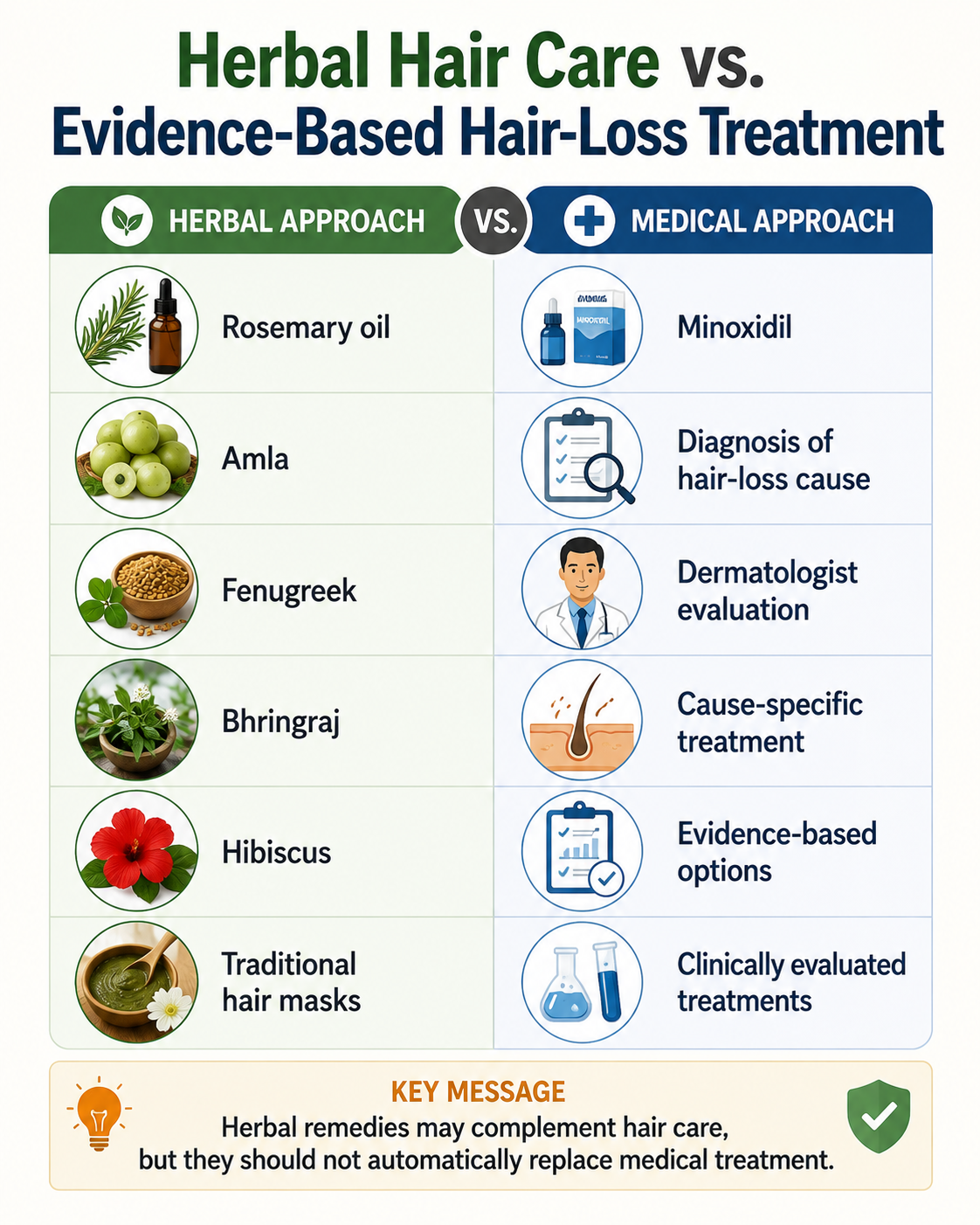
It is also important to understand the difference between a complementary hair-care practice and a medical treatment.
For certain types of hair loss, dermatologists may recommend treatments such as minoxidil or other therapies depending on the diagnosis. The AAD notes that minoxidil can help some people with hair loss, although it does not work for everyone and usually requires continued use to maintain benefits.
This does not mean you cannot use herbal hair care.
It means that herbs should not automatically replace an evidence-based treatment when a medical condition is causing hair loss.
How to Use Herbal Hair Care Safely
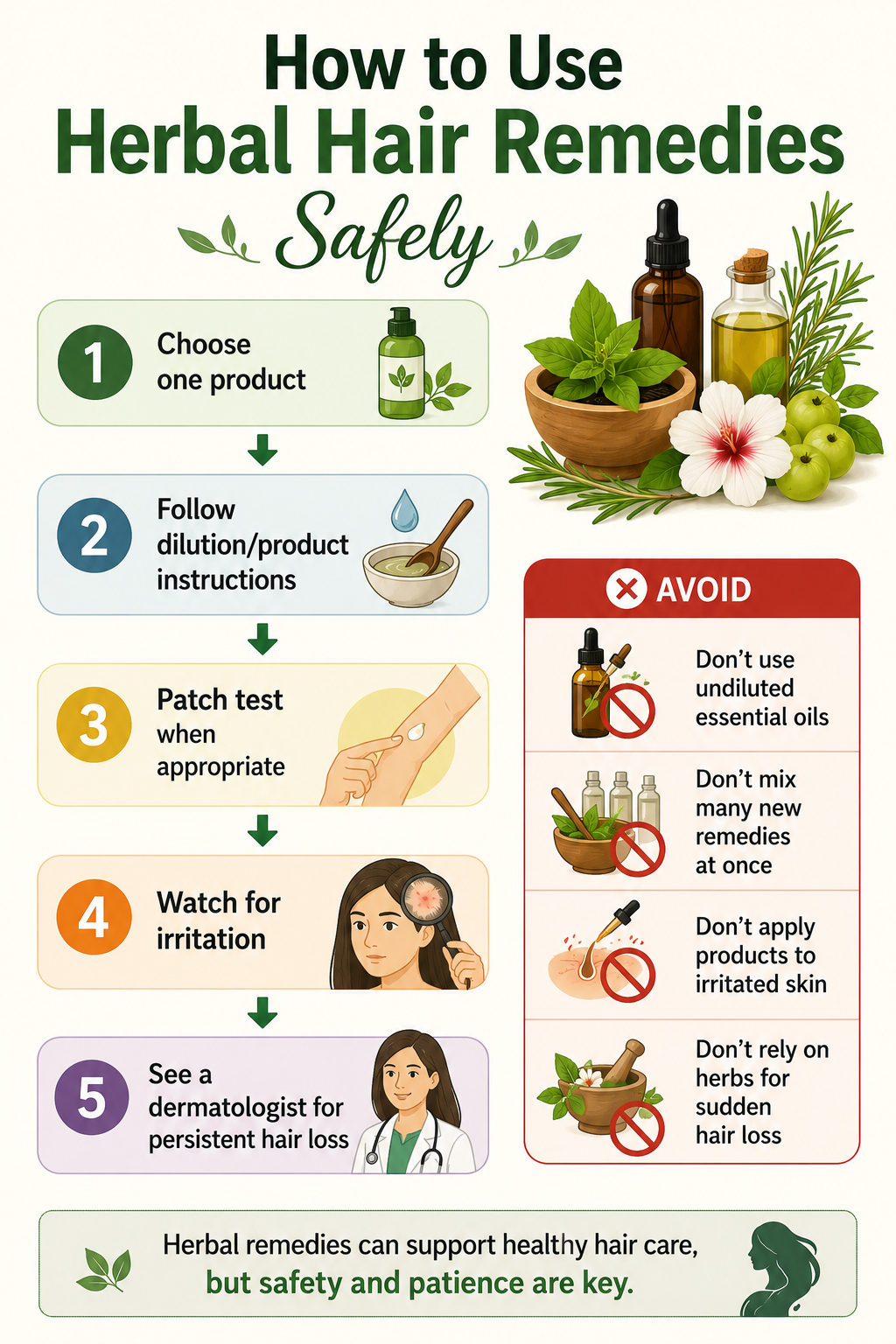
Natural products still contain biologically active substances. “Natural” does not automatically mean risk-free.
Dilute essential oils.
Concentrated essential oils can irritate the skin. Rosemary essential oil should be appropriately diluted before topical use.
Patch test when appropriate
Apply a small amount of the product to a limited area first and watch for irritation.
Avoid broken or inflamed skin.
Do not apply homemade herbal preparations to damaged skin or an actively inflamed scalp.
Introduce one new product at a time.
If you begin several products simultaneously and develop irritation, it becomes difficult to know which product caused the reaction.
Be cautious with oral herbal supplements.
Supplements can interact with medicines and may contain concentrated amounts of active compounds. Hair-loss supplements should not be treated as automatically safe simply because they contain herbs.
The AAD warns that excessive amounts of some nutrients can actually worsen hair loss and recommends professional evaluation when hair loss is occurring.
American Academy of Dermatology: Hair Loss Safety and Management Tips
A Simple Herbal Hair-Care Routine
You do not need to use eight herbs at once.
A simpler approach is easier to monitor.
Example routine
- Step 1: Choose one topical herbal product.
- Step 2: Use it according to the product instructions.
- Step 3: Monitor your scalp for irritation.
- Step 4: Avoid adding several new remedies at the same time.
- Step 5: Take photographs every few weeks under similar lighting if you want to monitor changes in hair density.
- Step 6: If hair loss continues, becomes more noticeable, or develops suddenly, seek professional evaluation.
This approach is more realistic than using multiple masks and oils every few days.
What Else Supports Healthy Hair?
Herbal products are only one small part of hair care.
Eat enough protein.
Hair is made primarily of a protein called keratin. A balanced diet that provides enough protein supports normal hair production.
Address nutritional deficiencies.
Do not automatically take iron, zinc, biotin, or other supplements. A deficiency should be identified before supplementation when possible. The AAD notes that excessive amounts of some nutrients can contribute to hair loss.
Protect fragile hair.
Gentle washing, conditioning, and avoiding damaging hairstyles can reduce breakage. Tight hairstyles can contribute to traction alopecia.
Manage expectations.
Hair grows slowly. A few weeks of using an oil or mask is not enough to determine whether it has changed the underlying cause of hair loss.
When Should You See a Dermatologist?
Do not rely only on natural hair growth remedies if you notice:
- Sudden or rapid hair loss
- Round or clearly defined bald patches
- Significant scalp redness or pain
- Severe itching or scaling
- Hair loss accompanied by other unexplained symptoms
- Progressive thinning despite your hair-care changes
- Eyebrow or eyelash loss
- Hair loss after starting a medication
- Significant shedding after illness or another major health event
A dermatologist can examine the scalp, review your history, and determine whether testing is needed. Finding the cause is important because some types of hair loss respond better to early treatment.
My Experience With Herbal Hair Care
I have personally used natural hair-care methods and understand why herbal remedies appeal to people who prefer simpler routines.
However, personal experience has an important limitation.
What works for one person’s scalp does not prove that the same remedy will regrow hair for everyone.
That is why I would approach herbal hair care as a complementary option, while paying attention to evidence and the possible cause of hair loss.
This distinction is important for anyone searching for natural hair growth remedies.
Common Mistakes to Avoid
Mistake 1: Expecting overnight growth
Hair does not suddenly grow several inches because of one oil or herbal mask.
Mistake 2: Using undiluted essential oils
Concentrated essential oils can irritate the scalp.
Mistake 3: Mixing many remedies
Using several new products simultaneously makes it difficult to identify irritation or other problems.
Mistake 4: Ignoring the cause of hair loss
A person with thyroid disease, alopecia areata, hereditary hair loss, or a nutritional deficiency may need a different treatment approach.
Mistake 5: Taking unnecessary supplements
More vitamins do not automatically mean more hair. Some nutrients can cause problems when taken in excessive amounts.
Mistake 6: Treating social media claims as medical evidence
A before-and-after photograph can be interesting, but it does not establish that a particular herb caused the result.
Frequently Asked Questions
1. What are the best herbs for hair growth?
Rosemary is one of the more interesting options because it has some human clinical evidence. A number of other herbs, including amla, fenugreek, bhringraj, hibiscus, aloe vera, neem, and curry leaves, have traditional or preliminary support, but stronger human research is needed for many of them.
2. Does rosemary oil really help hair growth?
A randomized trial found that both rosemary oil and 2% minoxidil groups had increased hair counts after six months among people with androgenetic alopecia. The study was relatively small, so more research is needed before drawing broad conclusions.
3. Can herbs stop hair loss permanently?
There is no reliable herbal remedy that can permanently stop every type of hair loss. Hair loss has many causes, and treatment needs to match the underlying condition.
4. Is amla good for hair growth?
amla is widely used in traditional hair care and contains vitamin C and other plant compounds. However, traditional use should not be interpreted as proof that amla alone can regrow hair in people with medical hair loss.
5. Can I mix several herbs together?
You can find commercial products containing multiple herbal ingredients, but using several new remedies at once is not necessarily better. Starting with one product makes it easier to identify irritation and assess how your scalp responds.
6. When should I stop using an herbal hair remedy?
Stop if you develop significant burning, redness, swelling, itching, rash, or worsening scalp irritation. Seek medical advice if symptoms are severe or persistent.
Key Takeaways
The search for herbs for hair growth can lead to many promising claims, but the evidence is not equal across all remedies.
Rosemary oil has some human clinical evidence, while many traditional herbs have considerably less evidence for actual hair regrowth. amla, fenugreek, bhringraj, hibiscus, aloe vera, neem, and curry leaves may have a place in traditional or cosmetic hair care, but they should not be presented as proven cures for hair loss.
The most important step is identifying why your hair is thinning.
A balanced diet, gentle hair care, appropriate medical evaluation, and realistic expectations are more useful than chasing a single “miracle” herb.
Conclusion
Herbs for hair growth can be an appealing addition to a natural hair-care routine, particularly when used with realistic expectations.
Rosemary currently has some of the more useful human evidence among the herbs discussed here, while many others are supported mainly by traditional use or early research. That does not make them useless, but it does mean that stronger clinical studies are needed before they can be considered proven hair-loss treatments.
If you decide to try herbal hair care, start simply, use topical products safely, and monitor your scalp for irritation.
Most importantly, do not ignore persistent or sudden hair loss.
Finding the underlying cause gives you a much better chance of choosing an effective treatment. A dermatologist can help determine whether the problem is hereditary hair loss, a nutritional issue, a scalp condition, an autoimmune disorder, or another cause.
Sources and Further Reading
- American Academy of Dermatology — Hair Loss: Causes
- American Academy of Dermatology — Hair Loss: Diagnosis and Treatment
- American Academy of Dermatology — Hair Loss: Tips for Managing
- PubMed — Rosemary Oil vs. 2% Minoxidil Randomized Comparative Trial
- American Academy of Dermatology — Hair Loss Overview
Medical Disclaimer
This article is provided for general educational and informational purposes only. It is not intended to diagnose, treat, cure, or prevent any disease or medical condition. Herbal remedies and topical products may cause irritation, allergic reactions, or other adverse effects, and they may not be appropriate for everyone.
If you have sudden, severe, or persistent hair loss, a painful or inflamed scalp, bald patches, or other concerning symptoms, consult a qualified healthcare professional or dermatologist. Do not stop prescribed medication or replace medical treatment with an herbal remedy without discussing it with your healthcare professional.
Related Content:
- 8 Rapid Hair Growth Herbals You Should Try
- 15 Ayurvedic Remedies for High Blood Pressure
- Aromatherapy for Stress Relief and Relaxation: A Comprehensive Guide
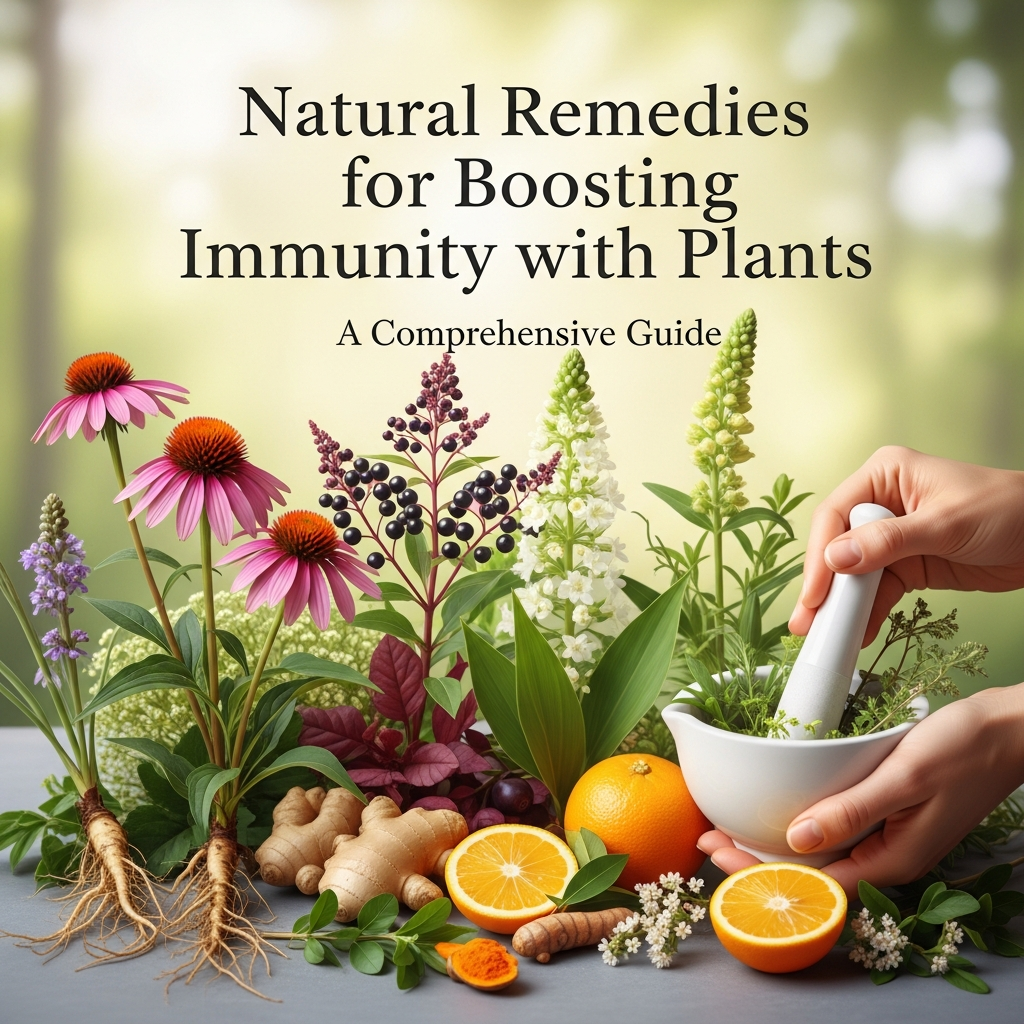
- Natural Remedies for Boosting Immunity with Plants: A Comprehensive Guide
- How Nature Walks Can Improve Physical Health: A Comprehensive Guide
- 7 Healing Herbs for Boosting Energy Naturally: A Comprehensive Guide
- Benefits of Outdoor Activities for Mental Health: A Comprehensive Guide
- Best Superfoods Revealed: Truth Behind Nutrient Powerhouses
- Check our Blog and Category page (Nature’s & Healing)












[…] 8 Rapid Hair Growth Herbals You Should Try […]
[…] 8 Rapid Hair Growth Herbals You Should Try […]