







































































































































































15 Ways to Improve Prostate Health Naturally: What Really Helps?
Author: RVLNSV PRASAD
Updated On: October 2026
About Us
Author Bio
Editorial Policy
Contact Us
Medical Review: This article has not been independently reviewed by a qualified healthcare professional.

Introduction
Prostate health becomes more important as you get older, particularly if you notice changes in urination, sleep, or comfort. You might find yourself visiting the bathroom more often, waking up several times at night, or waiting longer for your urine stream to start. These changes can be frustrating, but they do not automatically mean you have a serious prostate condition.
The good news is that practical daily habits can support general health and may help manage certain urinary symptoms. Adjusting when you drink fluids, staying physically active, reviewing bladder-irritating drinks, and discussing persistent symptoms with a healthcare professional are reasonable starting points.
However, there is an important distinction between supporting prostate health and preventing prostate disease. No food, exercise, herbal remedy, or home treatment has been proven to prevent every prostate problem. The best approach combines sensible lifestyle habits with appropriate medical assessment.
This guide explains how to improve prostate health naturally without relying on exaggerated claims. It also explores what current medical guidance says about tomatoes, supplements, pelvic floor exercises, and prostate screening.
Quick Answer: How Can You Support Prostate Health Naturally?
You can support prostate and urinary health by maintaining a balanced diet, exercising regularly, managing your weight, staying hydrated, limiting caffeine or alcohol if they worsen urinary symptoms, and avoiding large amounts of fluid immediately before bed.
If you experience urinary changes, keep track of your symptoms and discuss them with a healthcare professional. Lifestyle changes may help symptoms associated with an enlarged prostate, but they cannot reliably treat bacterial prostatitis or rule out prostate cancer.
For practical guidance, the NIDDK’s recommendations for an enlarged prostate are a useful starting point.
Key Takeaways
- Prostatitis, benign prostatic hyperplasia (BPH), and prostate cancer are different conditions that require different approaches.
- Physical activity and selected fluid-timing changes may help with some urinary symptoms.
- A balanced diet supports overall health, but no particular food is proven to prevent prostate disease.
- Tomatoes contain lycopene, but evidence that lycopene prevents prostate cancer remains uncertain.
- Saw palmetto has not shown meaningful benefits for BPH symptoms when used alone in the available evidence.
- Persistent urinary symptoms deserve medical assessment rather than indefinite home treatment.
- Inability to urinate, blood in the urine, or urinary symptoms accompanied by fever and chills require prompt medical attention.
Why Prostate Health Matters
The prostate is a small gland located below the bladder and around part of the urethra, the tube that carries urine out of the body. It produces fluid that contributes to semen.
Because the urethra passes through the prostate, changes in the gland can affect urination. Some people develop difficulty starting urination, a weak stream, urgency, or frequent nighttime bathroom visits.
Three common prostate conditions are important to distinguish.
| Condition | What it means | Possible symptoms |
|---|---|---|
| Benign prostatic hyperplasia (BPH) | Noncancerous enlargement of the prostate | Weak stream, frequent urination, nighttime urination, difficulty emptying the bladder |
| Prostatitis | Inflammation of the prostate; some types are caused by bacteria. | Pelvic discomfort, painful urination, urinary urgency, sometimes fever or chills |
| Prostate cancer | Abnormal growth of cells in the prostate | May cause no early symptoms; advanced disease can cause urinary or other symptoms |
The NIDDK’s overview of prostate problems explains why symptoms and treatment vary by condition.
Why this distinction matters: Frequent urination does not prove that your prostate is enlarged. Bladder conditions, infections, medication effects, and other health problems can cause similar symptoms. A clinician can help identify the underlying reason.
15 Ways to Improve Prostate Health Naturally
These practical strategies focus on general health and symptom management. They are not guaranteed ways to prevent prostate enlargement or cancer.
1. Make Regular Physical Activity Part of Your Routine
Regular movement supports cardiovascular fitness, metabolic health, mobility, and weight management. It may also help reduce the risk of developing troublesome BPH symptoms, although exercise cannot guarantee protection.
You do not need to begin with a demanding workout. Choose activities that fit your current fitness level.
Try:
- Walking for 20–30 minutes on most days, building up gradually.
- Taking short movement breaks if you sit for long periods.
- Cycling, swimming, or other activities you enjoy, if comfortable.
- Adding light resistance exercises two days a week when appropriate.
If cycling aggravates pelvic or perineal pain, adjust the activity or seek medical advice. People with persistent pelvic discomfort may need a more individualized exercise plan.
The NIDDK’s guidance on enlarged prostate identifies physical activity as a potentially helpful lifestyle measure. It does not claim that exercise cures BPH.
2. Eat a Balanced, Varied Diet
A prostate-friendly diet is best understood as a balanced eating pattern rather than a collection of special foods.
Include vegetables, fruit, whole grains, beans, lentils, nuts, seeds, and suitable protein sources. Fish, eggs, dairy products, soy foods, and lean meats can fit into a balanced diet according to your preferences and nutritional needs.
For an Indian household, practical choices include:
- Dal, chickpeas, rajma, and other pulses.
- Seasonal vegetables and leafy greens.
- Whole-wheat roti, oats, or other whole grains.
- Fruit such as guava, oranges, apples, and papaya.
- Nuts and seeds in sensible portions.
You do not need expensive imported foods or a special supplement plan to eat well.
It is equally important not to overstate the evidence. The NIDDK explains that diet has not been established as a cause or prevention method for prostate problems. A balanced diet remains valuable for general health, but it should not be marketed as a prostate disease cure.
3. Adjust Fluid Timing if You Urinate Frequently at Night
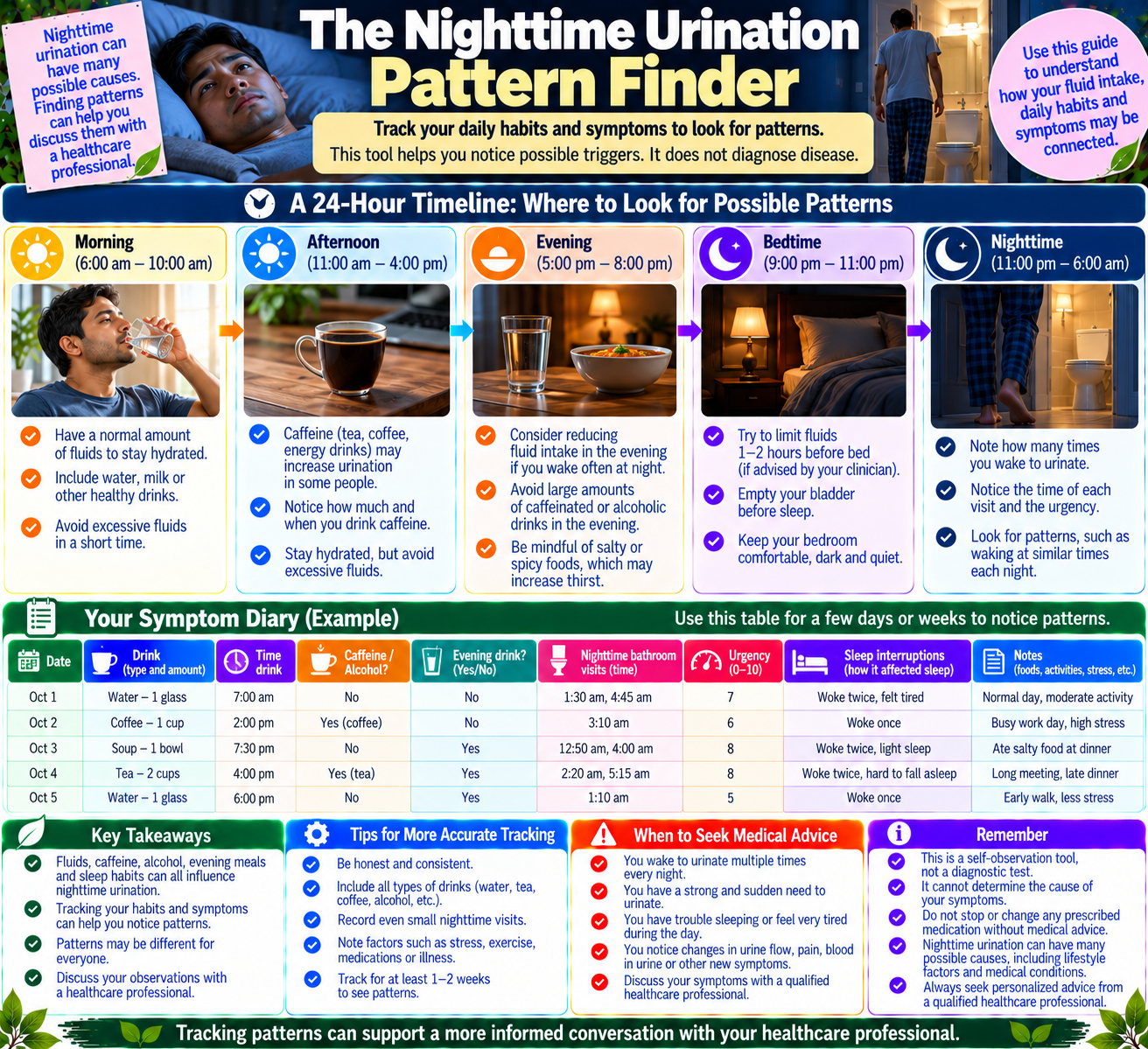
Drinking enough fluid matters for normal body function. However, the timing and amount of fluid can affect how often you need to use the bathroom.
If nighttime urination interrupts your sleep, try drinking regularly earlier in the day and reducing large drinks during the last few hours before bed. You may also benefit from limiting fluids immediately before a long journey or an activity where bathroom access is difficult.
Do not deliberately dehydrate yourself. Excessive fluid restriction can be harmful, particularly in hot weather or when you exercise.
People with kidney disease, heart failure, or medical instructions about fluid intake should follow their clinician’s advice rather than adopting a general fluid rule.
The NIDDK’s BPH guidance recommends adjusting fluid intake around bedtime and situations where bathroom access is inconvenient. This is a symptom-management strategy, not a method of shrinking the prostate.
4. Notice Whether Caffeine Makes Your Symptoms Worse
Coffee, strong tea, cola, energy drinks, and some other products contain caffeine. In some people, caffeine can worsen urinary urgency or frequency.
Rather than assuming that everyone must avoid caffeine, observe your own pattern.
For one week, record:
- How much tea or coffee you drink.
- What time you drink it.
- How often you urinate afterward.
- Whether urgency or nighttime bathroom visits change.
If symptoms appear worse after caffeine, try gradually reducing your intake or switching one drink to a caffeine-free alternative. Avoid replacing coffee with sugary beverages simply to eliminate caffeine.
The NIDDK recommends limiting or avoiding caffeine when managing BPH-related urinary symptoms. If symptoms continue despite the change, do not assume caffeine is the only cause.
5. Reduce Alcohol if It Triggers Urinary Symptoms
Alcohol may increase urine production and can make nighttime bathroom visits more troublesome for some people. It can also interfere with sleep.
If you notice a connection, try reducing your intake and avoiding alcohol close to bedtime. If you do not drink alcohol, there is no reason to start for prostate health.
Alcohol reduction is not a treatment for an enlarged prostate or prostate cancer. Persistent urinary symptoms still need assessment.
The practical principle is simple: identify habits that worsen your symptoms without treating one lifestyle change as a complete medical solution.
6. Work Toward a Weight That Supports Your Health
If you carry excess weight, gradual weight management may benefit blood pressure, blood sugar control, joint health, and cardiovascular fitness. These benefits can make a healthier daily routine easier to maintain.
Start with realistic changes:
- Build meals around vegetables, protein sources, and whole grains.
- Reduce frequent sugary drinks if you consume them.
- Walk regularly and increase activity gradually.
- Aim for consistent sleep.
- Avoid crash diets and extreme restrictions.
The relationship between body weight and individual prostate conditions is complex. Weight loss should not be presented as a guaranteed way to prevent BPH or prostate cancer.
Choose a sustainable plan that supports your overall health rather than a restrictive diet promising rapid prostate improvement.
7. Include Tomatoes as Food, Not as a Cure
Tomatoes contain lycopene, a carotenoid with antioxidant properties. They are an affordable and nutritious part of many diets.
You can include fresh tomatoes in salads, cooked vegetable dishes, soups, and sauces. Tomato products prepared with a little oil can provide a convenient way to include them in meals.
However, the evidence does not establish that eating tomatoes or taking lycopene supplements prevents prostate cancer. Research findings have been mixed.
The National Cancer Institute’s review of prostate cancer prevention explains that lycopene has not been proven to reduce prostate cancer risk. Its information on prostate supplements also discusses the limitations of the evidence.
Enjoy tomatoes because they are nutritious, not because they guarantee protection.
8. Eat Fiber-Rich Foods Regularly
Whole grains, pulses, vegetables, fruit, nuts, and seeds supply dietary fiber. Fiber helps support normal bowel function and can make a balanced eating pattern more satisfying.
Avoiding constipation may also be helpful for general pelvic comfort, although fiber is not a proven treatment for prostate enlargement.
Useful options include:
- Oats or whole-grain breakfast foods.
- Lentils, beans, and chickpeas.
- Vegetables with lunch and dinner.
- Whole fruit instead of relying only on juice.
- Adequate fluid intake, unless your clinician has prescribed a limit.
Increase fiber gradually if your current intake is low. A sudden large increase can cause bloating or gas.
9. Avoid Long Periods of Inactivity
A person can exercise regularly and still spend much of the remaining day sitting. Breaking up prolonged sitting is a simple way to increase daily movement.
Stand up periodically, walk around the room, take the stairs when appropriate, or complete a short household task. If your work involves sitting for long periods, set a reminder to move.
These breaks are not a specific prostate treatment. Their value is that they help build a more active lifestyle without requiring a gym membership or a complicated routine.
If sitting triggers pelvic pain, ask a clinician whether posture changes, physical therapy, or other adjustments may be appropriate.
10. Try Double Voiding if a Clinician Recommends It
Some people with urinary symptoms feel that their bladder has not emptied completely. One technique sometimes recommended for BPH-related symptoms is double voiding.
After urinating, wait briefly, relax, and try again without straining. This may help some people empty their bladder more completely.
Do not force the process or repeatedly strain to produce more urine. Double voiding is not appropriate for every cause of urinary symptoms, and it does not remove an obstruction.
If you regularly feel unable to empty your bladder, arrange a medical assessment. The NIDDK’s information on enlarged prostate describes bladder-emptying difficulties and the need to assess urinary symptoms.
11. Avoid Holding Urine for Long Periods
When you need to urinate, try to use the bathroom rather than repeatedly postponing it for long periods.
A predictable bathroom routine may be useful if urgency or frequent urination affects your day. However, do not force yourself to urinate excessively often in an attempt to prevent prostate disease.
If you experience sudden urgency, leakage, pain, or a persistent feeling of incomplete emptying, discuss it with a healthcare professional.
This habit is about managing comfort and bladder routines. It should not be described as a way to prevent prostate enlargement or cancer.
12. Review Medicines That May Affect Urination
Some medicines can worsen difficulty urinating in people with BPH. Examples may include certain decongestants, antihistamines, and other medicines that affect bladder function.
If urinary symptoms begin or worsen after starting a medicine, tell your doctor or pharmacist. Provide a complete list of prescription medicines, over-the-counter products, and supplements you take.
Do not stop a prescribed medicine on your own. A healthcare professional can determine whether an adjustment or alternative is safe.
The NIDDK’s enlarged prostate resource specifically advises discussing medicines that may aggravate symptoms.
This is an often-overlooked step because people may assume every change in urination comes directly from the prostate.
13. Use Pelvic Floor Exercises Only When Appropriate
Pelvic floor muscles help support bladder and bowel control. Exercises that strengthen these muscles may be useful for some people with urinary leakage, including certain patients after prostate surgery.
They are not a universal treatment for an enlarged prostate, and they do not prevent prostate cancer.
To identify the relevant muscles, imagine briefly trying to stop passing gas. That can help you recognize the pelvic floor, but you should not routinely practice by stopping your urine stream.
A useful starting point is to ask a clinician or pelvic health physiotherapist whether strengthening exercises suit your symptoms. Some people with pelvic pain have overly tense muscles and may need relaxation-focused treatment rather than repeated contractions.
The right approach depends on the problem being treated. Avoid assuming that more repetitions always produce better results.
14. Build a Relaxing Evening Routine
Stress can affect sleep, concentration, and how manageable chronic symptoms feel. A calming evening routine may improve comfort and make it easier to notice patterns that affect your sleep.
Try a warm shower, gentle stretching, relaxed breathing, quiet reading, or a consistent bedtime. If you wake frequently to urinate, record the pattern and discuss it if it continues.
Relaxation is not a cure for bacterial prostatitis, BPH, or cancer. It is a supportive habit that may help general well-being.
If pelvic discomfort or urinary symptoms cause ongoing distress, professional care may offer more useful support than trying to manage everything alone.
15. Discuss Prostate Screening and Persistent Symptoms With a Clinician
The most important prostate-health habit is not a food or supplement. It is knowing when to seek assessment and making informed decisions about screening.
A prostate-specific antigen (PSA) test measures a protein in the blood. PSA can be elevated for reasons other than cancer, and a normal result does not rule out every case of prostate cancer. Screening can lead to follow-up tests and possible harms, so the decision should be individualized.
The American Cancer Society’s prostate cancer early-detection guidance recommends discussing the potential benefits, limitations, and uncertainties of screening with a healthcare provider. Its suggested ages for that discussion vary with risk.
People with a close relative who had prostate cancer at a young age, or those with other significant risk factors, may need an earlier conversation. Ask a local clinician how your age, family history, health, and preferences affect the decision.
Do not wait for a screening appointment if you already have concerning symptoms. Symptoms need diagnostic assessment, which is different from screening someone who feels well.
Which Habits Help Urinary Symptoms, and Which Claims Are Unproven?
The following table separates practical symptom-management options from claims that require stronger evidence.
| Habit or approach | What it may help with | What it does not prove |
|---|---|---|
| Adjusting fluid timing | Nighttime or inconvenient urination | Does not shrink the prostate |
| Limiting caffeine when it triggers symptoms | Urgency or frequency in some people | Does not treat every cause of urinary symptoms |
| Reducing alcohol if symptoms worsen | Some urinary and sleep problems | Does not cure BPH |
| Regular physical activity | General health; may help reduce BPH symptom risk | Does not guarantee prevention |
| Balanced diet with vegetables and whole grains | General nutritional and metabolic health | Does not guarantee protection against prostate cancer |
| Tomatoes and other lycopene-containing foods | Provide nutrients as part of a balanced diet. | Not proven to prevent prostate cancer |
| Pelvic floor exercises when appropriate | Selected leakage or pelvic floor problems | Not a universal BPH treatment |
| Medical assessment | Identifies the cause and guides treatment | Cannot be replaced by home remedies |
For more detail on lifestyle changes for BPH, consult the NIDDK’s clinical information for patients.
Do Natural Remedies and Supplements Improve Prostate Health?
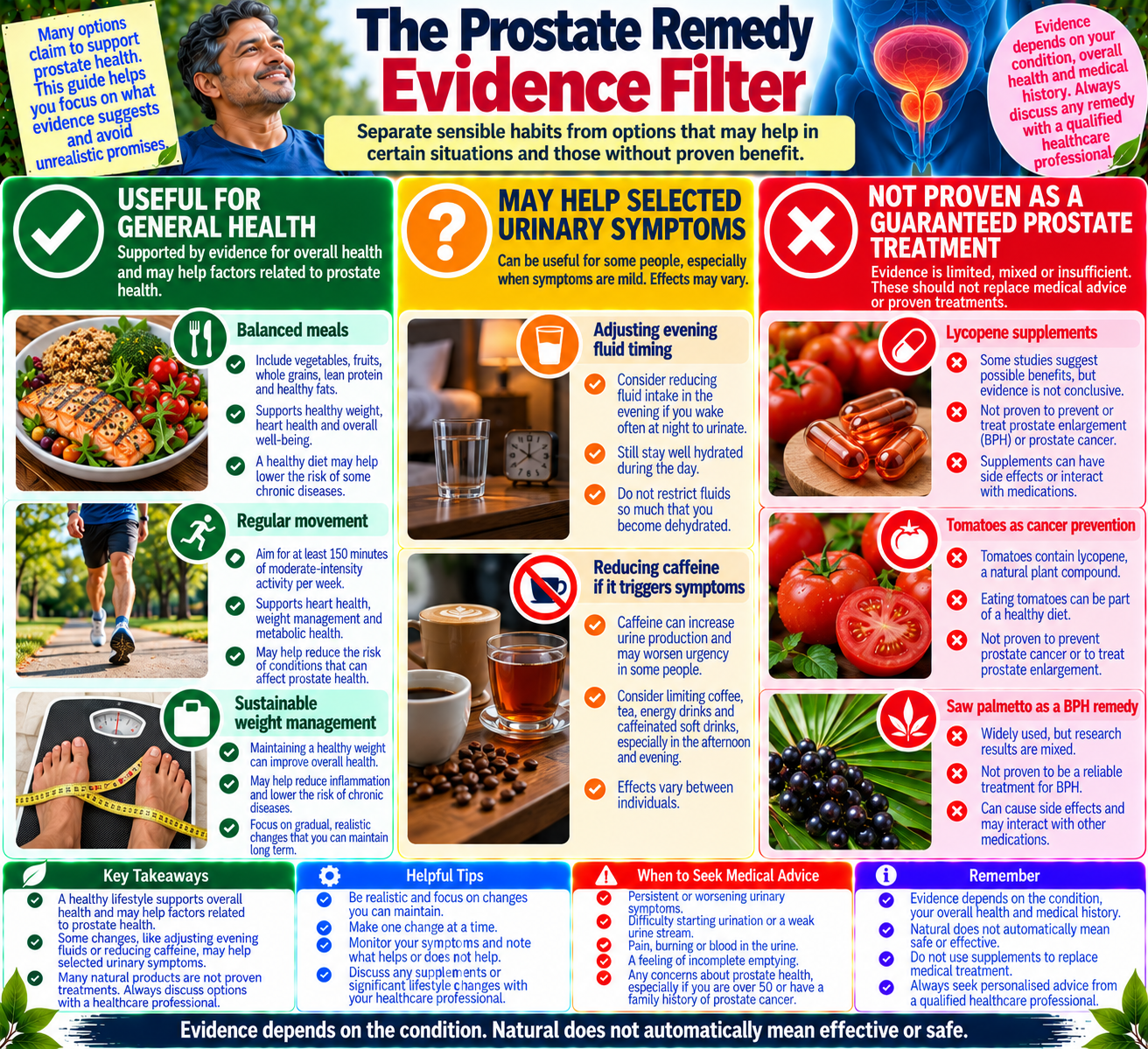
Natural products are often promoted for urinary symptoms, but their effectiveness and safety vary. A supplement label does not establish that a product works, and some products may interact with medicines or vary in quality.
Saw Palmetto: What Does the Evidence Say?
Saw palmetto is widely marketed for urinary symptoms associated with an enlarged prostate. However, the evidence is less encouraging than many advertisements suggest.
The National Center for Complementary and Integrative Health (NCCIH) reports that saw palmetto alone is probably not helpful for BPH symptoms. A review of 27 studies published in 2023 found little or no benefit when the herb was used by itself.
That makes saw palmetto a poor choice for anyone expecting a dependable replacement for medical treatment. Evidence about combinations of herbs is less certain, and different products may not be equivalent.
Are Herbal Teas Useful?
Unsweetened herbal tea can be part of a normal diet if the ingredients are safe for you. But drinking herbal tea has not been established as a treatment for prostate enlargement or cancer.
Check the ingredients carefully, especially if you take prescription medicines or have kidney or liver disease. Some herbs may affect medicines or cause unwanted effects.
Should You Take Lycopene or Other Prostate Supplements?
Do not assume that taking a concentrated nutrient supplement is better than eating the food itself. The National Cancer Institute’s review of prostate supplements discusses the limited and mixed evidence for supplements such as lycopene.
Before starting a supplement, ask a qualified healthcare professional:
- Is there good evidence for my specific condition?
- Could it interact with my medicines?
- Is the product quality independently verified?
- Could it delay a necessary test or treatment?
Supplements should never replace assessment of persistent symptoms.
Common Mistakes to Avoid
Treating Every Urinary Symptom as an Enlarged Prostate
Urinary frequency, urgency, or a weak stream can have several causes. A correct diagnosis matters because treatment for bacterial prostatitis differs from treatment for BPH.
Assuming Tomatoes Prevent Prostate Cancer
Tomatoes are nutritious, but current evidence does not prove that lycopene prevents prostate cancer. Include tomatoes as part of a balanced diet without making cancer-prevention promises.
Drinking Too Little Water
Reducing large drinks before bed may help some people, but dehydration is not a safe prostate-health strategy. Adjust timing rather than severely restricting fluids.
Taking Supplements Instead of Seeking Care
An herbal product may be ineffective, interact with medicines, or delay diagnosis. Seek medical advice when symptoms persist or worsen.
Assuming That No Symptoms Means No Risk
Early prostate cancer may not cause noticeable symptoms. Whether to have a PSA screening discussion depends on individual risk, age, health, and preferences. Do not rely on symptoms alone to make that decision.
Believing That Lifestyle Changes Work Overnight
Daily habits can support general health, but improvements in urinary symptoms vary. If a change does not help or symptoms are getting worse, seek assessment instead of continually adding new remedies.
A Simple Seven-Day Prostate-Friendly Habit Plan
This plan focuses on realistic habits, not a promise to prevent disease. Adapt it to your medical needs and usual routine.
| Day | Practical action |
|---|---|
| Day 1 | Record how often you urinate and whether you wake at night. |
| Day 2 | Take a comfortable walk and break up long periods of sitting. |
| Day 3 | Add vegetables, pulses, or whole grains to your meals. |
| Day 4 | Notice whether caffeine affects urgency or frequency |
| Day 5 | Review evening fluid timing without restricting fluids excessively. |
| Day 6 | Check your medicines and supplements for possible urinary effects with a pharmacist or clinician. |
| Day 7 | Review your notes and arrange medical advice if symptoms persist or concern you. |
A symptom diary can make a healthcare appointment more productive. Note when symptoms began, how often they occur, whether urination is painful, and whether you have a fever, blood in the urine, or difficulty emptying your bladder.
When Should You Seek Medical Help?
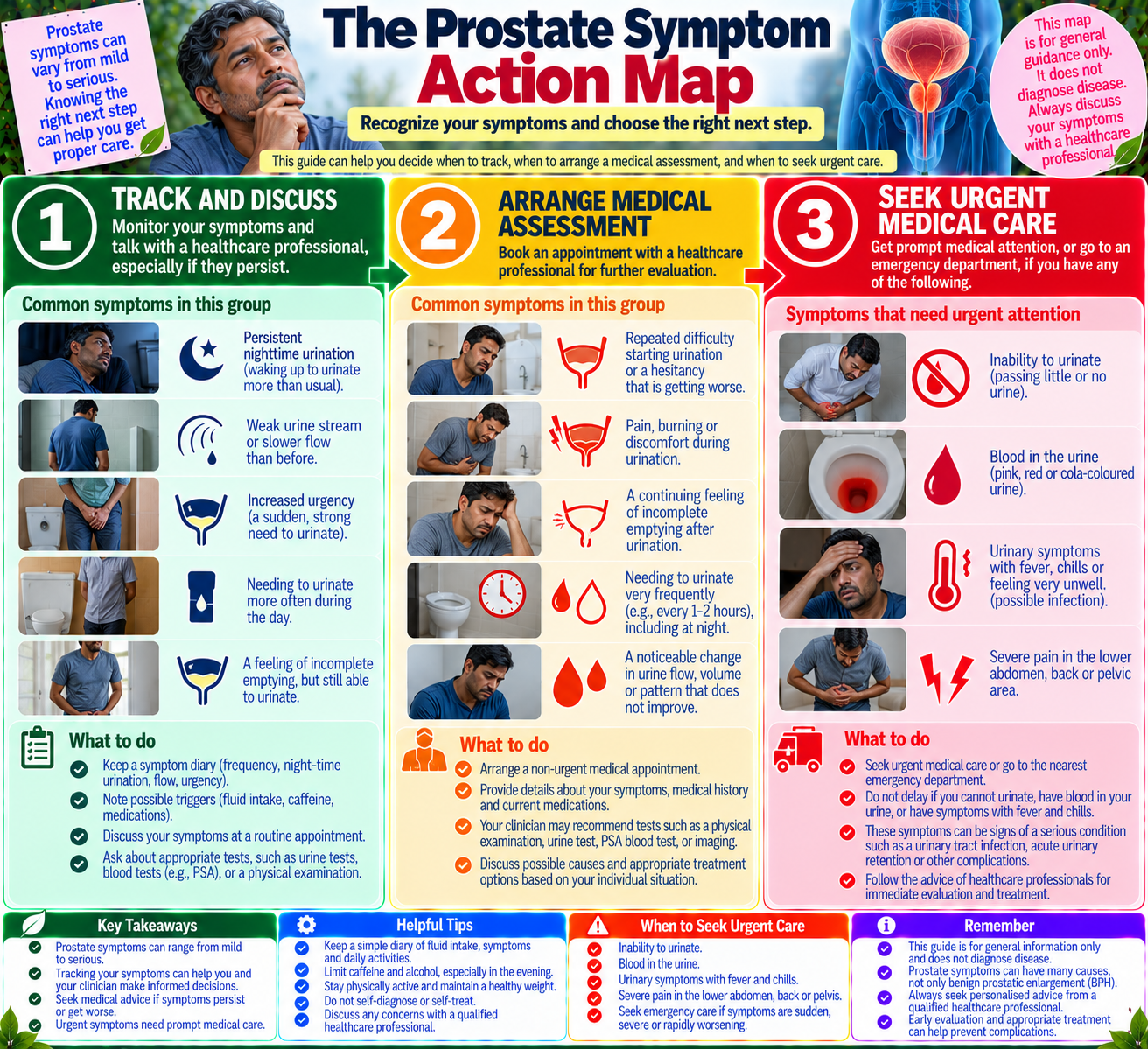
Do not attempt to manage potentially serious symptoms with diet or home remedies alone.
Seek urgent medical care if you:
- Cannot urinate at all.
- Have urinary symptoms accompanied by fever and chills.
- Notice blood in your urine.
- Experience severe pain or marked discomfort in the lower abdomen or urinary tract.
These warning signs are described in the NIDDK’s information on prostatitis and its guidance on enlarged prostate.
Arrange a medical appointment for a persistent weak urine stream, repeated nighttime urination, difficulty starting, painful urination, pelvic discomfort, or a continuing feeling that your bladder has not emptied.
A clinician may review your medical history, medicines, symptoms, urine tests, and other investigations as appropriate. Treatment depends on the cause rather than the symptom alone.
Personal Insight: Make the Advice Relevant to Real Life
A useful prostate-health article should help readers choose a manageable next step, not make them feel they must change everything at once.
For example, someone who wakes several times at night might start by recording evening drinks and nighttime bathroom visits. Another person might focus on regular walking or ask a pharmacist whether a recently started medicine could be affecting urination.
These are practical examples, not proof that a particular habit will treat prostate disease.
If you have genuine personal experience, add it here: Describe the symptom or habit you personally noticed, what you actually changed, how long you tried it, and what happened. Make clear that one person’s experience cannot establish a medical treatment’s effectiveness.
Avoid inventing a recovery story or claiming that a remedy cured a condition without reliable evidence. Honest, specific experience is more useful to readers than an unsupported success claim.
Frequently Asked Questions
1. What is the best natural way to improve prostate health?
There is no single best natural remedy. Regular physical activity, a balanced diet, sensible fluid timing, and reducing drinks that worsen urinary symptoms may support general health or help manage some symptoms. Persistent problems need medical assessment.
2. Can drinking more water improve prostate health?
Adequate fluid intake supports normal body function, but drinking extra water does not shrink the prostate. If you wake frequently at night, adjusting when you drink may help. Do not severely restrict fluids or ignore persistent symptoms.
3. Are tomatoes good for the prostate?
Tomatoes contain lycopene and can be part of a balanced diet. However, research has not established that tomatoes or lycopene supplements prevent prostate cancer. See the National Cancer Institute’s evidence review.
4. Does walking help an enlarged prostate?
Walking supports general health and helps build an active lifestyle. Physical activity may be helpful in reducing the risk of troublesome BPH symptoms, but walking is not a cure for an enlarged prostate. Seek care for persistent urinary problems.
5. Is saw palmetto safe and effective?
Saw palmetto is promoted for BPH symptoms, but the NCCIH reports that it is probably not helpful when used alone. Supplements can also have safety considerations. Discuss products with a healthcare professional before using them.
6. Can pelvic floor exercises prevent prostate problems?
Pelvic floor exercises can help selected problems, including some forms of urinary leakage. They have not been shown to prevent prostate cancer or universally treat BPH. A clinician or pelvic health physiotherapist can help determine whether strengthening or relaxation is more suitable.
7. Does an enlarged prostate mean prostate cancer?
No. BPH is a noncancerous enlargement of the prostate. However, urinary symptoms can have several causes, and symptoms alone cannot reliably rule out cancer. A clinician can recommend appropriate assessment.
8. At what age should someone discuss prostate cancer screening?
The appropriate time depends on individual risk and the guidance used in your country. The American Cancer Society recommends discussing potential benefits, risks, and uncertainties at different ages according to risk level. Read its prostate cancer early-detection recommendations and discuss your personal circumstances with a clinician.
9. Can prostate problems be prevented completely?
There is no proven lifestyle plan that prevents all prostate problems. Healthy habits support general well-being, and timely medical assessment can help identify and manage symptoms. Do not rely on a special diet or supplement as guaranteed protection.
10. When should I worry about frequent urination?
Seek assessment if frequent urination persists, repeatedly interrupts sleep, or occurs with a weak stream, pain, or difficulty emptying your bladder. Inability to urinate, blood in the urine, or urinary symptoms with fever and chills require urgent medical attention.
Conclusion: Focus on Practical Habits and Early Assessment
Learning how to improve prostate health naturally starts with realistic expectations. Regular movement, a balanced diet, appropriate fluid timing, and attention to caffeine or alcohol triggers may help support general health and manage selected urinary symptoms.
However, no single food, exercise, tea, or supplement can guarantee a healthy prostate. Research on specific foods and supplements remains uncertain, and different prostate conditions need different treatments.
Pay attention to persistent changes in urination, discuss screening decisions with a qualified healthcare professional, and seek urgent care for warning signs. The most useful approach is to combine manageable daily habits with evidence-based medical guidance.
Author Note
Author: RVLNSV PRASAD
This article is intended to provide accessible, evidence-informed information about prostate health, lifestyle habits, and urinary symptoms.
The Medical recommendations should reflect each individual’s symptoms and health history, with guidance tailored through an appropriate professional assessment.
Medical review: This article has not been independently reviewed by a qualified healthcare professional.
Medical Disclaimer
This content is for general educational purposes only. It does not diagnose, treat, or prevent prostate disease and is not a substitute for professional medical advice. Do not delay medical care or stop prescribed treatment because of information in this article. Seek urgent care for inability to urinate, blood in the urine, or urinary symptoms with fever and chills.
Fitness Disclaimer
Choose physical activities appropriate to your health, mobility, and fitness level. Start gradually and stop if you experience significant pain, dizziness, chest discomfort, or unusual shortness of breath. If you have persistent pelvic pain, urinary problems, or a medical condition that affects exercise, consult a qualified healthcare professional before changing your routine.
Sources
- National Institute of Diabetes and Digestive and Kidney Diseases (NIDDK): Prostate Problems
- NIDDK: Enlarged Prostate (Benign Prostatic Hyperplasia)
- NIDDK: Prostatitis: Inflammation of the Prostate
- National Cancer Institute (NCI): Prostate Cancer Prevention
- NCI: Prostate Cancer, Nutrition, and Dietary Supplements
- National Center for Complementary and Integrative Health (NCCIH): Saw Palmetto: Usefulness and Safety
- NCCIH: Benign Prostatic Hyperplasia and Complementary and Integrative Approaches
- American Cancer Society: Recommendations for Prostate Cancer Early Detection
Some other stories from this blog
- 10 Best Natural Remedies for Erectile Dysfunction Best Proven Techniques
- Gut Health Revolution: How Nutrition Shapes Your Microbiome
- 10 Best Morning Health Propensities to Boost Your Vitality and Productivity
- 15 Home Remedies to Stop Hiccups Naturally
- Hyperthyroidism in older Symptoms Treatment
- 5 Eye Problems Natural Remedies
- Polycystic Kidney Disease Diagnosis Treatment











[…] 15 Ways to Improving Prostate Health Naturally: What Every Man Should Know […]