






















































































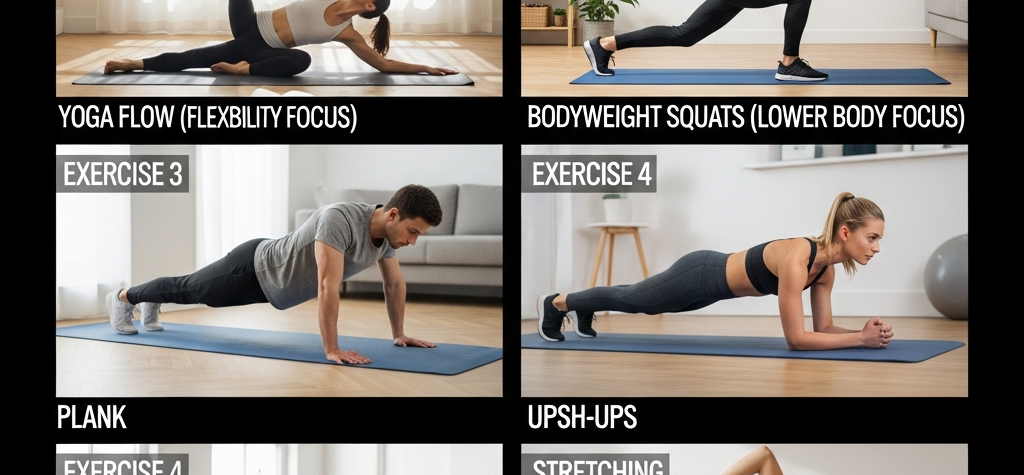
6 Easy Home Exercises for Fitness and Flexibility (No Equipment Needed)
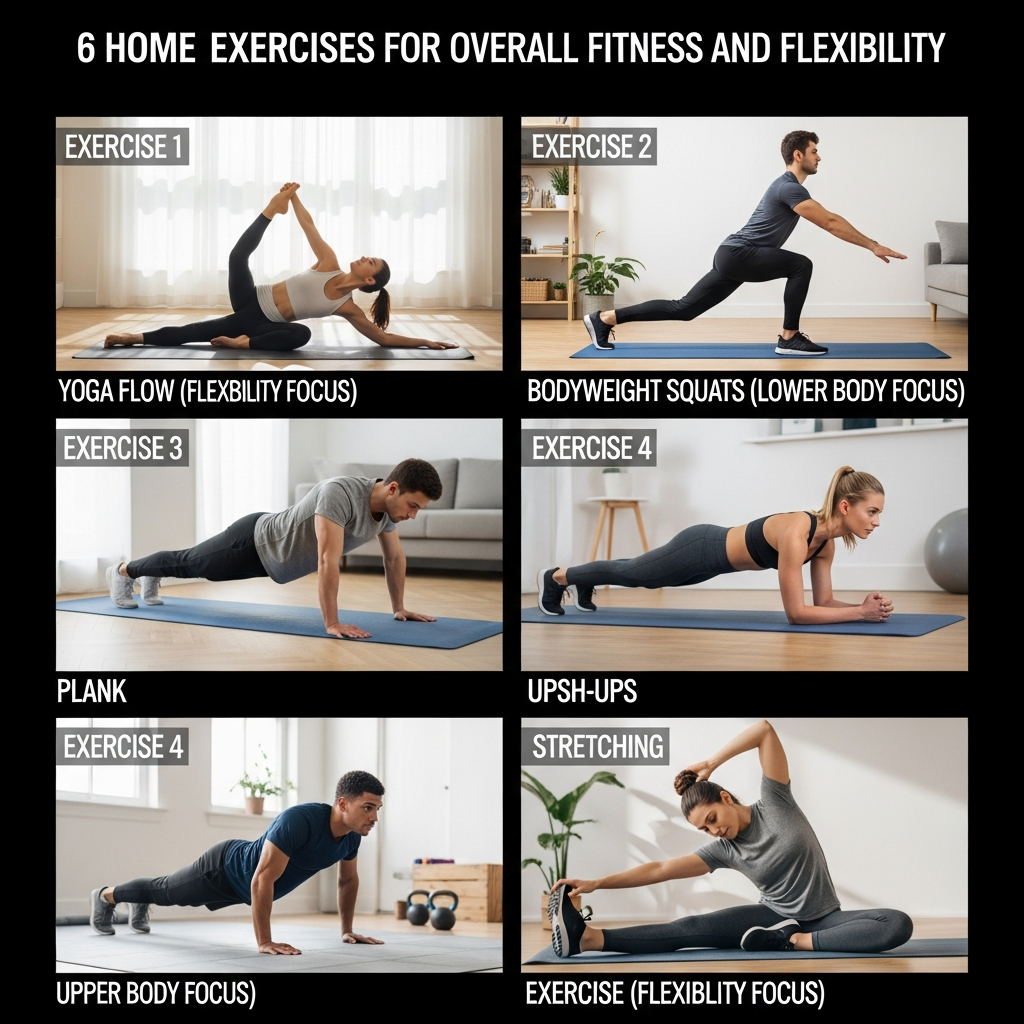
Author Note
Many people want to be more active but don’t know how to start. The encouraging news is you can begin going without a gym membership or expensive equipment. Regular simple motions can assist in enhancing fitness, flexibility, and general health. This guide is about practical home exercises for beginners.
Introduction
Getting fit does not have to be complicated. Many people think they need intense workouts to see results. That is not always true.
Even small changes can help.
A few years ago, I spent most of my day sitting. My body felt stiff. My energy levels were lower than I wanted. I decided to start with simple movements at home. Nothing extreme. Just a few minutes each day.
Over time, I noticed changes.
I moved more easily. I felt stronger. The daily activities got simpler. That experience taught me an important lesson.
Fitness is not always about doing more. Sometimes it is about doing simple things consistently.
These easy home exercises for fitness and flexibility are designed for beginners. You don’t need much space or specific equipment.
Key Takeaways
- Home workouts might help fitness and flexibility.
- Bodyweight exercises might be a useful start for beginners.
- What counts is not intensity, but consistency.
- Flexibility makes movement easier.
- Balance and Mobility Exercise
- Small daily habits can accumulate and add up over time.
- Most workouts can be adapted to your fitness level.
Benefits of Home Exercises for Fitness and Flexibility
Easy home workouts for health and flexibility are simple movements that keep your body active. Some exercises focus on strength.
Others are focused on movement and stretching. The best routines are a mix of both.
A well-rounded program can help keep you mobile, flexible, coordinated, and generally fit.
Many healthcare organizations promote physical activity because it is essential for long-term health. Here are six basic and beginner-friendly exercises to try.
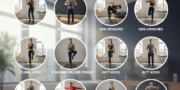
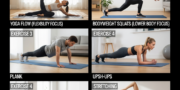
1. Squats (Bodyweight)
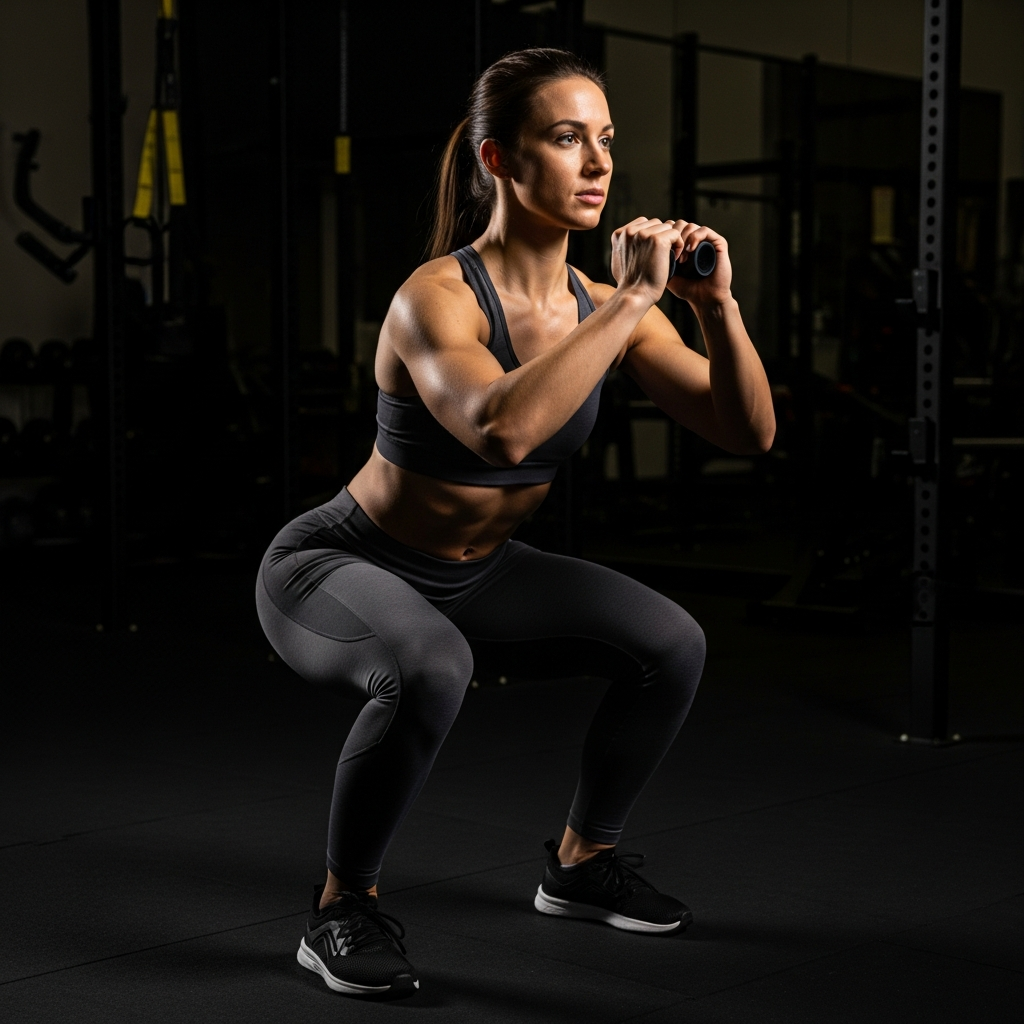
Squats are one of the most useful exercises that you can do at home. They work several muscle groups at the same time.
How to Do It
- Stand with your feet shoulder-width apart.
- Keep your chest up.
- Bend your knees and lower your body.
- Return to the starting position
- Repeat it slowly.
How it helps
Squats build lower body strength.
They work your legs, hips, and glutes.
Having strong muscles in the lower body helps you in everyday activities, such as going up and down stairs or getting up from a chair.
Tip for Beginners
Do 8 to 10 reps.
Emphasize good form before speed.
2. Wall Push-Ups
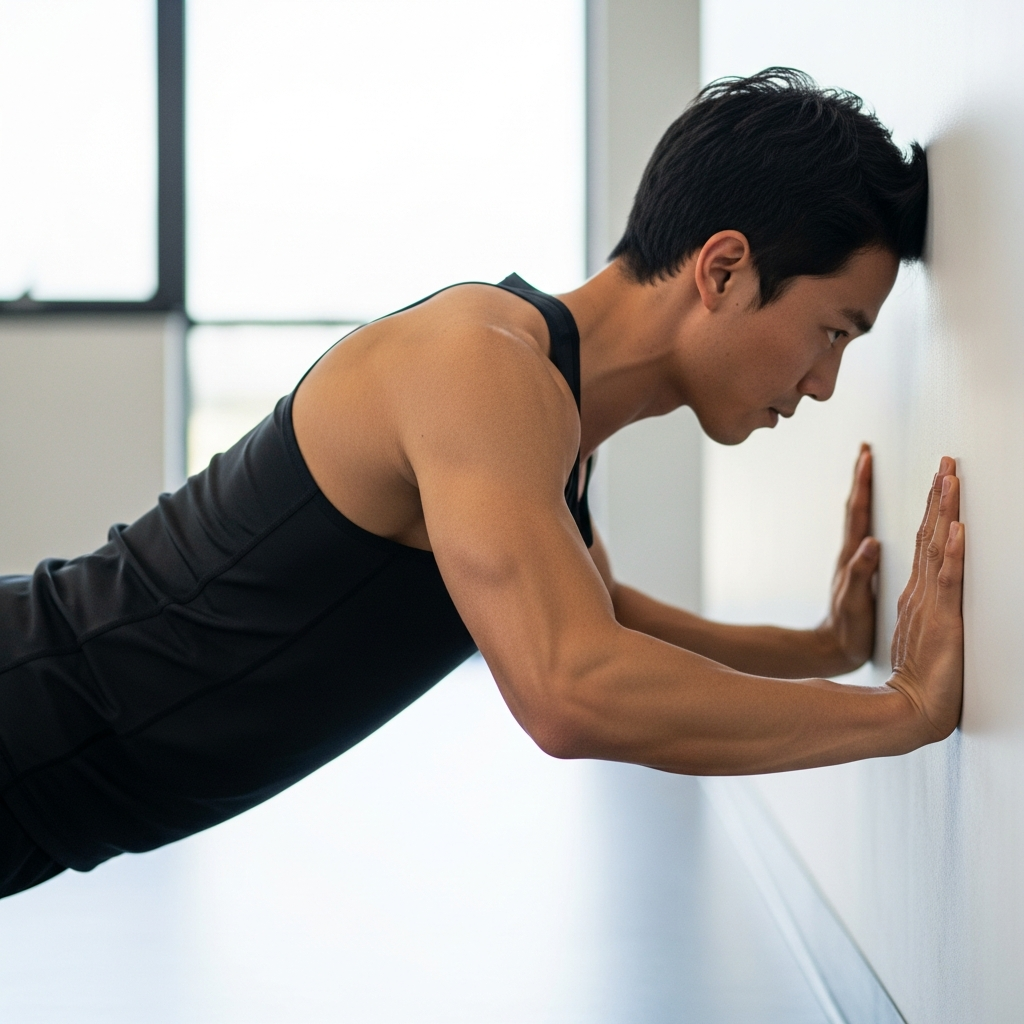
Wall push-ups are a variation of the regular push-up.
They place less stress on the body while still working important muscle groups.
How to Do It
- Stand facing a wall.
- Place your hands on the wall.
- Slowly bend your elbows.
- Slowly move your body toward the wall.
- Push yourself back into the starting position.
How It Works
Wall push-ups build strength in the chest, shoulders, and arms.
They also increase endurance in the upper body.
Beginner’s Tip
Move slowly, and maintain control of the movement.
3. Side Stretch (Standing)
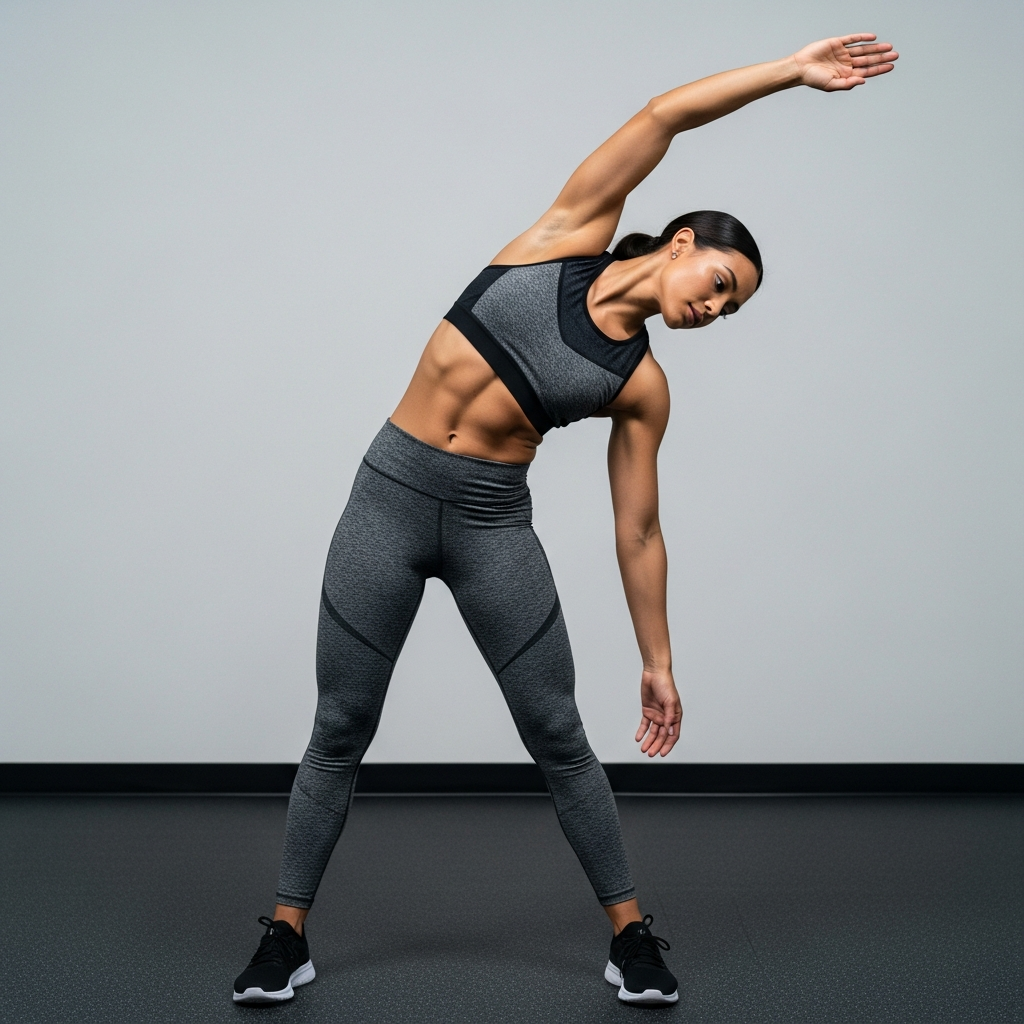
This simple stretch can help improve flexibility and mobility.
It is especially helpful for people who spend long periods sitting.
How to Do It
- Stand tall.
- Raise one arm overhead.
- Gently lean to the opposite side.
- Hold for 15 to 20 seconds.
- Repeat on the other side.
How It Works
Side stretches are a fantastic way to loosen up the muscles along your sides.
They could help with your flexibility and posture.
Beginner’s Tip
Gently stretch.
Do not force the movement.
4. Glute Bridges
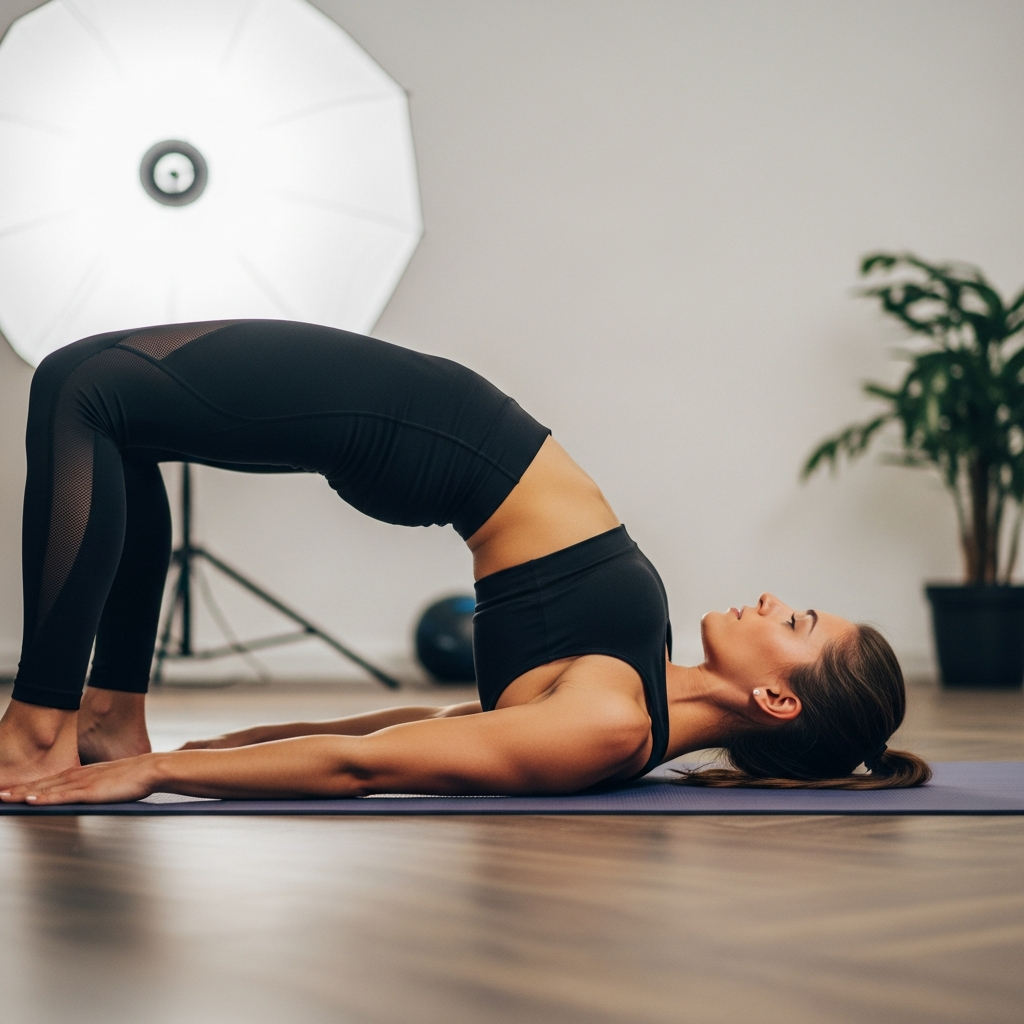
Glute bridges are simple but powerful.
They build muscles that support your hips and lower back.
How to Do It
- Lie on your back.
- Bend your knees.
- Keep your feet flat on the floor.
- Lift your hips slowly.
- Pause briefly.
- Lower your hips.
Why It Helps
This exercise helps strengthen the glutes and core.
It can also help with stability and posture.
Advice for beginners
Start with 10 reps.
Focus on movement control.
5. Bird-Dog Exercise
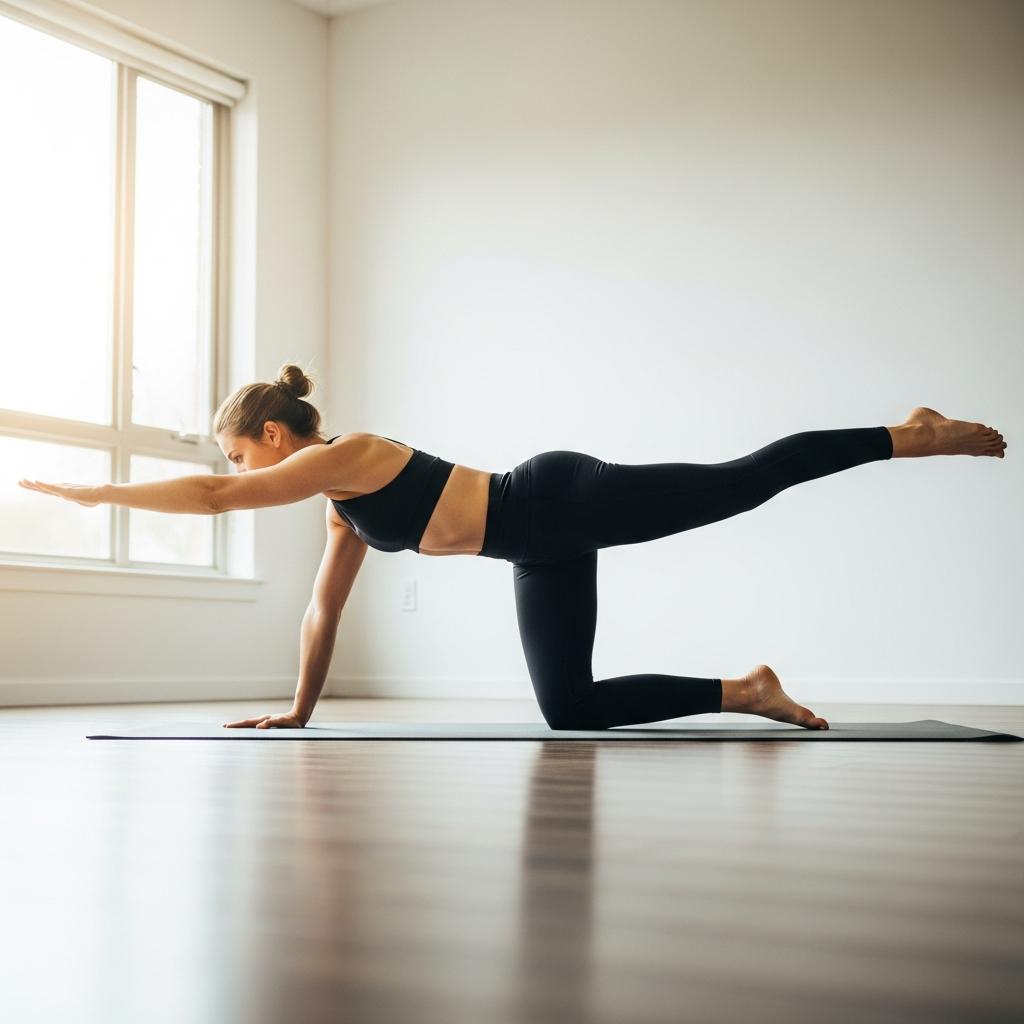
The bird-dog exercise is a good way to build your balance and coordination.
It is commonly recommended in beginner fitness routines.
How to Do It
- Begin on your hands and knees.
- Extend one arm forward.
- Extend the opposite leg backward.
- Hold briefly.
- Return to the starting position.
- Switch sides.
Why It Helps
Bird dogs work the core, back, and stabilizing muscles.
They help support balance and body awareness.
Beginner Tip
Move slowly.
Quality matters more than speed.
6. Hamstring Stretch (Seated)
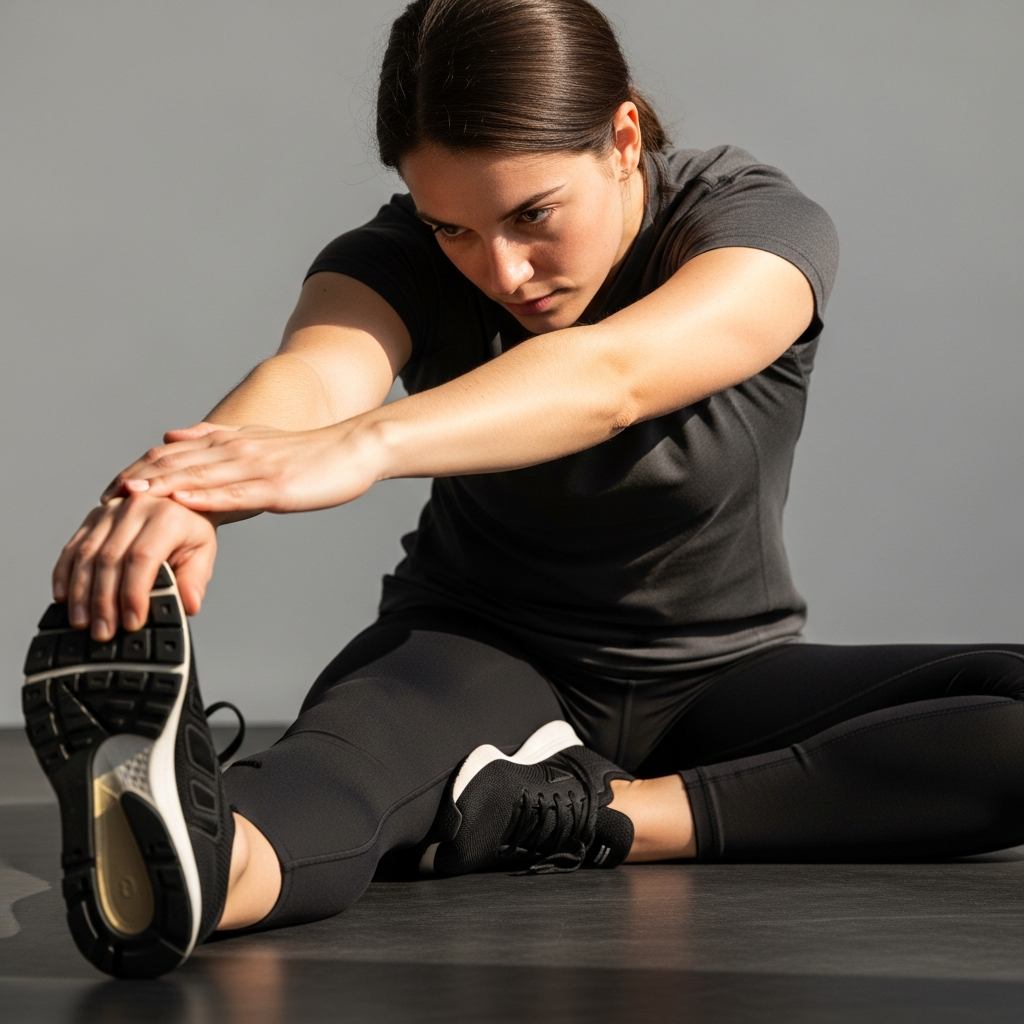
Tight hamstrings are common among individuals who sit a lot.
This stretch is particularly effective for increasing flexibility in the back of the legs.
How to Do It
- Sit on the floor.
- Extend one leg.
- Reach gently toward your foot.
- Hold for 15 to 30 seconds.
- Change sides.
How It Helps
This stretch can help improve flexibility and comfortable movement.
Flexible muscles can help make daily activities easier.
Beginner Tip
Do not bounce during the stretch.
Move only until you feel a gentle stretch.
Research-Backed Benefits of Simple Home Exercises for Fitness and Flexibility
Research continues to indicate several benefits of being physically active on a regular basis.
Potential benefits include the following:
- Greater mobility
- More flexibility
- More muscle strength
- Better balance
- Better posture.
- Better daily functioning
- Support for healthy aging
- Greater confidence in movement
- Higher levels of physical activity
- Improved overall fitness
Several studies show that doing moderate exercise consistently will help you stay healthy over time.
From a physical health perspective, research from top health agencies continues to stress the importance of consistency in movement.
The trick is to be consistent, start slowly, and build habits you can keep up.
Beginner Workout Plan
| Exercise | Main Benefit | Difficulty | Recommended Reps |
|---|---|---|---|
| Squats | Lower-body strength | Easy | 8–10 |
| Wall Push-Ups | Upper-body strength | Easy | 8–10 |
| Glute Bridges | Core & hips | Easy | 10 |
| Bird dog | Balance | Easy | 5–10 per side |
Common Mistakes Beginners Make
Many people begin with a positive mindset.
However, some common mistakes can slow progress.
Common Mistakes
- Wanting fast results
- No warm-up
- Having bad form while exercising
- Measuring yourself against others
- Doing too much too early
- Not giving adequate time to heal
- Missing a couple days and quitting
How to Prevent Them
Be consistent.
Start small.
Celebrate progress.
Remember that fitness is a long-term habit.
What do the studies tell us?
Research supports regular physical activity.
According to the National Institutes of Health (NIH), frequent activity can help improve physical function, mobility, and general health.
Researchers published in studies included by the National Center for Biotechnology Information (NCBI) said strength and flexibility workouts can help improve balance, mobility, and daily function, especially in older adults.
Stretching can help preserve flexibility and range of motion, according to the Mayo Clinic. Muscles tend to tighten up over time if you’re not stretching regularly.
According to Harvard Health Publishing, mobility exercises are important because they help you move, stay balanced, flexible, and physically independent.
According to the Cleveland Clinic, regular physical activity can help enhance overall health, strength, flexibility, and quality of life.
As part of a healthy lifestyle, individuals of all ages should engage in regular physical activity, according to the World Health Organization (WHO).
The message is simple.
Move your body regularly.
Small amounts of exercise performed consistently can make a meaningful difference.
Potential Risks and Limitations
Home exercise is generally safe for many people.
That being said, there are a few things to consider.
Possible limitations include the following:
- Poor exercise technique
- Doing too much, too soon
- Ignoring pain signals
- Pre-existing injuries
- Certain health conditions
If you develop severe pain, dizziness, chest pain, or any other unusual symptoms, stop exercising.
If you have injuries, chronic health conditions, or mobility concerns, check with a healthcare practitioner before beginning a new fitness plan.
How to Get Started
Starting is often the hardest part.
Keep it simple.
Week One
- Exercise for 10 minutes daily.
- Keep good form.
- Don’t rush.
Week Two
- Add a few more repetitions.
- Gradually increase exercise time.
- Be more consistent.
Long-Term Plan
- Try to be active every week.
- Incorporate strength exercises.
- Add some flexibility exercises.
- Stay active throughout the day.
- Build habits you can maintain.
The best exercise plan is often the one you can stick with.
Expert Insights
Health experts generally agree on one thing. Regular movement matters.
Exercise doesn’t need to be intense to be beneficial, according to guidelines from Mayo Clinic, Harvard Health, NIH, Cleveland Clinic, and WHO.
Many health care specialists are calling on consumers to do the following:
- Move daily.
- Build strength in major muscle groups
- Add flexibility exercises
- Cut down on sitting
- Create sustainable habits
Registered dietitians and physical therapists often tell patients that a simple routine, if done regularly, may be more successful than rigorous regimens that can’t be sustained.
Personal Experience and Practical Lessons
When I first started exercising at home, I thought I needed long workouts.
I was wrong. The most significant improvements came from short sessions. Ten minutes here.
Fifteen minutes there. Over time, those small efforts added up. I noticed better mobility first.
Then I noticed better posture. Later, I found that everyday activities felt easier. The lesson was simple.
Consistency usually beats motivation. Motivation changes. Habits tend to stay.
Frequently Asked Questions
1. Are home exercises effective for beginners?
Yes.
Home workouts are especially beneficial for many beginners looking to improve fitness and flexibility. Workout complexity is generally less important than consistency.
2. How often should I work out at home?
Most health organizations recommend regular physical activity throughout the week. Even a few minutes a day can help.
3. Do home exercises help with flexibility?
Yes.
By doing regular stretching and mobility exercises, you can increase your flexibility over time. Results are often about consistency.
4. Do I need equipment?
No.
Many home exercises for beginners use only body weight. You can add equipment later if you like.
5. How long should a novice work out?
Many beginners begin with 10 to 20 minutes. As fitness increases, you can slowly increase the duration of your workout.
6. Are these workouts appropriate for adults?
Many adult people can perform modified versions of these exercises. Everyone’s needs are different, and professional guidance can help.
7. Do these activities help to lose weight?
Physical activity can help you control your weight. But nutrition, sleep, and lifestyle behaviors are all key.
8. What if I miss a workout?
Missing a workout isn’t the end of the world.
Just get back into your routine as soon as you can. Long-term consistency is more important than perfection.
Summary of the Article
Simple home workouts for fitness and flexibility might be a practical strategy to help you stay fit. You can get started without expensive equipment or a complicated routine.
The small actions you take each day are often of the greatest importance. Work on consistency. Take your time and develop habits that you can sustain. These simple workouts can help keep you active, increase your overall fitness, and strengthen your flexibility.
Research Methods
This article uses evidence-based material from credible health organizations and peer-reviewed scientific publications. Sources: NIH, NCBI, Mayo Clinic, Harvard Health Publishing, Cleveland Clinic, WHO, and published research studies. The information was checked for accuracy, relevancy, and conformity with current health advice. Where personal observations were included, they were used only where appropriate and were cross-checked with established scientific evidence.
References and Sources
- Mayo Clinic – Flexibility and Stretching
- Mayo Clinic – Weight Lifting 101
- National Institute of Health (NIH)
- National Center for Biotechnology Information
- National Library of Medicine
- Harvard Health Publishing
- Cleveland Clinic
- World Health Organization (WHO)
- American Coll. of Sports Med. (ACSM)
- Journal of Physical Activity
- Health Frontiers in Sport and Active Living
About The Writer
RVLNSV Prasad is a wellness writer and researcher who specializes in healthy habits, fitness, nutrition, natural wellness, and lifestyle enhancement. His job is to translate scientific knowledge into practical advice that common readers can understand and use.
Medical Advice Disclaimer
This text is for educational purposes only and is not a substitute for professional medical advice, diagnosis, or treatment. Always consult a certified healthcare professional regarding your personal health conditions before beginning any new fitness regimen.
Related Posts
- Active living
- 10 Best Core Exercises for Beginners at Home: Build a Stronger Core Without Equipment
- 7 Strength Training Exercises for Women Over 40: A Comprehensive Guide
- 4 Best Exercises for Health
- 15 Pilates Exercises for Beginners: A Gentle Start to Core Strength and Flexibility
- 8 Lower Back Stretches That Actually Work for Pain and Mobility
- The 3 Best Beginners Weight Training Tips
- 6 12 25 Workouts: The Muscle-Building Secret Behind This Brutal Hypertrophy Method
[…] 6 Home Exercises for Overall Fitness and Flexibility: A Comprehensive Guide […]
[…] 6 Home Exercises for Overall Fitness and Flexibility: A Comprehensive Guide […]
[…] 6 Home Exercises for Overall Fitness and Flexibility: A Comprehensive Guide […]
[…] 6 Home Exercises for Overall Fitness and Flexibility: A Comprehensive Guide […]
[…] 6 Home Exercises for Overall Fitness and Flexibility: A Comprehensive Guide […]
[…] 6 Home Exercises for Overall Fitness and Flexibility: A Comprehensive Guide […]
[…] 6 Home Exercises for Overall Fitness and Flexibility: A Comprehensive Guide […]