








































































































































How to Lower LDL Cholesterol Naturally: 10 Evidence-Based Ways
Author: RVLNSV PRASAD
Updated On: October 2026
About Us
Author Bio
Editorial Policy
Contact Us
Medical Review: This article has not been independently reviewed by a qualified healthcare professional.
Introduction
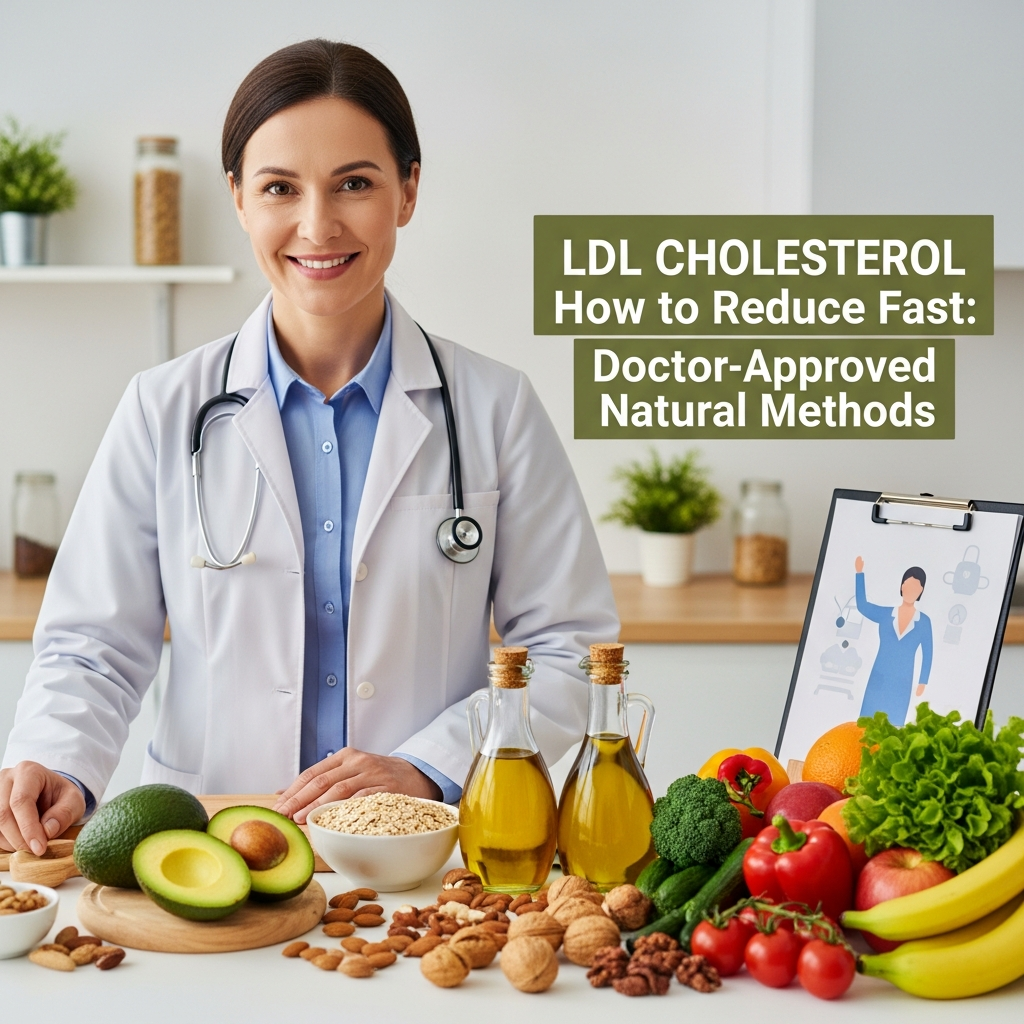
A high LDL cholesterol result can be surprising, especially when you feel healthy and have no obvious symptoms. You may immediately wonder what to stop eating, whether exercise will help, or how quickly your numbers can improve.
The good news is that practical lifestyle changes can lower LDL cholesterol and support long-term heart health. Choosing more soluble fiber, replacing saturated fats with unsaturated fats, eating more beans and whole grains, and staying physically active are useful starting points. You do not need to follow an extreme diet or buy expensive supplements to begin making progress.
However, lowering LDL cholesterol is not simply about reaching a number on a blood test. Your age, medical history, family history, diabetes status, and previous cardiovascular disease can all affect your treatment needs. Some people can make meaningful progress with lifestyle changes, while others need medication as well.
The 2026 ACC/AHA dyslipidemia guideline emphasizes earlier risk assessment, individualized treatment goals, healthy lifestyle habits, and appropriate use of cholesterol-lowering medicines. Read the 2026 guideline announcement from the American College of Cardiology.
This article explains how to lower LDL cholesterol naturally, which foods make the biggest practical difference, what supplements can and cannot do, and when medical treatment deserves attention.
Quick Answer: How Can You Lower LDL Cholesterol Naturally?
The most useful dietary change is often to replace foods high in saturated fat with foods rich in unsaturated fat and soluble fiber. Oats, barley, beans, lentils, fruit, vegetables, nuts, and seeds can help you build a heart-healthy eating pattern.
Regular physical activity, appropriate weight management, avoiding tobacco, and getting adequate sleep also support cardiovascular health. If your LDL is substantially elevated, you have a strong family history of early heart disease, or you already have cardiovascular disease, lifestyle changes may not be enough on their own.
The National Heart, Lung, and Blood Institute’s Therapeutic Lifestyle Changes program provides a practical framework for reducing LDL through food choices, activity, and weight management.
Key Takeaways
- LDL cholesterol contributes to plaque buildup in arteries, increasing the risk of heart attack and stroke over time.
- Soluble fiber from oats, barley, beans, and certain fruits can help lower LDL.
- Replacing saturated fats with unsaturated fats is more useful than eliminating all dietary fat.
- Walking and other regular physical activities support heart health, although exercise alone may not lower LDL enough for everyone.
- Plant-based foods can improve the overall quality of your diet without requiring you to become vegetarian.
- Supplements are not a substitute for evidence-based cholesterol treatment.
- A high LDL result may reflect genetics or a medical condition, not simply your food choices.
- Do not stop prescribed cholesterol medication without consulting your healthcare professional.
What Is LDL Cholesterol, and Why Does It Matter?
LDL stands for low-density lipoprotein. It transports cholesterol through the bloodstream. Your body needs cholesterol for normal functions, but too much LDL can contribute to cholesterol deposits in artery walls.
Over time, these deposits can form atherosclerotic plaque. Plaque buildup may narrow arteries or contribute to a blood clot, increasing the risk of a heart attack or stroke.
High LDL cholesterol usually does not cause noticeable symptoms. A person can feel well while having an elevated level, which is why a lipid panel is important for assessing cardiovascular risk.
The American Heart Association’s LDL guidance explains why LDL matters and how clinicians help patients manage it.
What LDL Cholesterol Level Should You Aim For?
There is no single LDL target that is appropriate for everyone. Your clinician will consider your overall cardiovascular risk and health history when deciding what level to aim for.
| LDL cholesterol result | General interpretation |
|---|---|
| Below 100 mg/dL | Often considered optimal for many adults |
| 100–129 mg/dL | Near-optimal or above optimal, depending on the context |
| 130–159 mg/dL | Borderline high |
| 160–189 mg/dL | High |
| 190 mg/dL or higher | Very high; needs medical evaluation |
These are commonly used descriptive categories, not individualized treatment targets. People with cardiovascular disease or other major risk factors may need substantially lower LDL levels. The MedlinePlus cholesterol guide provides further information about cholesterol testing and management.
Important: If your LDL is 190 mg/dL or higher, arrange medical evaluation rather than relying on home remedies alone. Very high LDL can be associated with inherited conditions such as familial hypercholesterolemia.
Why Does LDL Cholesterol Increase?
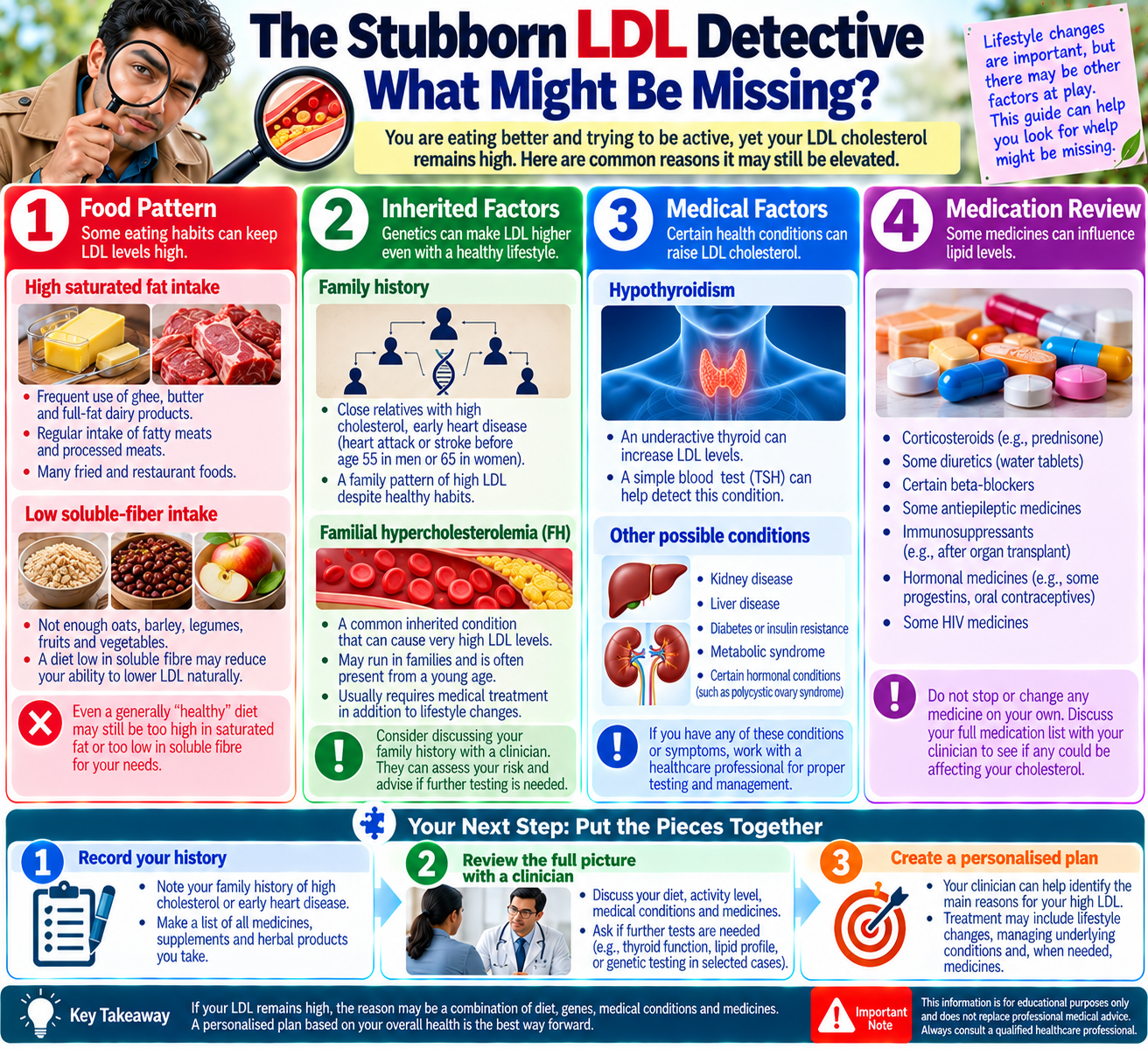
Several factors can contribute to high LDL cholesterol. They often overlap, so changing one habit may not solve the entire problem.
| Possible factor | How it may contribute |
|---|---|
| High saturated fat intake | Can increase LDL cholesterol |
| Low intake of fiber-rich foods | May mean fewer foods that help reduce cholesterol absorption |
| Physical inactivity | Can worsen overall cardiovascular and metabolic health |
| Excess body weight | May contribute to an unfavorable lipid profile |
| Smoking | Increases cardiovascular risk and can adversely affect cholesterol patterns |
| Genetics | Can cause high LDL even in people with healthy habits |
| Certain medical conditions | Hypothyroidism and some other conditions can affect lipid levels |
| Certain medicines | Some medicines can alter cholesterol levels |
The NHLBI cholesterol treatment guide explains how healthcare professionals evaluate lifestyle factors, underlying causes, and medication needs.
If your LDL remains high despite consistent changes, that does not necessarily mean you have failed. Your clinician may need to assess genetic factors, thyroid function, medicines, and other possible contributors.
10 Evidence-Based Ways to Lower LDL Cholesterol Naturally
1. Eat More Soluble Fiber Every Day
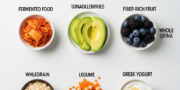
Soluble fiber is one of the most useful dietary tools for lowering LDL cholesterol. It dissolves in water to form a gel-like substance in the digestive tract and can reduce the absorption of cholesterol.
Useful sources include oats, barley, beans, lentils, chickpeas, apples, citrus fruits, and psyllium husk.
You can make this change without completely rebuilding your diet:
- Choose oats or another whole-grain breakfast instead of a refined, sugary cereal.
- Add dal, chickpeas, rajma, or other pulses to meals.
- Eat whole fruit rather than relying on juice.
- Include vegetables with lunch and dinner.
- Increase fiber gradually and drink enough fluid unless your clinician has prescribed a restriction.
The NHLBI Therapeutic Lifestyle Changes program specifically recommends increasing soluble fiber as part of LDL management.
Psyllium is another option for some adults. If you consider using it, follow the product instructions, take it with sufficient water, and ask a pharmacist about timing if you use medicines because fiber products can affect the absorption of some drugs.
Practical insight: Rather than buying several new products, start by adding one regular serving of oats, beans, or lentils to your existing meals. A routine you can maintain is more useful than a complicated plan you abandon.
2. Replace Saturated Fats With Unsaturated Fats
You do not need to eliminate fat from your diet to lower LDL. The type of fat you eat matters.
Saturated fat, found in foods such as butter, fatty meats, high-fat dairy products, and some tropical oils, can raise LDL cholesterol. Replacing it with unsaturated fat can help improve your cholesterol profile.
Consider these substitutions:
| Instead of using frequently | Try more often |
|---|---|
| Butter or ghee in large amounts | Suitable unsaturated vegetable oils in sensible portions |
| Fatty cuts of meat | Beans, lentils, fish, or leaner protein sources |
| Frequent fried snacks | Roasted chickpeas, fruit, or a small portion of nuts |
| High-fat dairy products | Lower-fat alternatives, if suitable for you |
| Snacks made with palm or hydrogenated fats | Minimally processed foods with healthier fat profiles |
In Indian households, ghee, coconut oil, palm oil, and butter may be familiar ingredients. You do not need to panic about a single meal, but regularly consuming large amounts of saturated fat can make LDL management harder.
The 2026 ACC/AHA dyslipidemia guideline supports a dietary pattern rich in vegetables, fruit, nuts, legumes, whole grains, and fiber, with saturated and trans fats replaced by healthier unsaturated fats.
A useful distinction: Simply adding olive oil, nuts, or seeds without reducing less healthy fats may not provide the same benefit as making a substitution.
3. Include Beans, Lentils, and Other Plant Proteins
Plant proteins can help you reduce reliance on foods high in saturated fat while adding fiber and other nutrients to your meals.
Good choices include:
- Lentils and dal.
- Chickpeas and rajma.
- Soybeans, tofu, and edamame.
- Peas and other pulses.
- Unsalted nuts and seeds in appropriate portions.
You do not need to become fully vegetarian. Start by replacing a meat-heavy meal with a bean-, lentil-, or soy-based dish once or twice a week, then build on the change if it suits you.
A 2026 dyslipidemia guideline summary from the American College of Cardiology highlights heart-healthy dietary patterns as a central part of cholesterol management.
The benefit comes from the overall food pattern. A plant-based meal that contains large amounts of coconut oil, butter, or refined carbohydrates is not automatically better for LDL than every meal containing animal products.
4. Choose Nuts and Seeds in Sensible Portions
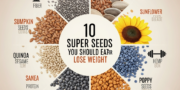
Nuts and seeds provide unsaturated fats, fiber, and other nutrients. They can be useful additions to a heart-healthy diet, especially when they replace snacks high in saturated fat or refined carbohydrates.
Options include almonds, walnuts, peanuts, flaxseed, chia seeds, and sesame seeds.
Try adding a small portion of unsalted nuts to breakfast or using seeds in oats, yogurt, or other meals. Choose plain or lightly prepared varieties more often than products coated with sugar or large amounts of salt.
Portion size still matters because nuts and seeds are energy-dense. If weight management is one of your goals, use a portion that fits your overall eating plan.
The NHLBI’s cholesterol-lowering dietary guide discusses nuts, legumes, whole grains, and other foods within its Therapeutic Lifestyle Changes approach.
5. Build Meals Around Vegetables and Whole Foods
Vegetables and fruit provide fiber, vitamins, minerals, and a variety of beneficial plant compounds. Whole grains and legumes can also improve the overall quality of your diet.
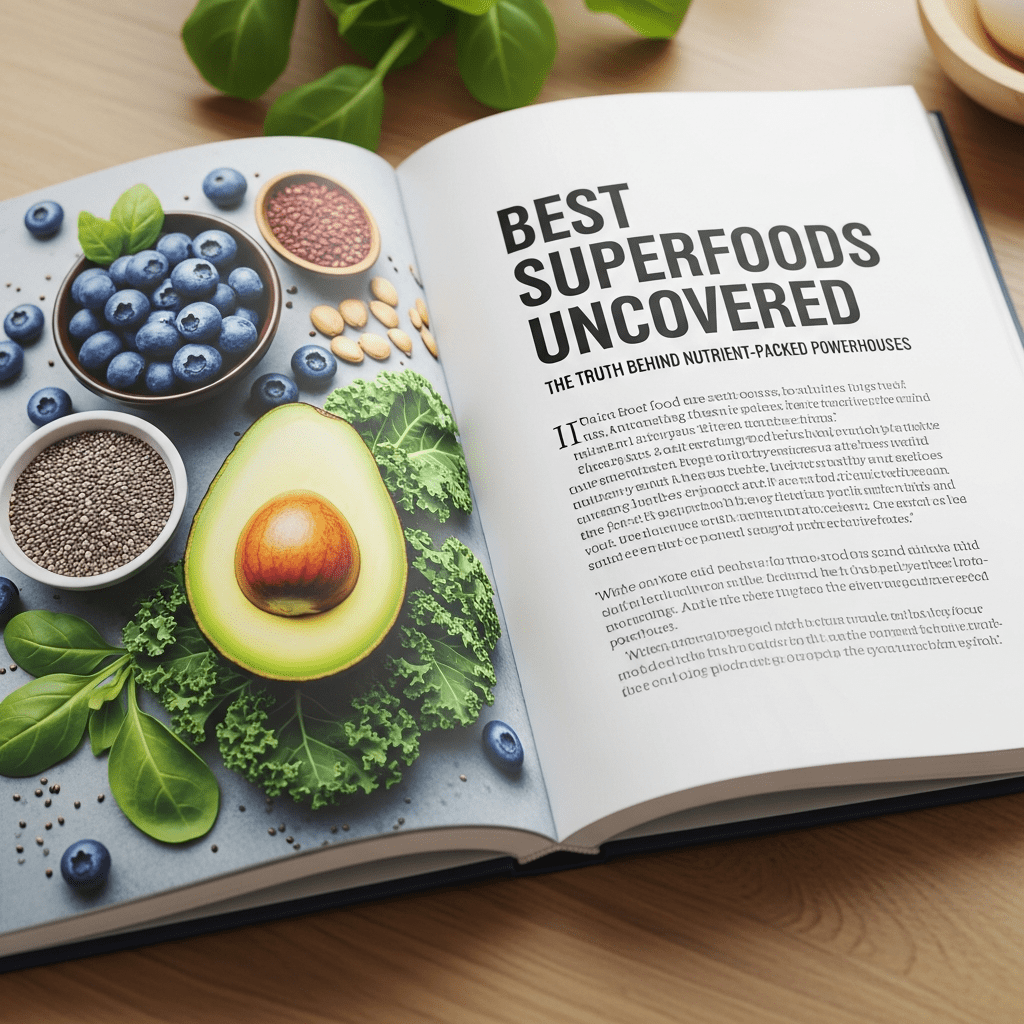
Rather than focusing on one supposed superfood, aim for variety across the week.
For example, an ordinary Indian meal might include vegetables, dal, whole-wheat roti or another suitable grain, and a protein source. Fruit can be a convenient snack, while oats or other whole grains can replace some refined breakfast foods.
Reduce the frequency of highly processed foods that combine refined flour, saturated fat, and excess calories. However, do not assume that every packaged food is harmful or that every home-cooked food is automatically heart-healthy.
The American Heart Association’s cholesterol guidance recommends a heart-healthy eating pattern rather than reliance on one food or supplement.
6. Walk Regularly and Reduce Long Periods of Sitting
Physical activity supports cardiovascular health, fitness, and weight management. It can also improve other risk factors that contribute to heart disease.
Walking is a practical starting point if you are currently inactive. Begin with a duration that feels manageable, then increase it gradually.
Useful options include:
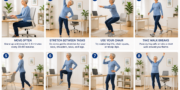
- A brisk walk for 20–30 minutes on most days, as your fitness permits.
- Short walking breaks during long periods of sitting.
- Cycling, swimming, dancing, or other aerobic activities you enjoy.
- Resistance exercise on two days per week when appropriate.
Many adults can work toward at least 150 minutes of moderate-intensity activity each week, following general public-health recommendations. Your ideal amount may differ if you have a medical condition or physical limitation.
The American Heart Association’s guidance on lowering LDL describes physical activity as one part of a broader cholesterol-management strategy.
Do not assume exercise alone will lower LDL enough to reach your individual target. Its benefits extend beyond LDL, including improved fitness and overall cardiovascular health.
7. Manage Excess Weight Gradually if Needed
If you have higher weight or obesity, gradual weight loss can support a healthier lipid profile and reduce other cardiovascular risk factors.
You do not need to begin with an aggressive diet. Focus on small changes that fit your routine:
- Reduce frequent sugary drinks and energy-dense snacks.
- Include protein and fiber in meals.
- Walk regularly and build activity gradually.
- Keep meal portions appropriate to your needs.
- Avoid crash diets and unverified weight-loss products.
The effect of weight loss on LDL varies between individuals. Some people see a clear improvement, while others may still need medication because genetics and other factors strongly influence cholesterol levels.
The NHLBI treatment guide includes weight management among lifestyle approaches used to improve cholesterol.
If you have diabetes, kidney disease, a history of disordered eating, or another condition requiring a specific diet, consult a qualified healthcare professional before making major changes.
8. Stop Smoking and Avoid Tobacco Exposure
Smoking increases cardiovascular risk and can adversely affect the overall cholesterol profile, including HDL cholesterol. Quitting is one of the most valuable steps you can take for your long-term heart health.
If you smoke, consider a quit plan that includes identifying triggers, choosing a quit date, seeking support, and discussing evidence-based cessation treatments with a healthcare professional.
If you have tried quitting before, that does not mean you cannot succeed. Many people need more than one attempt, and structured support can make the process more manageable.
Avoiding secondhand smoke is also worthwhile.
The American Heart Association’s LDL resource identifies tobacco exposure as a factor relevant to cardiovascular health.
Quitting smoking does not replace LDL treatment, but it addresses a major risk factor that diet alone cannot resolve.
9. Get Consistent Sleep and Support Healthy Daily Routines
Sleep affects appetite, energy, and your ability to maintain everyday habits. Poor sleep can make it harder to exercise regularly and follow a balanced eating plan.
Try to keep a consistent sleep schedule, reduce stimulating activities before bed, and make your sleeping environment comfortable. Many adults benefit from around seven to nine hours of sleep, although individual needs vary.
The NHLBI’s cholesterol treatment guidance includes good-quality sleep among healthy lifestyle measures.
However, do not present sleep or stress management as a stand-alone LDL-lowering treatment. They are supportive habits that work alongside dietary changes, physical activity, and appropriate medical care.
If you regularly snore loudly, wake gasping, or experience excessive daytime sleepiness, ask your healthcare professional whether a sleep disorder needs assessment.
10. Use a Consistent Plan and Check Your Progress
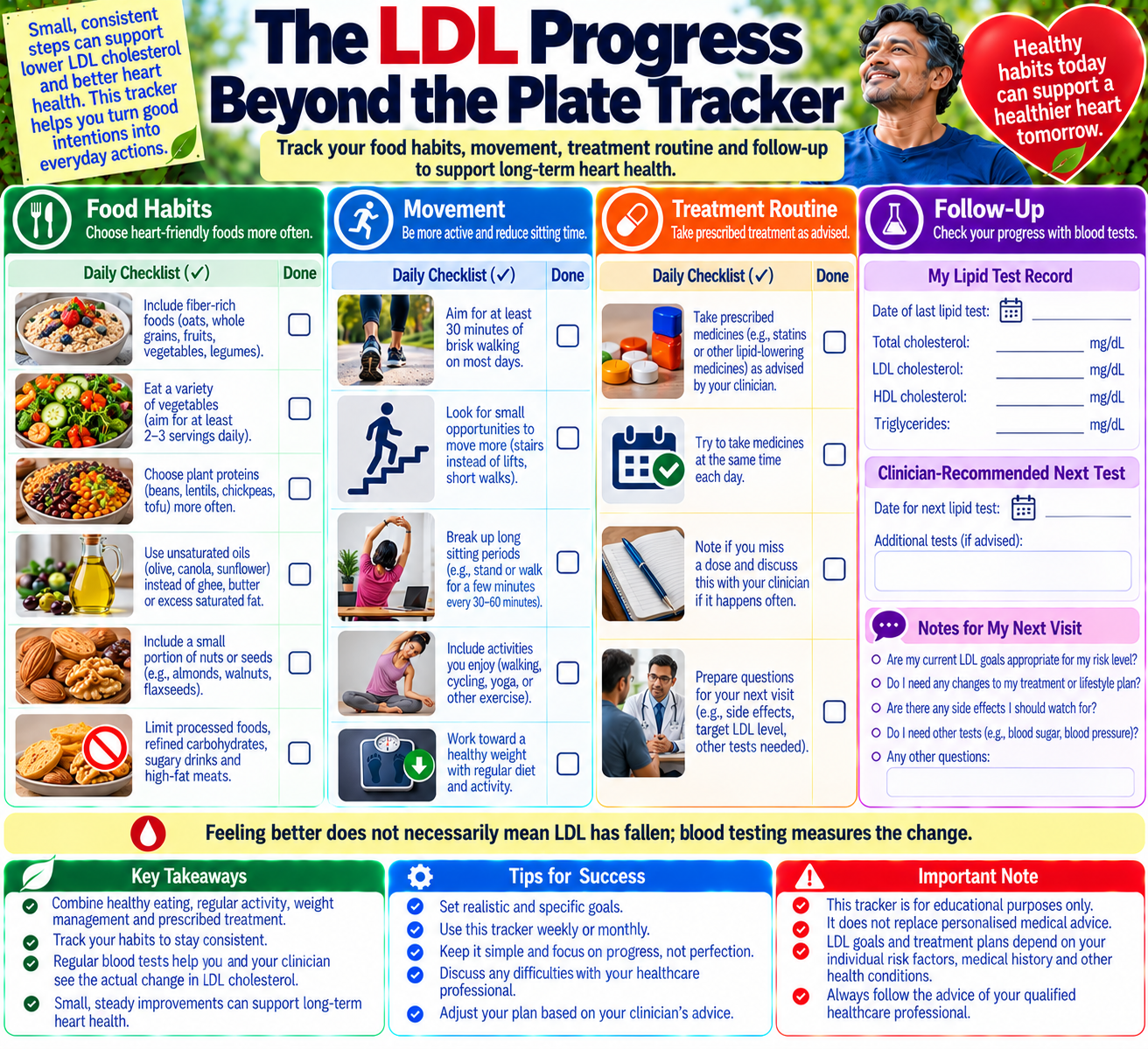
A practical plan is easier to maintain when you track a few meaningful habits instead of trying to monitor everything.
For two to four weeks, you might record:
- How often you eat oats, beans, or other fiber-rich foods.
- Which foods you replaced to reduce saturated fat.
- How much physical activity you completed.
- Whether you are taking prescribed medicines as directed.
- Questions or concerns to raise at your next appointment.
Your healthcare professional can advise when to repeat your lipid panel. The timing depends on your baseline results, risk level, and whether you have started or changed treatment.
Do not judge success by how energetic you feel. High LDL usually has no symptoms, so blood tests are needed to assess the result.
The MedlinePlus cholesterol guide explains that lifestyle changes remain important even when medication is prescribed.
A Practical Indian Food-Swap Table for Lower LDL
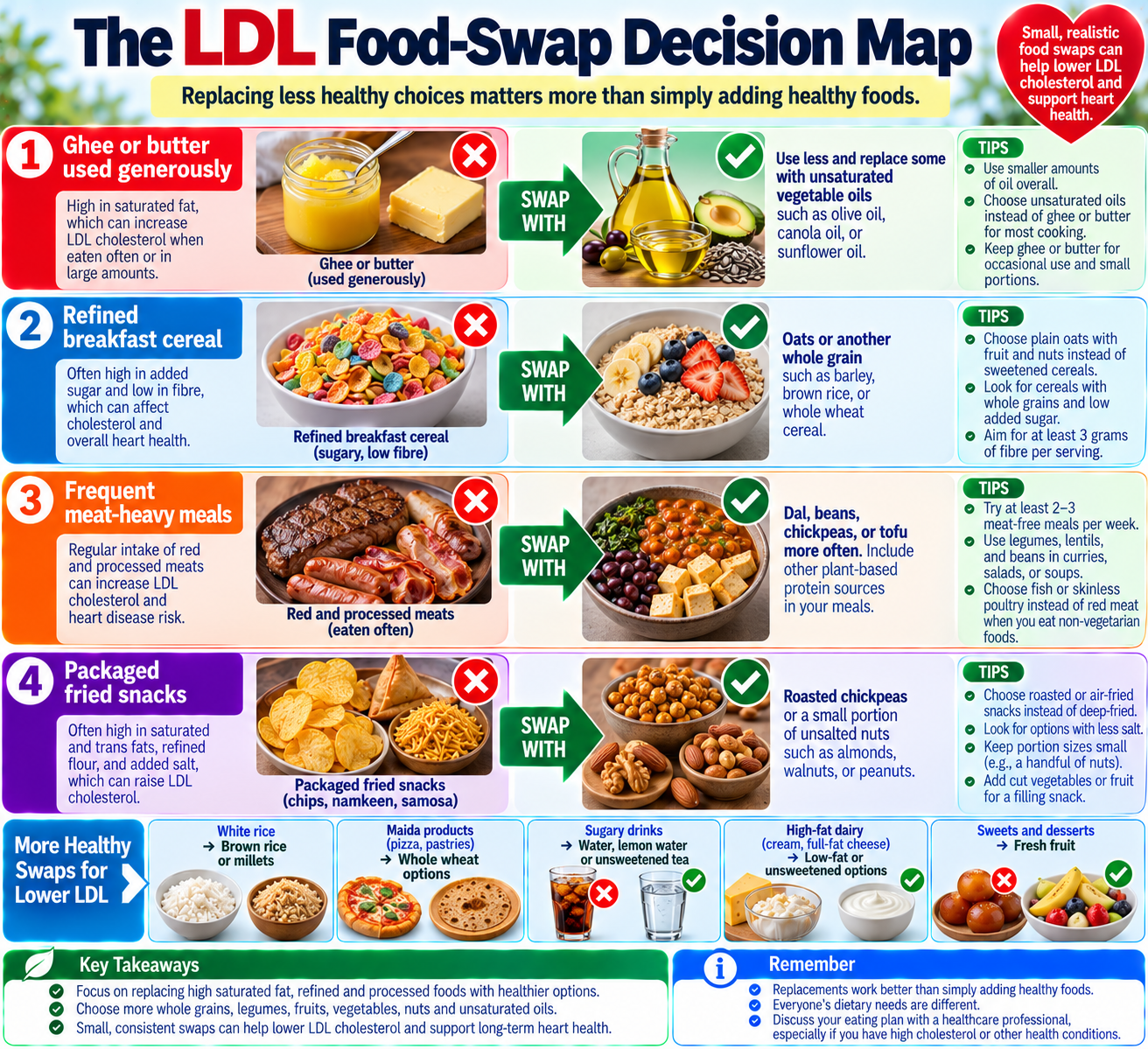
You can make useful changes without buying expensive health products or completely changing your family’s meals.
| Common choice | Practical alternative | Why it may help |
|---|---|---|
| Breakfast made mostly from refined flour | Oats or another suitable whole grain | Adds fiber |
| Large portions of butter or ghee | Use less and replace some with unsaturated oils | Reduces saturated fat |
| Meat-heavy meals every day | Include dal, chickpeas, beans, or tofu more often | Adds plant protein and fiber |
| Biscuits or pastries as a daily snack | Whole fruit or a small portion of nuts | Can improve overall food quality |
| Fried snacks eaten frequently | Roasted chickpeas or other less-processed snacks | May reduce saturated fat and excess calories |
| Meals with few vegetables | Add a vegetable side or mixed vegetable dish | Increases fiber and dietary variety |
These substitutions work best when they replace less healthy choices rather than simply adding extra calories to your existing meals.
What About Psyllium, Plant Sterols, and Other Cholesterol Supplements?
Some supplements and fortified foods can affect LDL cholesterol, but the evidence and safety considerations vary.
Psyllium Fiber
Psyllium is a soluble fiber that can help lower LDL when used appropriately. It may be useful for people who struggle to get enough soluble fiber from food.
Take it according to product directions, use sufficient water, and ask a pharmacist about potential interactions with medicines.
Plant Sterols and Stanols
Plant sterols and stanols reduce cholesterol absorption in the digestive tract. Some fortified foods contain them, and sufficient intake can produce a modest reduction in LDL.
The NHLBI TLC guide explains how plant sterols and stanols can fit into a cholesterol-lowering plan.
These products are optional, not essential for everyone. A varied diet and appropriate medical treatment remain important.
Fish Oil and Omega-3 Supplements
Omega-3 products are mainly used to address specific triglyceride-related concerns rather than as a primary way to lower LDL. Some formulations can increase LDL in certain situations.
Do not assume that an over-the-counter supplement has the same formulation, dose, or evidence as a prescription medicine.
Are Cholesterol Supplements Always Safe?
No. Supplements may cause side effects, interact with medicines, or have inconsistent quality. The 2026 dyslipidemia guideline does not recommend dietary supplements as a general strategy for lipid lowering. Read the 2026 guideline summary and discuss products with your healthcare professional before starting them.
How Quickly Can LDL Cholesterol Improve?
There is no universal timeline. Some people see measurable changes within several weeks of making consistent dietary changes, while others need longer or require medication.
The response depends on your starting LDL level, genetics, dietary pattern, activity, other medical conditions, and treatment plan.
Your clinician may recommend a repeat lipid panel after a period of lifestyle changes or after starting or adjusting medication. Follow the schedule given to you rather than relying on a fixed online timetable.
If your LDL is substantially elevated, do not delay a medical review while waiting to see whether home remedies work.
Common Mistakes That Can Make LDL Management Harder
Eliminating All Fat Instead of Replacing Less Healthy Fats
Your body needs dietary fat. Focus on reducing saturated fat and replacing it with suitable unsaturated fats rather than following a very low-fat diet without medical guidance.
Assuming All Plant Oils Are Equally Helpful
Different oils have different fatty-acid profiles. Coconut and palm oils contain more saturated fat than many other plant oils. Portion size and the overall eating pattern still matter.
Expecting Exercise Alone to Fix High LDL
Exercise is important, but its direct LDL-lowering effect varies. Dietary changes, genetics, medical conditions, and medication needs must also be considered.
Taking Multiple Supplements at Once
Adding several products makes it harder to assess benefits and increases the chance of interactions. Start with evidence-based food choices and ask your healthcare professional before using supplements.
Ignoring Family History
Very high LDL can run in families. If close relatives had unusually high cholesterol or early heart attacks, discuss familial hypercholesterolemia and appropriate screening with your clinician.
Stopping Medication When the Blood Test Improves
Improved results may reflect the treatment you are already receiving. Stopping a statin or another prescribed medicine without advice can allow LDL to rise again.
When Are Natural Methods Not Enough?
Lifestyle changes are essential, but they cannot replace medication for everyone.
You should seek medical assessment if your LDL is very high, if you have established cardiovascular disease, if you have diabetes or other important risk factors, or if high cholesterol runs strongly in your family.
People with familial hypercholesterolemia can have very high LDL from an early age. The MedlinePlus overview of familial hypercholesterolemia explains why inherited cholesterol problems may require both lifestyle measures and medication.
Your clinician may consider your overall risk, family history, other laboratory results, and treatment preferences when deciding whether a statin or another cholesterol-lowering medicine is appropriate.
Medication is not evidence that you failed to change your habits. It is another way to reduce risk when lifestyle changes alone are insufficient.
Personal Insight: Make the Plan Fit Your Real Life
One common challenge with cholesterol advice is trying to change too many things at once. A complicated meal plan may work for a few days but become difficult when you have family responsibilities, a busy job, or limited access to certain foods.
A more practical approach is to choose one or two changes that fit your routine. You might add oats to breakfast, include dal more often, or replace a frequent fried snack with a less-processed option. Once these habits feel manageable, build on them.
These are practical examples, not claims that a particular person lowered LDL by following them.
If you have genuine personal experience with high cholesterol, add it here before publishing. Explain what you actually changed, how long you followed the routine, and what your blood tests showed. Make clear that one person’s experience does not prove a treatment will work for everyone.
If you do not have personal experience, leave out first-person recovery claims. Clear medical explanations and realistic examples are more trustworthy than an invented story.
Frequently Asked Questions
1. Can I lower LDL cholesterol without medication?
Some people can improve LDL through diet, physical activity, and other lifestyle changes. Others need medication because of their LDL level, cardiovascular risk, or genetics. Discuss your results with your healthcare professional before deciding.
2. Which food lowers LDL cholesterol the most?
There is no single food that works best for everyone. Oats, barley, beans, lentils, and psyllium provide soluble fiber, while replacing saturated fats with unsaturated fats is another important dietary strategy.
3. Does drinking water lower LDL cholesterol?
Water supports hydration, but drinking extra water is not an established LDL-lowering treatment. Focus on your overall eating pattern, physical activity, and medical guidance.
4. Are eggs bad for LDL cholesterol?
The effect of dietary cholesterol varies between people. Your overall eating pattern, saturated fat intake, medical history, and individual risk matter more than treating one food as universally good or bad. If you have a specific cholesterol-management plan, follow your clinician’s advice.
5. Does walking lower LDL cholesterol?
Regular walking supports cardiovascular health and can help improve several risk factors. Its direct effect on LDL varies, so it should be combined with other appropriate measures.
6. Can fasting lower LDL cholesterol?
The effect depends on the type of fasting, overall food choices, weight changes, and individual health. Fasting is not required for everyone to lower LDL and may be unsuitable for some people. Discuss major dietary changes with your clinician, particularly if you take medicines for diabetes or other conditions.
7. Is psyllium safe for lowering cholesterol?
Psyllium can help lower LDL in some people when used correctly. It needs adequate fluid and may affect the timing or absorption of certain medicines. Ask a pharmacist or healthcare professional if you take regular medication.
8. How often should I check my cholesterol?
The appropriate interval depends on your age, risk factors, previous results, and whether treatment has changed. Follow your clinician’s advice rather than assuming everyone needs testing every six or twelve months.
9. Can stress cause high LDL cholesterol?
Stress can influence sleep, eating habits, and other cardiovascular risk factors. However, it should not be assumed to be the sole cause of high LDL. Genetics, diet, medical conditions, and medicines may also contribute.
10. When should I see a doctor about high LDL?
Arrange a medical review if your LDL is high, especially if it is 190 mg/dL or above, you have cardiovascular disease or diabetes, or close relatives experienced early heart disease. Do not delay assessment while trying natural remedies.
Conclusion: Lower LDL With Consistent Habits and the Right Care
Learning how to lower LDL cholesterol naturally starts with a few well-supported priorities: increase soluble fiber, replace saturated fats with unsaturated fats, eat more legumes and whole grains, stay physically active, and avoid tobacco.
These habits support cardiovascular health, but they do not guarantee a particular LDL result. Genetics, medical conditions, and other risk factors can influence how much your cholesterol changes.
Use your blood-test results and your clinician’s advice to guide the next steps. If medication is recommended, continue your lifestyle changes alongside treatment rather than treating the two approaches as alternatives.
The goal is not to follow a perfect diet for a few weeks. It is to build a sustainable routine that supports your heart over the long term.
Author Note
Author: RVLNSV PRASAD
This article provides general, evidence-informed information about LDL cholesterol, dietary habits, physical activity, and cardiovascular risk. It is intended to help readers understand practical lifestyle options and when professional medical advice may be needed.
Medical review: This article has not been independently reviewed by a qualified healthcare professional.
Medical Disclaimer
This article is for general educational purposes only. It does not diagnose, treat, or prevent any medical condition and is not a substitute for individualized medical advice. LDL treatment depends on blood-test results, cardiovascular risk, family history, and other medical factors. Do not stop or change prescribed medication without consulting your healthcare professional.
Fitness Disclaimer
Choose physical activities appropriate to your current health, mobility, and fitness level. Increase activity gradually and stop if you experience chest pain, faintness, severe shortness of breath, or other concerning symptoms. If you have heart disease, diabetes complications, significant joint problems, or another condition that affects exercise, consult a qualified healthcare professional before making substantial changes.
Sources
- American College of Cardiology and American Heart Association: 2026 Guideline on the Management of Dyslipidemia
- National Heart, Lung, and Blood Institute: Therapeutic Lifestyle Changes to Lower Cholesterol
- National Heart, Lung, and Blood Institute: Blood Cholesterol Treatment
- American Heart Association: How to Lower Your LDL Cholesterol
- MedlinePlus: How to Lower Cholesterol
- MedlinePlus: Familial Hypercholesterolemia
- National Heart, Lung, and Blood Institute: Your Guide to Lowering Your Cholesterol With TLC
Related Topics
- Bad Cholesterol and How to Combat It
- Gut Health Revolution: How Nutrition Shapes Your Microbiome
- 5 Eye Problems Natural Remedies
- Polycystic Kidney Disease Diagnosis Treatment
- Liver Disease Cirrhosis life Expectancy
- 10 Ways to Reverse Type 2 Diabetes Permanently
- 14 Ways to Increase Protein Intake Daily Tips







[…] LDL Cholesterol How to Reduce Fast: Doctor-Approved Natural Methods […]
[…] LDL Cholesterol How to Reduce Fast: Doctor-Approved Natural Methods […]
[…] LDL Cholesterol How to Reduce Fast: Doctor-Approved Natural Methods […]