




















































































































12 Best Diets to Lose 100 Pounds
Author: RVLNSV PRASAD
Updated On: August 2026
Author Note
This article was written by RVLNSV PRASAD to provide practical, easy-to-understand information about dietary approaches that may support substantial, long-term weight loss. The goal is to help readers understand the differences between common eating patterns and the importance of choosing an approach that is realistic, nutritionally balanced, and sustainable.
Losing 100 pounds is a significant goal, and there is no single diet that is appropriate for everyone. Individual needs can vary based on starting weight, age, activity level, medications, health conditions, food preferences, and other factors.
The information in this article is based on general weight-management principles and is intended for educational purposes. Readers considering major weight loss should discuss an appropriate strategy with a qualified healthcare professional or registered dietitian, particularly if they have an existing medical condition or take medications.
Introduction
The best diets to lose 100 pounds are a topic many people search for when they want to make a real change in their lives.
Losing 100 pounds can feel very difficult. It may even feel impossible at first. But it is not impossible. Many people have achieved significant weight loss. You can do it too. The key is not a quick fix.
The key is choosing an eating approach you can maintain over time. Extreme weight-loss programs that promise very rapid results can be difficult to sustain.
A better approach is a healthy diet you can follow for a long time.
It should be simple and realistic.
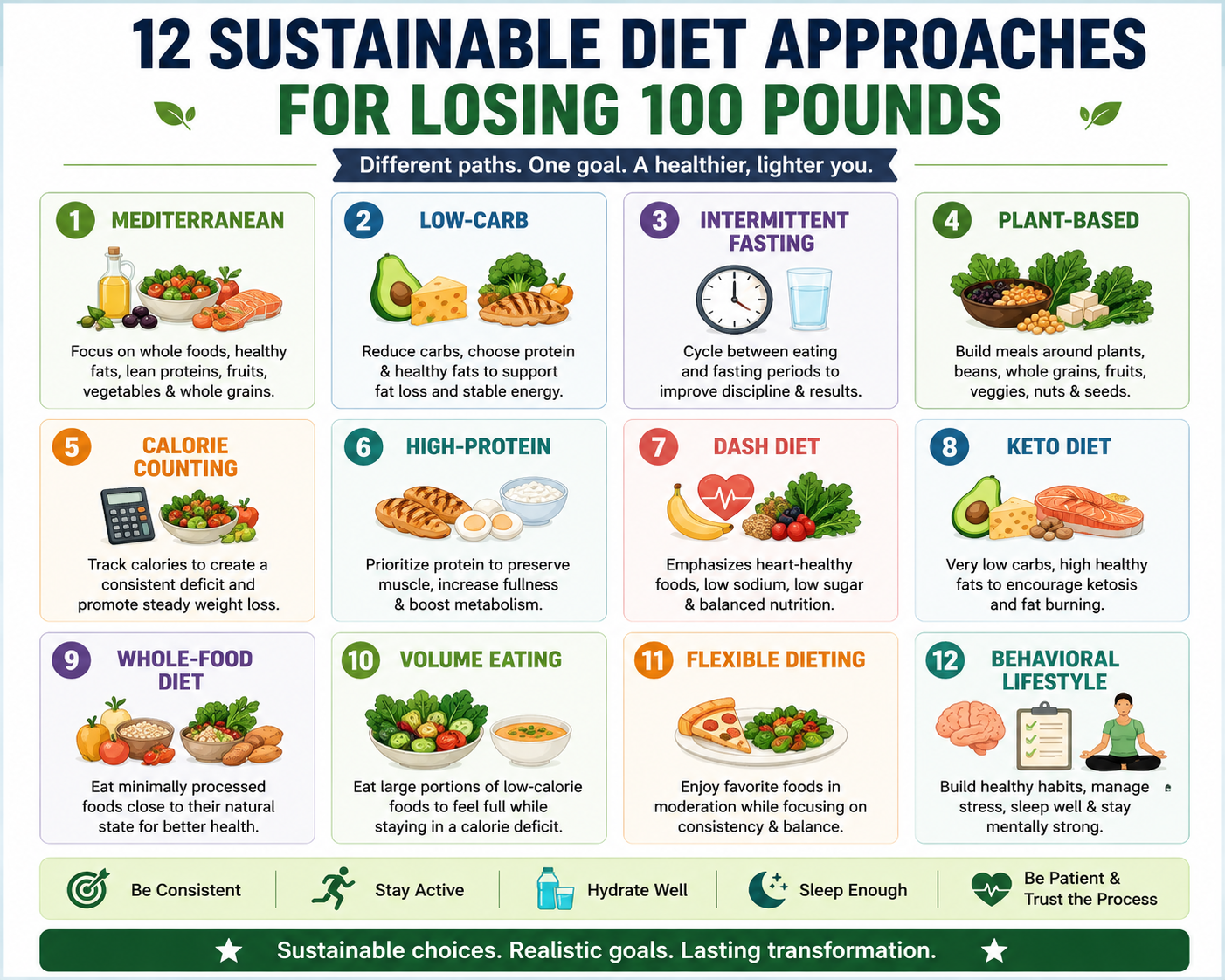
In this guide, you will learn about 12 sustainable approaches to weight loss and how they may fit into a healthy lifestyle. These approaches are popular and are supported by research and health professionals.
Many people have also used these approaches as part of their weight-loss efforts.
You can also learn from real examples, practical tips, and personal insights that may help you stay on track.
Why Choosing the Right Diet Can Matter
Before we discuss the diets for losing 100 pounds safely, we need to understand one important point.
Losing 100 pounds is a long journey. For many people, losing 100 pounds can take 12 to 24 months.
- That can be normal.
- That is healthy.
Fast weight loss often leads to:
- muscle loss
- low energy
- unhealthy habits
- weight regain
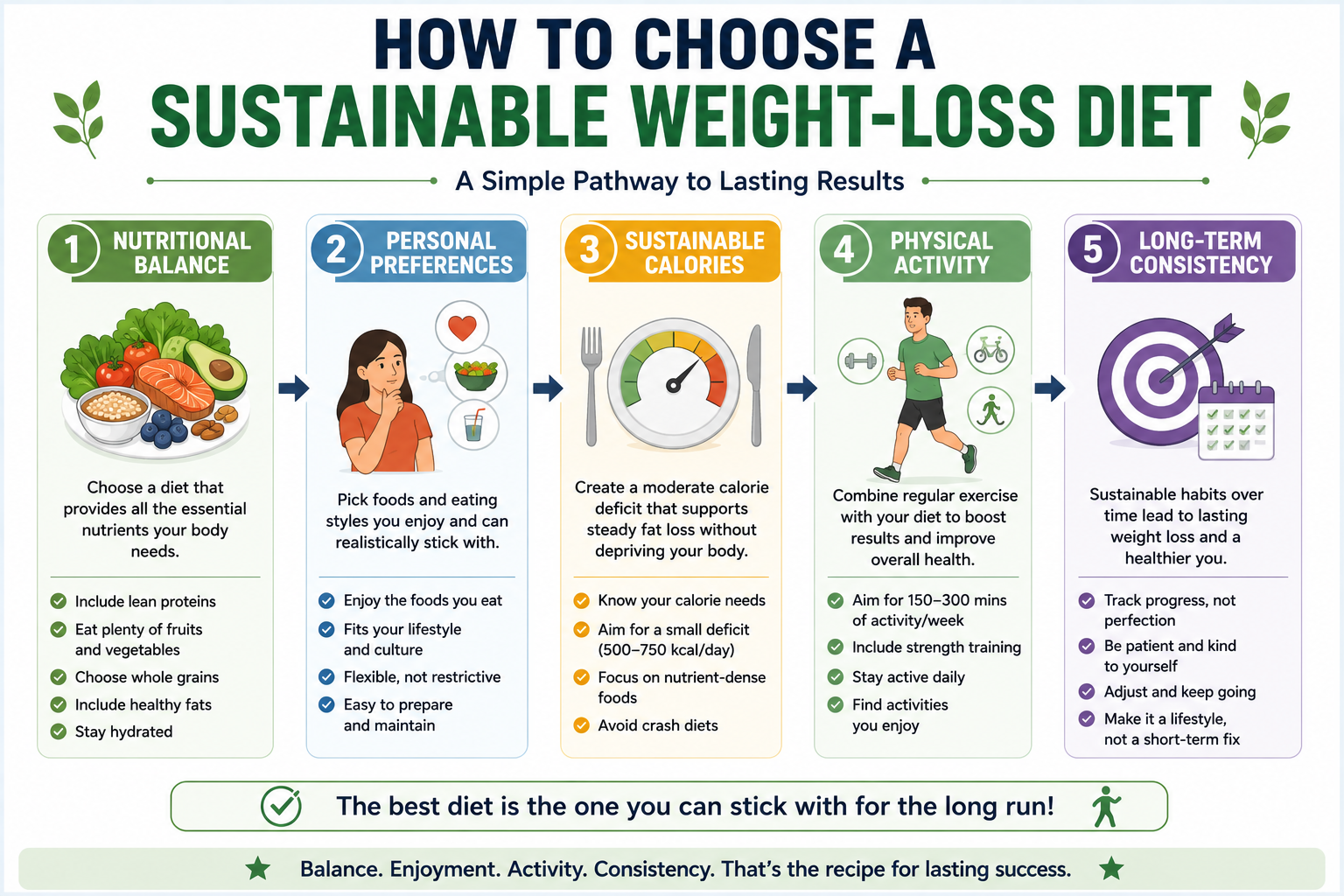
The right eating approach should do four things:
- Help reduce calorie intake naturally
- Keep you full longer
- Support overall nutrition and metabolic health
- Be easy to follow
- If a diet feels extremely restrictive, it may be difficult to maintain long-term.
I have seen many people fail because they can choose extreme plans. One friend tried a liquid-only diet.
He lost 20 pounds quickly but later gained 30 pounds. That is why sustainable eating approaches are important.
Now let’s explore the healthy ways to lose 100 pounds.
Quick Comparison of the 12 Weight-Loss Approaches
| Approach | Main Focus | Potential Advantage | Important Consideration |
|---|---|---|---|
| Mediterranean diet | Whole and minimally processed foods | Balanced and flexible | Portion sizes still matter. |
| Low-carb diet | Reduced carbohydrate intake | May help some people manage appetite. | Restrictiveness varies. |
| Intermittent fasting | Timing of meals | Simple eating schedule | Not appropriate for everyone |
| Plant-based diet | Mostly plant foods | High in fiber-rich foods | Nutritional balance matters. |
| Calorie counting | Tracking energy intake | Increases awareness of intake | Tracking can feel burdensome. |
| High-protein diet | Greater emphasis on protein | May improve fullness | Overall diet quality still matters. |
| DASH diet | Balanced, heart-healthy foods | Nutritionally balanced | Weight loss still depends on overall intake |
| Keto diet | Very low carbohydrate intake | May produce substantial early scale changes | Highly restrictive for many people |
| Whole-food diet | Minimally processed foods | Encourages nutrient-rich choices | “Whole food” does not automatically mean low-calorie |
| Volume eating | Low-energy-density foods | Allows larger food portions | Food quality and balance still matter. |
| Flexible dieting | Flexible food choices within targets | Can accommodate personal preferences | Requires attention to overall nutrition |
| Behavioral lifestyle approach | Eating, activity, and habits | Addresses multiple lifestyle factors | Requires consistent behavior change |
1. Mediterranean Diet (One of the Best Diets to Lose 100 Pounds)
The Mediterranean diet is simple, emphasizes minimally processed foods, and can be part of a healthy eating pattern.
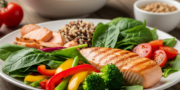
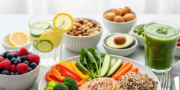
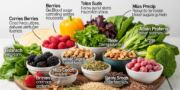
The Mediterranean diet is a well-established healthy eating pattern that emphasizes foods such as vegetables, fruits, whole grains, beans, fish, nuts, and unsaturated fats.
What You Eat
- vegetables
- fruits
- olive oil
- fish
- nuts
- whole grains
- beans
Reduce these foods:
- sugar
- processed food
- fried food
Why It Can Work
This diet focuses on real food. Real food keeps you full. It also improves heart health. People following this eating pattern may lose weight gradually when it results in a sustainable calorie deficit.
Real Example
A teacher from California followed this diet for two years.
She lost 95 pounds.
Her secret was simple.
She cooked more meals at home.
She stopped eating fast food.
Small changes. Big results.
This is why it is considered one of the long-term weight-loss approaches.
2. Low-carb Diet
Low-carb diets reduce carbohydrate intake.
Your body starts burning fat for energy.
This process is called ketosis.
Foods Allowed
- meat
- eggs
- fish
- cheese
- vegetables
- healthy fats
Foods Limited
- bread
- rice
- pasta
- sugar
- sweets
Why It Works
Carbs trigger hunger for many people.
When carbs are reduced, appetite often drops.
This makes it easier to eat fewer calories.
Many people lose 10–20 pounds quickly at the start.
That early progress may motivate some people.
3. Intermittent Fasting Diet
Intermittent fasting is not exactly a diet.
It is an eating schedule.
You eat within a certain time window.
A common method is 16:8 fasting.
You fast for 16 hours and eat during an 8-hour window.
Example:
- Eat from 12 PM to 8 PM
- Fast from 8 PM to 12 PM the next day
Why It Works
It can reduce late-night eating.
This can also reduce calorie intake naturally.
Personal Insight
I tried intermittent fasting for three months.
The first week was hard.
Hunger felt strong.
After two weeks, my body adjusted.
My energy improved, and my cravings decreased.
This became easy.
Many experts include this approach among weight-loss strategies.
4. Plant-Based Diet
A plant-based diet focuses primarily on foods that come from plants.
It does not necessarily mean being vegan; instead, it generally emphasizes mostly plant-based foods.
Foods Included
- vegetables
- fruits
- beans
- lentils
- nuts
- seeds
- grains
Why It Works
Plant foods are low in calories.
They are high in fiber.
Fiber keeps you full.
Many people may naturally consume fewer calories.
Real Example
A man named Kevin lost 120 pounds on a plant-based diet.
He replaced burgers with lentil meals.
He replaced soda with water.
For him, those changes were enough to make a significant difference.
Simple swaps can lead to meaningful changes.
5. Calorie-Counting Diet
This method focuses on tracking calories.
Weight loss generally occurs when energy expenditure exceeds energy intake over time. (calorie deficit)
Example
If your body needs about 2,500 calories per day, and you eat about 1,800 calories, that creates a calorie deficit.
You eat:
1800 calories
That creates a deficit.
Over time, a sustained calorie deficit can lead to fat loss.
Helpful Tools
- MyFitnessPal
- Lose It app
- calorie trackers
Why It Works
Awareness changes behavior.
Most people underestimate calories.
Tracking can help address that.
This approach can be part of a sustainable strategy for significant weight loss.
6. High Protein Diet
Protein can support weight management and help maintain muscle during weight loss.
It increases fullness.
Adequate protein intake can help support muscle maintenance.
High-Protein Foods
- chicken
- fish
- eggs
- yogurt
- tofu
- beans
Benefits
Protein can increase feelings of fullness and may help reduce hunger.
Protein also has a higher thermic effect than carbohydrates and fats.
People may feel satisfied for longer.
This helps prevent overeating.
7. DASH Diet
The DASH diet was designed as a heart-healthy eating plan and may also support weight management when calorie intake is appropriate.
But it also helps weight loss.
Foods Focused On
- fruits
- vegetables
- whole grains
- lean proteins
- low-fat dairy
Foods Reduced
- sodium
- sugary drinks
- processed foods
Many nutrition experts consider DASH a healthy eating approach that may support weight management while also promoting overall health.
8. Keto Diet
The ketogenic (keto) diet is a very low-carbohydrate diet.
Carbohydrate intake is often limited to fewer than 50 grams per day.
The body burns fat for energy.
Common Foods
- eggs
- meat
- cheese
- avocado
- butter
- low-carb vegetables
Important Tip
Electrolytes are important on keto.
Drink water.
Eat salt.
Include foods that provide magnesium.
Without adequate hydration and electrolytes, some people may experience fatigue.
9. Whole Food Diet
This approach emphasizes limiting highly processed foods.
The focus is on minimally processed or whole foods.
Allowed
- fruits
- vegetables
- whole grains
- nuts
- fish
- lean meat
Avoid
- packaged snacks
- sugary drinks
- fast food
- ultra-processed meals
Why It Works
Processed foods are easy to overeat.
Whole foods can make it easier for some people to manage calorie intake.
10. Volume Eating Diet
Volume eating focuses on foods that provide a large amount of food for relatively few calories.
Examples include:
- soups
- vegetables
- fruits
- popcorn
- salads
You may be able to eat larger portions while keeping calorie intake relatively low.
But calories remain low.
This can keep hunger under control.
It is one approach to calorie-controlled eating that some people may find useful.
11. Flexible Dieting (IIFYM)
Flexible dieting is often associated with the phrase “If It Fits Your Macros” (IIFYM).
You track protein, carbs, and fats.
You can still include foods you enjoy.
Even pizza or chocolate.
You can include them in moderation while still meeting your overall nutritional goals.
Why It Works
No food is banned.
Some people may find it easier to stay consistent over time.
Consistency is everything in weight loss.
12. Behavioral Lifestyle Diet
This approach focuses on habits and lifestyle behaviors rather than food choices alone.
It is not focused solely on food.
Key habits include:
Example Routine
- Morning walk.
- Healthy breakfast.
- Balanced lunch.
- Light dinner.
- Adequate sleep.
A lifestyle approach that combines healthy eating, physical activity, and sustainable habits can support long-term weight management.
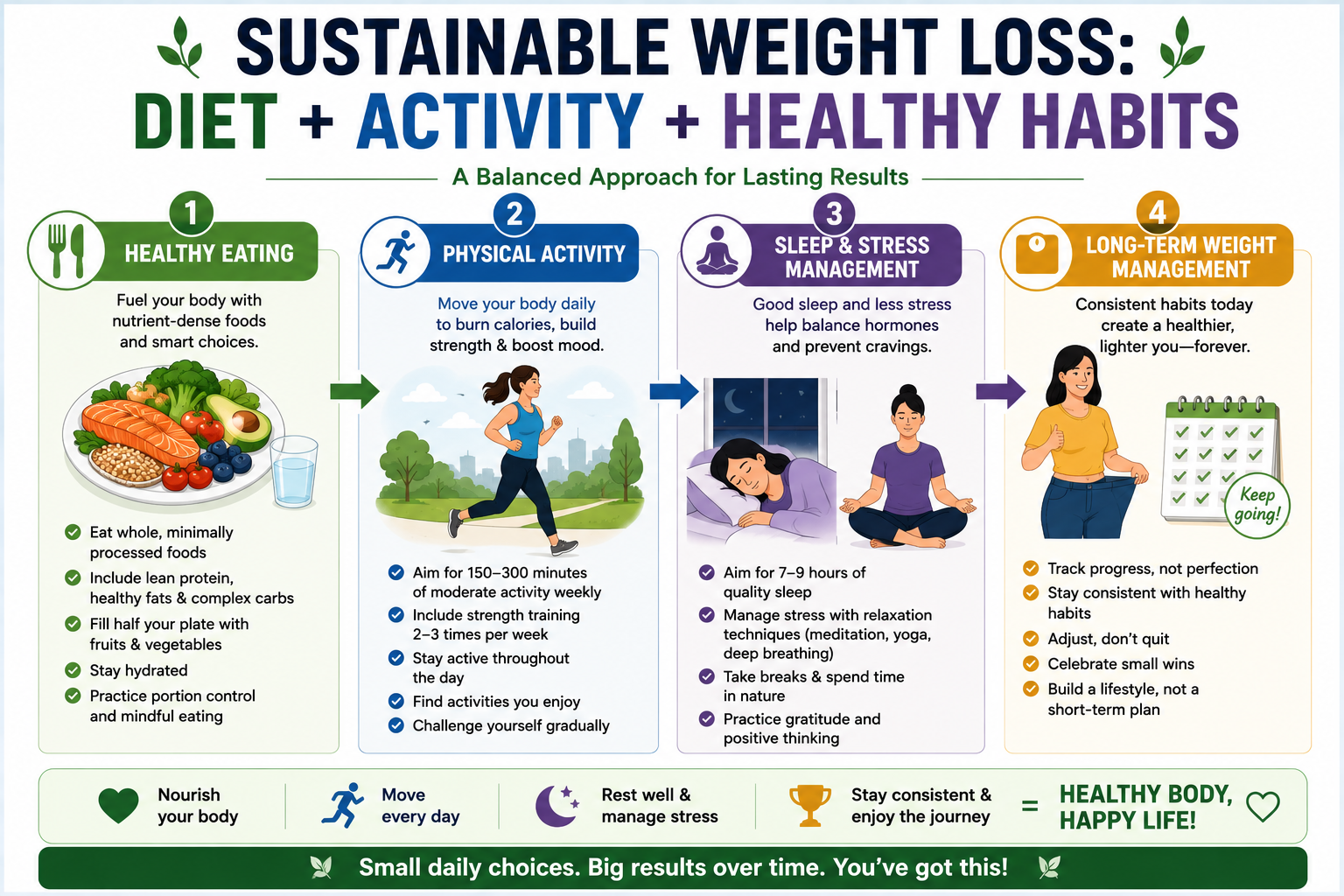
Diet Approach vs. Sustainable Approach
| Instead of Focusing Only On | Consider Focusing On |
| Losing weight as quickly as possible | Gradual, sustainable progress |
| Eliminating entire food groups unnecessarily | Building a balanced eating pattern |
| Following someone else’s exact diet | Choosing an approach appropriate for your needs |
| Being perfect every day | Being consistent over time |
| Scale weight alone | Eating habits, activity, fitness, and overall health |
| A temporary “diet” | Habits you may be able to maintain long-term |
Realistic Timeline to Lose 100 Pounds
A commonly recommended gradual weight-loss rate is
Weight-loss rates vary from person to person, and a realistic goal should be individualized.
NIDDK recommends focusing on realistic initial goals rather than promising a specific amount of weight loss in a short period.
That means:
- About 50 weeks at 2 pounds per week
- About 100 weeks at 1 pound per week
Individual weight-loss rates vary.
Both are healthy.
Slow progress is still progress.
Common Mistakes When Trying to Lose 100 Pounds
Many people struggle with weight loss for simple reasons.
1. Expecting fast results
Weight loss can take time.
2. Choosing extreme diets
Extreme diets are hard to maintain.
3. Skipping meals
This can increase hunger later.
4. Ignoring sleep
Poor sleep can affect hunger, appetite, and eating behavior.
5. Not moving enough
Even regular walking can contribute to physical activity and overall health.
My Personal Insight
One important lesson is simple:
Consistency can beat perfection.
You do not need a perfect diet.
You need an eating approach that you can follow consistently.
I have seen people lose 100 pounds with simple habits:
Walking daily.
Eating home-cooked meals.
Drinking more water.
Sleeping better.
Small habits can add up over time.
That is the real secret behind the Best Diets to Lose 100 Pounds.
Frequently Asked Questions
1. What are the best diets to lose 100 pounds safely?
The best diets to lose 100 pounds include the Mediterranean diet, low-carb diet, intermittent fasting, plant-based diet, and calorie-controlled diets.
These approaches can be sustainable for some people and have been studied in research.
2. How long does it take to lose 100 pounds?
The time required varies considerably from person to person.
A gradual rate of weight loss is often recommended, but an appropriate rate varies from person to person.
Faster loss may not be sustainable.
3. Can you lose 100 pounds without exercise?
Yes. Diet plays an important role in weight loss.
Weight loss can occur through changes in food intake, but physical activity provides important health benefits and can help with weight management and maintaining weight loss.
4. Which diet burns fat the fastest?
Low-carbohydrate and ketogenic diets can sometimes produce faster initial changes in body weight.
However, the safest approach is generally one that can be maintained over the long term and is appropriate for the individual.
5. Do cheat meals ruin weight loss?
No.
Occasional treats are normal.
Balance matters more than perfection.
6. What is the biggest weight loss mistake?
Extreme dieting.
People may stop following them because they become too difficult to maintain.
Sustainable diets work better.
7. Is losing 100 pounds possible without surgery?
Yes.
Thousands of individuals have done it.
With patience, sustainable habits, and an appropriate weight-management plan, significant weight loss may be possible.
Key Takeaways
- There is no single best diet for everyone who wants to lose 100 pounds.
- Sustainable weight loss generally requires long-term changes rather than extreme short-term dieting.
- Mediterranean, DASH, plant-based, higher-protein, lower-carbohydrate, and other approaches may work differently for different people.
- Intermittent fasting is primarily an eating schedule rather than a specific diet.
- Keto is more restrictive than many other approaches and may not be appropriate or sustainable for everyone.
- Adequate nutrition remains important while reducing calorie intake.
- Physical activity, sleep, stress management, and other lifestyle habits can complement dietary changes.
- Progress does not need to be perfectly linear.
- A diet that fits your health needs, preferences, budget, and lifestyle may be easier to maintain.
- Losing 100 pounds is a substantial goal, so individualized guidance from a healthcare professional or registered dietitian may be appropriate.
Final thoughts
The best diets to lose 100 pounds are not about quick fixes or extreme restrictions.
- They are about sustainable habits.
- They focus on nutritious, minimally processed foods.
- They require patience.
The truth is simple.
Weight loss is not a sprint.
It is a marathon.
- Choose a diet you enjoy.
- Eat whole foods.
- Move your body.
- Stay consistent.
If you follow the right habits, the Best Diets to Lose 100 Pounds can help you transform your health and your life.
Consistency over time can make a meaningful difference.
When Should You Talk With a Healthcare Professional?
Losing 100 pounds is a substantial weight-loss goal. Your starting weight, medications, medical conditions, eating patterns, and other factors can affect which approach is appropriate. If you are considering a major weight-loss program, speak with a healthcare professional about safe and effective options.
Medical and Nutrition Disclaimer
This article is intended for general educational and informational purposes only. It is not a substitute for individualized medical advice, diagnosis, treatment, or nutrition counseling.
Weight-loss needs and appropriate rates of weight loss vary from person to person. A dietary approach that is suitable for one individual may not be appropriate for another.
If you have diabetes, heart disease, kidney disease, an eating disorder, or a history of disordered eating; are pregnant or breastfeeding; take medications; have another medical condition; or are considering substantial weight loss, consult a qualified healthcare professional or registered dietitian before making major changes to your diet.
Do not stop or change prescribed medications based on information in this article. Significant changes in body weight or food intake can affect the management of some medical conditions and medications.
Seek prompt medical attention if you develop severe or concerning symptoms while following a weight-loss program.
Sources / References
- NIDDK — Choosing a Safe & Successful Weight-loss Program
- NIDDK — Treatment for higher weight & Obesity
- NIDDK — Understanding Adult higher weihigt & Obesity
- NIDDK — Eating & Physical Activity to Lose or Maintain Weight
- NHLBI — DASH Eating Plan
Related Articles
- The Nutritional Secrets of Superfoods
- 5 Plant-Based Meals for Healthy Weight Loss: A Comprehensive Guide
- The Science of Shedding Pounds: A Data-Driven Approach to Weight Loss
- Home
- A Holistic Guide to Healthy Weight Loss Eating
- Best 7 Hormone Connection: How Balancing Your Body Can Accelerate Weight Loss





[…] 12 Best Diets to Lose 100 Pounds […]
[…] 12 Best Diets to Lose 100 Pounds […]
[…] 12 Best Diets to Lose 100 Pounds […]