












































































































































Obesity Causes and Treatment: Symptoms, Risk Factors, Prevention, and Home Remedies
Author: RVLNSV PRASAD
Fact Checked By: Wellness Research Team
Last Updated: August 2026
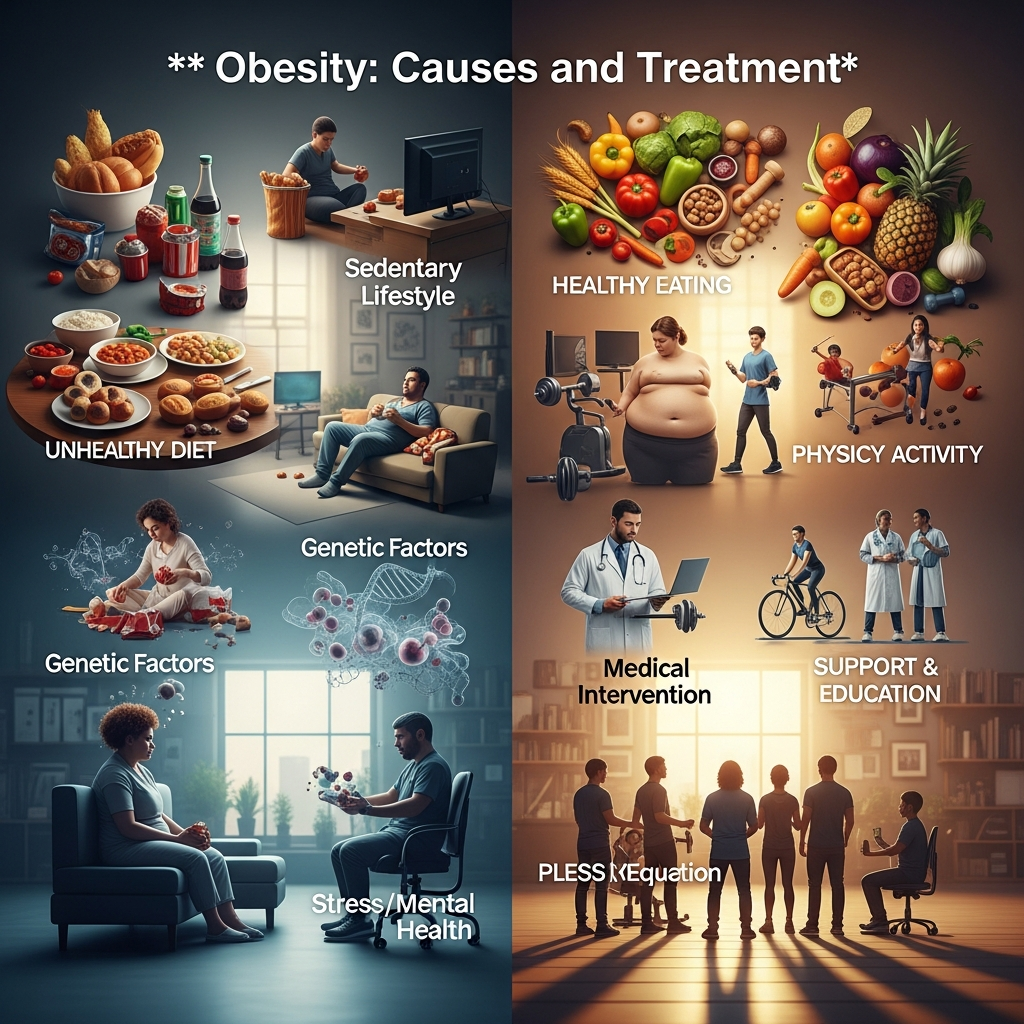
Author Note
Obesity is a chronic health condition caused by a combination of genetic, environmental, behavioral, and lifestyle factors. Treatment typically includes healthy eating, regular physical activity, behavior changes, medications, and, in some cases, weight-loss surgery.
Introduction
Obesity and its causes are a major health concern today.
Many individuals are gaining weight without knowing why.
This is not just about looks.
It is a serious health condition.
Obesity happens when the body stores too much fat. (WHO Obesity Overview) (NICHD Obesity Factsheet)
This condition can affect the whole body.
According to global data:
• More than 1 billion people worldwide are living with higher weight or obesity. (WHO )
• About 39% of adults worldwide are higher weight
• The number of cases is increasing every year.
Many individuals can ignore early weight gain.
People can think the condition is normal.
But this condition can lead to serious diseases.
Learning about Obesity Causes helps people take control early.
In this article, we will explain:
• Causes and effects
•This condition can cause consequences
• This obesity can cause symptoms.
• The health risks include conditions such as cancer and diabetes.
• Treatment and prevention
• Simple home remedies
This is a simple goal.
This article helps you understand your body.
You have to help yourself stay healthy.
What Is Obesity?
The term “higher weight” means excess body fat.
Doctors can measure it using BMI.
BMI stands for “body mass index.”
A BMI of 25–29.9 is classified as higher weight, while a BMI of 30 or higher is classified as obesity. (WHO BMI Classification) (NICHD BMI Information)
But this condition is not only about numbers.
Obesity is associated with health risks.
Understanding the causes and treatment of obesity can help prevent these health risks.
Obesity Classification Table
| BMI Range | Classification |
|---|---|
| 18.5–24.9 | Healthy Weight |
| 25–29.9 | Higher weight |
| 30–34.9 | Obesity Class I |
| 35–39.9 | Obesity Class II |
| 40+ | Obesity Class III |
People who are heavier have a higher risk of developing obesity, type 2 diabetes, high blood pressure, heart disease, and other health conditions. Recognizing higher weight early may help prevent future health problems.
My Personal Experience With This Obesity
A few years ago, one of my friends gained weight.
- He worked long hours.
- He eats fast food every day.
- He did not exercise daily.
At first, he ignored the work.
He began to feel exhausted after that.
He had some breathing problems.
The doctor said he was higher weight and at risk of obesity-related health problems.
- He changes his habits.
- He keeps walking every day.
- He reduces junk food.
Within 6 months, he loses his weight.
His health has been improved.
This shows how understanding the causes of obesity can change lives.
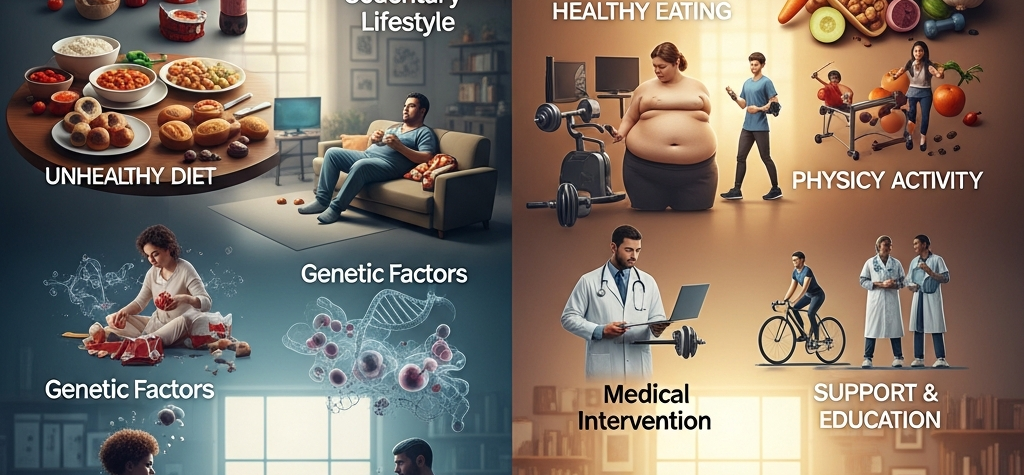
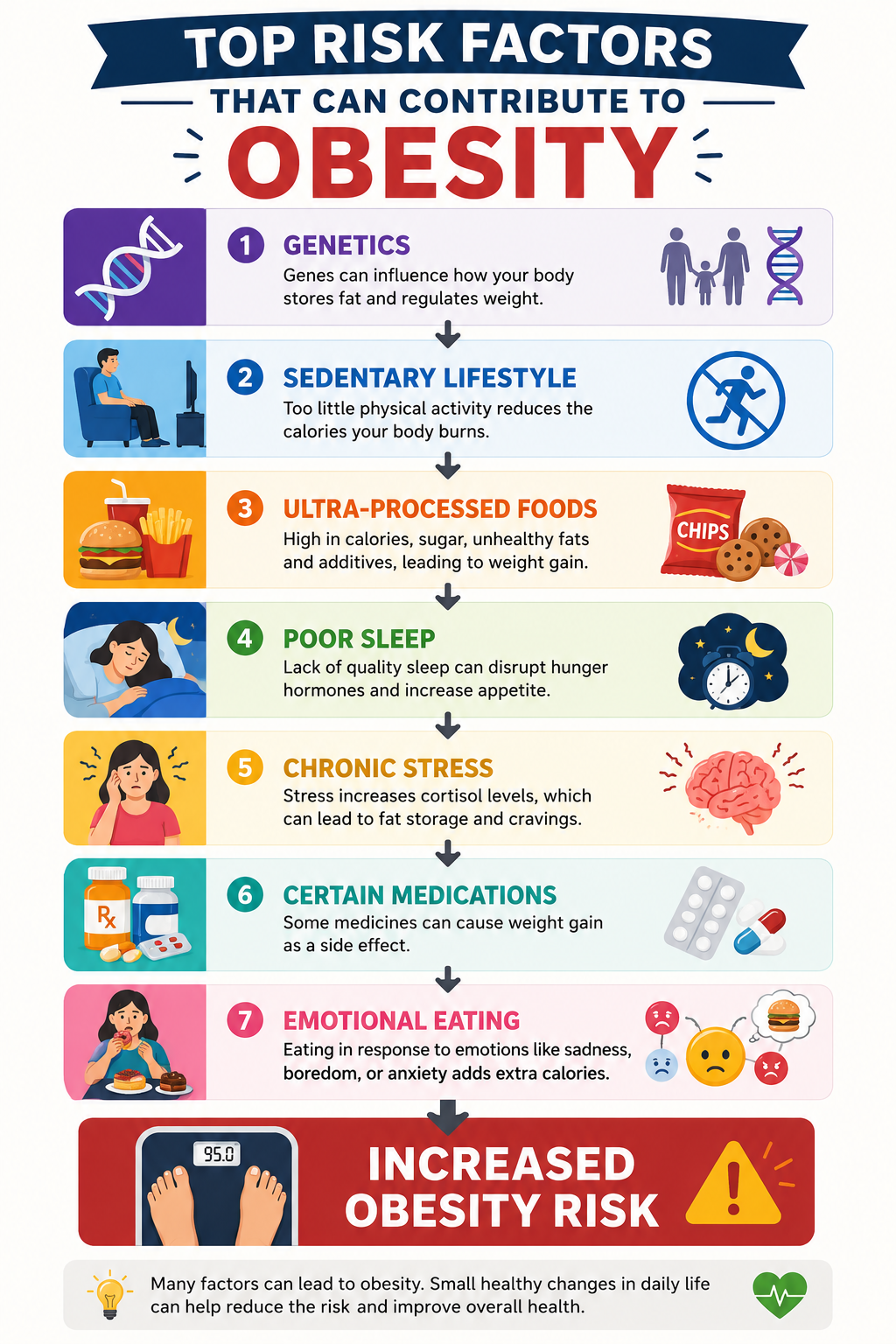
Risk Factors for Obesity
- Family history
- Sedentary lifestyle
- Ultra-processed foods
- Certain medications
- Hormonal disorders
- Poor sleep habits
- Chronic stress
- Emotional eating
(CDC Risk Factors for Obesity) (NICHD )
Statistical Data on Obesity
Obesity is a worldwide problem. (WHO Global Obesity Statistics)
Studies show:
• This condition can increase the risk of diabetes by up to 80%.
• People who are higher weight or have obesity are more likely to develop high blood pressure.
• The condition can increase cancer risk by 20–30%.
These numbers show the importance of understanding Obesity Causes.
Effect of Obesity
There are many reasons for it.
Most are related to lifestyle changes. (CDC Obesity Overview) (NICHD Causes of Obesity)
Common Causes
• Eating too much
• High-calorie food
• Lack of exercise
• Stress
• Poor sleep
• Genetics
Effects
• Low energy
• Fatigue
• Poor mobility
• Joint pain
Understanding these causes of obesity can help prevent problems.
Symptoms of Obesity
These symptoms cannot appear suddenly.
There are some signs.
Symptoms include:
• Weight gain
• Tiredness
• Shortness of breath
• Sweating more
• Difficulty moving
These symptoms can show the impact of obesity causes.
How Doctors Diagnose Obesity
Doctors may use:
- BMI
- Waist circumference
- Medical history
- Blood pressure checks
- Blood sugar testing
- Cholesterol testing
Consequences
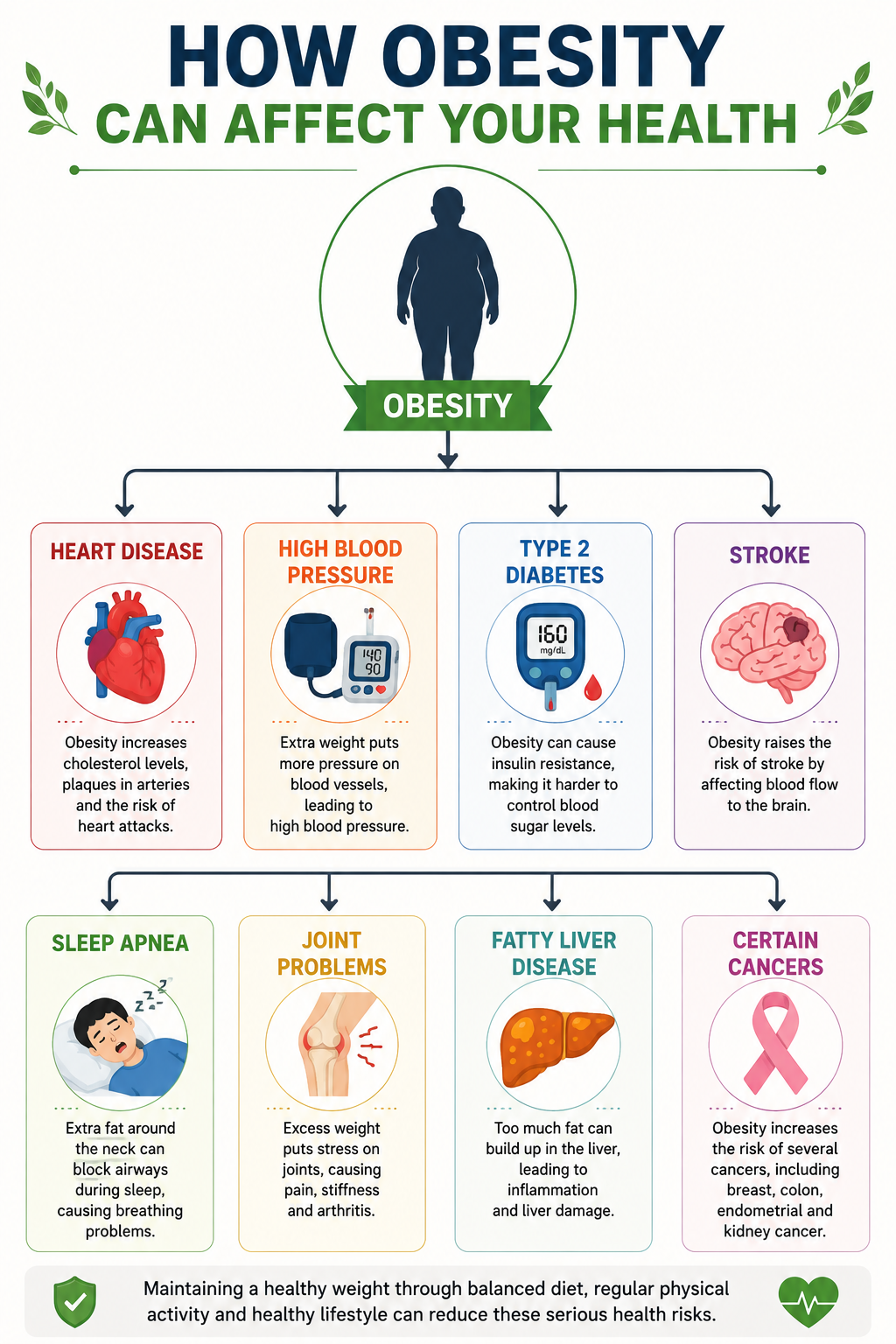
Obesity is associated with health risks.
These can include:
• Heart disease
• Diabetes
• Hypertension
• Stroke
• Liver disease
These consequences can affect life quality.
This is why it is important to understand the causes of obesity.
Obesity and Diabetes
This condition is a major cause of diabetes.
Extra fat can affect insulin function. (WHO Health Consequences of Obesity)
The body can’t control sugar levels.
Such conditions can lead to type 2 diabetes.
Statistical Insight
Obesity is responsible for about 80–90% of type 2 diabetes cases.
This study shows a strong link between obesity and diabetes.
Obesity and Hypertension
Obesity can increase blood pressure.
Extra fat can make the heart work harder. (CDC Adult Obesity Facts) (WHO )
Blood vessels become narrow.
These conditions can lead to hypertension.
Many doctors connect obesity with high blood pressure.
Breathing Problems
It affects breathing.
Extra weight puts pressure on the lungs.
It makes breathing difficult.
Example
Individuals with higher weight can always feel breathless when walking.
Some develop sleep apnea. (CDC Consequences of Obesity)
This condition is serious.
Understanding its causes helps prevent these issues.
Obesity and Cancer
Research shows it increases cancer risk. (WHO Health Consequences of Being )
Possible cancers include:
• Breast cancer
• Colon cancer
• Liver cancer
Fat tissue affects hormones.
These changes may lead to cancer growth.
Doctors always warn about obesity causes and cancer risk.
Treatment for Obesity: Healthy Diet
Treatment can focus on lifestyle changes. (NICHD Obesity Treatment Options)
1. Healthy Diet
Eat a balanced diet. (NICHD Healthy Eating Recommendations)
Include:
• Fruits
• Vegetables
• Whole grains
• Lean protein
You have to avoid junk food.
2. Exercise
Exercise will burn calories. (WHO Obesity Prevention Guidance)
Start with simple exercises. (NICHD Physical Activity Recommendations)
Examples:
• Cycling
• Jogging
• Walking
3. Medical Treatment
Doctors may suggest:
• Diet plans
• Surgery (in severe cases)
• Medicines
4. Behavioral Changes
Change everyday habits.
Eat slowly.
Avoid overeating.
These steps can help manage obesity causes.
Evidence-Based Treatment Options
- Lifestyle modification
- Medical nutrition therapy
- Prescription weight-loss medications
- Bariatric surgery for eligible patients
- Behavioral counseling
Home Remedies
Home remedies will support weight loss.
These are simple and natural.
1. Warm Lemon Water
Drink in the morning.
This drink can support metabolism.
2. Green Tea
This beverage can contain antioxidants.
It can help burn fat.
3. Honey and Warm Water
These may support digestion.
4. Drink More Water
Water will reduce hunger. ( NICHD)
This can help control eating.
5. Eat Fiber Foods
Fiber can keep you full longer.
Examples:
• Vegetables
• Oats
• Fruits
Healthy Lifestyle Habits That May Support Weight Management
- Drinking enough water
- Eating more vegetables
- Increasing physical activity
- Prioritizing sleep
- Managing stress
These remedies support control of obesity causes. (CDC Obesity Prevention Strategies) (WHO)
Obesity and Prevention
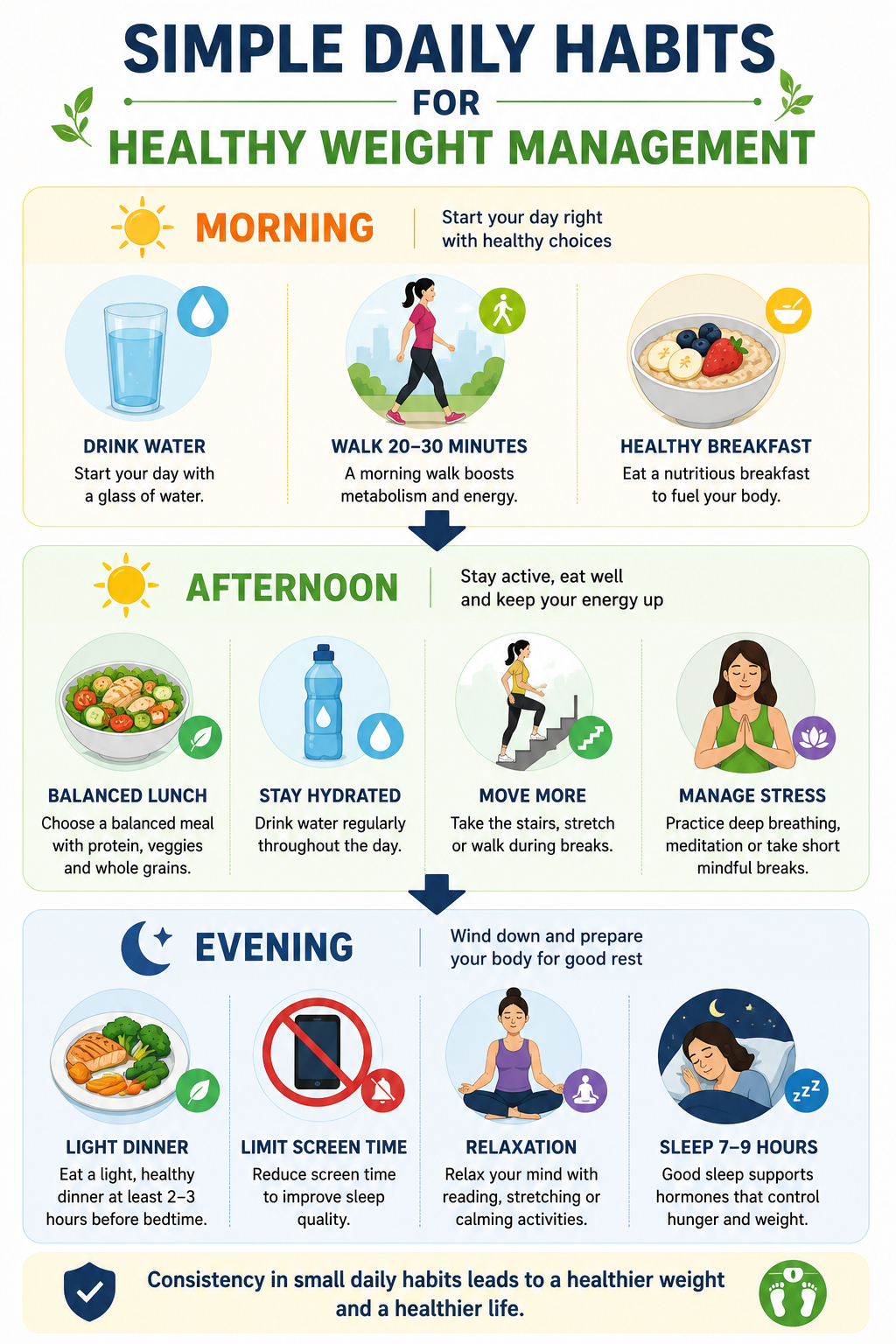
Prevention is easier than treatment.
Simple steps include:
• Exercise daily
• Eat healthy food
• Sleep well
• Manage stress
• Avoid junk food.
These steps may reduce the risk.
The Missing Angle Most People Ignore
Many individuals can think this condition is only about food.
But there are other factors.
Stress
Stress can lead to overeating.
Sleep
Poor sleep can increase hunger hormones.
Mental Health
Emotional eating is common.
Understanding these hidden obesity causes can help improve control.
Personal Insight
From my observation, the most significant problem is not food but habits.
Individuals can eat when bored.
People can eat when stressed.
Changing habits is the true solution.
Understanding the causes of obesity helps you build better habits.
Medical Disclaimer
This article is for educational purposes only and should not replace professional medical advice, diagnosis, or treatment. Consult a qualified healthcare professional for personalized guidance.
When to Seek Medical Advice
Consult a healthcare professional if:
- BMI is above 30
- Weight gain is rapid
- Breathing problems occur
- Diabetes symptoms appear
- High blood pressure develops
FAQ
1. What are the main causes of it?
Main causes include poor diet, lack of exercise, stress, and genetics.
2. Can it cause diabetes?
Yes. Obesity is a major cause of type 2 diabetes.
3. Can obesity cause high blood pressure?
Yes. It increases the risk of hypertension.
4. What are the symptoms of it?
Weight gain, fatigue, breathing problems, and low energy.
5. Can it cause cancer?
Yes. It increases the risk of several cancers.
6. How can it be treated?
Healthy diet, exercise, and lifestyle changes.
7. How can the condition be prevented?
Eat healthy, stay active, sleep well, and manage stress.
Conclusion
Obesity causes and treatment often relate to lifestyle habits, poor diet, lack of exercise, stress, and sleep problems.
Understanding these causes will help people take control of their health early.
This condition is common but preventable.
Small daily changes can lead to significant improvements.
Healthy eating, regular exercise, and positive habits are key.
When people understand obesity causes and treatment, they can prevent serious diseases like diabetes, hypertension, and cancer.
Trusted References
- World Health Organization (WHO) – Obesity
- National Institutes of Health (NIH)
- MedlinePlus – Obesity
- Mayo Clinic – Obesity
Related Content
- Life Expectancy With Fatty Liver Disease
- 12 Tips for A Healthy Lifestyle
- 7 Simple Health Changes to Reduce The Risk of Chronic Disease
- 9 Benefits Of Regular Exercise And Fitness
- From Coast to Coast: Embracing a Best Healthy Lifestyle in the USA










[…] Obesity Causes and Treatment: Symptoms, Risk Factors, Prevention, and Home Remedies […]
[…] Obesity Causes and Treatment: Symptoms, Risk Factors, Prevention, and Home Remedies […]
[…] Obesity Causes and Treatment: Symptoms, Risk Factors, Prevention, and Home Remedies […]
[…] Obesity Causes and Treatment: Symptoms, Risk Factors, Prevention, and Home Remedies […]
[…] Obesity Causes and Treatment: Symptoms, Risk Factors, Prevention, and Home Remedies […]
[…] Obesity Causes and Treatment: Symptoms, Risk Factors, Prevention, and Home Remedies […]
[…] Obesity Causes and Treatment: Symptoms, Risk Factors, Prevention, and Home Remedies […]
[…] Obesity Causes and Treatment: Symptoms, Risk Factors, Prevention, and Home Remedies […]
[…] Obesity Causes and Treatment: Symptoms, Risk Factors, Prevention, and Home Remedies […]
[…] Obesity Causes and Treatment: Symptoms, Risk Factors, Prevention, and Home Remedies […]