










































































































































Sleep Apnea Symptoms: 10 Hidden Warning Signs You Should Never Ignore
Author: RVLNSV PRASAD
Updated On: November 2026
About Us
Author Bio
Editorial Policy
Contact Us
Introduction
Do you wake up feeling exhausted even after spending seven or eight hours in bed? Do you experience morning headaches, a dry mouth, difficulty concentrating, or unexplained tiredness throughout the day? You might assume these problems are caused by stress, aging, dehydration, or a busy lifestyle. However, there could be another explanation that deserves attention.
Sleep apnea symptoms are not always easy to recognize. Some people experience loud snoring and noticeable breathing interruptions during sleep. Others have less obvious symptoms, such as repeated nighttime awakenings, morning headaches, poor concentration, and persistent fatigue.
Sleep apnea is a sleep-related breathing disorder in which breathing repeatedly stops or becomes reduced during sleep. These interruptions can disturb normal sleep and, in some cases, lower blood oxygen levels.
One reason this condition often goes undetected is that people are usually unaware of what happens while they are sleeping. A family member may notice unusual breathing patterns before the affected person recognizes a problem.
According to the National Heart, Lung, and Blood Institute (NHLBI), sleep apnea can cause breathing interruptions, daytime tiredness, dry mouth, headaches, and frequent nighttime urination.
The condition also deserves attention because untreated obstructive sleep apnea is associated with high blood pressure, cardiovascular problems, and impaired daytime functioning.
The encouraging news is that sleep apnea can be diagnosed and treated. Recognizing the warning signs is an important first step.
This guide explains 10 commonly overlooked sleep apnea symptoms, why they happen, how to recognize subtle patterns, and what you can do to seek appropriate medical care.
Quick Answer: What Are the Most Common Sleep Apnea Symptoms?
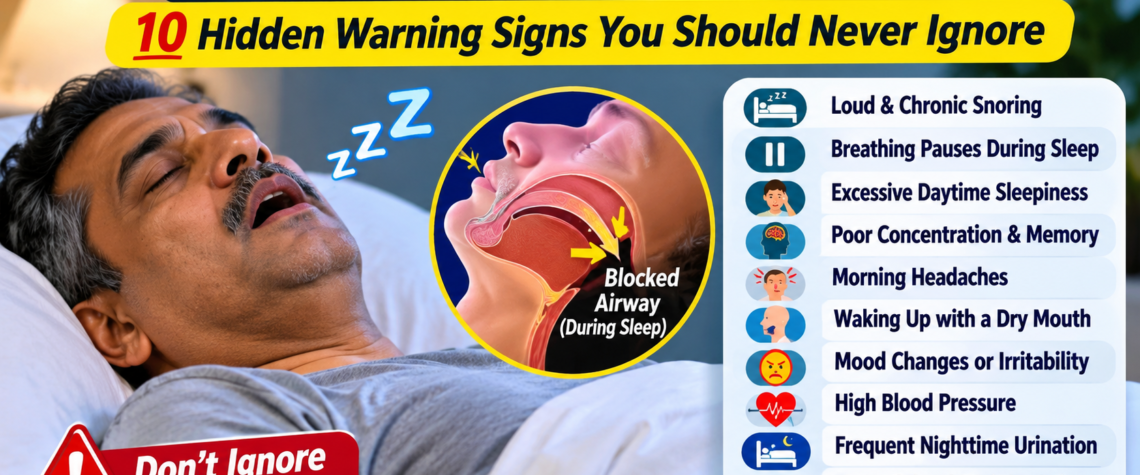
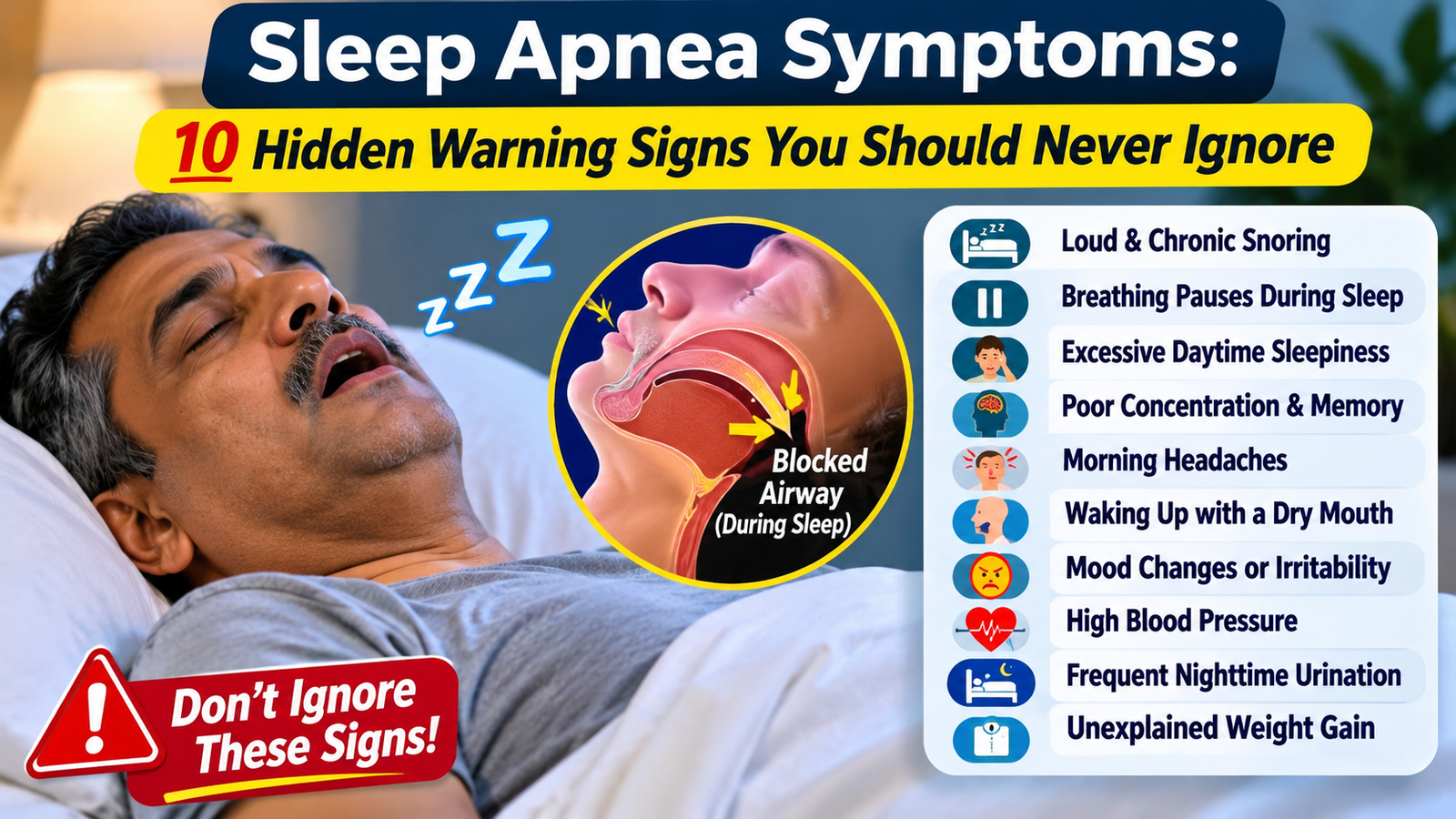
Sleep apnea symptoms include loud snoring, breathing pauses during sleep, waking up gasping, morning headaches, dry mouth, excessive daytime sleepiness, frequent nighttime urination, difficulty concentrating, mood changes, and unrefreshing sleep.
Not everyone experiences all these symptoms. Some people, particularly women, may experience fatigue, insomnia, headaches, or mood changes without obvious loud snoring.
If you regularly experience several of these symptoms, consult a healthcare professional about whether a sleep study is appropriate.
Key Takeaways
- Sleep apnea can occur without noticeable loud snoring.
- Morning headaches and dry mouth can be overlooked warning signs.
- Repeated nighttime awakenings may indicate disrupted breathing.
- Women may experience fatigue, insomnia, and headaches rather than classic snoring symptoms.
- Excessive daytime sleepiness can affect driving, concentration, and everyday safety.
- Home sleep tests and laboratory sleep studies help diagnose sleep apnea.
- Lifestyle improvements can support treatment but do not replace prescribed medical care.
- Effective treatment can improve sleep quality and daytime functioning.
What Is Silent Sleep Apnea?
Silent sleep apnea is an informal expression used to describe sleep apnea that does not produce obvious or easily recognized symptoms, particularly loud snoring.
It is not a separate medical diagnosis.
The most common form in adults is obstructive sleep apnea (OSA). It occurs when the muscles supporting the throat relax during sleep, narrowing or temporarily blocking the upper airway.
When airflow becomes restricted, the brain may briefly trigger an awakening response to restore normal breathing. These events can happen repeatedly throughout the night.
There are three main types of sleep apnea:
| Type | What happens |
|---|---|
| Obstructive sleep apnea | The upper airway becomes partially or completely blocked during sleep. |
| Central sleep apnea | The brain temporarily fails to send appropriate signals to the breathing muscles. |
| Complex or treatment-emergent sleep apnea | Central breathing interruptions emerge or persist during treatment of obstructive sleep apnea. |
For this article, the main focus is obstructive sleep apnea because it is the most common form.
Read more from the National Institute of Neurological Disorders and Stroke.
Sleep Apnea Symptoms: 10 Hidden Warning Signs You May Miss
Some symptoms are noticeable during sleep, while others appear after waking up. Understanding both types can help people recognize when professional evaluation may be necessary.
1. Waking Up With a Headache
Do you frequently wake up with a headache even when you went to bed feeling perfectly fine?
Morning headaches can have several causes, including poor sleep, dehydration, medication effects, and sleep-related breathing problems.
In some people with obstructive sleep apnea, repeated breathing interruptions and changes in oxygen and carbon dioxide levels may contribute to morning headaches.
These headaches may feel like pressure around the forehead or both sides of the head. They often improve as the morning progresses.
What makes this symptom easy to miss?
People frequently blame morning headaches on dehydration, screen exposure, or sleeping in an uncomfortable position.
However, recurring morning headaches combined with daytime tiredness, snoring, or nighttime awakenings deserve medical attention.
A useful observation: Record when your headaches occur, how long they last, and whether you also wake up with a dry mouth or feel unusually tired.
Do not assume that every morning headache indicates sleep apnea. Persistent or severe headaches require appropriate medical assessment.
Reference: Sleep apnea symptoms – NHLBI.
2. Persistent Daytime Tiredness Despite Adequate Sleep
This is one of the most important warning signs.
You may spend eight hours in bed but still feel exhausted after waking up. You might struggle to remain alert during meetings, reading, watching television, or travelling.
The problem is not necessarily the number of hours you sleep. It may be the quality of your sleep.
Repeated breathing interruptions can cause brief awakenings that prevent normal, uninterrupted sleep.
You may not remember these awakenings because many last only a short time.
Common experiences include:
- Feeling sleepy shortly after breakfast.
- Needing frequent daytime naps.
- Losing concentration during routine activities.
- Feeling exhausted despite adequate time in bed.
- Struggling to remain alert while travelling.
A practical insight: Instead of recording only how many hours you sleep, observe how refreshed you feel after waking.
If persistent daytime sleepiness occurs alongside snoring or breathing interruptions, discuss sleep apnea testing with your doctor.
The FDA explains how repeated breathing interruptions can contribute to morning exhaustion.
3. Waking Up With a Dry Mouth or Sore Throat
A dry mouth in the morning is another easily overlooked symptom.
Some people wake up with a sticky feeling in the mouth, a dry tongue, bad breath, or throat irritation.
This may happen because they breathe through their mouths while sleeping.
Nasal congestion and obstructed breathing can contribute to mouth breathing. However, dry mouth alone does not establish a sleep apnea diagnosis.
What should you observe?
Notice whether morning dryness occurs together with:
- Loud or unusual snoring.
- Frequent nighttime awakenings.
- A dry or irritated throat.
- Morning headaches.
- Unrefreshing sleep.
If nasal congestion is persistent, discuss its cause with a healthcare professional.
Simple measures such as appropriate hydration and managing diagnosed nasal allergies may improve comfort. They do not treat an obstructed airway during sleep.
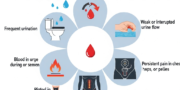
4. Frequent Nighttime Urination
Do you wake up two or three times every night to use the bathroom?
Frequent nighttime urination is called nocturia.
Although it is commonly associated with aging, diabetes, prostate enlargement, bladder problems, and certain medications, it can also occur in people with obstructive sleep apnea.
Repeated breathing interruptions can change pressure inside the chest and influence the release of hormones involved in fluid regulation. This may increase nighttime urine production.
There is another possible explanation: repeated awakenings may simply make you more aware of the need to urinate.
A practical observation that many people overlook:
Record whether you wake up because you first feel the need to urinate or whether you wake suddenly for another reason and then decide to visit the bathroom.
This distinction cannot diagnose sleep apnea, but it can help your doctor understand your nighttime pattern.
| Nighttime observation | Possible explanation |
|---|---|
| Frequent urination with loud snoring | Sleep apnea deserves consideration. |
| Urination with excessive thirst | Diabetes or other conditions may need evaluation. |
| Weak urine stream in older men | Prostate-related problems may be involved. |
| Frequent awakenings without urination | Insomnia or other sleep disturbances may be responsible. |
Reference: NHLBI – Sleep apnea symptoms.
5. Difficulty Concentrating and Forgetfulness
Have you ever forgotten a simple task, struggled to follow a conversation, or found it difficult to concentrate even after a full night’s sleep?
Sleep apnea can interfere with normal sleep continuity.
When sleep is repeatedly interrupted, the brain may not receive the uninterrupted rest needed for optimal attention, memory, and mental performance.
Possible daytime problems include
- Difficulty remembering recently learned information.
- Reduced attention during conversations.
- Trouble completing familiar tasks.
- Slower reactions.
- Feeling mentally exhausted.
These symptoms are sometimes mistaken for normal aging or everyday stress.
However, persistent cognitive difficulties should not automatically be attributed to sleep apnea. Several medical and psychological conditions can produce similar problems.
A useful reader insight: Pay attention to whether concentration problems are worse after nights when you sleep poorly. Also ask a family member whether they have noticed unusual breathing or snoring.
Reference: American Heart Association – Understanding obstructive sleep apnea.
6. Waking Up Suddenly With a Racing Heart
Some people with sleep apnea experience sudden awakenings accompanied by a pounding heartbeat or a feeling of alarm.
This can happen when a breathing interruption triggers the body’s arousal response. The nervous system may temporarily increase heart rate and blood pressure.
You might experience:
- A sudden sensation of your heart beating rapidly.
- Waking up feeling frightened.
- An unusual need to take a deep breath.
- Sweating after an unexpected awakening.
- Difficulty returning to sleep.
However, palpitations have many possible causes, including abnormal heart rhythms, anxiety, medication effects, and thyroid problems.
Do not assume that nighttime palpitations are caused by sleep apnea.
Seek medical assessment, particularly if they are recurrent. Chest pain, fainting, severe breathlessness, or palpitations accompanied by dizziness require urgent medical attention.
Reference: American Heart Association – Obstructive sleep apnea.
7. Mood Changes, Irritability, or Unexplained Anxiety
Sleep quality affects emotional regulation.
When sleep becomes repeatedly interrupted, some people experience irritability, reduced patience, low motivation, or difficulty managing everyday stress.
You may notice that minor problems seem more frustrating than usual.
Other possible experiences include:
- Feeling unusually impatient.
- Losing interest in normal activities.
- Experiencing mood fluctuations.
- Feeling mentally overwhelmed.
- Having difficulty managing daily responsibilities.
Women with sleep apnea may report insomnia, headaches, fatigue, depression, or anxiety rather than obvious classic symptoms.
This difference can contribute to delayed recognition.
However, mood changes are not specific to sleep apnea. Persistent anxiety, depression, or other mental health symptoms deserve appropriate professional support.
Reference: NIH – Sleep apnea and symptoms.
8. Waking Up Gasping, Choking, or Taking a Deep Breath
This is a more recognizable warning sign.
A person with obstructive sleep apnea may experience repeated episodes in which airflow becomes restricted during sleep.
When breathing resumes, they may make a choking, gasping, snorting, or deep-breathing sound.
A family member may notice these events before the affected person becomes aware of them.
What makes this symptom important?
Repeated episodes of gasping or choking during sleep should not be dismissed as ordinary snoring.
They deserve medical evaluation, particularly when accompanied by excessive daytime sleepiness or observed breathing pauses.
A person sleeping alone may never notice these events. This is one reason sleep apnea can remain undiagnosed.
Reference: FDA – Always tired? You may have sleep apnea.
9. Restless Sleep and Frequent Nighttime Awakenings
Do you frequently change sleeping positions, wake up several times, or feel that you never sleep deeply?
Sleep apnea can cause repeated arousals throughout the night.
Some people remember waking up, while others only notice the consequences the next morning.
Possible signs include
- Repeatedly changing sleeping positions.
- Waking up several times without a clear reason.
- Difficulty returning to sleep.
- Feeling unrefreshed in the morning.
- Experiencing a combination of insomnia and daytime fatigue.
This symptom is especially important because people sometimes seek treatment only for insomnia without realizing that an underlying breathing disorder may be contributing to the problem.
A useful distinction: Ordinary insomnia involves difficulty falling asleep, staying asleep, or waking too early. Sleep apnea can also produce repeated awakenings, but the underlying breathing interruptions require separate assessment.
Both conditions can occur together.
Reference: American Academy of Sleep Medicine – Diagnostic testing guidelines.
10. Reduced Energy, Physical Performance, and Sexual Interest
Poor sleep can affect more than morning freshness.
Some people with untreated sleep apnea report reduced energy, decreased motivation, and difficulty maintaining their usual physical activity.
Sexual dysfunction or reduced libido can also occur.
Several factors may contribute, including disrupted sleep, daytime fatigue, mood changes, and associated health conditions.
However, these symptoms are not specific to sleep apnea. Diabetes, cardiovascular disease, hormonal problems, stress, and certain medications can also affect energy and sexual health.
What should you do?
If unexplained tiredness or reduced sexual interest occurs alongside other sleep apnea warning signs, discuss the complete symptom pattern with your healthcare professional.
Do not rely on supplements marketed as energy boosters to solve persistent unexplained fatigue.
Reference: NHLBI – Sleep apnea symptoms.
Sleep Apnea Symptoms in Women: Why They Can Be Different
Sleep apnea is often associated with loud snoring and obesity. However, this picture does not describe everyone.
Women may experience less obvious symptoms, making the condition easier to overlook.
Commonly reported symptoms in women include:
- Persistent fatigue.
- Morning headaches.
- Insomnia or difficulty staying asleep.
- Mood changes.
- Anxiety or depression.
- Poor concentration.
- Unrefreshing sleep.
Hormonal changes during menopause may also influence sleep apnea risk.
Women experiencing menopause may develop changes in upper-airway muscle function, body-fat distribution, and sleep patterns.
Important: Women should not wait until someone notices loud snoring before discussing possible sleep apnea with a healthcare professional.
Reference: NIH – Sleep apnea.
Sleep Apnea Symptoms in Men
Men more commonly report the traditional symptoms associated with obstructive sleep apnea.
These include:
- Loud habitual snoring.
- Observed breathing pauses.
- Waking up gasping.
- Excessive daytime sleepiness.
- Morning headaches.
- Reduced concentration.
- Nighttime urination.
However, symptoms vary considerably between individuals. Not every man with sleep apnea snores loudly, and not every person who snores has sleep apnea.
A Comparison of Common and Overlooked Sleep Apnea Symptoms
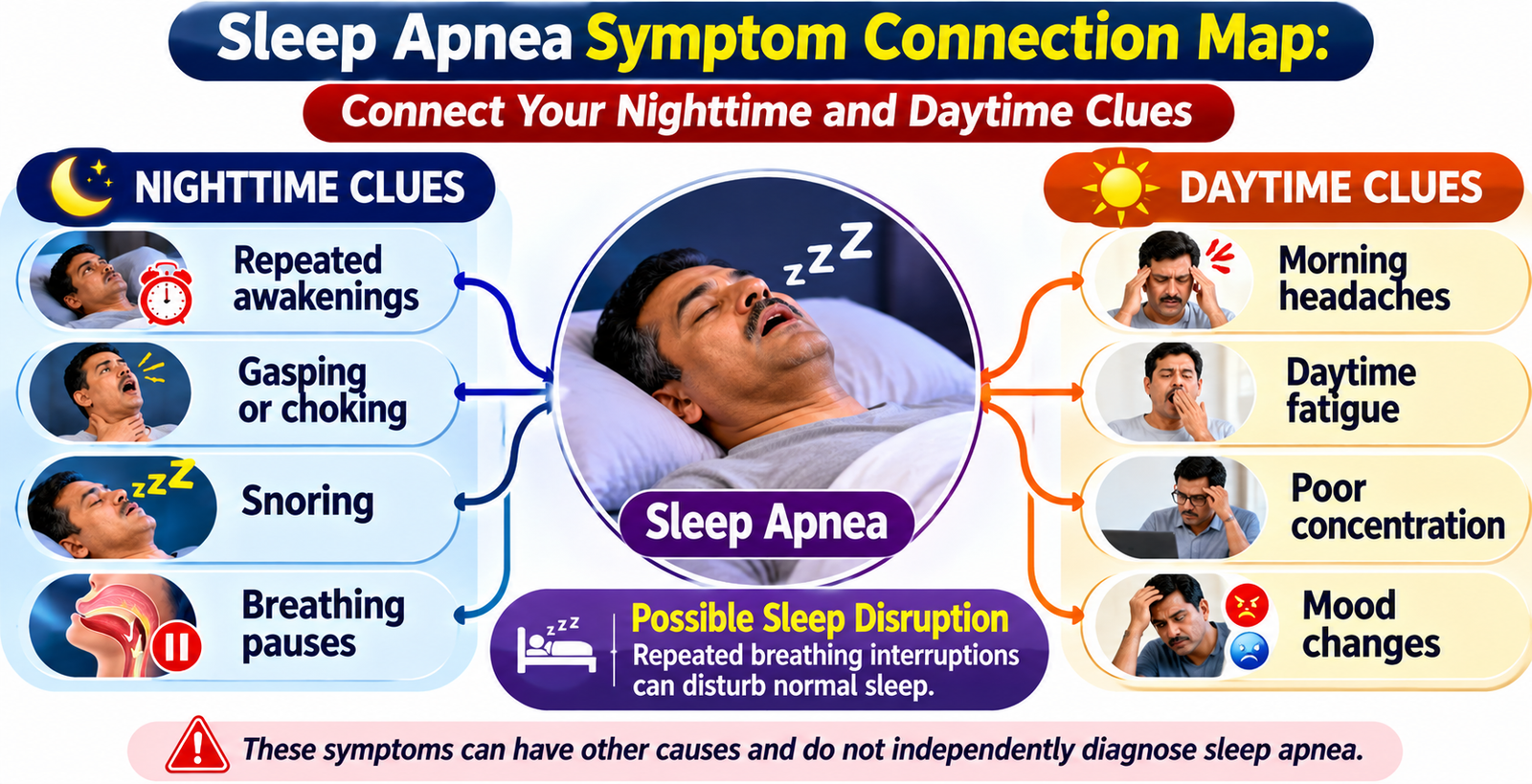
The following table can help readers understand why sleep apnea is sometimes missed.
| More noticeable signs | Less obvious signs |
|---|---|
| Loud snoring | Morning headaches |
| Breathing pauses | Unexplained fatigue |
| Gasping during sleep | Dry mouth |
| Choking sounds | Frequent urination |
| Restless sleep | Poor concentration |
| Excessive daytime sleepiness | Mood changes |
These symptoms are clues, not diagnostic criteria.
Why Can Sleep Apnea Go Undetected for Years?
There are several reasons why people may not recognize sleep apnea.
1. The person is asleep during the breathing interruptions.
Most people cannot directly observe their own breathing patterns while sleeping.
2. Symptoms develop gradually.
Daytime tiredness and poor concentration may become part of everyday life, making them seem normal.
3. People blame other health problems.
Morning headaches may be attributed to dehydration, while fatigue may be blamed on aging or stress.
4. Not everyone snores loudly.
Some people have sleep apnea without the classic loud-snoring pattern.
5. People sleep alone.
Without a bed partner, breathing interruptions may remain unnoticed.
6. Other sleep conditions may coexist.
Insomnia, restless legs syndrome, and other sleep disorders can complicate the symptom picture.
What Causes Sleep Apnea?
Obstructive sleep apnea develops when the upper airway becomes narrowed or blocked during sleep.
Several factors can increase the risk.
| Risk factor | How it may contribute |
|---|---|
| Excess body weight | Fat deposits around the neck and upper airway can increase airway narrowing. |
| Older age | Changes in airway muscle function and body structure can increase risk. |
| Family history | Inherited airway and facial characteristics may influence susceptibility. |
| Large tonsils | Enlarged tonsils can reduce airway space. |
| Nasal obstruction | Chronic congestion may make comfortable breathing more difficult. |
| Alcohol consumption | Alcohol can relax airway muscles and worsen breathing interruptions. |
| Smoking | Smoking can contribute to inflammation and upper-airway problems. |
| Certain medications | Sedating medicines may affect breathing and sleep in some people. |
Importantly, sleep apnea can affect people who are not higher weight.
Airway anatomy, jaw structure, tongue size, and other individual characteristics also matter.
Read more from the American Heart Association.
A Less Discussed but Useful Approach: Create a Sleep Apnea Observation Diary
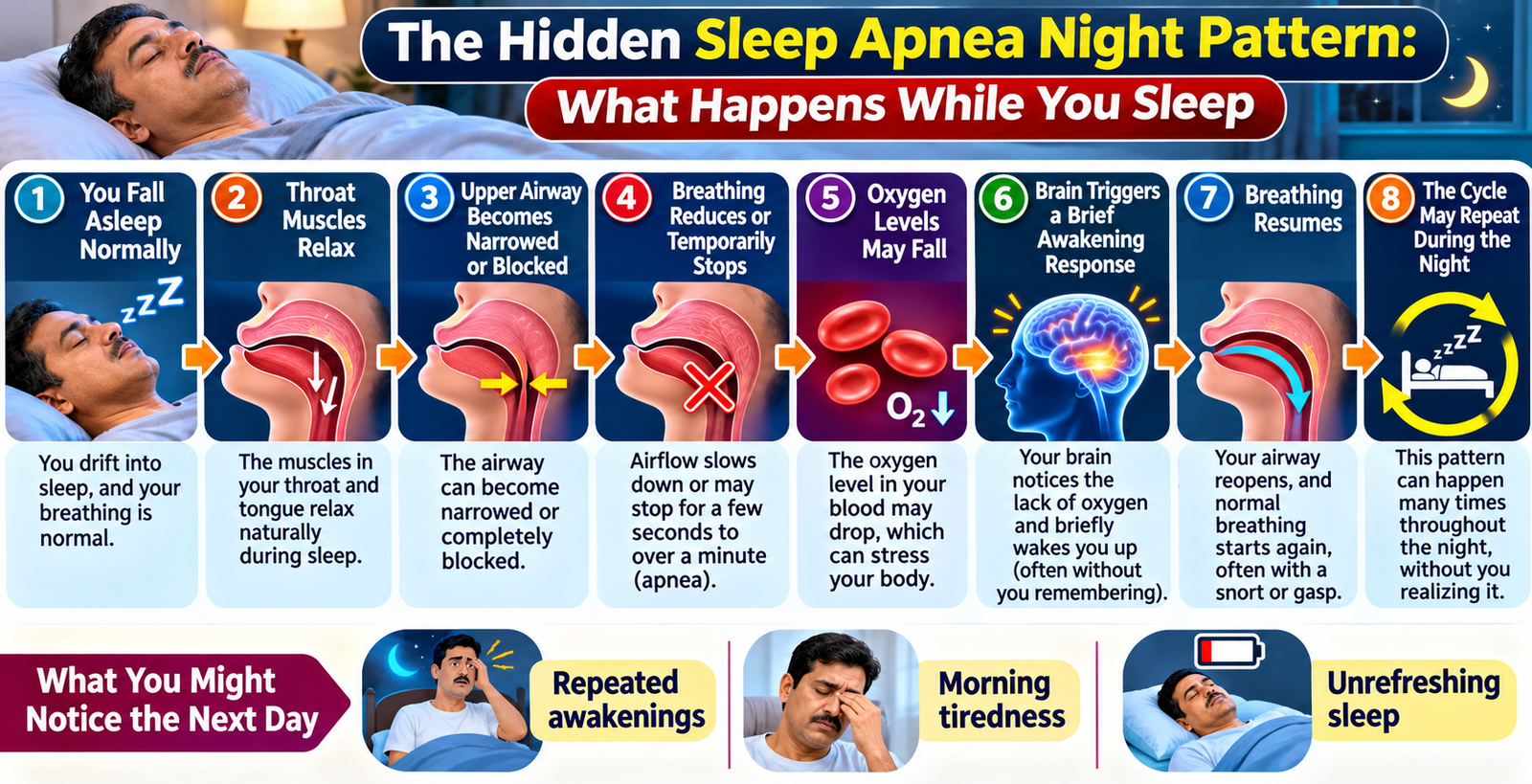
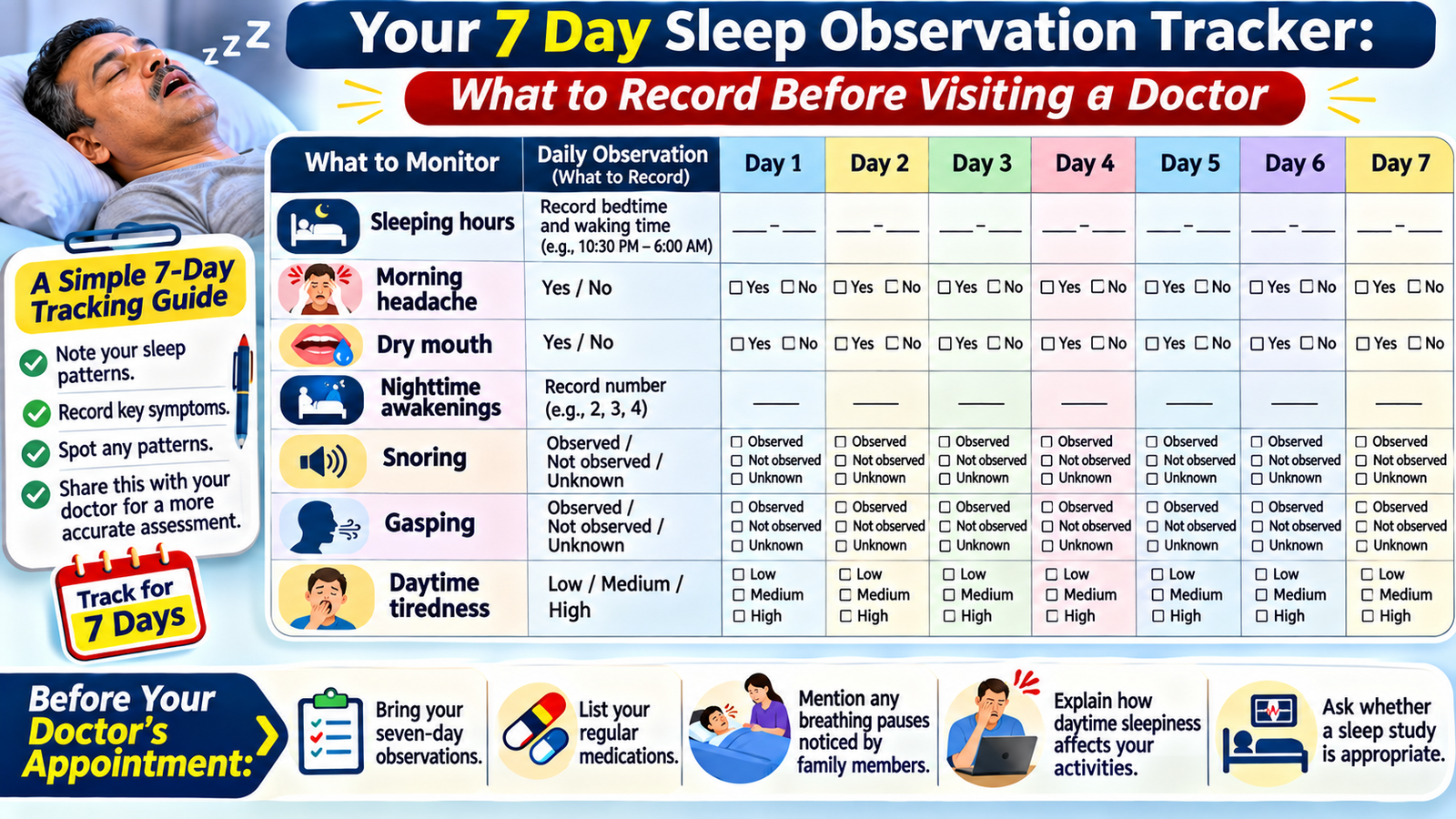
One practical step readers can take before visiting a doctor is to maintain a simple sleep observation diary.
This is not a diagnostic test. It is a way to organize information that might otherwise be forgotten during a medical appointment.
Instead of writing only whether you slept well, record a few specific observations.
| What to record | Example |
|---|---|
| Bedtime | 10:30 PM |
| Wake-up time | 6:30 AM |
| Morning freshness | Very tired |
| Morning headache | Yes or no |
| Dry mouth | Yes or no |
| Nighttime urination | Number of times |
| Snoring | Reported by family member |
| Gasping or choking | Observed or reported |
| Daytime sleepiness | Mild, moderate, or severe |
Maintain this diary for approximately one to two weeks if possible.
Ask a family member whether they notice repeated snoring, breathing pauses, or gasping.
Why is this useful?
A collection of observations can provide a clearer picture than simply telling a doctor, “I am not sleeping properly.”
It can help identify recurring patterns and guide the clinical discussion.
Do not delay medical assessment just to complete a diary if you already have concerning symptoms.
Can You Recognize Sleep Apnea Without Snoring?
Yes. Sleep apnea can occur without obvious loud snoring.
Snoring is common in obstructive sleep apnea, but it is not essential for every diagnosis.
Some people experience:
- Persistent daytime tiredness.
- Frequent nighttime awakenings.
- Morning headaches.
- Dry mouth.
- Poor concentration.
- Unrefreshing sleep.
- Observed breathing interruptions without prominent snoring.
This is particularly relevant for women and people who sleep alone.
If you experience several of these symptoms, ask your healthcare professional whether sleep apnea evaluation is appropriate.
How Is Sleep Apnea Diagnosed?
Symptoms alone cannot confirm sleep apnea.
A healthcare professional will review your medical history, symptoms, physical examination findings, and risk factors.
If sleep apnea is suspected, objective sleep testing may be recommended.
1. Home Sleep Apnea Testing
A home sleep apnea test allows selected patients to undergo testing in their own homes.
Depending on the device, it may measure:
- Breathing airflow.
- Breathing effort.
- Blood oxygen levels.
- Heart rate.
It is generally suitable for selected adults with an increased likelihood of moderate-to-severe obstructive sleep apnea and without certain complicating medical conditions.
2. Polysomnography (Sleep Study)
Polysomnography is a comprehensive overnight sleep study, usually conducted in a sleep laboratory.
It can measure several body functions, including:
- Brain activity.
- Eye movements.
- Muscle activity.
- Breathing patterns.
- Blood oxygen levels.
- Heart rate.
- Body position.
It helps clinicians assess breathing interruptions and other sleep-related problems.
What Is the Apnea-Hypopnea Index?
The apnea-hypopnea index (AHI) measures the average number of breathing interruptions and reductions in breathing per hour of sleep.
| AHI per hour | Classification |
|---|---|
| Fewer than 5 | Generally within the normal range |
| 5 to fewer than 15 | Mild sleep apnea |
| 15 to 30 | Moderate sleep apnea |
| More than 30 | Severe sleep apnea |
AHI is only one part of the clinical picture. Doctors also consider symptoms, oxygen levels, medical history, and other findings.
Important testing information: A negative home sleep apnea test does not always exclude sleep apnea. If clinical suspicion remains high, a doctor may recommend an in-laboratory sleep study.
The American Academy of Sleep Medicine diagnostic guideline explains the appropriate use of home testing and polysomnography.
Latest Research Developments in Sleep Apnea: What Readers Should Know
Research into obstructive sleep apnea is moving beyond traditional approaches. Scientists are investigating more individualized treatments, better risk assessment, and new ways to reduce breathing interruptions.
Here are some important developments.
1. Tirzepatide: An Important Development in Sleep Apnea Treatment
One of the most important recent developments is the use of tirzepatide in selected adults with obesity and moderate-to-severe obstructive sleep apnea.
In December 2024, the US Food and Drug Administration approved Zepbound (tirzepatide) for treating moderate-to-severe obstructive sleep apnea in adults with obesity, alongside reduced-calorie eating and increased physical activity.
The approval followed the SURMOUNT-OSA clinical trials.
The research, published in the New England Journal of Medicine, involved 469 adults with obesity and moderate-to-severe sleep apnea.
After 52 weeks, tirzepatide produced significantly greater reductions in the apnea-hypopnea index than placebo.
The researchers also observed improvements in body weight, blood pressure, oxygen-related measures, and sleep-related quality of life.
Read the original research: Tirzepatide for the Treatment of Obstructive Sleep Apnea and Obesity—New England Journal of Medicine.
Read the regulatory announcement: FDA Approves First Medication for Obstructive Sleep Apnea.
What does this mean for readers?
This development offers an additional treatment option for a specific group of patients. It does not mean that everyone with sleep apnea should take weight-loss medication.
Tirzepatide is a prescription medicine with potential adverse effects and important safety considerations. It requires individual medical assessment.
It is also not a replacement for prescribed CPAP therapy without a doctor’s guidance.
2. More Individualized Sleep Apnea Treatment
Another important research direction is understanding why sleep apnea develops differently between individuals.
Researchers are examining factors such as:
- Upper-airway anatomy.
- Airway muscle responsiveness.
- Respiratory control stability.
- The threshold at which the brain triggers an awakening.
- Body-fat distribution.
These differences may help clinicians identify which treatments are most suitable for particular patients.
This approach is important because two people with similar AHI scores may have different symptoms and treatment needs.
3. Consumer Wearables and Artificial Intelligence
Smartwatches, sleep trackers, and other consumer devices are becoming more sophisticated.
Some devices can record movement, heart rate, oxygen saturation, and other sleep-related measurements.
Emerging research is exploring whether artificial intelligence can help identify patterns associated with sleep-disordered breathing.
However, these devices should not be considered diagnostic replacements for medical sleep testing.
A normal-looking smartwatch report does not rule out sleep apnea.
Reader takeaway: Wearables may help you notice patterns worth discussing with a doctor, but a proper diagnosis requires appropriate clinical evaluation.
4. Better Assessment of Oxygen-Related Sleep Apnea Risk
Researchers are increasingly interested in measuring the effects of repeated oxygen reductions during sleep rather than relying only on the number of breathing events.
One area of interest is hypoxic burden, which considers the depth and duration of oxygen reductions associated with breathing interruptions.
This may provide additional information about the physiological impact of sleep apnea.
However, it is not a replacement for established clinical assessment, and its role in routine individual treatment decisions continues to develop.
Easy Daily Habits That May Help Support Better Sleep
There is no home remedy that reliably cures obstructive sleep apnea. However, certain lifestyle changes can support overall sleep health and may reduce symptoms in some people.
These measures should complement, not replace, appropriate treatment.
1. Try Side Sleeping if Your Symptoms Are Worse on Your Back
Some people experience more airway obstruction when sleeping on their backs.
Side sleeping may help reduce breathing interruptions in people with positional obstructive sleep apnea.
A supportive body pillow can make side sleeping more comfortable.
However, positional therapy is not equally effective for everyone.
2. Maintain a Consistent Sleep Schedule
Going to bed and waking up at approximately the same time each day supports a regular sleep routine.
Aim for sufficient sleep and avoid repeatedly changing your bedtime.
This will not remove airway obstruction, but it may improve general sleep quality.
3. Avoid Alcohol Close to Bedtime
Alcohol can relax the muscles supporting the upper airway.
For some people, drinking alcohol in the evening can worsen snoring and obstructive sleep apnea.
Avoiding alcohol near bedtime may be helpful.
4. Manage Nasal Congestion
Allergies and chronic nasal obstruction can make breathing through the nose difficult.
Depending on the cause, appropriate treatment may include saline nasal rinses, allergy management, or prescribed medication.
Consult a healthcare professional if nasal congestion persists.
5. Work Toward a Healthy Body Weight
For people with excess body weight, gradual and sustainable weight reduction may improve obstructive sleep apnea severity.
Focus on practical habits:
- Eat balanced meals.
- Include vegetables and adequate protein.
- Reduce frequent consumption of highly processed foods.
- Maintain regular physical activity.
- Avoid crash diets.
Weight management is not a substitute for sleep apnea treatment, and people with sleep apnea who are not higher weight may still need medical treatment.
6. Avoid Unsupervised Sleeping Pills
Some sleeping medications and sedatives may worsen breathing problems in susceptible people.
Never stop prescribed medication independently. Discuss your sleep problems and medication list with your doctor.
The NHS sleep apnea guidance provides additional practical lifestyle advice.
Common Sleep Apnea Mistakes People Should Avoid
Many people unintentionally delay diagnosis because they misunderstand the symptoms.
| Common mistake | Better approach |
|---|---|
| Assuming snoring is harmless | Discuss loud habitual snoring with other symptoms. |
| Thinking only higher weight people develop sleep apnea | Remember that airway anatomy also matters. |
| Ignoring morning headaches | Record recurring symptoms and discuss them with a doctor. |
| Assuming eight hours in bed guarantees good sleep | Consider sleep quality and daytime alertness. |
| Relying only on smartwatch readings | Obtain appropriate medical testing when indicated. |
| Using sleeping pills without advice | Review medicines with a healthcare professional. |
| Trying home remedies instead of treatment | Follow a medically appropriate treatment plan. |
| Stopping CPAP when symptoms improve | Discuss treatment changes and follow-up testing with your doctor. |
How Is Sleep Apnea Treated?
Treatment depends on the severity of the condition, symptoms, airway anatomy, other medical problems, and individual preferences.
CPAP Therapy
Continuous positive airway pressure (CPAP) is a widely used treatment for obstructive sleep apnea.
The device delivers pressurized air through a mask to help keep the airway open during sleep.
Many people experience improvements in snoring, breathing interruptions, and daytime sleepiness when they use CPAP consistently.
Oral Appliances
Some people may benefit from a custom-made oral appliance.
These devices are designed to reposition the lower jaw or tongue to help maintain airway space.
They may be appropriate for selected patients, including some people who cannot tolerate CPAP.
A qualified dental sleep medicine professional should assess and fit the device.
Weight Management
For people with excess weight, structured weight management can help reduce sleep apnea severity.
In some cases, medical weight-management treatment may be appropriate.
Positional Therapy
People whose sleep apnea is significantly worse when sleeping on their backs may benefit from positional therapy.
A doctor can help determine whether this approach is suitable.
Surgery
Selected patients may benefit from surgical procedures that address anatomical problems contributing to airway obstruction.
Surgery is not appropriate for everyone and requires careful evaluation.
For additional information, visit the American Academy of Sleep Medicine.
When Should You See a Doctor?
Do not ignore repeated sleep-related breathing problems.
Arrange a medical appointment if you experience:
- Loud, persistent snoring.
- Observed breathing pauses.
- Repeated gasping or choking during sleep.
- Excessive daytime sleepiness.
- Persistent morning headaches.
- Unrefreshing sleep despite adequate time in bed.
- Frequent nighttime awakenings with other sleep apnea symptoms.
- Unexplained concentration or memory difficulties.
If you experience severe daytime sleepiness, avoid driving or operating machinery until you have been medically assessed and can do so safely.
Seek urgent medical care for chest pain, fainting, severe breathing difficulty, or other acute concerning symptoms.
Frequently Asked Questions About Sleep Apnea Symptoms
1. What are the first warning signs of sleep apnea?
Early warning signs may include loud snoring, morning headaches, dry mouth, daytime fatigue, frequent nighttime awakenings, and waking up gasping for air.
Some people experience these symptoms gradually.
2. Can you have sleep apnea without snoring?
Yes. Although snoring is common in obstructive sleep apnea, it is not present or noticeable in every person.
People may experience fatigue, insomnia, morning headaches, and difficulty concentrating without obvious loud snoring.
3. Can sleep apnea cause headaches every morning?
It can contribute to morning headaches in some people. However, recurring headaches have many possible causes and require appropriate assessment.
4. What are the symptoms of sleep apnea in women?
Women may experience persistent fatigue, insomnia, morning headaches, mood changes, anxiety, and difficulty concentrating.
Loud snoring may be less noticeable.
5. Can sleep apnea cause frequent urination at night?
Yes. Obstructive sleep apnea may contribute to nighttime urination through physiological changes associated with breathing interruptions.
However, diabetes, prostate problems, bladder conditions, and other causes should also be considered.
6. Can sleep apnea occur in people with normal body weight?
Yes. Excess body weight is an important risk factor, but airway anatomy, jaw structure, tonsil size, and other factors can contribute to sleep apnea in people of any body size.
7. Is sleep apnea dangerous if left untreated?
Untreated obstructive sleep apnea can increase the risk of several health problems, including high blood pressure, cardiovascular disease, and impaired daytime alertness.
It can also increase accident risk when excessive sleepiness affects driving.
8. Can sleeping on your side reduce sleep apnea?
Side sleeping may reduce breathing interruptions in people with positional sleep apnea.
However, it is not a reliable treatment for every type or severity of the condition.
9. How do doctors confirm sleep apnea?
Doctors use a clinical assessment and appropriate sleep testing.
Testing may involve a home sleep apnea test or an overnight laboratory study called polysomnography.
10. Can sleep apnea be cured permanently?
Some people experience major improvements after addressing contributing factors or receiving appropriate treatment.
However, results vary. Some people need ongoing CPAP, oral appliances, or other treatments.
Regular medical follow-up is important.
11. Does sleep apnea affect blood pressure?
Obstructive sleep apnea is associated with high blood pressure. Repeated breathing interruptions can activate the nervous system and produce temporary increases in blood pressure.
People with hypertension and symptoms of sleep apnea should discuss appropriate screening with their healthcare professional.
12. Can a smartwatch detect sleep apnea?
Some consumer devices may identify patterns that suggest possible sleep-related breathing problems.
However, a smartwatch cannot reliably replace a medical sleep study or establish a diagnosis.
Conclusion: Do Not Ignore the Hidden Signs of Sleep Apnea
Sleep apnea is not simply a problem of loud snoring. It is a sleep-related breathing disorder that can affect nighttime rest, daytime energy, concentration, mood, and overall health.
Recognizing sleep apnea symptoms early can help people seek appropriate medical evaluation before the condition continues unnoticed.
Morning headaches, dry mouth, frequent nighttime urination, persistent fatigue, and unexplained awakenings may seem like ordinary problems. However, when several occur together, they deserve attention.
One important lesson is that you do not need to hear yourself snore to have sleep apnea. People who sleep alone and women with less obvious symptoms should also be aware of the warning signs.
Start by observing your sleep patterns, recording recurring symptoms, and discussing your concerns with a healthcare professional.
If sleep apnea is confirmed, appropriate treatment can improve sleep quality, daytime alertness, and quality of life.
Your sleep is an important part of your health. Do not ignore repeated warning signs simply because they happen while you are asleep.
Author Note
Author: RVLNSV PRASAD
RVLNSV PRASAD is a health content writer and the founder of HealthTipsToYou.com. He focuses on creating easy-to-understand health, nutrition, fitness, and wellness information for everyday readers.
This article has been prepared using medical information and published research from recognized healthcare organizations and scientific journals. It is intended to help readers understand possible sleep apnea symptoms and make informed decisions about seeking professional care.
Medical Disclaimer
This article is intended for general educational and informational purposes only. It does not provide medical diagnosis, treatment, or personalized healthcare advice.
Sleep apnea symptoms can overlap with other medical conditions. Only an appropriate clinical assessment and sleep testing can establish a diagnosis.
Do not start, stop, or change prescribed medication or sleep apnea treatment based on information in this article. Consult a qualified healthcare professional for individual medical advice.
Fitness Disclaimer
Physical activity and weight management may support better sleep health and help some people with obstructive sleep apnea. However, exercise is not a substitute for medical diagnosis or prescribed treatment.
Choose activities appropriate for your health and fitness level. People with significant daytime sleepiness or other medical concerns should seek professional advice before starting a new exercise program.
Sources
The following authoritative resources support the medical information discussed in this article.
- National Heart, Lung, and Blood Institute – Sleep Apnea
- NHLBI – Sleep Apnea Symptoms
- American Academy of Sleep Medicine – Diagnostic Testing Guidelines
- American Heart Association – Understanding Obstructive Sleep Apnea
- FDA – Always Tired? You May Have Sleep Apnea
- New England Journal of Medicine – Tirzepatide for the Treatment of Obstructive Sleep Apnea and Obesity
- FDA – Approval of the First Medication for Obstructive Sleep Apnea
- NHS – Sleep Apnoea: Symptoms, Diagnosis and Treatment
- National Institutes of Health – Sleep Apnea
- American Academy of Sleep Medicine