


































































































































































Fibrodysplasia Ossificans Progressiva in Newborns: Early Signs, Causes, and Diagnosis
Author: RVLNSV PRASAD
Updated On: October 2026
About Us
Author Bio
Editorial Policy
Contact Us
Medical Review: This article has not been independently reviewed by a qualified healthcare professional.
Introduction
Fibrodysplasia ossificans progressiva (FOP) is an extremely rare genetic disorder that causes bone to develop in places where it normally should not form, including muscles, tendons, ligaments, and other connective tissues. Over time, this abnormal bone formation can restrict movement and affect everyday activities.
The condition can be present from birth, even when a baby appears healthy. One of the most important early clues is an unusual shape of the big toes. Some affected children develop soft-tissue swellings during infancy or childhood, while other signs may appear later.
For parents, recognizing these clues matters because certain injuries and medical procedures can trigger harmful flare-ups in people with FOP. However, parents should not try to diagnose the condition themselves or delay urgent medical care.
According to GeneReviews, a clinical resource hosted by the US National Library of Medicine, FOP is associated with characteristic great-toe malformations and progressive formation of bone outside the normal skeleton. Genetic testing can help establish the diagnosis.
This guide explains the early signs of fibrodysplasia ossificans progressiva in newborns, the role of the ACVR1 gene, how specialists evaluate suspected cases, and what families can do to prepare for safer care. It also covers recent research developments and practical questions that may not be addressed in a typical introductory overview.
Quick Answer: What Is FOP in Newborns?
Fibrodysplasia ossificans progressiva is a rare genetic condition that causes abnormal bone formation in soft tissues. It is usually associated with a disease-causing variant in the ACVR1 gene.
A baby may have unusually shaped big toes at birth, even before any extra bone becomes visible. Soft-tissue swelling can develop later and may occur without an obvious injury.
There is currently no cure that eliminates FOP. However, early recognition, specialist-led management, avoidance of preventable tissue injury, and appropriate supportive care can help reduce avoidable harm.
Important: A newborn with unusually shaped big toes does not automatically have FOP. A qualified clinician must assess the findings and determine whether genetic testing is appropriate.
Key Takeaways
- FOP is a rare genetic disorder, not a condition caused by parenting mistakes or ordinary baby care.
- Short, malformed, or abnormally angled big toes can be an important early clue.
- The ACVR1 gene plays a central role in the condition.
- Injuries, intramuscular injections, biopsies, and some operations can trigger harmful flare-ups in affected people.
- Suspected FOP warrants specialist assessment before elective procedures.
- A genetic diagnosis can help families and healthcare professionals plan safer care.
- Research into targeted medicines continues, but investigational treatments must not be confused with approved treatment options.
What Is Fibrodysplasia Ossificans Progressiva?
Fibrodysplasia ossificans progressiva is commonly shortened to FOP. It is also known as an ACVR1-related disorder and is sometimes called “stone man disease,” although that nickname does not fully describe the condition or the people living with it.
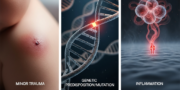
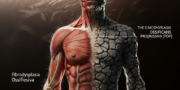
In FOP, the body forms extra bone outside the normal skeleton. This process is known as heterotopic ossification. The new bone can develop in muscles and connective tissues and may eventually restrict movement around affected joints.
The condition often progresses in episodes called flare-ups. These episodes may involve swelling, warmth, pain, or reduced movement. A flare-up can be followed by abnormal bone formation, although not every swelling leads to visible new bone.
The pattern and severity differ from person to person. For a detailed clinical explanation, see GeneReviews: Fibrodysplasia Ossificans Progressiva.
How rare is FOP?
FOP is an ultra-rare disorder. Estimates commonly place its frequency at approximately one person in two million, although estimates vary with the population studied and the method used.
Because the condition is so uncommon, many healthcare professionals may have limited experience recognizing it. This makes accurate awareness and access to appropriate expertise particularly important.
The National Organization for Rare Disorders provides further background on its rarity and clinical features.
What Causes Fibrodysplasia Ossificans Progressiva in Newborns?
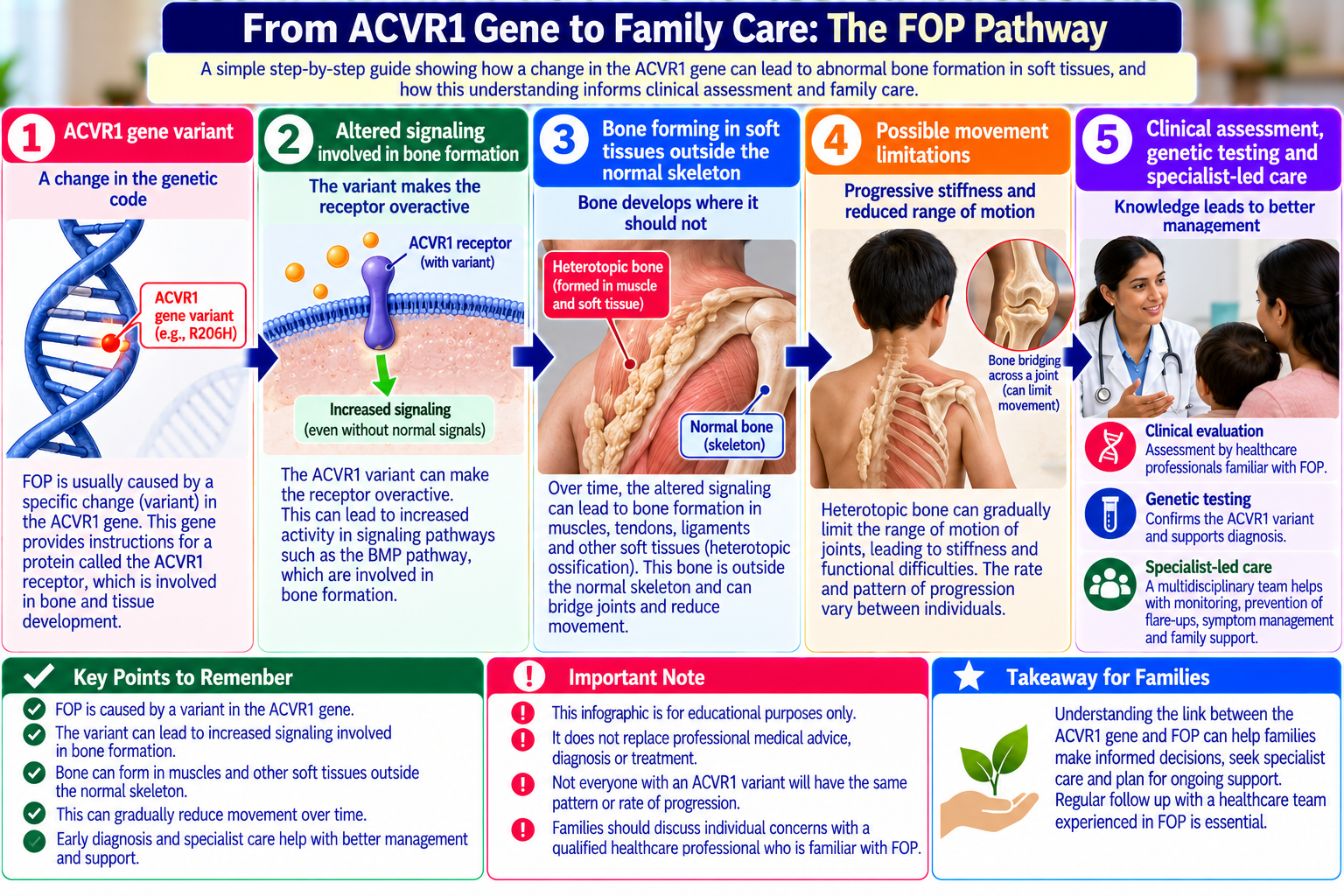
The primary cause is a disease-causing genetic variant in the ACVR1 gene, which provides instructions for a receptor involved in bone and tissue development.
In most people with classic FOP, a specific variant changes how this receptor responds to biological signals. This can lead to abnormal activation of pathways involved in bone formation.
FOP is usually caused by a new genetic change, meaning it can occur in a baby whose parents do not have the condition. In other cases, the variant can be inherited from an affected parent.
Parents should not blame themselves if a child receives an FOP diagnosis. The condition is not caused by ordinary food choices, routine handling, or a lack of prenatal care.
For further detail, read MedlinePlus Genetics: Fibrodysplasia Ossificans Progressiva.
Does a newborn inherit FOP from their parents?
Not necessarily. Many cases arise from a new genetic variant. However, FOP can be inherited in an autosomal dominant pattern. When a parent carries a disease-causing variant, each pregnancy can have a 50% chance of inheriting it.
A clinical geneticist or genetic counselor can explain what the result means for the family. Parents should not assume that a negative family history rules out FOP.
Early Signs of FOP in Newborns
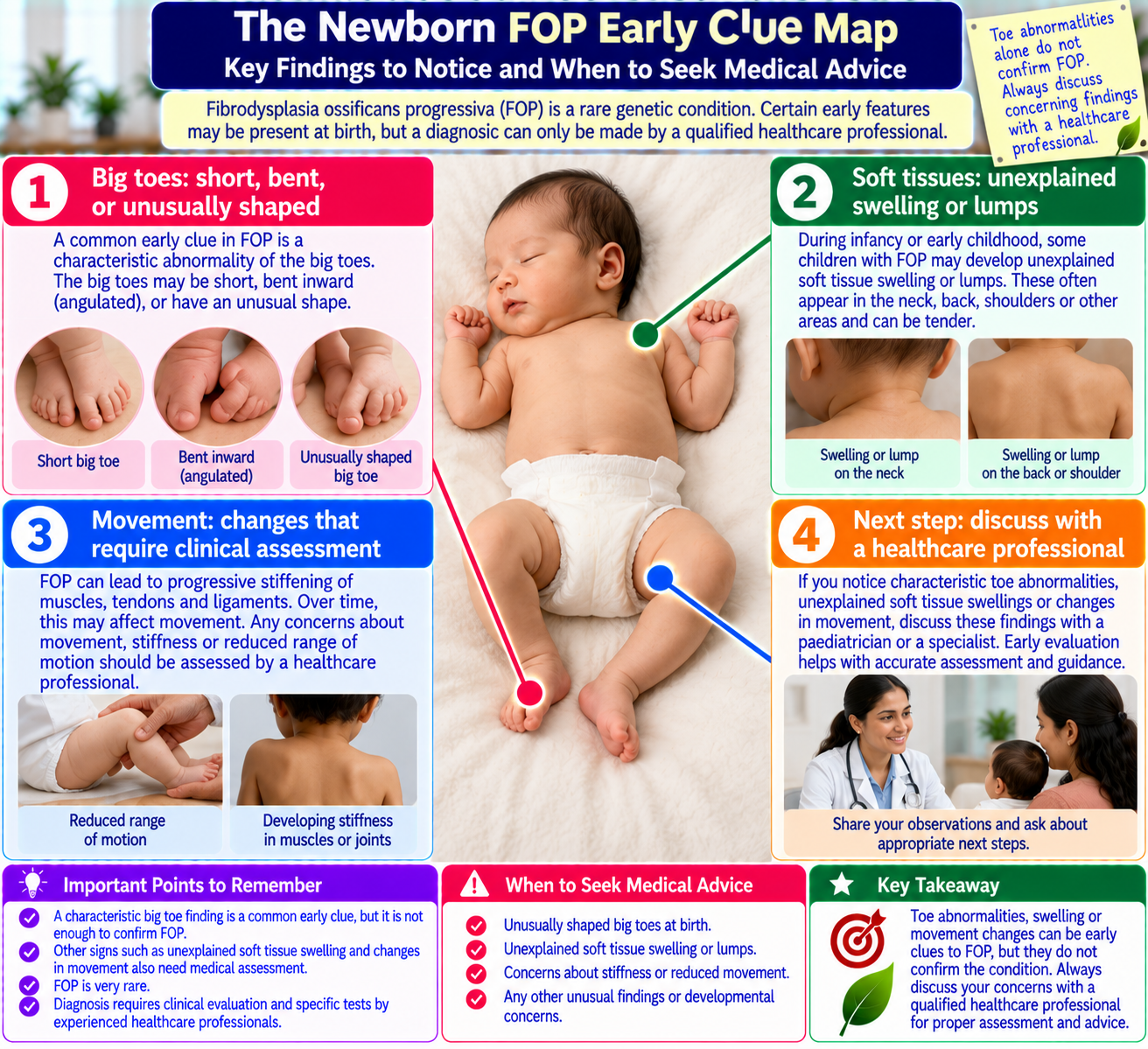
Recognizing possible signs early may help prevent avoidable diagnostic delays. Still, no single sign should be used to diagnose a baby without professional assessment.
1. Unusually shaped big toes
A short, bent, or malformed big toe is a major clue associated with classic FOP. Both feet may be affected, and the difference may be visible at birth.
Parents may initially assume that the toes are simply a harmless birth variation. Many toe differences are not caused by FOP, so the finding needs careful interpretation rather than an immediate conclusion.
If a clinician notices a characteristic toe abnormality alongside other concerning features, specialist evaluation may be appropriate. GeneReviews describes the congenital great-toe malformation as a key clinical feature.
2. Soft-tissue swelling or lumps
Some affected infants develop unusual lumps or swelling in soft tissues. These may appear around the head, neck, back, or other areas.
A swelling does not prove that a child has FOP. Infections, injuries, cysts, and other medical conditions can also cause lumps. Parents should seek medical assessment for new or unexplained swelling rather than attempting home treatment.
When FOP is suspected, the healthcare team should be informed before invasive tests are considered.
3. Changes in movement
A baby may show reduced movement in an affected area if swelling or abnormal bone formation interferes with normal function. However, restricted movement is not a reliable stand-alone sign of FOP in a newborn.
Sudden movement changes, severe pain, fever, breathing difficulty, or a baby who appears seriously unwell require prompt medical assessment. Do not wait for an FOP appointment if urgent symptoms develop.
Early Signs at a Glance
| Finding | Why it matters | Appropriate next step |
|---|---|---|
| Short or malformed big toes | A characteristic clue in classic FOP | Ask a clinician whether specialist evaluation is needed. |
| Unexplained soft-tissue swelling | Can occur during an FOP flare-up but has many other causes | Seek medical assessment and mention any suspicion of FOP. |
| Family history of FOP | May increase concern about an inherited variant | Discuss genetic counseling and testing. |
| Reduced movement | May reflect several medical conditions, including complications of FOP | Obtain an appropriate clinical assessment. |
| Known disease-causing ACVR1 variant | Can support confirmation of the diagnosis | Arrange specialist-led interpretation and care planning. |
How Is FOP Diagnosed in Infants?
Diagnosis begins with a careful clinical assessment. A clinician may examine the shape of the big toes, review any swelling or changes in movement, and ask about family history.
When FOP is suspected, genetic testing for a disease-causing ACVR1 variant can help establish the diagnosis. The test should be interpreted by a qualified healthcare professional in the context of the baby’s clinical findings.
Imaging may be useful in selected circumstances, but early disease can be difficult to confirm through imaging alone. The choice of test should be made carefully because procedures that injure affected tissue may cause harm in FOP.
Why early diagnosis matters
An accurate diagnosis helps families and healthcare professionals avoid potentially harmful procedures and develop an appropriate care plan. It can also guide genetic counselling and referral to clinicians familiar with this rare disorder.
A key principle in the international FOP care guidance is to obtain expert advice before medical or surgical interventions that may cause tissue trauma.
Why biopsy can be dangerous
A lump suspected to be a tumor or another growth may normally lead to a biopsy. In FOP, however, tissue trauma can trigger new abnormal bone formation. A biopsy of a suspected FOP lesion should not be undertaken casually.
This does not mean every lump is FOP or that all medical procedures are forbidden. It means that suspected FOP should be communicated to the healthcare team before an elective invasive procedure is planned.
Read the International Clinical Council on FOP guidance for detailed information on procedure-related risks.
Preventing Avoidable Harm: Practical Guidance for Families
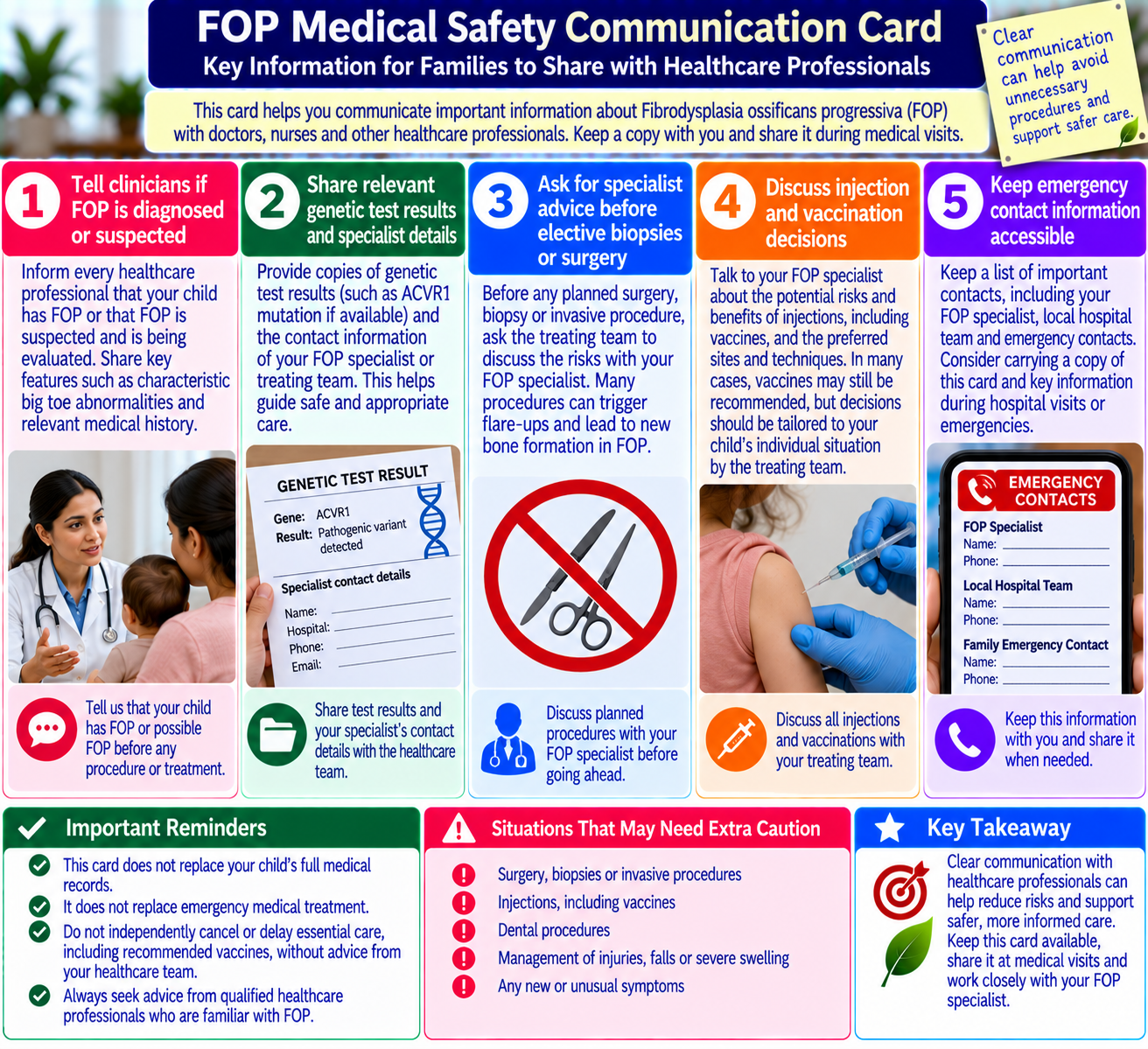
There is no home remedy that prevents the ACVR1 gene variant or cures FOP. The most useful practical steps focus on reducing preventable injury and helping the family communicate clearly with healthcare professionals.
1. Prepare a short medical alert note.
A practical family tool: Keep a concise note on your phone and, where appropriate, with the baby’s medical documents. If FOP has been diagnosed or is strongly suspected by a clinician, the note can state this clearly and provide contact details for the specialist team.
It can remind healthcare professionals to check FOP-specific precautions before procedures. Include the specialist’s contact details and relevant emergency guidance if available.
This note is not a substitute for a medical record or emergency assessment. It is a communication aid that can be especially useful when a family sees a healthcare professional who has never treated FOP.
2. Tell clinicians before planned procedures.
Before an elective procedure, dental intervention, biopsy, or injection is planned, inform the healthcare team that FOP is diagnosed or suspected. Ask the team to consult current specialist guidance.
Intramuscular injections and invasive procedures can pose particular risks. However, parents should not independently cancel essential medical care or vaccination plans. Decisions about immunizations, blood tests, and treatment routes need individualized advice from clinicians familiar with FOP.
The International FOP Association’s care considerations explain why specialist involvement is important.
3. Make everyday handling safe without becoming fearful
Families do not need to treat every ordinary movement as dangerous. Instead, they should ask their clinical team for practical advice about age-appropriate handling, transport, and injury prevention.
Avoid forceful massage, manipulation of swollen areas, and activities likely to cause significant trauma. Do not attempt to stretch or straighten an affected area without professional advice.
A balanced approach is important: excessive fear can make everyday family life unnecessarily difficult, while ignoring a diagnosed condition can create avoidable risks.
4. Create a simple emergency information plan
Ask the specialist team what the family should do if a flare-up, injury, or urgent medical problem occurs. The plan should identify whom to contact, which records to carry, and where the family can find current emergency guidance.
Keep the plan easy to locate rather than relying on memory during a stressful situation. Make sure other caregivers know where it is stored.
These suggestions are practical communication and preparedness measures, not treatments proven in clinical trials to stop FOP progression.
What Can Trigger FOP Flare-Ups?
FOP flare-ups may occur spontaneously or after soft-tissue injury. Trauma can include significant bruising, falls, muscle damage, or certain medical procedures. The response varies, and not every injury results in a flare-up.
| Potential trigger | Why caution matters |
|---|---|
| Significant bruising or muscle injury | Tissue trauma may trigger inflammation and abnormal bone formation. |
| Intramuscular injections | These can damage muscle tissue and carry particular risks in FOP. |
| Biopsy of a suspicious lump | The procedure may trigger new bone formation at the site. |
| Elective surgery | Tissue injury can lead to serious complications. |
| Forceful manipulation or massage | It may injure affected soft tissue. |
The aim is not to make parents afraid of normal care. It is to avoid preventable tissue damage and ensure that medical decisions are made with appropriate specialist advice. The 2025 medical guidelines for FOP discuss early diagnosis, injury avoidance, and management of flare-ups.
Treatment Options for FOP
There is no treatment that cures FOP or removes the underlying genetic cause. Care focuses on reducing avoidable harm, managing symptoms, preserving function, and addressing complications.
A specialist team may include clinicians experienced in FOP, genetics professionals, and other healthcare providers according to the patient’s needs. Treatment choices depend on the person’s age, symptoms, disease course, local approvals, and the benefits and risks of each intervention.
Medicines and flare-up management
Clinicians may use medicines to manage symptoms or selected flare-ups. These decisions should not be copied from another patient’s treatment plan, especially for newborns and young children.
Palovarotene, marketed as Sohonos in the United States, is an approved targeted medicine for reducing new heterotopic bone formation in eligible patients with FOP. It is not a cure, and its use is subject to important age restrictions and safety considerations. The US prescribing information includes warnings about premature closure of growth plates in growing children.
Read the current Sohonos prescribing information for details. A newborn should never be given this or another prescription medicine without specialist medical direction.
Supportive care
Supportive care can address pain, mobility, breathing, nutrition, communication, and emotional well-being. The exact plan should be tailored to the individual.
Parents should ask the specialist team which activities are appropriate and what symptoms require urgent attention. Avoid unverified supplements, aggressive massage, and claims that a special diet can prevent abnormal bone formation.
Can Diet or Home Remedies Cure FOP?
No. Diet, supplements, massage, warm compresses, and other home remedies do not correct the ACVR1 gene variant or cure FOP.
A varied, age-appropriate diet supports general growth and health. For a newborn, feeding decisions should follow pediatric guidance, particularly if the child has feeding difficulties or other medical needs.
Do not give a baby herbal products, supplements, or over-the-counter medicines to treat suspected FOP without medical advice. Some products may be unsafe for infants or interact with prescribed treatment.
Families can still support comfort and well-being by following the clinical care plan, keeping appointments, and seeking help when symptoms change. Avoid massaging a new lump or attempting to manipulate an affected body part.
Emotional Support for Parents and Caregivers
A rare-disease diagnosis can bring uncertainty, grief, fear, and practical challenges. Parents may worry about the future or wonder whether they could have prevented the condition.
FOP is genetic. It is not caused by a parent’s ordinary actions or by failing to follow a particular diet during pregnancy.
Families may find it helpful to keep a list of questions for appointments, request genetic counselling, and connect with a reputable rare-disease organization. Support groups can offer shared experiences, although personal stories should not replace medical advice.
The International FOP Association provides information and resources for affected families and healthcare professionals.
Latest Research Developments in FOP: 2025–2026
Research into FOP is advancing, particularly in the development of treatments that target the biological pathways involved in abnormal bone formation. However, early research findings and trial results must be interpreted carefully.
1. Updated international medical guidance
A medical guideline publication released in September 2025 summarized recommendations developed by members of the International Clinical Council on FOP and expert consultants from multiple countries. It emphasized early diagnosis, avoiding injury and procedure-related harm, managing painful flare-ups, and preserving remaining function.
Read the 2025 medical guidelines for fibrodysplasia ossificans progressiva.
2. Longer-term palovarotene research
A study published online in August 2026 reported exploratory analyses of 48 months of data from the phase III MOVE trial of palovarotene. The analysis compared treated participants with an untreated natural-history group.
The mean annualized volume of new heterotopic ossification was numerically lower in the treated group, but the reported difference did not reach conventional statistical significance (nominal p = 0.0585). Because the analysis was exploratory and used an external comparison group, the results do not establish a definitive treatment effect over that period.
Read the 2026 MOVE trial analysis in JBMR Plus.
3. Research into new targeted medicines
In June 2026, Incyte and Mirum Pharmaceuticals announced phase II results for zilurgisertib, an investigational oral ALK2 inhibitor being studied in adolescents and adults with FOP. The companies also announced that the US Food and Drug Administration had accepted a new drug application for priority review.
These are important developments, but an investigational medicine is not automatically an approved or appropriate treatment. The announcement concerned adolescents and adults, not newborns. Families should look for regulatory decisions and peer-reviewed evidence rather than assuming that an experimental drug is available or safe for infants.
See the June 2026 announcement about the PROGRESS study.
What does this research mean for families?
Research is improving scientific understanding and expanding the range of approaches being evaluated. Nevertheless, no single study means that FOP has been cured or that current precautions are no longer needed.
For newborns, early recognition, appropriate genetic evaluation, specialist involvement, and prevention of avoidable injury remain essential. Families should discuss treatment developments with their healthcare team rather than changing care based on headlines.
Common Mistakes to Avoid
Assuming that a toe difference confirms FOP. Many babies have congenital toe variations. A clinician must evaluate the full picture.
Waiting for extra bone to appear before seeking advice. Characteristic toe abnormalities may be present before heterotopic ossification develops.
Treating a lump as an ordinary injury without mentioning possible FOP. Unexplained swelling deserves assessment, particularly if FOP is suspected.
Proceeding with an elective biopsy before clarifying the diagnosis. Tissue injury can cause harm in FOP. Ask the treating team to consider specialist guidance first.
Using home remedies on swollen areas. Massage and forceful manipulation can cause tissue trauma and should be avoided.
Assuming that every injection or medical intervention has the same risk. Different procedures have different risks. A specialist should help the family and treating clinicians weigh the benefits and risks.
Believing that diet or supplements can reverse the condition. No food or supplement has been shown to eliminate the underlying genetic disorder.
Assuming research announcements mean a new medicine is available for newborns. Trial populations, regulatory status, age limits, and safety warnings all matter.
Frequently Asked Questions
1. Can fibrodysplasia ossificans progressiva be present at birth?
Yes. The genetic condition is present from birth, and characteristic big-toe malformations may be visible in a newborn. Abnormal bone formation in soft tissues may appear later.
2. What is the first sign of FOP in a newborn?
An unusually short, bent, or malformed big toe is an important early clue. It does not confirm FOP by itself, so a qualified clinician should assess the finding.
3. What causes FOP in babies?
FOP is usually caused by a disease-causing variant in the ACVR1 gene. The variant may occur spontaneously or, less commonly, be inherited from an affected parent.
4. Can FOP be prevented during pregnancy?
There is no routine lifestyle measure known to prevent the genetic condition. Families with a history of FOP can discuss genetic counselling and reproductive options with qualified specialists.
5. Can FOP be cured?
There is currently no cure that eliminates the genetic cause. Approved and investigational treatments may help manage aspects of the condition, but treatment decisions require specialist guidance.
6. Why are biopsies and some surgeries dangerous in FOP?
Tissue trauma can trigger flare-ups and abnormal bone formation. If FOP is suspected, clinicians should review the risks and seek specialist advice before an elective invasive procedure.
7. Should parents avoid all injections?
Parents should not make blanket decisions about essential care on their own. Intramuscular injections can pose particular risks in FOP, so vaccination and other medical decisions should be discussed with clinicians familiar with the condition.
8. Can a special diet prevent abnormal bone growth?
No special diet has been proven to prevent or reverse the abnormal bone formation caused by FOP. Appropriate nutrition supports general health but does not replace medical care.
9. Is FOP always inherited?
No. Many cases arise from a new genetic variant, although an affected parent can pass the condition to a child. Genetic counselling can clarify individual family risks.
10. What should parents do if FOP is suspected?
Arrange prompt medical assessment and ask whether referral to a specialist familiar with FOP and genetic testing is appropriate. Tell clinicians about the concern before elective procedures, and seek urgent care for serious symptoms.
Conclusion
Fibrodysplasia ossificans progressiva in newborns is rare, but recognizing its early clues can make an important difference to care. An unusual shape of the big toes may be present at birth, while soft-tissue swelling or abnormal bone formation can appear later.
The condition is caused by a genetic variant, not by parental mistakes or ordinary baby care. Early assessment, appropriate genetic testing, careful communication with healthcare professionals, and specialist guidance can help families avoid preventable harm.
Research into FOP continues, including studies of targeted medicines. These developments offer reasons for scientific interest, but they do not replace established precautions or guarantee a cure.
For parents, the most useful next step is to seek appropriate medical advice when concerning signs appear and make sure the care team knows when FOP is suspected. Clear information and coordinated specialist care can help families navigate this rare condition with greater confidence.
Author Note
RVLNSV PRASAD is a health and wellness content writer who focuses on making complex health topics easier to understand. This article is intended to support general awareness and help readers identify questions to discuss with qualified healthcare professionals. It is not a substitute for specialist evaluation or individualized medical guidance.
Medical Disclaimer
This article is for educational and informational purposes only. It does not provide medical advice, diagnosis, or treatment. Fibrodysplasia ossificans progressiva is a rare genetic disorder that requires appropriate professional evaluation and specialist management. If you suspect FOP in a newborn, seek medical advice and inform the healthcare team before elective invasive procedures. Do not delay urgent care for serious symptoms.
Fitness Disclaimer
This article does not provide an exercise or rehabilitation program for babies or children with FOP. Activities, positioning, stretching, and physiotherapy should be discussed with the treating clinical team. Avoid forceful manipulation or activities likely to cause injury, and follow individualized professional guidance.
Trusted Medical References
- GeneReviews — Fibrodysplasia Ossificans Progressiva
- MedlinePlus Genetics — Fibrodysplasia Ossificans Progressiva
- International Fibrodysplasia Ossificans Progressiva Association — Care Considerations
- International Clinical Council on FOP — Special Medical Considerations
- Medical Guidelines for Fibrodysplasia Ossificans Progressiva, 2025
- Palovarotene and the 48-Month MOVE Trial Analysis, 2026
- Sohonos — Current US Prescribing Information
- 2026 PROGRESS Study Announcement on Zilurgisertib
- National Organization for Rare Disorders — FOP
Related Content
- Category
- Polycystic Kidney Disease Diagnosis Treatment
- Obesity Causes and Treatment
- 4 Main Types Of Anxiety Disorders
- How to Overcome Social Anxiety Disorder Tips











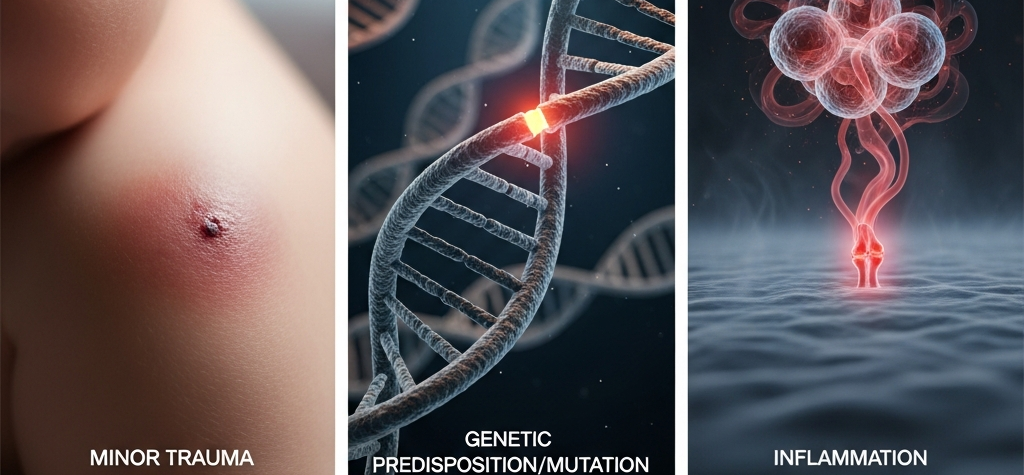
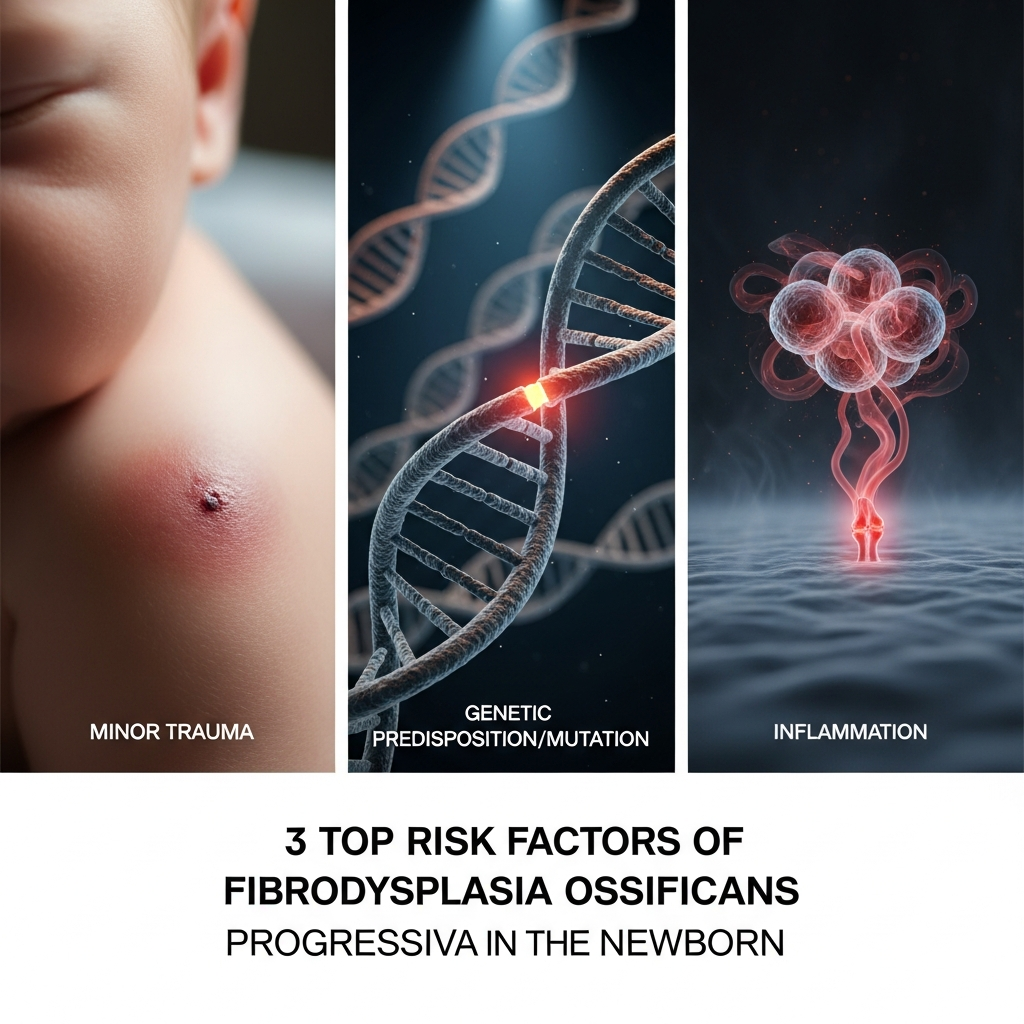
[…] 3 Top Risk Factors of Fibrodysplasia Ossificans Progressiva in Newborn […]