















































































































































Lifestyle Changes for Erectile Dysfunction: 10 Evidence-Based Ways to Support Sexual Health
Author: RVLNSV PRASAD
Updated On: October 2026
Medical Review: This article has not been independently reviewed by a qualified healthcare professional.
About Us
Author Bio
Editorial Policy
Contact Us

Introduction
Erectile dysfunction (ED) can affect more than sexual performance. It may influence confidence, relationships, and overall well-being. Although many men feel uncomfortable discussing it, erectile difficulties are common and often treatable.
The good news is that certain lifestyle changes for erectile dysfunction may help improve erectile function, particularly when poor cardiovascular health, physical inactivity, excess weight, or metabolic problems contribute to the condition. Regular exercise, a balanced diet, better sleep, smoking cessation, and stress management can support the body’s overall health. However, these changes do not guarantee results for everyone.
Research published in The Journal of Sexual Medicine in 2026 examined 16 randomized controlled trials involving 1,477 participants and found that lifestyle interventions, including diet and exercise, were associated with improvements in erectile function. Read the research.
Erectile dysfunction can also be linked to diabetes, cardiovascular disease, medication side effects, hormonal problems, and psychological factors. That is why relying only on home remedies may delay appropriate care.
This guide explains 10 practical, evidence-based lifestyle changes for erectile dysfunction, what research says about their benefits, which popular remedies have limited evidence, and when to speak with a healthcare professional. The aim is to help you make realistic changes while understanding that effective treatment may involve both healthy habits and medical care.
Quick Answer: Can Lifestyle Changes Improve Erectile Dysfunction?
Yes. Lifestyle changes for erectile dysfunction may improve erectile function in some men, particularly when problems are associated with poor cardiovascular health, physical inactivity, excess weight, diabetes, or other metabolic risk factors. Regular exercise, a balanced diet, smoking cessation, limiting alcohol, and managing stress are useful starting points.
A systematic review and meta-analysis published in The Journal of Sexual Medicine in May 2026 examined 16 randomized controlled trials involving 1,477 participants. It found that diet-based, exercise-based, and combined lifestyle interventions were associated with a modest improvement in erectile function. The researchers also noted differences between studies and the need for better long-term research. Read the 2026 systematic review.
However, natural approaches do not work equally well for everyone. Erectile dysfunction (ED) can be associated with diabetes, high blood pressure, cardiovascular disease, hormonal problems, medication effects, or psychological stress. Identifying the cause is an important part of effective treatment.
Lifestyle improvements can complement medical care, but they should not delay an assessment or replace prescribed treatment without professional advice.
Key Takeaways
- Erectile dysfunction can have physical, psychological, and medication-related causes.
- Regular physical activity and a heart-healthy diet may support better erectile function.
- Smoking cessation, appropriate weight management, and limiting alcohol can improve general vascular health.
- Sleep and stress management are useful parts of a broader health plan, although neither is a guaranteed ED treatment.
- Evidence for herbal supplements is limited, and some sexual-enhancement products contain undeclared drug ingredients.
- Persistent ED deserves medical evaluation because it may indicate an underlying health condition.
- Lifestyle changes can complement established treatments; they are not a guaranteed replacement for them.
What Is Erectile Dysfunction, and Why Does It Happen?
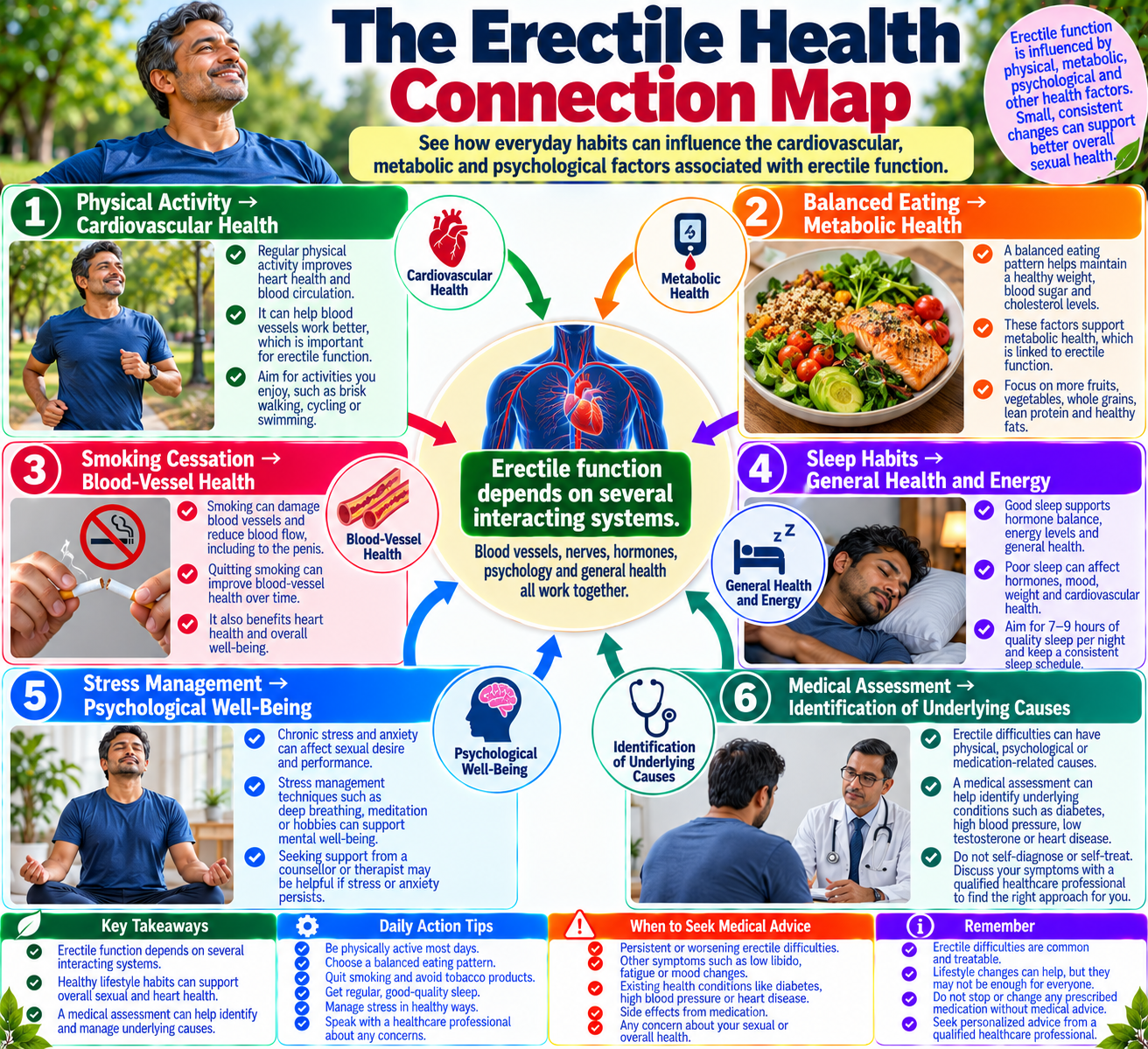
Erectile dysfunction is the ongoing difficulty of getting or maintaining an erection firm enough for sexual activity. Occasional difficulty does not necessarily mean that someone has a persistent medical condition, but repeated problems deserve attention.
An erection depends on communication between the brain, nerves, blood vessels, hormones, and penile tissues. Changes in any of these systems can affect sexual function.
According to the National Institute of Diabetes and Digestive and Kidney Diseases (NIDDK), possible causes include diabetes, cardiovascular disease, obesity, nerve problems, hormonal conditions, certain medicines, anxiety, depression, and stress.
Lifestyle habits can contribute to some of these risk factors, but they are not the only explanation.
Common causes and contributing factors
| Possible factor | How it may affect erectile function |
|---|---|
| Cardiovascular disease | Reduced or impaired blood-vessel function can interfere with blood flow. |
| Diabetes | High blood glucose can damage blood vessels and nerves. |
| Physical inactivity | May contribute to poorer cardiovascular and metabolic health |
| Smoking | Damages blood vessels and increases cardiovascular risk |
| Excess alcohol | Can interfere with sexual function and overall health |
| Anxiety or stress | Can affect arousal, concentration, and sexual confidence |
| Medication effects | Some prescription medicines can contribute to ED. |
| Hormonal conditions | Low testosterone or other endocrine problems may play a role. |
| Poor sleep | May affect energy, mood, and overall health |
ED is not simply an inevitable part of aging. It can be treatable, and the appropriate approach depends on its cause. The American Urological Association’s erectile dysfunction guideline also emphasizes evaluating cardiovascular risk and relevant medical factors.
10 Lifestyle Changes for Erectile Dysfunction That Are Worth Considering
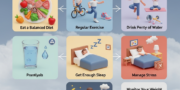
The following strategies focus on everyday actions with reasonable evidence or broader health benefits. They are not guaranteed cures, and some men will need medical treatment alongside them.
1. Exercise Regularly to Support Blood Flow
Physical activity supports cardiovascular health, helps regulate blood pressure, and can improve metabolic health. These benefits matter because erections depend partly on healthy blood-vessel function.
The 2026 systematic review in The Journal of Sexual Medicine found that exercise-based interventions were associated with improved erectile function compared with control conditions. However, the researchers found no clear evidence that one exercise approach was superior to every other approach. Read the study.
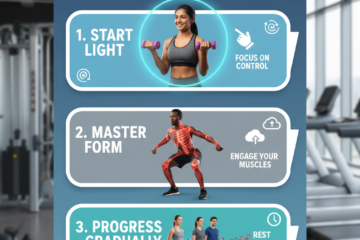
How to get started
- Begin with walking if you have been inactive.
- Gradually work toward around 150 minutes of moderate-intensity aerobic activity per week, if appropriate for your health.
- Include strength training according to your abilities and recovery.
- Break up long periods of sitting with short movement breaks.
For example, a 10-minute walk after lunch and dinner can be an easier starting point than attempting a demanding workout immediately.
The NIDDK’s ED treatment guidance includes increased physical activity among the lifestyle measures that may help.
What to expect: Improvements in fitness and metabolic health generally develop over time. Exercise should be viewed as part of an overall plan, not an immediate treatment for an erection problem.
2. Follow a Heart-Healthy Eating Pattern
A balanced diet can support the blood vessels, blood pressure, glucose regulation, and weight management that influence erectile function.
The NIDDK’s diet and nutrition guidance for ED recommends a healthy eating pattern that includes vegetables, fruits, legumes, whole grains, nuts, seeds, and unsaturated fats.
A Mediterranean-style dietary pattern has been associated with a lower risk of ED in research. The evidence does not mean that one particular food can reliably restore erections.
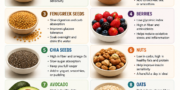
Foods to include regularly
- Leafy greens and other vegetables
- Whole fruits rather than relying on sugary drinks
- Lentils, beans, chickpeas, and other legumes
- Oats, whole-wheat foods, and other whole grains
- Nuts and seeds in appropriate portions
- Fish or other suitable protein sources
- Unsaturated oils in place of excessive saturated fat
Foods to limit
Frequent intake of highly processed foods, excessive added sugar, and foods high in saturated fat can make it harder to manage cardiometabolic risk factors.
You do not need to eliminate every favorite food. Focus on the overall eating pattern and choose changes you can maintain.
3. Work Toward a Healthy Weight When Appropriate
Excess weight can contribute to insulin resistance, diabetes, high blood pressure, and cardiovascular disease. These conditions can also increase the risk of erectile dysfunction.
If excess weight is contributing to your health risks, gradual weight management may help improve overall metabolic health and may support erectile function.
The European Association of Urology’s sexual and reproductive health guidelines discuss lifestyle modification, including physical activity and weight reduction, as part of ED management.
Practical steps
- Set a realistic goal rather than pursuing rapid weight loss.
- Combine regular movement with a balanced eating pattern.
- Track habits such as activity and meal regularity instead of focusing only on the scale.
- Seek professional advice if you have diabetes, cardiovascular disease, or other conditions that affect weight management.
Weight loss is not necessary for everyone with ED. A person at a healthy weight may still have erectile difficulties because of another medical or psychological factor.
4. Stop Smoking to Protect Blood Vessels
Smoking damages blood vessels and increases the risk of cardiovascular disease. Because normal erectile function depends on healthy circulation, smoking cessation is an important step for men who smoke.
The Centers for Disease Control and Prevention explains the established health benefits of quitting smoking, including benefits for cardiovascular health.
Make quitting more manageable.
Choose a quit date, identify situations that trigger smoking, and seek support if you need it. A healthcare professional can discuss evidence-based cessation support and whether nicotine replacement or other treatment options are appropriate.
If you have tried quitting before, a previous attempt does not mean you cannot succeed. You may need a different support strategy.
Stopping smoking does not guarantee that ED will resolve, especially if other causes are present. It can still improve health and reduce future risk.
5. Limit Alcohol and Avoid Recreational Drugs
Alcohol can affect the nervous system, sexual arousal, and erectile function, particularly when consumed in large amounts. Recreational drugs can also affect sexual response and general health.
If you notice a connection between alcohol and erectile difficulties, try reducing your intake or avoiding alcohol and observe whether the pattern changes.
The NIDDK’s treatment recommendations include limiting alcohol and avoiding recreational or illicit drugs as part of lifestyle management.
Do not assume that alcohol is the only cause of your symptoms. Repeated erectile difficulties still deserve attention.
If you use prescribed medication, do not discontinue it independently. A clinician or pharmacist can review whether a medicine may be contributing to the problem and discuss safer alternatives when appropriate.
6. Manage Stress and Performance Anxiety
Sexual function is influenced by both physical and psychological factors. Anxiety, depression, relationship concerns, and stress can contribute to erectile difficulties or make existing problems worse.
Worrying about whether an erection will occur can create additional pressure. That pressure may make it harder to stay relaxed and focused during sexual activity.
Helpful approaches may include:
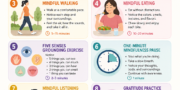
- Practicing slow, comfortable breathing when feeling tense
- Making time for activities that help you relax
- Talking openly with a partner, when appropriate
- Seeking counselling or sex therapy if anxiety or relationship stress is persistent
Psychological support is not evidence that symptoms are imaginary. Physical and psychological factors can occur together.
The American Urological Association guideline discusses psychological assessment and referral for appropriate patients. Counselling may be used alone in selected situations or alongside medical treatment.
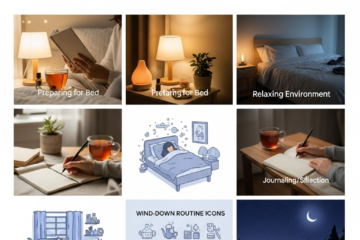
7. Improve Sleep and Investigate Persistent Sleep Problems
Sleep supports mood, energy, and general metabolic health. Ongoing sleep problems may make sexual difficulties harder to manage, although improving sleep alone does not reliably treat every case of ED.
Try to maintain a regular sleep and wake schedule, allow enough time for rest, and reduce habits that repeatedly interfere with sleep.
If you snore loudly, wake up gasping, or feel unusually sleepy during the day, ask a healthcare professional whether a sleep disorder such as obstructive sleep apnea needs evaluation.
A useful distinction: Better sleep may support overall health, but persistent erectile dysfunction should not automatically be blamed on tiredness. Diabetes, vascular disease, medication effects, and hormonal problems may need assessment.
8. Review Medicines and Existing Health Conditions
Some prescription and over-the-counter medicines can contribute to erectile difficulties. Examples include certain antidepressants, blood-pressure medicines, and other drugs, although the effect depends on the particular medicine and person.
The NIDDK’s list of ED causes explains that medication effects and underlying conditions can both play a role.
If symptoms began after starting a new medicine or changing a dose, tell your prescriber. They can assess the timing and determine whether an adjustment or alternative is appropriate.
Do not stop blood-pressure medicine, antidepressants, or other prescribed treatment without medical advice. Unsupervised changes may cause more harm than the original problem.
It is also worth reviewing whether conditions such as diabetes, high blood pressure, or high cholesterol are being managed appropriately. Treating these problems supports broader health and may help address contributors to ED.
9. Consider Pelvic Floor Exercises With Appropriate Guidance
Pelvic floor muscles help support urinary and sexual function. Some clinical research has examined pelvic floor muscle training as a possible part of ED management.
The 2026 lifestyle-intervention meta-analysis included pelvic floor-based interventions among its exploratory exercise analyses. Results were encouraging, but the evidence does not establish that these exercises are suitable or effective for every person. Review the research.
A physiotherapist or healthcare professional with relevant training can help determine whether pelvic floor training is appropriate and explain correct technique.
More exercise is not always better. Incorrect technique, excessive effort, or repeatedly tightening already tense muscles may cause discomfort in some people.
Pelvic floor exercises should be treated as one possible component of care, not a replacement for assessment or established treatment.
10. Build Sexual Confidence Without Turning Intimacy Into a Test
Erectile difficulties can lead to worry, embarrassment, or avoidance of intimacy. Repeatedly checking whether an erection is strong enough can add pressure and make the experience more stressful.
A more supportive approach is to communicate openly with your partner, avoid treating every sexual encounter as a performance test, and seek help if anxiety becomes difficult to manage.
If psychological distress or relationship concerns are contributing to ED, counselling may help address those factors. Physical causes should still be assessed when appropriate.
Confidence-building habits can improve emotional well-being, but positive thinking alone is not a proven treatment for erectile dysfunction.
Which Lifestyle Changes Have the Strongest Evidence?
The following table summarizes how to interpret common approaches without promising that any one of them will work for everyone.
| Approach | Evidence-based interpretation | Practical priority |
|---|---|---|
| Aerobic exercise | Randomized-trial evidence supports a modest average benefit from lifestyle interventions, including exercise. | High |
| Heart-healthy diet | Research supports healthy dietary patterns for reducing ED risk and may improve symptoms. | High |
| Smoking cessation | Strong overall health benefits and relevance to vascular health | High |
| Weight management when appropriate | May help when excess weight and metabolic risk factors contribute | High |
| Alcohol reduction | Sensible when alcohol contributes to symptoms or broader health risks | Moderate to high |
| Stress management | Useful when anxiety or psychological factors contribute | Individualized |
| Better sleep | Supports overall health; direct ED benefits are not guaranteed | Supportive |
| Pelvic floor training | May help selected men; evidence and suitability vary. | Consider professional guidance. |
| Herbal supplements | Evidence is uncertain, and product safety can be problematic. | Do not self-prescribe. |
| Hydration alone | Supports general health but is not an established ED treatment | Basic health habit |
The 2026 review included 16 randomized controlled trials with 1,477 participants and reported a statistically significant but modest average improvement in erectile-function scores. The studies differed in their participants, interventions, and follow-up, so the results should not be interpreted as a guaranteed individual outcome. Read the full meta-analysis.
Latest Research: What Changed in 2026?
A notable development is the publication of the May 2026 systematic review and meta-analysis in The Journal of Sexual Medicine.
The researchers pooled results from 16 randomized controlled trials involving 1,477 men. Diet-only, exercise-only, and combined diet-and-exercise interventions were each associated with statistically significant improvements in erectile-function scores compared with control conditions.
However, the researchers reported moderate statistical heterogeneity and variation in the clinical characteristics and intervention designs. They did not establish one universally superior lifestyle strategy. The authors concluded that larger, more standardized trials with longer follow-up are still needed. Read the full paper.
What does this mean for readers?
First, lifestyle modification is more than generic wellness advice. There is clinical-trial evidence that structured changes to diet and physical activity can help some men with ED.
Second, the average improvement was modest. A man with significant vascular disease, diabetes, nerve damage, or another underlying condition may need additional treatment.
Third, the research supports using lifestyle changes alongside appropriate medical care, not postponing care while trying every available home remedy.
Herbal Supplements for Erectile Dysfunction: What Should You Know?
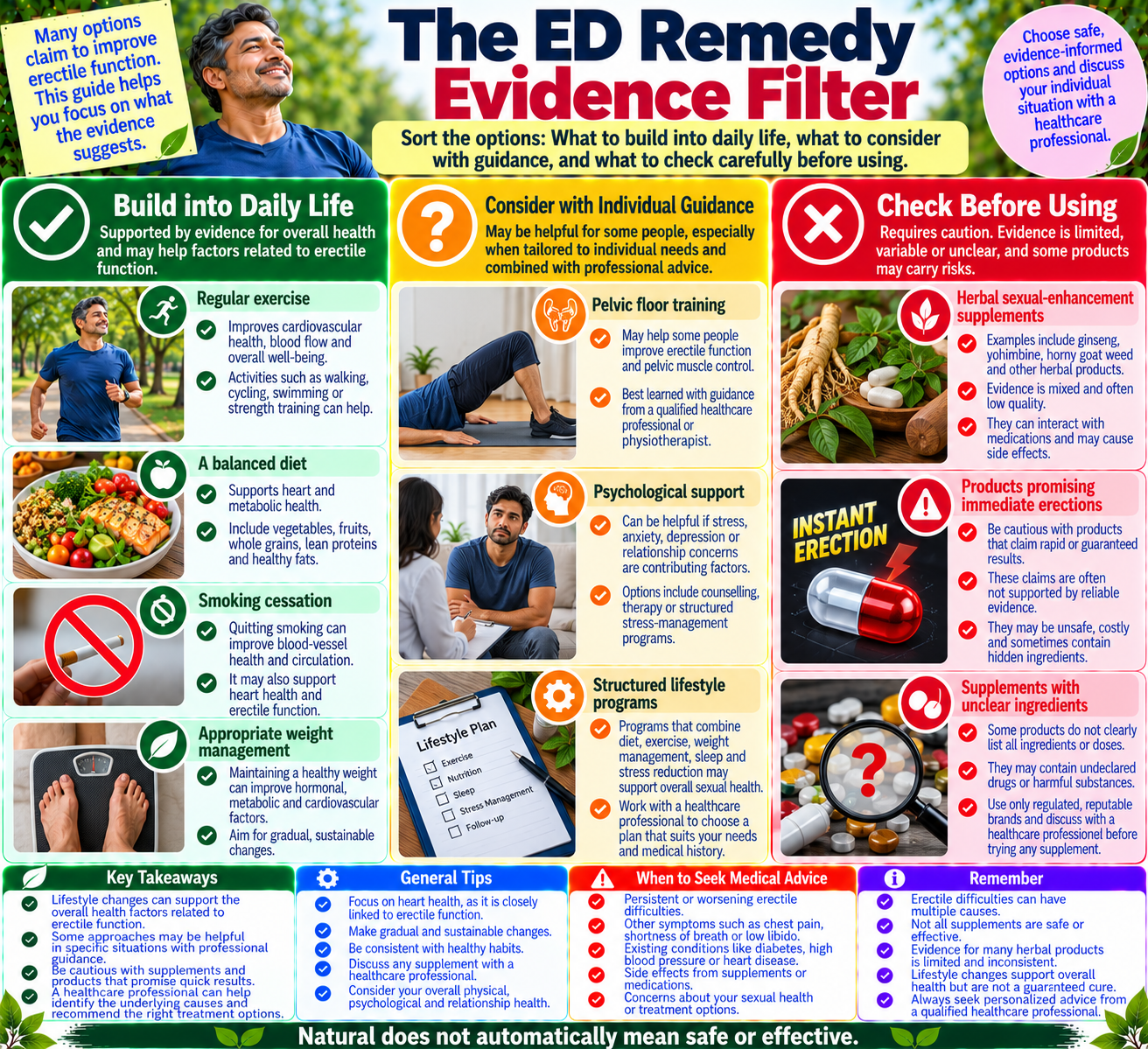
Ginseng, ashwagandha, and other herbal products are frequently marketed for male sexual health. Some ingredients have been studied, but the evidence is not strong enough to assume that these supplements are safe and effective treatments for ED.
The National Center for Complementary and Integrative Health (NCCIH) warns that many products sold for sexual enhancement have uncertain benefits, and some have been found to contain undeclared drug ingredients. These ingredients may interact dangerously with prescription medicines.
Be especially cautious of products that promise an immediate erection, claim to be a natural equivalent of prescription ED medicine, or advertise guaranteed results.
If you are considering an herbal supplement, discuss it with a healthcare professional who knows your medical history and medicines. Do not assume that “natural” means harmless.
Common Mistakes to Avoid
Expecting results within a few days
Some health habits can change quickly, but improvements in fitness, weight, and metabolic health generally take time. There is no reliable timeline that applies to every man.
Treating one food as a cure
No single fruit, seed, drink, or supplement has been established as a guaranteed cure for ED. The overall dietary pattern matters more than a so-called miracle food.
Ignoring persistent symptoms
Repeated erectile difficulties can be associated with underlying medical conditions. Do not rely indefinitely on home remedies without considering a professional assessment.
Buying unverified sexual-enhancement products
Products with exaggerated claims may contain undeclared ingredients or interact with prescribed medication. Check with a healthcare professional before using them.
Stopping prescribed treatment too soon
Lifestyle changes may improve health, but they do not make every prescribed treatment unnecessary. Discuss any changes to medication or treatment with your clinician.
Assuming ED is always psychological
Stress can contribute to ED, but vascular, hormonal, neurological, and medication-related causes are also possible. A proper assessment helps distinguish among them.
A Practical 30-Day Lifestyle Plan
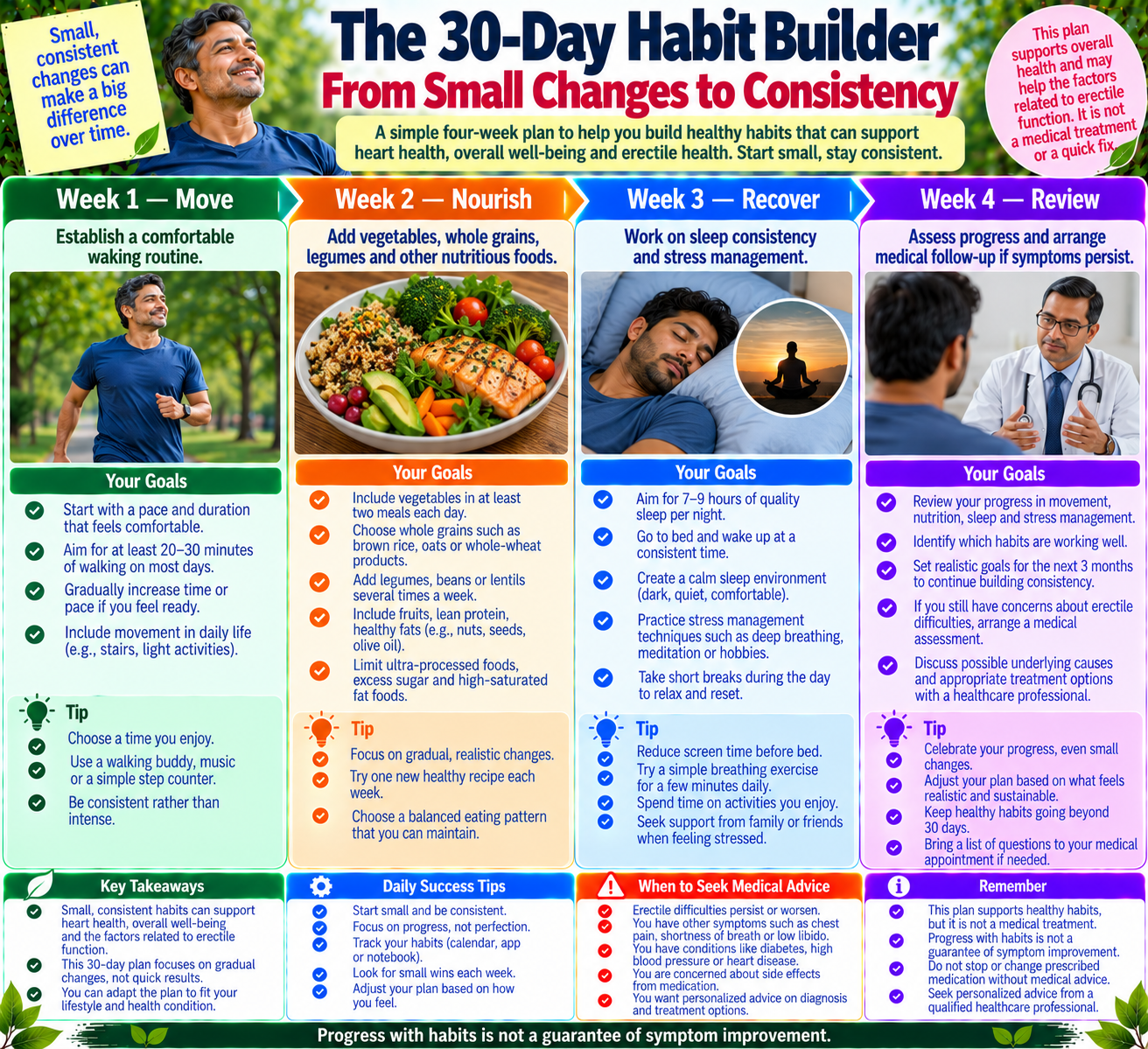
You do not need to change everything at once. A simple plan can help you establish sustainable habits while arranging medical care when needed.
| Period | Practical action | What to monitor |
|---|---|---|
| Week 1 | Add comfortable walks and establish a regular sleep schedule. | Energy, activity, and sleep consistency |
| Week 2 | Improve meal quality by adding vegetables, fruit, legumes, and whole grains. | Eating habits and consistency |
| Week 3 | Review smoking, alcohol, stress, and prolonged sitting. | Triggers and achievable changes |
| Week 4 | Review your progress and arrange any needed medical follow-up. | Symptoms, health goals, and next steps |
This is a habit-building plan, not a treatment protocol. It should not delay medical evaluation if erectile difficulties persist or occur alongside other concerning symptoms.
When Should You See a Doctor?
Arrange a medical assessment if erectile difficulties are recurring, persistent, distressing, or affecting your relationships. A clinician may review your medical history, sexual health, medicines, blood pressure, and relevant laboratory tests.
The American Urological Association guideline notes that ED can be a marker of underlying cardiovascular disease and other conditions that may warrant evaluation.
Seek urgent medical attention if you develop chest pain, severe shortness of breath, or other acute symptoms during sexual activity or exercise. If you take ED medication and develop an erection lasting more than four hours, seek emergency care.
Established treatment options include prescription medicines and other approaches selected according to the cause of ED and individual health needs. The NIDDK treatment guide explains the available approaches.
Frequently Asked Questions
Can lifestyle changes reverse erectile dysfunction?
Lifestyle changes may improve erectile function in some men, particularly when cardiovascular or metabolic risk factors contribute. They do not reverse every cause of ED, and some people need medical treatment.
What is the best exercise for erectile dysfunction?
Aerobic activity such as walking, cycling, or swimming can support cardiovascular health. The 2026 meta-analysis found benefits across several lifestyle approaches but did not establish one universally best exercise type.
Which foods may help erectile function?
A balanced dietary pattern that includes vegetables, fruits, whole grains, legumes, nuts, seeds, and unsaturated fats supports cardiovascular and metabolic health. No individual food guarantees improved erections.
Does stress cause erectile dysfunction?
Stress and anxiety can contribute to erectile difficulties, but they are not the only possible causes. Physical and psychological factors can occur together.
Do herbal supplements work for erectile dysfunction?
Evidence remains uncertain, and some sexual-enhancement supplements contain undeclared drug ingredients. Discuss supplements with a qualified healthcare professional rather than assuming they are safe.
How long do lifestyle changes take to help?
There is no guaranteed timeline. Some changes support general health quickly, while improvements in fitness and metabolic risk may take weeks or months. Persistent ED should be assessed rather than waiting for a specific deadline.
Can erectile dysfunction indicate heart disease?
ED can be associated with cardiovascular risk factors and may warrant assessment, particularly when it is new or persistent. It does not automatically mean that someone has heart disease, but it should not be ignored.
Should I stop ED medication after improving my lifestyle?
No. Do not stop or change prescribed treatment without consulting your clinician. The need for ongoing treatment depends on your symptoms, underlying health, and medical advice.
Conclusion: Build Healthier Habits and Address the Cause
Lifestyle changes for erectile dysfunction can be a useful part of improving sexual health, particularly when vascular and metabolic risk factors contribute to the problem. Regular physical activity, a balanced diet, smoking cessation, appropriate weight management, and attention to stress are practical places to begin.
The latest 2026 systematic review supports a modest average benefit from diet- and exercise-based interventions, while also showing why individual results should not be guaranteed. Some men will improve with lifestyle changes; others will need medical treatment or a combination of approaches.
The most sensible strategy is to build sustainable habits, avoid unverified sexual-enhancement products, and seek medical advice for persistent symptoms. Erectile dysfunction is common and often treatable, and getting help is a practical step toward better health rather than something to feel ashamed of.
Author Note
RVLNSV PRASAD
This article is intended to provide clear, evidence-based information about lifestyle approaches to erectile dysfunction. It draws on published clinical research and guidance from recognized medical organizations.
Personal experiences should be added only when they reflect genuine events and outcomes. Individual results vary, and readers should discuss persistent symptoms or treatment decisions with a qualified healthcare professional.
Read the Author Biography | Editorial Policy
Medical Disclaimer
This article is for educational purposes only. It is not a substitute for professional medical advice, diagnosis, or treatment. Erectile dysfunction may have underlying medical causes that require evaluation. Do not stop prescribed medicines or begin supplements marketed for sexual enhancement without discussing safety with a qualified healthcare professional.
Fitness Disclaimer
The physical activity suggestions in this article are general and should be adapted to individual health, age, fitness, and ability. If you have cardiovascular disease, significant medical conditions, or symptoms during exercise, consult a healthcare professional before beginning or increasing physical activity.
Scientific Sources and Further Reading
- 2026 Systematic Review and Meta-Analysis—Lifestyle Interventions for Erectile Dysfunction, The Journal of Sexual Medicine. Recent randomized-trial evidence on diet, exercise, and combined lifestyle interventions.
- NIDDK — Symptoms and Causes of Erectile Dysfunction. Medical and lifestyle factors associated with ED.
- NIDDK — Eating, Diet, and Nutrition for Erectile Dysfunction. Dietary guidance and research.
- NIDDK — Treatment for Erectile Dysfunction. Lifestyle changes and established treatment options.
- American Urological Association — Erectile Dysfunction Guideline. Clinical evaluation and cardiovascular risk considerations.
- European Association of Urology — Management of Erectile Dysfunction. Lifestyle modification and medical treatment recommendations.
- NCCIH — Erectile Dysfunction and Sexual Enhancement. Evidence limitations and safety concerns involving supplements.
- CDC—Benefits of Quitting Smoking. Established health benefits of smoking cessation.
Related Articles from this blog
- 10 Ways to Stop Snoring Tonight Using Easy At-Home Methods
- 6 Ways to Detox Your Body Holistically: A Comprehensive Guide
- How to Achieve Balance Holistic Wellness Practices
- 14 Ways to Increase Protein Intake Daily Tips
- Liver Disease Cirrhosis life Expectancy
- Polycystic Kidney Disease Diagnosis Treatment
- 5 Eye Problems Natural Remedies