




















































































































































10 Best Foods for Blood Sugar Management
Author: RVLNSV PRASAD
Updated: September 2026
About Us
Author Bio
Editorial Policy
Contact Us
Quick Answer
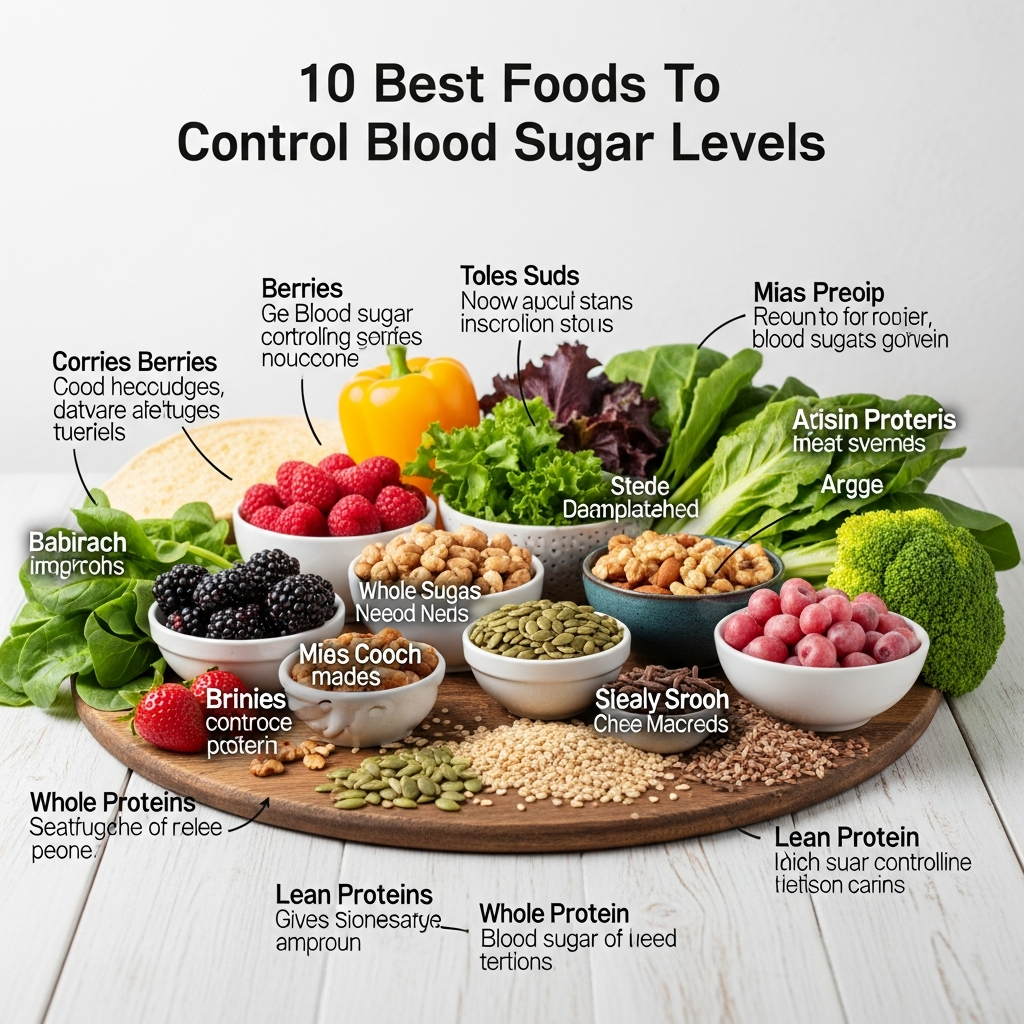
The 10 best foods for blood sugar management are not magic foods that instantly lower glucose.
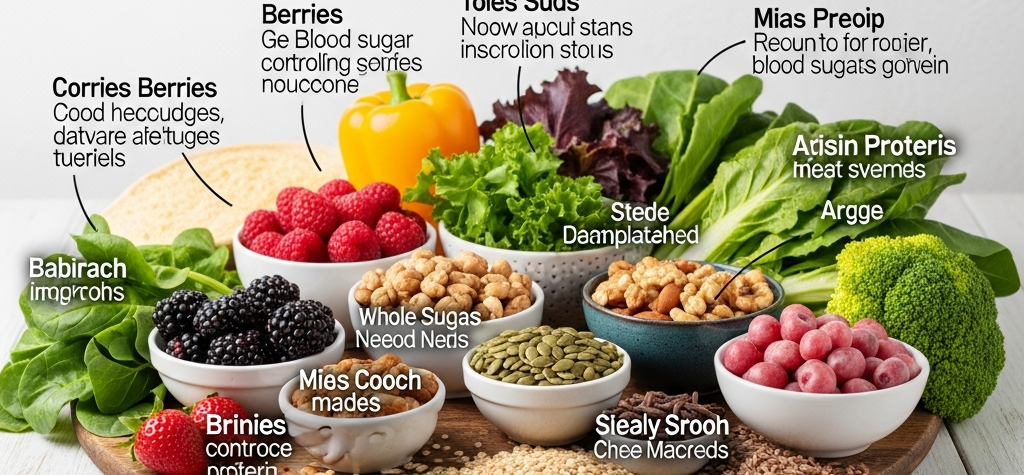
Instead, foods such as oats, beans, lentils, leafy green vegetables, nuts, plain Greek yogurt, chia seeds, berries, avocado, and protein-rich foods can help form balanced meals that support a healthier eating pattern.
The bigger picture matters.
The Centers for Disease Control and Prevention (CDC) recommends focusing on non-starchy vegetables, appropriate portions, quality carbohydrate choices, protein, and whole foods when planning meals for blood sugar management. It also explains that eating carbohydrates with protein, fat, or fiber can slow how quickly blood sugar rises.
The American Diabetes Association similarly emphasizes overall eating patterns rather than one special food. American Diabetes Association — Eating Healthy
So the most useful question isn’t
“Which food controls blood sugar?”
It is:
“How can I build meals that support healthier blood glucose?”
Key Takeaways
- No single food can guarantee normal blood sugar.
- The overall meal and eating pattern matter more than one “superfood.”
- Fiber-rich foods can be valuable components of blood-sugar-friendly meals.
- Beans and lentils provide fiber, plant protein, and carbohydrate.
- Whole fruit is different from fruit juice.
- Nuts and seeds can add fiber, protein, and unsaturated fats.
- Plain yogurt can provide protein without the added sugar found in some flavored varieties.
- Portion size still matters, even when a food is nutritious.
- Carbohydrates do not need to be completely eliminated.
- People with diabetes may need individualized carbohydrate and medication guidance.
- Food choices should support health without creating unnecessary fear around eating.
Medical Disclaimer
This article is for general educational purposes only and is not a substitute for professional medical advice, diagnosis, or treatment.
If you have diabetes, prediabetes, take glucose-lowering medication, are pregnant, or have another condition affecting blood sugar, consult a qualified healthcare professional for individualized guidance.
Do not stop or change prescribed medication because of information in this article.
Introduction
Blood sugar is part of everyday life.
Whenever you eat carbohydrate-containing foods, your body has to process the resulting glucose.
But blood sugar management is not simply a matter of finding foods that “lower glucose.”
The amount you eat matters.
The type of carbohydrate matters.
Fiber matters.
Protein and fat can influence the way a meal is digested.
And the foods you combine together can matter too.
The CDC explains that carbohydrates raise blood sugar and that the speed of the rise can depend on the food and what you eat with it. Eating carbohydrates together with foods containing protein, fat, or fiber can slow how quickly blood sugar rises.
That is why this article takes a slightly different approach.
Instead of giving you a list of supposedly magical foods, we’ll look at 10 practical foods and food groups that can fit into a balanced blood-sugar-friendly eating pattern.
My Personal Perspective on Blood-Sugar-Friendly Eating
Over time, I have noticed that people often make healthy eating harder than it needs to be.
They look for one special ingredient.
Then another.
Then another.
But a healthy meal usually isn’t built around one “miracle” food.
It is built around combinations.
For example:
Oats
berries
nuts or seeds
can create a more balanced breakfast than a highly sweetened breakfast product.
Similarly:
lentils
vegetables
an appropriate carbohydrate portion
can create a satisfying meal without requiring someone to completely abandon familiar foods.
That is my personal observation, not clinical evidence.
The evidence-based principle is that meal planning should consider the type and amount of carbohydrate, vegetables, protein, portions, and the person’s individual needs.
What Actually Affects Blood Sugar After Eating?
Before looking at individual foods, it helps to understand why the same food can affect different people differently.
Carbohydrate Amount
Carbohydrates generally have a more immediate effect on blood glucose than protein or fat.
That doesn’t mean carbohydrates are unhealthy.
The CDC explains that carbohydrates are an important part of food and that managing their amount and type can be useful for blood sugar management.
Fiber
Fiber is found in vegetables, fruits, legumes, whole grains, nuts, and seeds.
The CDC notes that fiber is a type of carbohydrate that isn’t digested in the same way as other carbohydrates and can support blood sugar management.
Protein
Protein can help make meals more satisfying and can be combined with carbohydrate-containing foods.
Examples include:
- Eggs
- Fish
- Chicken
- Plain yogurt
- Tofu
- Beans
- Lentils
Healthy Fats
Foods such as avocado, nuts, seeds, olive oil, and some fish provide unsaturated fats that can fit into a healthy eating pattern.
NIDDK guidance identifies nuts, seeds, avocado, and certain oils as sources of healthier fats.
Portion Size
A nutritious food can still contribute a substantial amount of carbohydrate or energy when eaten in a very large portion.
The CDC specifically recommends considering portion size and describes the plate method as one approach to balancing vegetables, protein, and carbohydrate foods.
1. Oats
Oats are one of the most practical foods for healthy blood sugar because they provide carbohydrate along with fiber.
That combination makes them different from many highly sweetened breakfast products.
The CDC includes oats among carbohydrate-containing foods and recommends choosing carbohydrate foods with fiber and nutrients.
Why oats can be useful
- Provide whole-grain carbohydrate
- Contain fiber
- Work well with protein-rich foods
- Can be combined with fruit
- Easy to prepare
- Affordable for many households
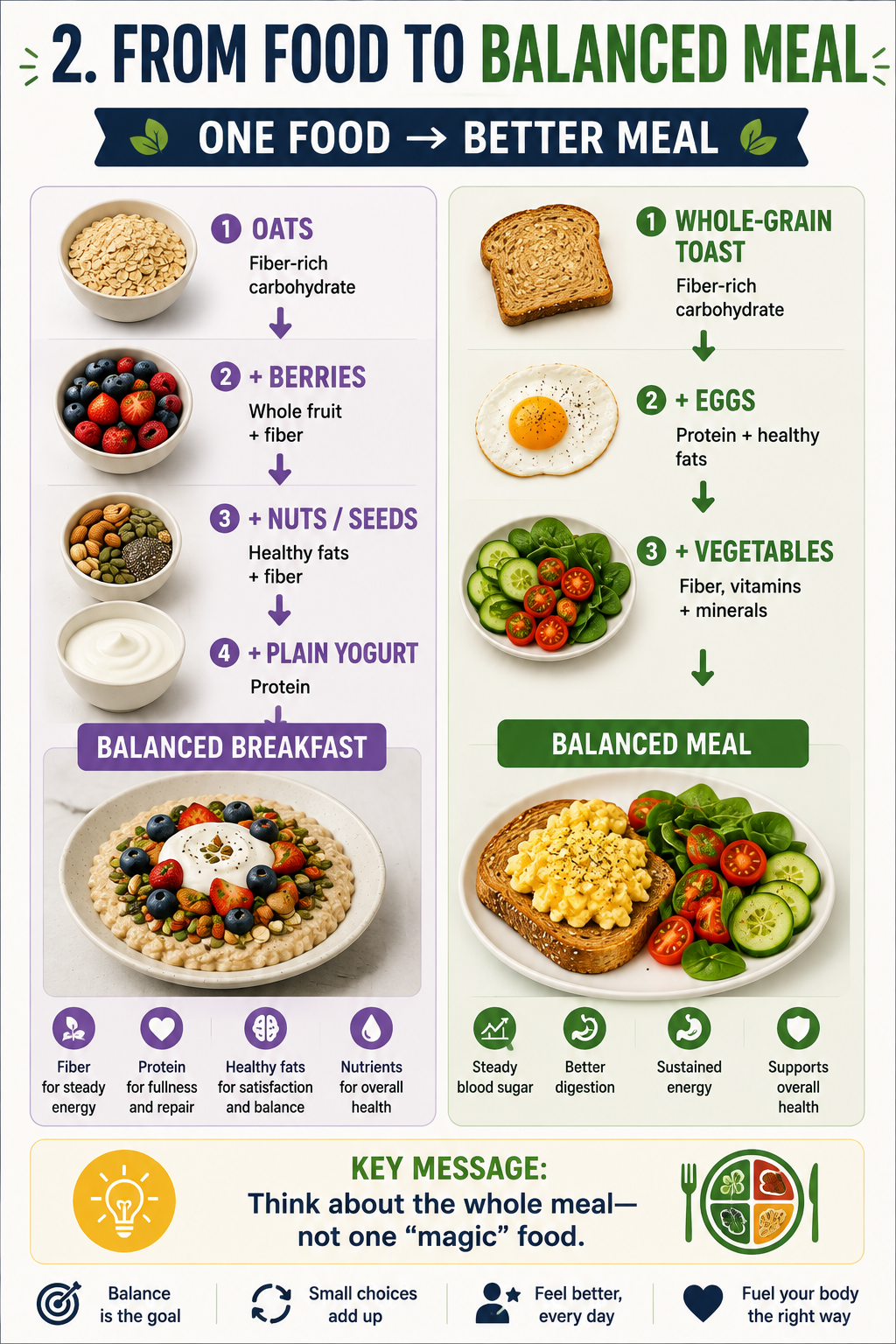
A better oatmeal bowl
Instead of:
Sweetened oats + lots of added sugar
try:
Oats + berries + nuts or seeds + plain yogurt
This doesn’t guarantee a particular blood glucose response.
It simply creates a meal with a broader combination of nutrients.
Best breakfast idea
If you’re searching for the best breakfast foods for blood sugar management, oats can be a practical starting point when combined with other nutritious ingredients.
2. Beans and Lentils
Beans and lentils are especially interesting because they provide both plant protein and carbohydrate, along with substantial fiber.
Research on legumes has investigated their effects on markers of glycemic control, with evidence suggesting potential benefits but also acknowledging that results vary across studies.
Examples
- Lentils
- Chickpeas
- Kidney beans
- Black beans
- Green gram
- Other pulses
Why they can fit a blood-sugar-friendly diet
They can provide:
- Fiber
- Plant protein
- Micronutrients
- Slow-digesting carbohydrate
- Satiety
But remember:
Beans and lentils still contain carbohydrates.
They shouldn’t automatically be treated as unlimited foods.
A practical meal
Try:
Lentils + vegetables + a suitable portion of whole grains
This approach can be especially useful for people who want to keep familiar foods in their diet.
3. Leafy Green Vegetables
Leafy vegetables such as spinach, kale, lettuce, and other greens are useful additions to meals because they are nutrient-rich and generally low in carbohydrate.
The CDC recommends making non-starchy vegetables a major part of the plate when using its meal-planning approach.
Examples
- Spinach
- Kale
- Lettuce
- Collard greens
- Mustard greens
- Other leafy vegetables
Simple meal idea
Fill a substantial portion of the plate with vegetables.
Then add:
Protein
Appropriate carbohydrate
Healthy fat when suitable
This is more useful than simply asking which single vegetable is “best.”
4. Nuts
Almonds, walnuts, pistachios, and other nuts provide combinations of unsaturated fats, protein, fiber, and other nutrients.
Research has examined nuts and blood glucose control, but the evidence is not strong enough to say that nuts directly “control” blood sugar.
For example, one systematic review found favorable effects on some measures of insulin sensitivity but no significant overall effect on fasting blood glucose or HbA1c.
Another systematic review found mixed results for walnuts specifically.
That distinction matters.
Better claim
Nuts can be a nutritious component of a blood-sugar-friendly eating pattern.
Not:
Nuts will lower your blood sugar.
Practical serving
Try a modest portion of:
- Almonds
- Walnuts
- Pistachios
- Peanuts
Choose minimally processed options when practical.
5. Plain Greek Yogurt
Plain Greek yogurt can provide protein and can be a convenient base for a snack or breakfast.
The key word is:
Plain.
Flavored varieties can contain added sugar.
Easy combination
Plain Greek yogurt
berries
chia seeds
This creates a simple snack containing protein, fruit, and fiber-rich seeds.
What to check
When buying yogurt, look at:
- Added sugar
- Total carbohydrate
- Protein
- Serving size
Different products can have very different nutritional profiles.
6. Chia Seeds
Chia seeds are small but provide fiber, fat, and other nutrients.
They can be added to meals without requiring a major change to the recipe.
Try chia seeds in:
- Oatmeal
- Plain yogurt
- Overnight oats
- Chia pudding
- Smoothies without added sugar
Simple chia pudding
Ingredients:
- 2 tablespoons chia seeds
- Unsweetened milk
- Berries
- Optional nuts
Allow the mixture to thicken in the refrigerator.
The useful point isn’t that chia seeds are a diabetes treatment.
It is that they can contribute fiber and make a meal more nutrient-dense.
7. Berries
Strawberries, blueberries, raspberries, and blackberries are examples of whole fruits that can provide fiber and micronutrients.
One important distinction is the difference between whole fruit and fruit juice.
The CDC explains that drinking fruit juice can raise blood sugar faster than eating whole fruit.
Good combinations
Try berries with:
- Plain yogurt
- Oats
- Chia seeds
- Nuts
Do you need to avoid other fruits?
No.
This is an important point for people searching for foods for diabetes.
Fruit doesn’t automatically become unhealthy because it contains naturally occurring sugar.
The better approach is to consider the type, portion, and overall meal.
8. Avocado
Avocado provides mostly unsaturated fat along with fiber.
It can add creaminess and flavor without requiring a sugary sauce.
Try avocado with:
- Eggs
- Salad
- Beans
- Whole-grain toast
- Vegetables
- A balanced lunch bowl
NIDDK guidance identifies avocado among sources of monounsaturated fat that can fit into a healthy eating pattern.
One important reminder
Health does not mean unlimited.
Avocado is nutrient-rich, but portion size still matters.
9. Eggs and Other Protein-Rich Foods
Eggs contain protein and very little carbohydrate.
That makes them a useful food to combine with carbohydrate-containing foods.
For example:
Toast alone
can become:
Eggs + vegetables + an appropriate portion of whole-grain toast
The second meal contains a wider range of nutrients.
The CDC’s plate method includes eggs among possible protein choices.
Other protein options include:
- Fish
- Chicken
- Tofu
- Beans
- Lentils
- Plain yogurt
Your best choice depends on your dietary preferences, culture, budget, and health needs.
10. Whole-Grain and High-Fiber Carbohydrate Foods
This final category is important because it challenges one of the biggest misconceptions about blood sugar:
You don’t automatically need to eliminate carbohydrates.
The CDC describes whole grains and legumes as carbohydrate choices that can provide fiber and nutrients, while recommending appropriate portions.
Examples include:
- Oats
- Brown rice
- Whole-grain bread
- Whole-grain pasta
- Whole grains in appropriate portions
The important question isn’t simply
“Are carbohydrates bad?”
Ask instead:
“Which carbohydrate, what portion, and what am I eating with it?”
That is a more useful way to approach food.
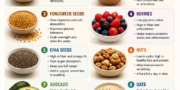
Best Foods for Blood Sugar: A Practical Comparison
| Food | Main nutritional advantage | Practical use |
|---|---|---|
| Oats | Fiber + whole-grain carbohydrate | Breakfast |
| Beans | Fiber + plant protein | Lunch or dinner |
| Lentils | Fiber + plant protein | Soups, curries, bowls |
| Leafy greens | Non-starchy vegetables | Lunch or dinner |
| Nuts | Unsaturated fat + protein + fiber | Snack or meal topping |
| Plain Greek yogurt | Protein | Breakfast or snack |
| Chia seeds | Fiber + healthy fats | Yogurt or oatmeal |
| Berries | Whole fruit + fiber | Breakfast or snack |
| Avocado | Unsaturated fat + fiber | Meals or salads |
| Eggs | Protein | Breakfast or meals |
| Whole grains | Fiber-rich carbohydrate | Main meals |
The Most Important Insight: The Meal Matters
One of the biggest weaknesses in many food-list articles is that they treat foods as if people eat them in isolation.
Real meals are combinations.
For example:
Carbohydrate
Protein
Fiber
Healthy fat
can create a very different meal experience from a large serving of refined carbohydrate by itself.
The CDC specifically explains that eating carbohydrates with protein, fat, or fiber can slow how quickly blood sugar rises.
That is why foods to pair with carbohydrates for blood sugar can be a more useful search question than simply asking which carbohydrate is “good.”
How to Build a Blood-Sugar-Friendly Plate
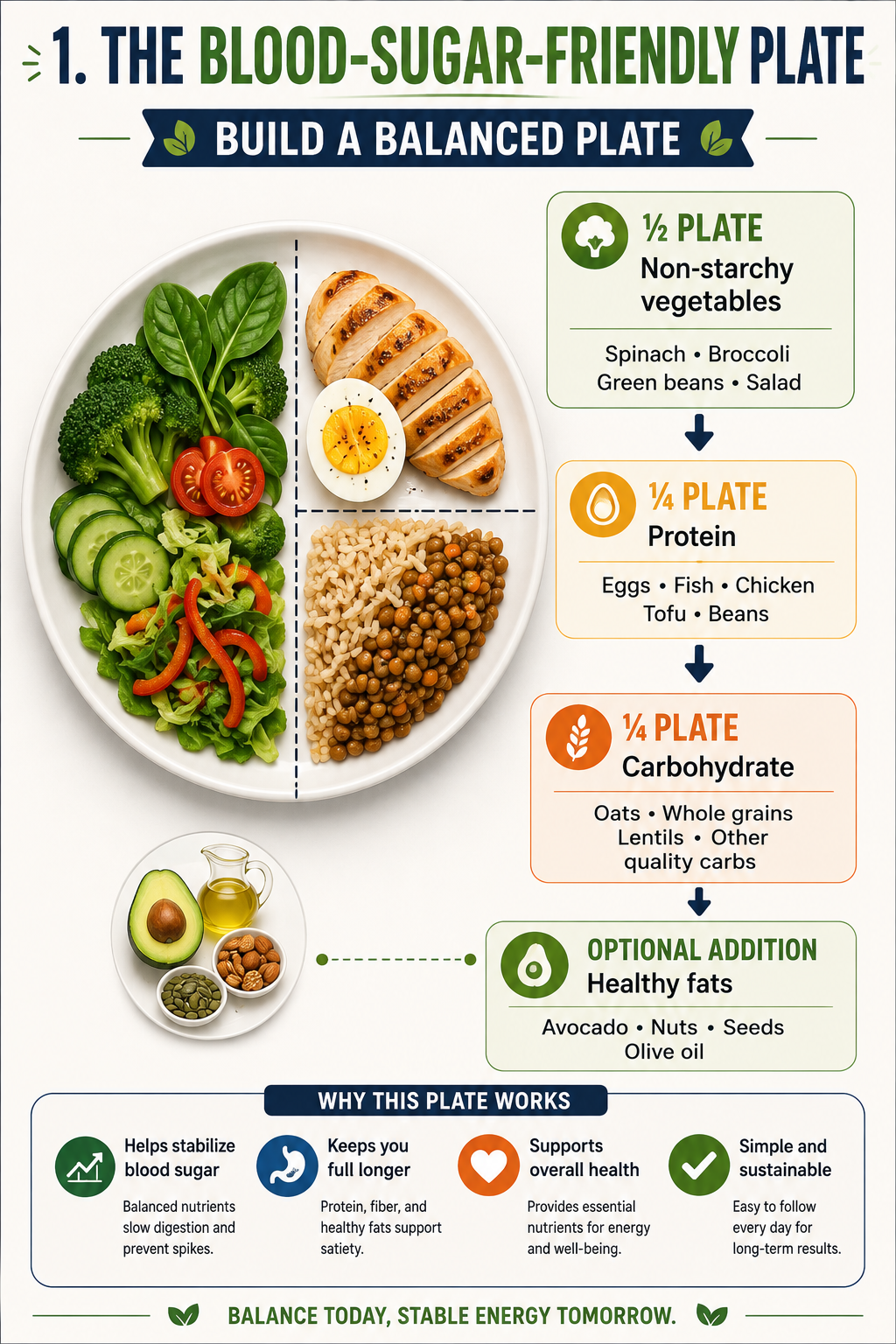
A simple plate framework can make meal planning easier.
Half the plate
Non-starchy vegetables
Examples:
- Spinach
- Broccoli
- Green beans
- Salad
- Peppers
One quarter
Protein
Examples:
- Eggs
- Fish
- Chicken
- Tofu
- Beans
One quarter
Carbohydrate food
Examples:
- Whole grains
- Beans
- Lentils
- Potatoes
- Fruit
The CDC’s plate method uses a similar structure: half non-starchy vegetables, one-quarter lean protein, and one-quarter carbohydrate foods.
What Should I Eat to Manage Blood Sugar?
If you are wondering what you should eat to manage blood sugar, start with your existing meals instead of trying to create a completely new diet.
Ask four questions:
1. Where are my vegetables?
Add more non-starchy vegetables where practical.
2. Where is my protein?
Consider eggs, fish, poultry, tofu, beans, lentils, or plain yogurt.
3. What carbohydrate am I eating?
Look at the type and portion.
4. What could make the meal more balanced?
You may be able to add vegetables, protein, fiber, or a healthier fat.
This approach is much easier to maintain than searching for a perfect food.
Foods to Pair With Carbohydrates for Blood Sugar
Pairing can be particularly useful when planning meals.
Instead of:
Toast alone
Try:
Whole-grain toast + eggs + vegetables
Instead of:
Oats with lots of added sugar
Try:
Oats + berries + nuts
Instead of:
Fruit juice
Try:
Whole fruit + plain yogurt or nuts
The CDC specifically notes that whole fruit raises blood sugar more slowly than fruit juice and that protein, fat, and fiber can slow the rise from carbohydrate-containing foods.
These examples are not guarantees of a specific glucose response.
Individual responses differ.
A Practical One-Day Blood-Sugar-Friendly Meal Plan
This is an example of education, not an individualized medical diet.
Breakfast
Oatmeal
- berries
- nuts or chia seeds
Lunch
Leafy green vegetables
- lentils or another protein
- suitable whole-grain portion
Snack
Plain Greek yogurt
- berries
Dinner
Non-starchy vegetables
- fish, eggs, tofu, chicken, beans, or lentils
- appropriate carbohydrate portion
- avocado, if desired
Drinks
Water or another unsweetened drink can be a simple choice.
The CDC recommends choosing water or low-calorie drinks instead of sugary beverages as part of diabetes meal planning.
What About Low GI Foods?
The glycemic index, or GI, describes how quickly carbohydrate-containing foods can raise blood glucose compared with a reference food.
It can be useful information.
But it shouldn’t become the only measure you use.
A food’s GI doesn’t tell you everything about:
- Portion size
- Total carbohydrate
- Fiber
- Protein
- Fat
- Food processing
- The rest of the meal
The CDC recommends considering both the type and amount of carbohydrate rather than relying on a single characteristic of a food.
So:
Low GI ≠ automatically healthy
and
Higher GI ≠ automatically forbidden.
What About Cinnamon?
Cinnamon is frequently promoted online as a natural blood-sugar remedy.
I would be careful with that claim.
Cinnamon can certainly add flavor to oatmeal, yogurt, fruit, or other foods without requiring much added sugar.
But this article does not treat cinnamon as a treatment for diabetes.
That distinction matters.
A spice can be part of a healthy diet without being a medicine.
What These Foods Cannot Do
This may be the most important section for readers.
These foods cannot guarantee:
- Normal blood glucose
- Diabetes prevention
- Diabetes reversal
- Weight loss
- Elimination of medication
- Protection from every diabetes complication
A healthy eating pattern can be an important part of diabetes management, but treatment can also involve physical activity, medication, glucose monitoring, weight management when appropriate, sleep, and individualized medical care. NIDDK provides guidance on the broader management of diabetes rather than relying on foods alone.
My People-First Approach
Imagine two readers.
Reader A
They are told:
“Never eat carbohydrates.”
They may feel overwhelmed and give up.
Reader B
They are told:
“Keep your familiar foods, but look at portions, add vegetables, include protein, choose higher-fiber carbohydrate options more often, and reduce sugary drinks.”
Reader B has a practical path forward.
That is the approach I prefer.
Healthy eating should be realistic enough to survive ordinary life.
Workdays.
Family meals.
Travel.
Celebrations.
Traditional foods.
Busy evenings.
The CDC also recognizes that cultural foods can be incorporated into healthy eating patterns for people with diabetes.
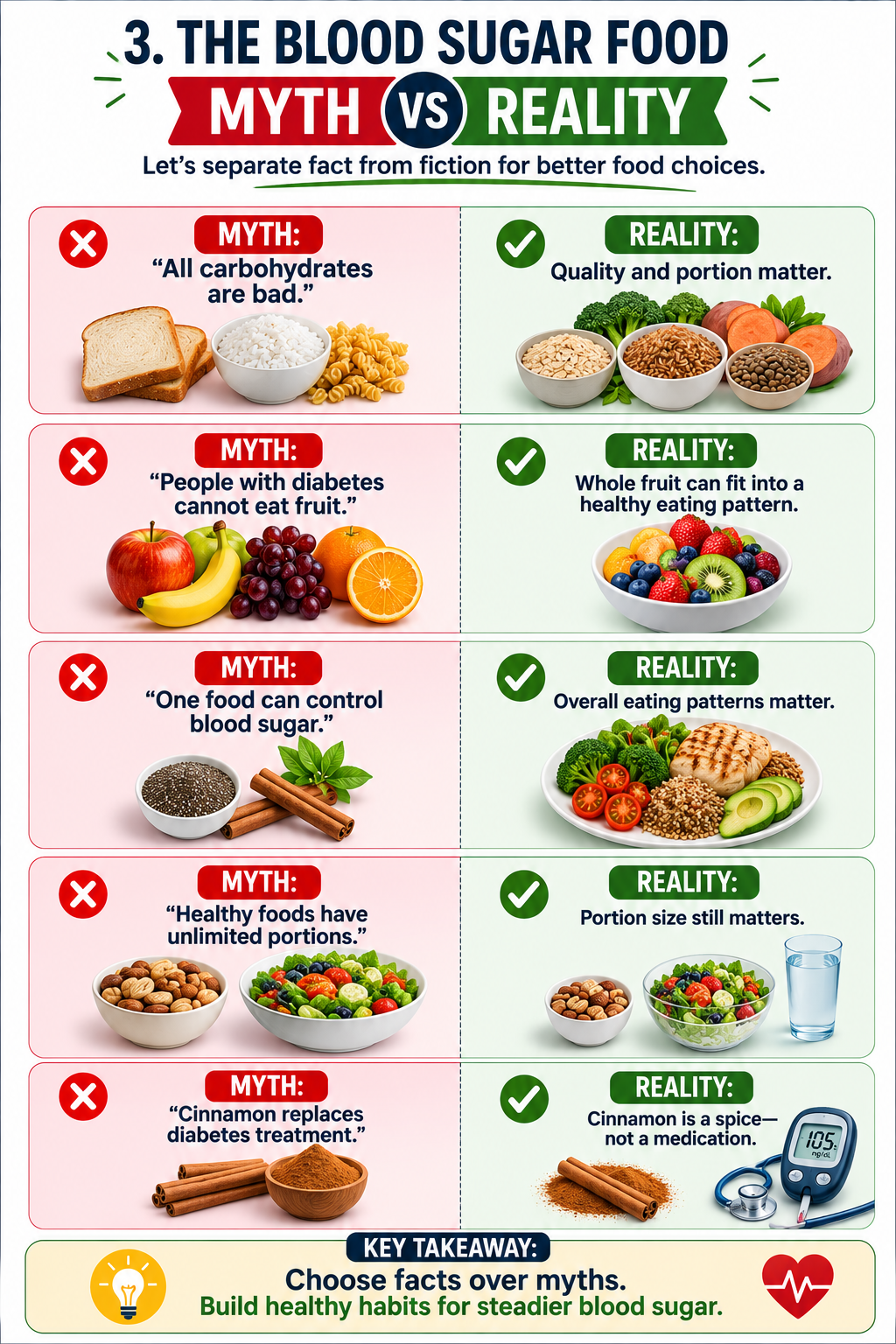
Common Blood Sugar Food Myths
Myth 1: All carbohydrates are bad
Reality: Carbohydrates can be part of a healthy diet. The type, amount, and food combination matter.
Myth 2: Fruit should be avoided
Reality: Whole fruit can fit into a healthy eating pattern.
Myth 3: One food can control blood sugar
Reality: No individual food should be treated as a guaranteed blood-sugar treatment.
Myth 4: Healthy foods have unlimited portions
Reality: Portion size still matters.
Myth 5: Cinnamon replaces diabetes treatment
Reality: Cinnamon is a spice, not a substitute for prescribed treatment.
Myth 6: You must stop eating traditional foods
Reality: Familiar and cultural foods can often be adapted rather than completely eliminated.
What Are the Best High-Fiber Foods for Blood Sugar?
If you’re specifically searching for the best high-fiber foods for blood sugar, consider:
- Beans
- Lentils
- Oats
- Whole grains
- Vegetables
- Berries
- Nuts
- Seeds
- Whole fruit
The CDC identifies fruits, vegetables, whole grains, and legumes as major sources of dietary fiber and notes fiber’s role in blood sugar management.
Rather than suddenly trying to consume huge amounts of fiber, increase fiber-rich foods gradually and drink adequate fluids.
A Simple Grocery List
Vegetables
- Spinach
- Broccoli
- Green beans
- Peppers
- Salad vegetables
Fiber-rich foods
- Oats
- Lentils
- Beans
- Whole grains
Protein
- Eggs
- Plain Greek yogurt
- Fish
- Chicken
- Tofu
Healthy fats
- Almonds
- Walnuts
- Chia seeds
- Avocado
Fruit
- Berries
- Apples
- Other whole fruits you enjoy
This kind of grocery list is more useful than buying expensive “blood sugar control” products.
Four-Part Meal Check
I created this simple framework for this article.
CHECK 1 — FIBER
Where is the fiber?
↓
CHECK 2 — PROTEIN
Where is the protein?
↓
CHECK 3 — CARBOHYDRATE
What carbohydrate am I eating, and what portion?
↓
CHECK 4 — BALANCE
What else is on the plate?
FIBER + PROTEIN + APPROPRIATE CARBOHYDRATE + BALANCE
This isn’t a clinical formula.
It is simply a practical reminder to look at the whole meal rather than one ingredient.
When You Should Talk to a Healthcare Professional
Food choices are important, but some situations require individualized guidance.
Talk with a healthcare professional if you:
- Have diabetes
- Have prediabetes
- Take insulin
- Take medication that can cause low blood glucose
- Are pregnant
- Have unexplained high or low blood sugar
- Are experiencing symptoms that concern you
- Want to make major changes to your diabetes diet
Do not change medication doses based solely on an online food list.
Frequently Asked Questions
1. What are the 10 best foods for blood sugar management?
Examples include oats, beans and lentils, leafy green vegetables, nuts, plain Greek yogurt, chia seeds, berries, avocado, eggs and other protein-rich foods, and whole-grain or high-fiber carbohydrate foods.
No individual food guarantees blood sugar control.
2. What foods help support healthy blood sugar?
Fiber-rich vegetables, legumes, whole grains, whole fruit, nuts, seeds, and balanced protein-containing meals can fit into a healthy eating pattern.
3. What should I eat to manage blood sugar?
Start by building balanced meals containing non-starchy vegetables, protein, appropriate carbohydrate portions, and healthy fats when suitable.
4. What are the best breakfast foods for blood sugar management?
Options can include oatmeal with berries and nuts, plain Greek yogurt with berries and seeds, or eggs with vegetables and an appropriate whole-grain carbohydrate.
5. Are oats good for blood sugar?
Oats can be a useful whole-grain food because they provide carbohydrate and fiber. How they affect an individual depends on portion, preparation, and what else is eaten with them.
6. Are beans and lentils good for people with diabetes?
They can be nutritious choices because they provide fiber and plant protein, but they also contain carbohydrate, so portions and individual meal plans matter.
7. Can people with diabetes eat fruit?
Yes. Whole fruit can fit into a healthy eating pattern. Whole fruit is also different from fruit juice, which can raise blood sugar more quickly.
8. Are nuts good for blood sugar?
Nuts can provide fiber, protein, and unsaturated fats. Research on their effects on glucose markers is mixed, so they should be considered nutritious foods rather than blood-sugar treatments.
9. Should I avoid carbohydrates?
Not necessarily. Carbohydrates can be part of a healthy diet. The CDC recommends choosing carbohydrate foods with fiber and nutrients and paying attention to portions.
10. Can cinnamon lower blood sugar?
Cinnamon should not be treated as a substitute for diabetes treatment. It can be used as a flavoring, but claims that it independently controls blood glucose should be treated cautiously.
11. What foods should I pair with carbohydrates for blood sugar?
Protein, fiber-rich foods, and healthy fats can be paired with carbohydrate-containing foods. The CDC notes that these combinations can slow how quickly blood sugar rises.
12. Can these foods cure diabetes?
No. These foods can be part of a healthy eating pattern, but they are not cures for diabetes and should not replace prescribed treatment.
Conclusion
The 10 best foods for blood sugar management are not magic foods.
They are practical choices that can contribute to a balanced eating pattern.
Oats provide fiber-rich whole-grain carbohydrates.
Beans and lentils provide plant protein and fiber.
Leafy greens can form the vegetable foundation of a meal.
Nuts and seeds provide healthy fats and other nutrients.
Plain Greek yogurt can provide protein.
Berries and other whole fruits provide fiber and micronutrients.
Avocado provides mostly unsaturated fat and fiber.
Eggs and other protein foods can complement carbohydrate-containing foods.
Whole grains can provide quality carbohydrate and fiber.
But the most important lesson is bigger than the list.
Don’t search for one perfect food.
Build better meals.
Think about:
Portion
↓
Fiber
↓
Protein
↓
Carbohydrate quality
↓
Healthy fats
↓
Overall balance
The CDC’s meal-planning guidance emphasizes this broader approach rather than relying on one special food.
So if you remember only one thing from this article, remember this:
Blood sugar management is less about finding one magical food and more about building balanced eating habits you can maintain.
Author Note
About the Author
RVLNSV PRASAD creates reader-focused health and lifestyle content designed to explain nutrition and wellness topics in clear, practical language.
His approach emphasizes reputable health information, practical everyday examples, and a clear distinction between personal observations and evidence-based guidance.
This article is intended for general education and does not replace individualized advice from a qualified healthcare professional.
Medical Disclaimer
This article is for general educational and informational purposes only. It is not a substitute for professional medical advice, diagnosis, or treatment.
If you have diabetes, prediabetes, take glucose-lowering medication, are pregnant, or have another condition affecting blood glucose, speak with a qualified healthcare professional about your individual needs.
Do not stop, reduce, or change prescribed medication based on information in this article.
Evidence-Based Sources
- CDC — Diabetes Meal Planning
- CDC—Carb Counting
- CDC — Fiber and Diabetes
- CDC — Choosing Healthy Carbohydrates
- American Diabetes Association — Eating Healthy
- NIDDK — Guiding Principles for People With or at Risk for Diabetes
- PubMed — Effect of Nuts on Markers of Glycemic Control
- PubMed — Walnut Consumption and Blood Glucose Control
- PubMed — Legume Consumption and Glycemic Control
Read More Stories from Tgis Blog
- 6 Natural Foods to Improve Gut Health: A Comprehensive Guide
- 10 Best Yoga Asanas For Blood Sugar Control
- Intermittent Fasting Can Lose Weight
- 10 Best Herbal Remedies to Control Diabetes
- 10 Ways to Reverse Type 2 Diabetes Permanently
- Home










[…] 10 Best Foods To Control Blood Sugar Levels […]
[…] 10 Best Foods To Control Blood Sugar Levels […]