
























































































































































10 Daily Habits to Reduce Stress Naturally: A Science-Backed Guide to Feeling Calmer Every Day
Author’s Note
As I read research about lifestyle medicine and mental well-being throughout the years, I noted how people tend to seek one quick fix to ease stress. The truth is that lasting change comes from small everyday behaviors, not from the extraordinary. Learning from the recommendations by reputable health organizations and seeing how simple routines are integrated into day-to-day living, I’ve discovered that persistent habits may often make controlling stress seem much more attainable.
This guide offers simple, science-backed, actionable techniques that are easy to start even when you’re short on time.
Daily Habits to Reduce Stress Naturally
Sometimes life feels overwhelming. Many people can feel mentally fatigued due to work commitments, family duties, financial problems, and regular notifications.
The good news is you don’t need expensive products or complicated regimens to reduce stress naturally through daily habits. Every day, you can make choices that can help you feel better emotionally, build resilience, and cope with stressful events.
Stress is a natural part of life. A little of it helps the body respond to challenges. But when stress occurs for weeks or months without proper recovery, it can impact physical and mental health.
So many people wait until they are overwhelmed before they make adjustments. A better approach is to create simple routines that support the body and mind, day by day.
I’ve learned that trying to change everything at once doesn’t work very well. Instead, starting with one modest habit—such as taking a short stroll after work or putting away my phone before bed—felt much more attainable. Eventually those little routines become part of regular life without extra drive.
In this guide you will find practical habits backed by scientific evidence, why they work, and easy strategies to incorporate them into your daily life.
Key Takeaways
- Big changes made occasionally tend to have less long-term influence than small habits done every day.
- Regular physical activity, quality sleep, healthy eating, and mindfulness can help mental wellness.
- Having a regular schedule helps your body to better manage stress.
- The goal of stress management is to reduce the negative effects of stress, not to eliminate it altogether.
- Healthy habits work best when you do them well, not perfectly.
- Oftentimes a combination of several simple behaviors will be more beneficial than any one method.
What is stress?
Stress is the body’s response to anything that is difficult, demanding, or uncertain.
When your brain perceives a challenge, it triggers the ‘fight or flight’ response. Hormones like adrenaline and cortisol prepare your body to respond quickly by increasing your awareness, your heart rate, and your available energy.
This response is useful in crises like escaping danger or finishing a task on time.
The problem occurs when the body continues in this heightened state for long periods of time, without enough time to recover.
Stress that lasts a long time can lead to the following:
- Trouble concentrating
- Poor sleep
- Muscle tension
- Frequent headaches
- Irritability
- Indigestion
- Low energy
- Changes in appetite.
The World Health Organization (WHO) states that various elements, such as daily living habits, social ties, and physical health, affect mental well-being. We can’t always avoid stress, but healthy habits can help us to respond better.
How Stress Impacts Your Mind and Body
Stress affects almost every system in the body.
Brain
Chronic stress can interfere with concentration, memory, and decision-making. Some people may experience increased anxiety or experience racing thoughts.
Heart
Stress hormones cause a temporary rise in heart rate and blood pressure. If that response happens often, it can put more stress on your heart and blood vessels over time.
Immune System
Some may take longer to recover from small diseases. Stress over time might influence the immune system’s response.
Muscle
Many people hold tension in their shoulders, neck, or jaw tight without recognizing it when they are agitated, causing stiffness or discomfort.
Sleep
Stress can make it difficult to fall asleep or stay asleep. Poor sleep can raise feelings of stress and lead to a cycle that is hard to escape.
This knowledge helps to explain why everyday healthy habits influence general well-being, not just mood.
Why Daily Habits Are More Important Than Quick Fixes
Many stress reduction products that promise to work immediately.
But what really creates lasting results are consistent habits.
Think about managing stress as building physical strength. One workout won’t affect your health, but consistent physical activity over several months might bring about visible improvements.
The same goes for mental health.
By adopting a few simple modifications to your daily routine, you may improve your sleep, increase your energy, become more emotionally robust, and better be able to deal with stressful situations.
Healthy lifestyle behaviors, such as regular physical activity, adequate sleep, supportive relationships, and stress-management skills, are important to mental health, according to the American Psychological Association (APA).
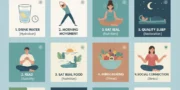
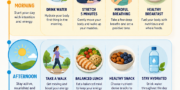
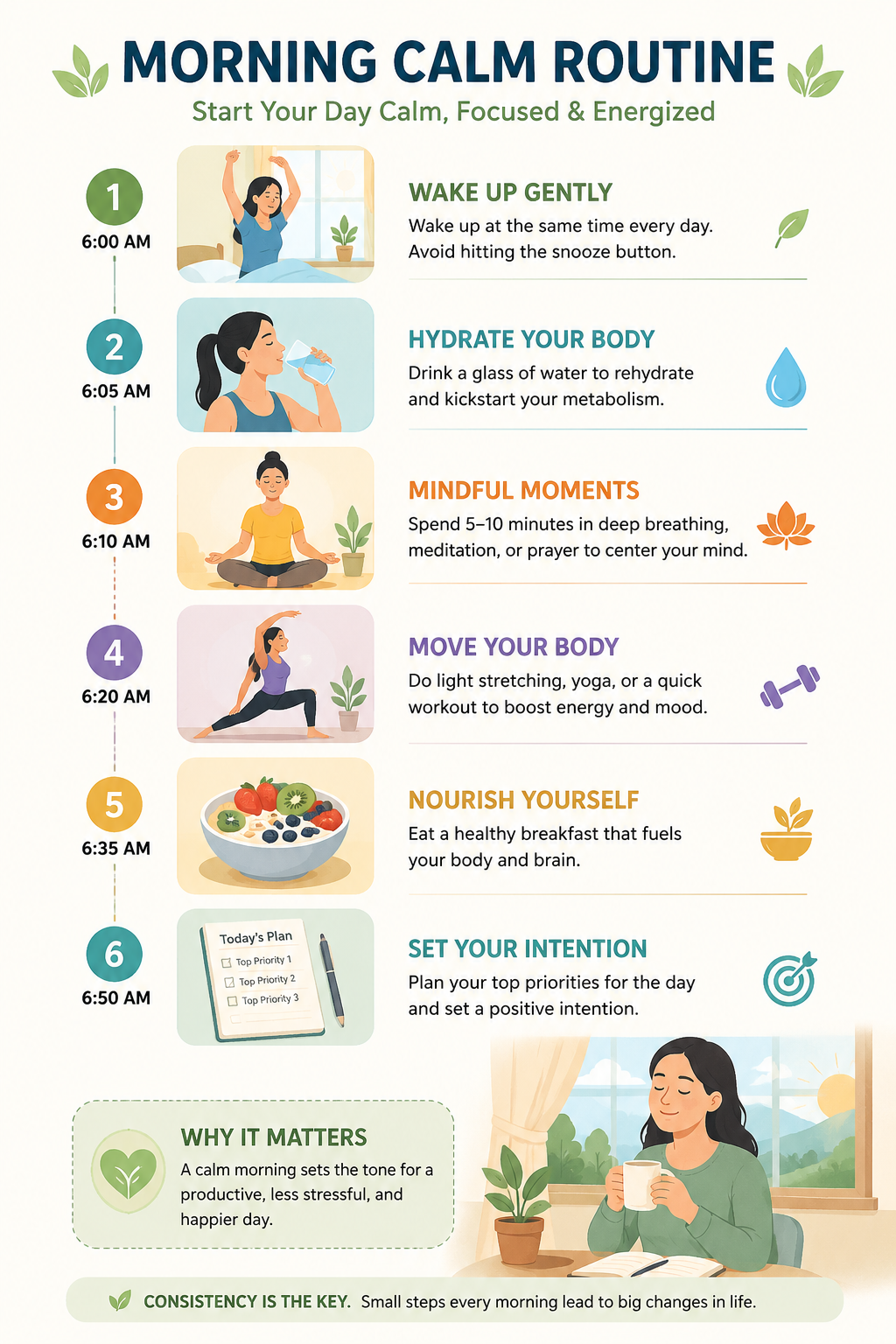
A calm morning routine can help reduce stress before the day becomes busy. The infographic below shows six simple habits you can practice each morning to start your day feeling calmer, more focused, and energized.
1. Start Your Day Without Looking at Your Phone
Many people reach for their phones soon after waking up.
Emails, social media updates, and news alerts can quickly fill your mind with information before the day has even started.
If you wake up to a barrage of notifications, you may feel even more mentally overloaded before you’ve had a chance to focus on yourself.
Why It May Help
A few calm minutes after waking up gives your brain a chance to start your day with more intention.
Instead of reacting immediately to outside demands, you can prepare mentally for the day ahead.
Simple Ways to Get Started
- Drink a glass of water.
- Stretch for a few minutes.
- Open the curtains.
- Take several slow breaths.
- Write down one priority for the day.
Common Mistake
Many people replace social media with work emails, which creates the same problem.
Try delaying all digital notifications for the first 15–30 minutes after waking whenever possible.
2. Move Your Body Every Day
Physical activity is one of the most consistent lifestyle habits associated with better emotional well-being.
You don’t have to go hard to see results.
Brisk walking, slow cycling, dancing, gardening, and simple stretching all help you to move.
The Centers for Disease Control and Prevention (CDC) says frequent physical activity is beneficial for people, both physically and mentally.
Why Movement Matters
Regular physical activity can:
- Support a positive mood
- Better sleep quality
- More energy
- Help relax muscles
- Help you cope better with daily stress.
Simple Ways to Begin
- Stroll after dinner.
- Take the stairs.
- Stretch during work breaks.
- Dance to your favorite music.
- Spend time gardening.
Common Mistake
Waiting for a full hour to exercise often leads to skipping activity altogether.
Even 10–15 minutes of movement is a positive step toward building consistency.
3. Perform Slow Deep Breathing
We breathe naturally, but when we are stressed, we tend to breathe faster and more shallowly.
Taking a few slow, regulated breaths could help your body settle into a calmer state.
A basic breathing exercise many beginners will find easy is to breathe in slowly through the nose, hold your breath briefly, then gently breathe out through the mouth for a little longer than the inhale.
How It Helps
Deep breathing promotes relaxation and can assist in relieving physical tension.
It also provides a short mental pause during busy days.
Practical Times to Use It
- Before meetings
- During traffic
- Before bedtime
- While waiting in line
- After receiving stressful news
Common Mistake
Many people breathe too forcefully.
Gentle, comfortable breathing is usually more relaxing than taking very deep breaths.
4. Get Outside Daily
Modern life requires us to spend most of our days indoors.
Natural light, fresh air, and green places can provide a refreshing contrast to crowded surroundings.
Even a brief trip outside around lunch or a few minutes sitting in a local park can help provide a mental reset.
How Nature Helps
Studies have shown that getting out in nature can reduce stress and increase happiness.
Nature also encourages mild exercise and a break from devices.
Simple Ideas
- Walk around your neighborhood.
- Sit in a local park.
- Water your garden.
- Enjoy your morning tea outdoors.
- Read a book on a balcony or patio.
One habit that became surprisingly helpful for me was taking a short evening walk without headphones. Noticing birds, trees, and the weather helped my mind slow down and relax after a busy day.
Common Mistake
Many people believe they need to spend hours outdoors.
Even 10–20 minutes in a natural setting can be a meaningful addition to a daily routine.
5. Concentrate on Quality Sleep
Your body uses sleep as one of its most effective ways to recover from the stresses of the day.
While you sleep, your brain is processing information, your body is repairing tissues, and stress-related hormones are at normal levels.
Just one night of bad sleep can make you feel irritable, less attentive, and emotionally depleted.
Good sleep supports mental wellness, concentration, and overall health, according to the National Institute of Mental Health (NIMH) and the Centers for Disease Control and Prevention (CDC).
Why It May Help
Quality sleep can:
- Help control stress hormones.
- Improve concentration.
- Promote emotional equilibrium
- Boost daytime energy.
- Reduce fatigue
Simple Ways to Sleep Better
- Go to bed at the same time each night.
- Make your bedroom dark, cool, and quiet.
- Don’t eat large meals close to bedtime.
- Cut down on screen time before bed.
- Read a book or practice gentle stretching before bed.
Common Mistake
Many people try to catch up on lost sleep only during weekends.
It’s often better to have a steady sleep routine throughout the week than to sleep 8–10 hours just once or twice a week.
6. Eat Regular, Balanced Meals
Skipping meals or eating processed snacks might cause your energy levels to dip and fall throughout the day.
Eating won’t solve stress, but eating regular, balanced meals will help your body stay energized and stop you from feeling too exhausted.
A balanced meal usually includes:
- Vegetable
- Whole grains
- Lean protein
- Healthy fats
This combination helps you feel fuller longer and contributes to your overall nutrition.
Why It May Help
Balanced meals may:
- Support stable energy
- Reduce hunger and irritability.
- Provide nutrients your body needs.
- Encourage better eating habits.
Quick Dinner Ideas
Breakfast
- Oatmeal with fruit and nuts
- Whole grain toast and eggs
Lunch
- Brown rice, veggies and grilled chicken
- Lentil soup with salad
Dinner
- Grilled fish with vegetables
- Vegetable stir-fry with beans
Healthy Snacks
- Almonds with apple
- Berries with plain yogurt
- Carrot sticks with hummus
Common Mistake
When anxious, many people reach for sugary drinks or processed snacks.
While these foods could provide temporary comfort, they frequently result in an energy crash soon after.
7. Practice Gratitude Every Day
Gratitude isn’t pretending that life isn’t challenging.
Rather, it helps us notice positive movements that we might otherwise miss.
The research in positive psychology reveals that gratitude practice on a daily basis might support mental health and promote happy moods.
Even the smallest moments deserve attention.
Examples Include:
- Enjoying a peaceful morning
- Completing a difficult task.
- Appreciating good health.
- Receiving support from a friend.
A Simple Gratitude Habit
Each evening, write down three things that went well during the day.
They don’t have to be major achievements.
Small moments often have the greatest long-term impact.
Common Mistake
Many believe thankfulness should be reserved for important life events.
The truth is, it’s generally easier to keep the habit of observing everyday occurrences.
8. Surround Yourself With Supportive People
Stress frequently feels heavier when you try to handle things by yourself.
Talking to someone you trust can help you feel supported, see things from a new perspective, and feel more secure during difficult times.
Healthy relationships are important for overall well-being.
According to the American Psychological Association, strong social support helps people cope more effectively with everyday stress.
Ways to Stay Connected
- Call a family member.
- Meet a friend for coffee.
- Eat meals together.
- Join a local community group.
- Volunteer in your neighborhood.
A short talk can make you feel less lonely.
Common Mistake
Many people wait until they are so overwhelmed with stress that they can’t cope.
Good times and difficult times Regular contact often fosters deeper ties.
9. Create Screen-Free Times
Phones, computers, and televisions are part of everyday life.
Technology has many benefits, but the constant stream of incoming information and scrolling can be mentally draining.
To recover from the consistent flow of information, your brain also needs time, and regular breaks from screens might help with the process.
How it helps
Screen-free time can:
- Clear your mind.
- Improve your focus.
- Sleep better.
- Encourage real-life activities.
- Spend more time with family.
Easy Ways to Reduce Screen Time
- Turn off unnecessary notifications.
- Leave your phone in another room during meals.
- Read a printed book.
- Spend time outdoors.
- Choose one screen-free hour before bedtime.
Common Mistake
Trying to stop using technology completely.
Instead, set reasonable boundaries that fit in with your day-to-day routine.
10. Make Time for Activities You Enjoy
Enjoyable activities are often the first things people give up when life becomes busy.
Ironically, these activities may be exactly what helps restore emotional balance.
You don’t need expensive hobbies.
Simple enjoyable activities include:
- Reading
- Gardening
- Painting
- Listening to music
- Cooking
- Photography
- Knitting
- Playing with pets
- Writing
- Learning a new skill
Making time for enjoyable experiences reminds the brain that life contains more than responsibilities.
Why It Helps
Pleasurable activities provide an opportunity to relax, refuel, and feel positive
They also help create a healthier work-life balance.
Common Mistake
Waiting until everything else is finished.
It’s easier to stick with self-care when it’s part of your schedule, not an occasional treat.
Quick Comparison: Stress Cycle vs. Healthy Habit Cycle
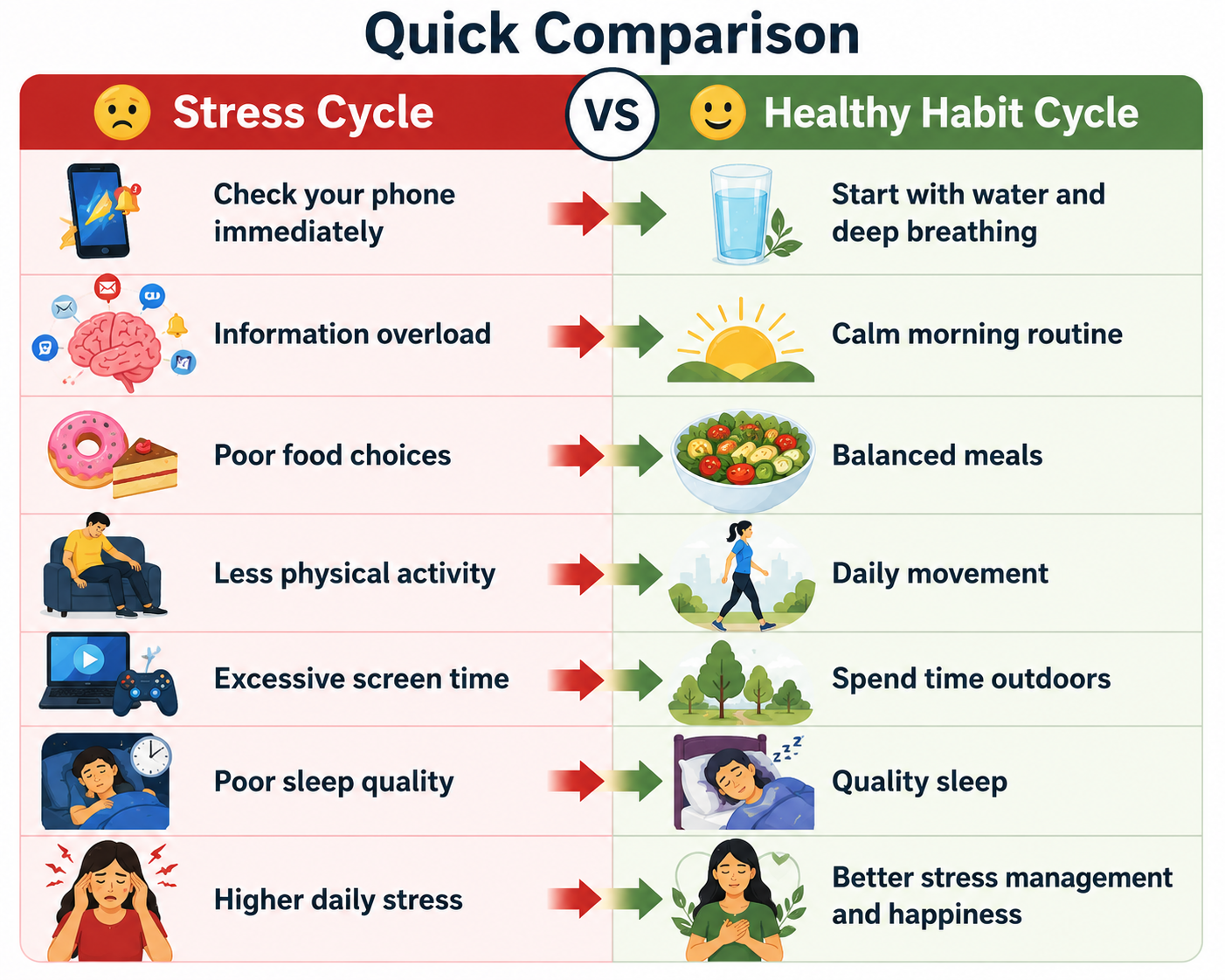
Comparison Table: Daily Habits to Reduce Stress Naturally
| Daily Habit | Main Benefit | Easy Way to Start |
|---|---|---|
| Delay phone use | Creates a calmer morning | Wait 20 minutes before checking notifications. |
| Daily movement | Supports mood and energy | Walk after lunch. |
| Slow breathing | Encourages relaxation | Practice for 5 minutes. |
| Spend time outdoors. | Refreshes the mind | Sit outside after breakfast. |
| Quality sleep | Helps the body recover | Maintain a regular bedtime. |
| Balanced meals | Supports steady energy | Include vegetables with lunch. |
| Gratitude | Encourages positive thinking | Write three good things each evening. |
| Social connection | Builds emotional support | Call a friend weekly. |
| Screen-free time | Reduces information overload | One hour before bed |
| Enjoyable hobbies | Helps recharge emotionally | Schedule 30 minutes weekly. |
Morning Routine vs. Evening Routine
| Morning Routine | Evening Routine |
| Drink water. | Reduce screen time. |
| Stretch for five minutes. | Gentle stretching |
| Delay phone use | Read a book. |
| Healthy breakfast | Write a gratitude journal. |
| Walk outside. | Sleep at a regular time. |
Healthy Habits vs. Habits That May Increase Stress
| Healthy Habit | Habit That May Increase Stress |
| Regular sleep | Staying up late most nights |
| Daily movement | Sitting for long periods |
| Balanced meals | Frequently skipping meals |
| Outdoor time | Spending all day indoors |
| Mindful breathing | Constant rushing |
| Talking with others | Isolating yourself |
| Healthy boundaries | Always saying yes |
| Planned breaks | Working without breaks |
Common Mistakes That Can Complicate Stress Management
Even good behaviors could be affected by unrealistic expectations.
1. Trying to Change Everything at Once
Starting ten new habits on the same day often becomes overwhelming.
Choose one habit first.
Add another only after the first feels natural.
2. Expecting Immediate Results
Good habits don’t always pay off right away.
Big developments are sometimes preceded by tiny increases.
Not speed, but consistency.
3. Ignoring Physical Health
Stress management is not just about relaxing.
Movement, good food, hydration, and sleep affect emotional health.
4. Working Without Breaks
If you work hard and long, attention may wander and mental fatigue may set in.
Short breaks during the day frequently increase productivity.
5. Don’t Compare Yourself To Others
Everyone handles stress differently.
Instead of attempting to copy someone else’s schedule, create routines that fit your lifestyle.
6. Not Making Time To Relax
Productivity cannot be maintained all the time.
To keep the balance, make sure to make time for fun things.
7. Believing Stress Can Be Completely Eliminated
Being stressed in your life is normal.
The goal is not to eliminate stress but to help you adapt better to the challenges.
Myth vs. Fact
| Myth | Fact |
| Stress is always harmful. | Short-term stress can help you respond to challenges. Long-term unmanaged stress is the greater concern. |
| One relaxation technique works for everyone. | Different people benefit from different combinations of healthy habits. |
| Self-care is selfish. | Looking after your health helps you care for others more effectively. |
| Exercise must be intense. | Moderate daily movement also supports emotional well-being. |
| Busy people don’t have time for stress management. | Even a few minutes each day can help build healthier routines. |
One-Week Beginner Stress-Relief Action Plan
Building healthier habits becomes easier when you focus on one small change at a time. Rather than trying to change your entire lifestyle overnight, add one simple habit each day and continue practicing the previous ones.
| Day | Simple Habit | Goal |
|---|---|---|
| Monday | Delay checking your phone for 20 minutes after waking | Begin the day with a calmer mindset. |
| Tuesday | Take a 20-minute walk. | Add gentle daily movement. |
| Wednesday | Practice slow breathing for 5 minutes. | Encourage relaxation during busy moments. |
| Thursday | Eat one balanced meal with vegetables, lean protein, and whole grains. | Support steady energy throughout the day. |
| Friday | Spend at least 20 minutes outdoors. | Refresh your mind with natural surroundings. |
| Saturday | Call or meet someone you enjoy talking to. | Strengthen supportive relationships. |
| Sunday | Prepare your schedule, practice gratitude, and go to bed on time. | Start the new week feeling organized. |
You don’t have to follow this schedule exactly. The goal is to build habits that fit naturally into your own routine.
Small Daily Habits Can Make Big Differences
Many people assume they need to make big lifestyle changes to be able to feel less stressed.
The truth is that small daily habits, when done consistently, usually have more enduring results than major changes that are hard to keep up.
Try to incorporate one or two of these behaviors into your day:
- Drink a glass of water just after waking.
- Stretch for five minutes before work.
- Walk during your lunch break.
- Eat one extra serving of vegetables.
- Pause for slow breathing before important meetings.
- Spend a few minutes outside each day.
- Turn off unnecessary phone notifications.
- Write down three positive moments before bed.
- Read instead of scrolling through social media at night.
- Go to bed at the same time most evenings.
Small improvements become meaningful when they are repeated over weeks and months.
Frequently Asked Questions
1. What are the best everyday behaviors to lower stress naturally?
Some of the best daily habits include regular physical activity, sufficient sleep, eating nutritious foods, deep breathing, and spending time outside with good connections. Cut down on excessive screen time. Practice gratitude, spend time outside, and adopt healthy habits for better benefits than relying on just one method.
2. How fast do stress reduction approaches work?
Everyone has a distinct time frame.
Some people notice tiny changes in mood or relaxation within days, but other benefits like better sleep or greater resilience may take many weeks of persistent practice to develop.
The key is to stay consistent, not perfect.
3. Can you avoid stress altogether?
No.
Stress is a normal part of life; it allows us to rise to challenges.
The aim is not to get rid of stress but to improve your body’s and mind’s responses to ordinary conditions.
Good habits can help make stressful situations more manageable.
4. Can exercise really help reduce stress?
Yes.
Physical activity has been consistently associated with physical and mental well-being.
Moving your body in ways you enjoy—walking, cycling, swimming, strength training, yoga, and more—may help to enhance mood, promote better sleep, and decrease muscle stress.
5. What meals can help boost mental health?
No one food will prevent stress, but a healthy eating pattern that includes fruits, vegetables, whole grains, lean meats, legumes, nuts, seeds, and healthy fats delivers nutrients to support general health.
Cutting back on highly processed foods and sugary drinks may also help you keep a stable energy level throughout the day.
6. Is it normal to feel stressed every day?
It is normal to feel stressed from time to time when facing life’s challenges.
However, if you feel that stress is becoming overpowering and lasting for several weeks or starting to interfere with sleep, work, relationships, or daily activities, it’s crucial to consult a skilled healthcare expert.
7. Will breathing exercises work for everyone?
Many people find slow breathing techniques beneficial. They encourage relaxation and provide a normal break.
We are all different, and it may take some time to find what works best for you.
8. When to seek professional help?
If you’re stressed, consider talking to a healthcare professional if:
Stress lasts for 2 to 3 weeks or longer.
Stress affects your work or school.
It affects your relationships.
Causes long-term sleep issues.
Causes signs of chronic anxiety or sadness.
It interferes with your daily life.
A healthcare professional can help you determine which strategies will work best for you.
Author Credibility
This article is based on reliable online sources of information, including the recommendations of the American Psychological Association (APA), National Institute of Mental Health (NIMH), World Health Organization (WHO), Mayo Clinic, Harvard Health Publishing, Centers for Disease Control and Prevention (CDC), and peer-reviewed scientific research.
It also provides important information on how to build realistic day-to-day routines that enhance long-term well-being. We’re talking sustainable lifestyle practices, not quick fixes or false promises.
References
- American Psychological Association (APA) – Stress Management Resources
- National Institute of Mental Health (NIMH) – Caring for Your Mental Health
- World Health Organization (WHO) – Mental Health
- Centers for Disease Control and Prevention (CDC) – Coping with Stress
- Harvard Health Publishing – Stress Management
- Mayo Clinic – Stress Symptoms and Causes
- Cleveland Clinic – Stress Management
- National Institutes of Health (NIH)
- PubMed – Stress and Lifestyle Research
Conclusion
You don’t need a perfect plan or a massive lifestyle shift to manage your stress.
It starts with the simple decisions you make every day.
Getting your body moving, getting enough sleep, eating balanced meals, spending time outside, reducing unneeded screen time, practicing appreciation, and connecting with supportive people can all help with greater mental health over time.
Remember that progress is rarely immediate. Some days will be easier than others, and that’s just fine.
Instead of comparing yourself to others, concentrate on establishing one positive behavior at a time. Once these habits become part of your daily life, they can help you feel calmer, more resilient, and better equipped to deal with the problems of everyday life.
If you’re feeling overwhelmed or if stress is interfering with your everyday life, consider talking to a trained healthcare provider for help. The optimal way to promote long-term mental and physical health is a blend of effective lifestyle practices and the right expert help.
Medical Disclaimer
This material is for educational purposes only and is not meant to be a substitute for professional medical advice, diagnosis, or treatment. If you are suffering from chronic stress, anxiety, depression, or any other mental health problem, seek advice from a skilled health expert for tailored advice before making any major changes to your healthcare plan.
- 5 Meditation Techniques for Emotional Balance: A Path to Inner Peace
- 8 Effective Habits to Boost Mental Clarity and Focus
- 7 Natural Ways to reduce Anxiety and Stress Daily: A Comprehensive Guide
- 6 Mindfulness Practices for Mental Health: A Path to Inner Peace and Emotional Resilience
- How to Improve Your Mood with Healthy Habits: A Comprehensive Guide
- Home
- Category Healthy Habits







[…] Healthy Daily Habits for Stress Reduction: A Comprehensive Guide […]
[…] Healthy Daily Habits for Stress Reduction: A Comprehensive Guide […]
[…] Healthy Daily Habits for Stress Reduction: A Comprehensive Guide […]
[…] Healthy Daily Habits for Stress Reduction: A Comprehensive Guide […]
[…] Healthy Daily Habits for Stress Reduction: A Comprehensive Guide […]
[…] Healthy Daily Habits for Stress Reduction: A Comprehensive Guide […]
[…] Healthy Daily Habits for Stress Reduction: A Comprehensive Guide […]
[…] Healthy Daily Habits for Stress Reduction: A Comprehensive Guide […]
[…] Healthy Daily Habits for Stress Reduction: A Comprehensive Guide […]
[…] Healthy Daily Habits for Stress Reduction: A Comprehensive Guide […]
[…] Healthy Daily Habits for Stress Reduction: A Comprehensive Guide […]
[…] Healthy Daily Habits for Stress Reduction: A Comprehensive Guide […]
[…] Healthy Daily Habits for Stress Reduction: A Comprehensive Guide […]
[…] Healthy Daily Habits for Stress Reduction: A Comprehensive Guide […]
[…] Healthy Daily Habits for Stress Reduction: A Comprehensive Guide […]
[…] Healthy Daily Habits for Stress Reduction: A Comprehensive Guide […]
[…] Healthy Daily Habits for Stress Reduction: A Comprehensive Guide […]
[…] Healthy Daily Habits for Stress Reduction: A Comprehensive Guide […]
[…] Healthy Daily Habits for Stress Reduction: A Comprehensive Guide […]
[…] Healthy Daily Habits for Stress Reduction: A Comprehensive Guide […]
[…] Healthy Daily Habits for Stress Reduction: A Comprehensive Guide […]
[…] Healthy Daily Habits for Stress Reduction: A Comprehensive Guide […]
[…] Healthy Daily Habits for Stress Reduction: A Comprehensive Guide […]
[…] Healthy Daily Habits for Stress Reduction: A Comprehensive Guide […]