








































































































































































9 Daily Yoga Benefits for Mental and Physical Wellness (Science-Backed Guide)
Author: R.V.L.N.S.V. Prasad
Fact-Checked By: Wellness Research Team
Updated On: July 2026

Author Note
RVLNSV PRASAD writes about practical wellness habits and evidence-based lifestyle topics. He researches guidance from trusted medical organizations, including the National Institutes of Health (NIH), the National Center for Complementary and Integrative Health (NCCIH), Mayo Clinic, Harvard Health Publishing, and Cleveland Clinic, to create accurate, reader-friendly health content. His articles focus on nutrition, sleep, stress management, exercise, and sustainable healthy living, helping readers make informed wellness decisions based on credible medical evidence.
Introduction
Daily yoga benefits for mental and physical wellness have gained growing attention as more people look for simple ways to feel healthier and less stressed. That is one reason yoga has become popular again. People use yoga to relax, sleep better, improve flexibility, and feel calmer during busy days. NCCIH – Yoga: What You Should Know
A few years ago, I saw a friend start doing simple yoga stretches after work. She wasn’t trying to become an athlete or perform difficult yoga poses. She only wanted to reduce stress and ease the aches and pains she got from sitting at a desk all day.
After a few months, I saw changes in her. She complained less about back pain. She slept better, felt calmer, and also had more energy during the day. That experience changed the way I viewed yoga and healthy routines.
What Are the Daily Yoga Benefits for Mental and Physical Wellness?
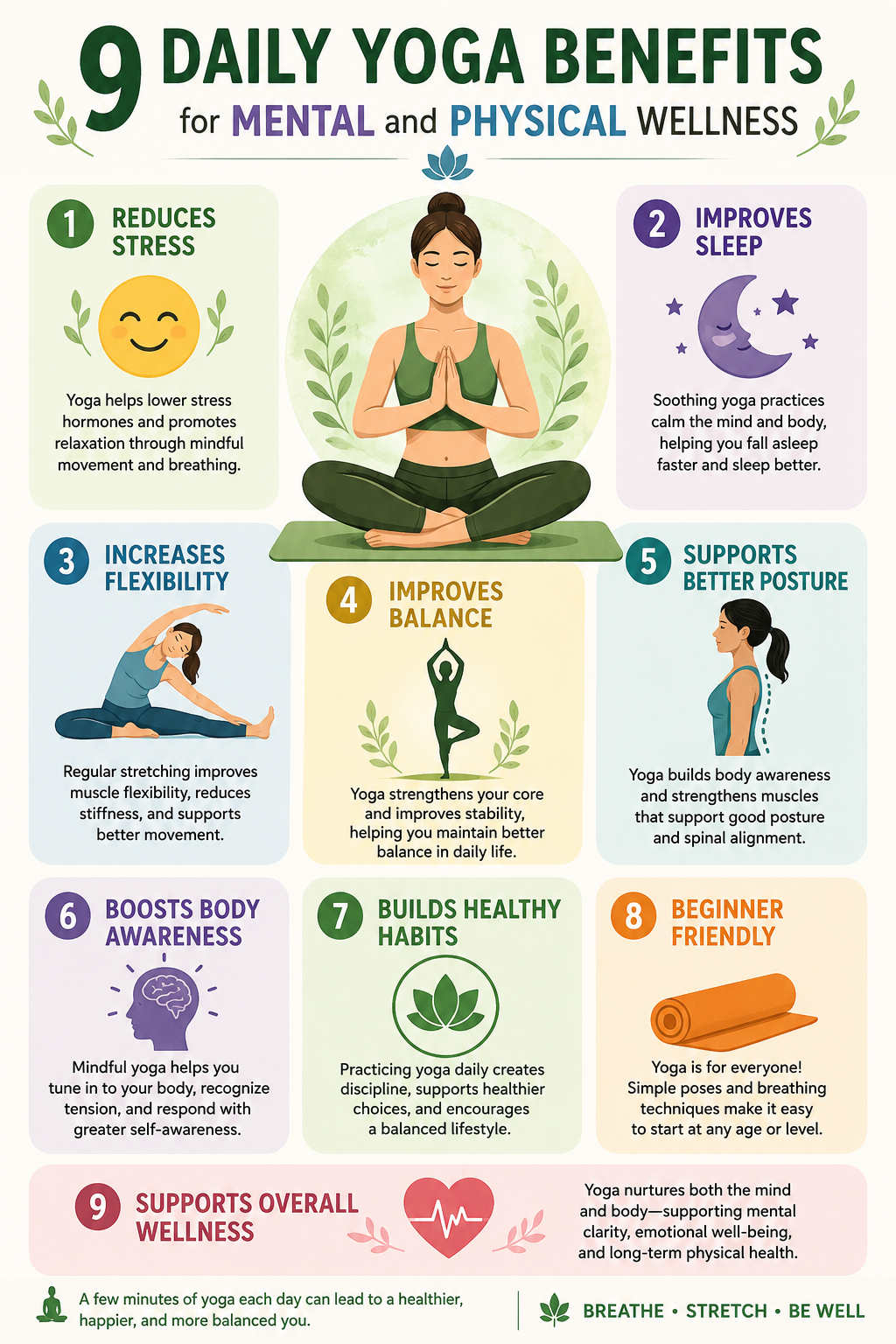
Practicing yoga regularly may help reduce stress, improve flexibility, support better sleep, enhance balance and posture, increase body awareness, and encourage healthier daily habits. Even a few minutes of gentle stretching and mindful breathing each day can contribute to better physical and mental well-being over time. According to trusted organizations such as the NIH, Mayo Clinic, and Cleveland Clinic, yoga can be a safe and effective addition to a healthy lifestyle for many people when practiced appropriately.
Summary Table: 9 Daily Yoga Benefits for Mental and Physical Wellness
| Daily Yoga Benefit | How It May Help |
|---|---|
| 1. Reduces Stress | Gentle movement and breathing exercises may help calm the mind and support stress management. |
| 2. Improves Flexibility and Balance | Regular stretching may increase flexibility, improve balance, and make everyday movement easier. |
| 3. Supports Better Sleep | Relaxing yoga practices before bedtime may help improve sleep quality and promote relaxation. |
| 4. Encourages Better Posture | Yoga helps increase body awareness, which may support healthier posture and reduce stiffness from prolonged sitting. |
| 5. Increases Body Awareness | Mindful movement helps you notice muscle tension, breathing patterns, and physical discomfort earlier. |
| 6. Builds Healthy Daily Habits | Practicing yoga regularly can encourage consistent routines that support overall wellness. |
| 7. Beginner-Friendly | Simple poses and breathing exercises make yoga accessible for people of all fitness levels. |
| 8. Helps Avoid Common Wellness Mistakes | Learning proper techniques and progressing gradually may reduce the risk of overexertion or injury. |
| 9. Supports Overall Mental and Physical Wellness | Combining movement, breathing, and mindfulness may improve both physical health and emotional well-being over time. |
Why Yoga Matters in Daily Life
Modern life can be exhausting. For many people, long hours of sitting, working on computers, using phones, and stress are common activities. Over time, these habits can affect both physical and mental health.
Often people notice:
- Body stiffness
- Poor sleep
- Low energy
- Stress
- Difficulty relaxing
The Mayo Clinic, Harvard Health, and other health experts explain how stress and physical strain are connected. Stress can influence your sleep, muscles, mood, and energy levels. NCCIH (National Center for Complimentary and Integrative Health)
This connection is one reason many people choose to include yoga in their daily routine.
Yoga is not only about difficult poses. Simple stretching, controlled breathing, and gentle movement can also help the body feel better.
Read: Healthy Daily Habits for Stress Reduction
Related: Benefits of Morning Walks for Mental Health
You may also enjoy: Healthy Evening Habits for Better Sleep
1. Yoga May Help Reduce Stress Levels Naturally
Stress affects both the body and mind.
Sometimes people notice stress in their bodies before they recognize it emotionally. Tight shoulders, headaches, shallow breathing, and fatigue are common signs.
Yoga combines movement, breathing, and relaxation techniques. That is one reason many people use yoga to help manage stress. Source
According to Cleveland Clinic and Harvard Health, slow breathing exercises may help calm the nervous system. Source
Common yoga practices may include:
- Gentle stretching
- Deep breathing
- Slow movements
- Quiet relaxation
- Mindfulness exercises
I noticed these effects myself during busy work periods. Even a short stretching session often helped me feel calmer afterward.
The results were not immediate, but over time, the habit became easier to maintain.
2. Yoga May Improve Flexibility and Balance Over Time
Many people think yoga is only about flexibility. However, yoga can also support balance, posture, and ease of movement.
Sitting for long periods can lead to stiffness in places such as the neck, shoulders, hips, and lower back.
Gentle stretching can help the body feel more comfortable with movement over time. Source
Research from the National Center for Complementary and Integrative Health (NCCIH) suggests that regular yoga practice may improve flexibility, balance, and overall physical well-being. (Source: NCCIH – Yoga for Health)
Some beginner yoga benefits may include the following:
- Improved posture
- Better balance
- Less rigidity
- Easier movement
- Improved body awareness
Most changes happen slowly. Being consistent is more important than performing difficult poses.
3. Yoga May Help Improve Sleep Quality
Poor sleep can affect nearly every aspect of daily life. After a sleepless night, people often feel more irritable, fatigued, and distracted.
According to The Sleep Foundation, developing soothing behaviors before bed can help promote better sleep. Some people do gentle yoga in the evening to prepare for sleep. (Source: Verywell Health – Bedtime Yoga and Sleep)
Helpful habits may include:
- Slow stretching
- Deep breathing
- Relaxation poses
- Reduced screen time
- Quiet relaxation
I experienced these effects myself after spending too much time on my phone at night. Stressful evenings often made it harder for me to fall asleep.
Doing a few stretches before bed helped me relax both physically and mentally.
4. Yoga May Help Improve Posture
Poor posture has become very common.
Many people spend hours sitting at desks or looking down at their phones. Over time, these habits may contribute to neck pain, shoulder tension, and lower back stiffness.
Yoga helps improve body awareness and movement. (Source: NCCIH – Yoga for Health)
Here are some simple ways yoga may help:
- Sit more comfortably
- Maintain better posture
- Reduce stiffness
- Better body alignment
Even small improvements may make daily activities feel easier.
5. Yoga Helps Improve Body Awareness
Many people move through the day without paying attention to how their body feels. Yoga encourages slower movement and mindfulness. (Source: NCCIH – Stress)
Such practices may help people become more aware of the following:
- Stress levels
- Muscle tension
- Breathing patterns
- Fatigue
- Physical discomfort
At one point, I thought wellness depended entirely on intense exercise.
Later I discovered that slowing down and paying attention was important too. It helped me recognize stress and unhealthy habits earlier.
That awareness makes it easier to make healthy choices throughout the day.
6. Yoga Helps You Build Healthy Habits
Healthy practices often support each other.
Those who practice yoga regularly may become more aware of the following:
- Sleep patterns
- Stress levels
- Daily movement habits
- Eating habits
- Relaxation and recovery time
Yoga does not change your life overnight. However, it may help people maintain healthy habits more consistently.
Health experts generally say that simple habits, practiced every day, are usually more effective than rigorous routines. (Source: NCCIH – 5 Things You Should Know About Yoga)
7. Beginner Yoga Benefits Often Start With Small Steps
Many people avoid yoga because they think they need to be flexible first. That is not true. Most beginner yoga routines start with basic movements.
Examples may include:
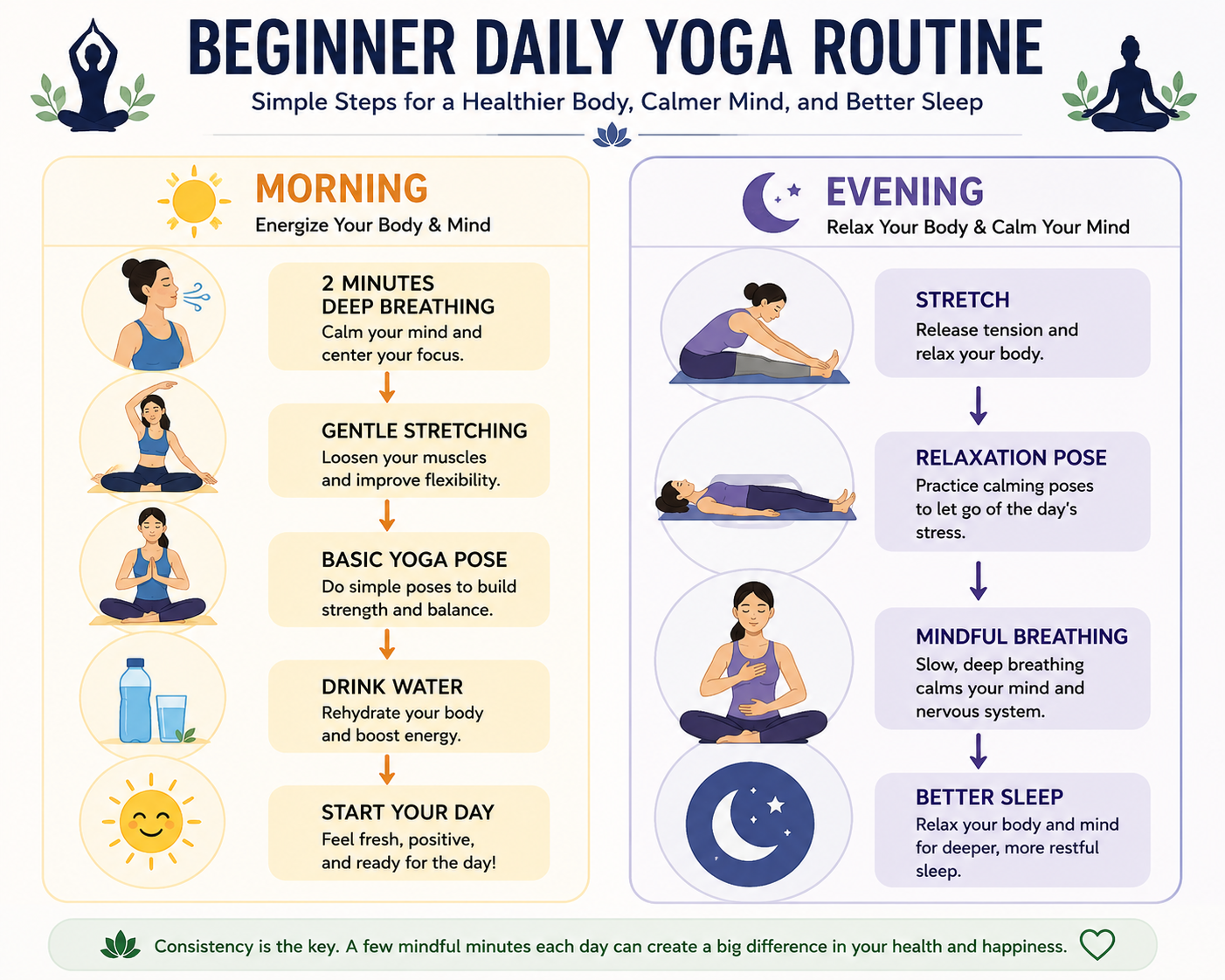
- Five minutes of stretching
- Deep breathing exercises
- Simple seated poses
- Slow morning movement
- Relaxation exercises
You do not need perfect flexibility to begin. Consistent daily practice matters more than performing difficult poses. Many beginners feel more comfortable using short guided videos at home. (Source: NCCIH – Yoga for Health)
8. Common Mistakes People Make When Starting Yoga
I’ve seen many people make the same mistakes when they first start practicing yoga.
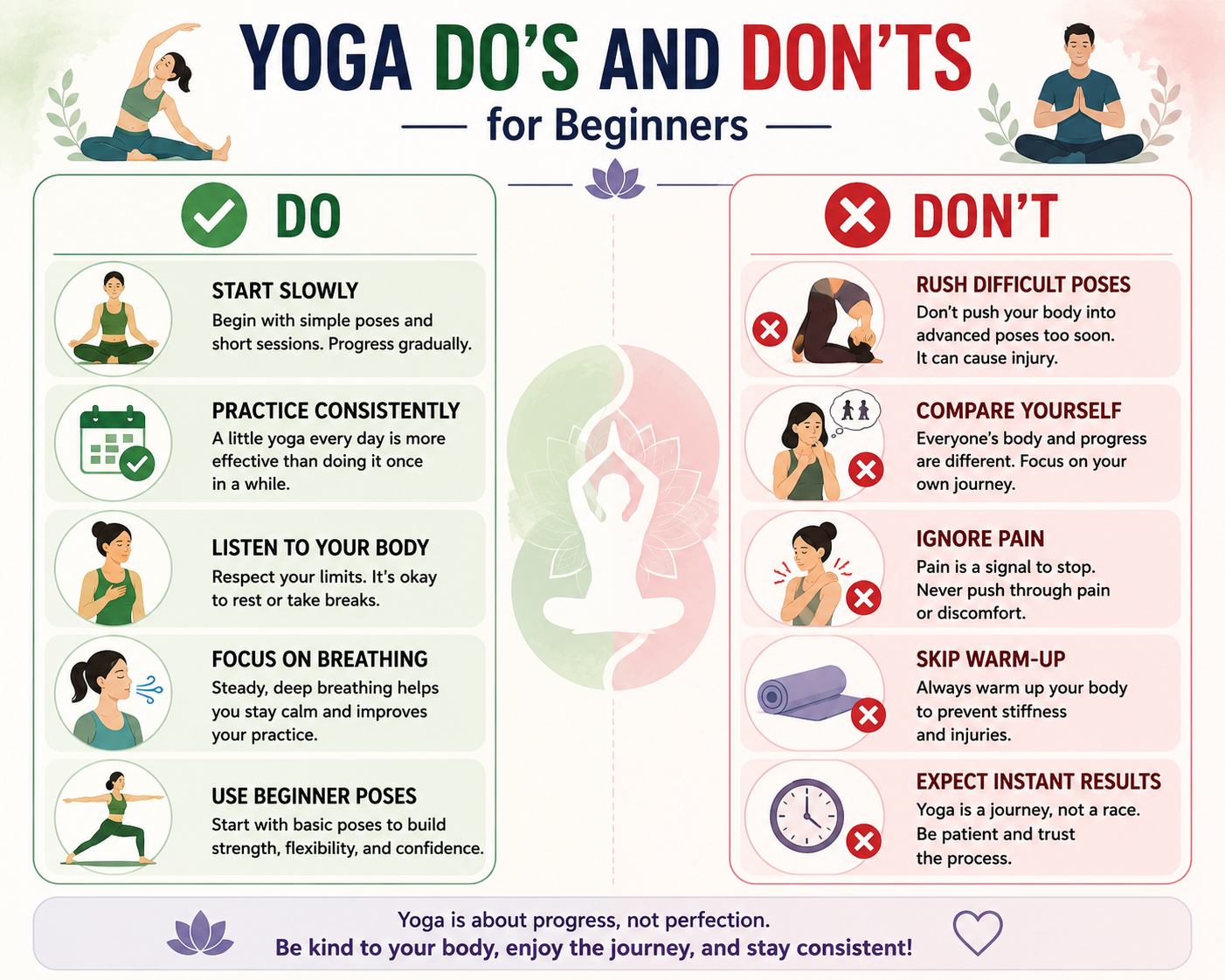
Common mistakes may include:
- Expecting quick results
- Comparing yourself to others
- Trying difficult poses too early
- Ignoring pain or discomfort
- Doing extreme routines
My biggest error was expecting results right away. I believed the stress relief and flexibility would come quickly. However, the benefits appeared gradually through consistent practice.
That experience completely changed my approach to wellness.
9. Safety Precautions Before You Start Yoga
Yoga can be safe for many people when practiced carefully. However, safety is still important.
Helpful safety tips include:
- Start slowly
- Avoid movements that cause pain
- Follow beginner-friendly routines
- Listen to your body
- Speak with a healthcare professional if needed (Source: NCCIH – 5 Things You Should Know About Yoga)
Some injuries and medical conditions may require further guidance. Yoga should help the body feel better, not create unnecessary strain.
Simple Daily Yoga Habits That Feel Realistic
Many people struggle with consistency because they try to do too much too quickly.
Simple habits often feel easier to maintain.
Morning
- Two minutes of stretching
- Deep breathing exercises
- Gentle neck movements
Afternoon
- Short standing breaks
- Quick movement breaks
Evening
- Relaxation breathing exercises
- Gentle stretching
- Quiet screen-free time
Small routines are usually easier to continue long-term.
What I Learned From Doing Yoga Regularly
Here is what I learned from practicing yoga regularly.
- My shoulders weren’t so tense.
- I slept better.
- After difficult days, it was simpler to rest.
Source
- NCCIH – 5 Things You Should Know About Yoga
- NCCIH – Stress
- NCCIH – 5 Things to Know About Relaxation Techniques for Stress
- NCCIH – Yoga for Health
Conclusion
The daily yoga benefits for mental and physical wellness often begin with small, consistent practices.
You do not need to be extremely flexible or spend hours training to get started. Just a few minutes of gentle stretching or mindful breathing each day may improve balance, relaxation, and overall well-being over time.
Significant changes take time. Small actions practiced consistently often have the greatest long-term impact.
Medical Disclaimer
This material is for informational purposes only and is not intended as professional medical advice. Always consult a physician or other qualified health expert before making any health-related changes.
Frequently Asked Questions
1. What is yoga for holistic wellness?
Yoga for Holistic Wellness is a practice that promotes the health of the body, mind, and emotions via physical postures, breathing techniques, and conscious awareness. Doing it regularly will increase your flexibility, relieve stress, and make you feel better all over.
2. How often should I practice yoga?
Most health professionals recommend practicing yoga 3-5 times a week for sustained results. Doing yoga for 10 to 20 minutes a day may help improve flexibility and, over time, support healthy daily habits.
3. Is yoga for beginners beneficial?
Yes. Many yoga routines are designed for people with little or no expertise, and beginners can practice yoga. You will want to start off with the fundamental poses, gentle stretching, and breathing exercises to gently build up your confidence.
4. How many times a day should I practice yoga?
Most beginners can get a wide range of physical and mental health benefits by doing 20 to 30 minutes of yoga a day. In a hurry? A quick 10-minute workout is a great way to get in some activity and de-stress.
5. Can Yoga Help With Stress?
Yoga can help to relieve stress through moderate exercise, deep breathing, and relaxation techniques. People who practice regularly may feel calmer, and many find it easier to deal with ordinary stress.
6. Do I need a yoga instructor?
You don’t always need a yoga teacher, especially when it comes to basic starting routines. Taking lessons from a licensed instructor or a recognized beginner program is a fantastic method to practice safely and develop good technique.
7. How soon can you expect to see results from doing yoga every day?
Results vary from person to person, but most beginners notice increased relaxation and flexibility in 2-4 weeks of regular practice. The benefits are often long-term and come with regular practice over a period of months.
8. What are the mental and physical benefits of practicing yoga daily?
Practicing yoga regularly may enhance flexibility, balance, posture, body awareness, and quality of sleep. Yoga helps to relieve tension and relax. Doing a few minutes of deliberate movement training each day can improve your physical and emotional health over time.
9. Does yoga help to relieve stress?
Yes. Yoga is a popular natural stress management approach that includes controlled breathing, gentle stretching, and awareness. Regular yoga practice may help many people feel calmer and better able to cope with the stresses of everyday life.
10. Is yoga safe for beginners?
Yes. If you utilize the appropriate technique and go at a fair pace, yoga is often safe for beginners. Start with simple postures. Avoid poses that cause pain or discomfort If you have an injury or a health concern, consult your healthcare provider before beginning.
Also read
- 12 Dynamic Yoga Poses For Rapid Weight Loss
- 6 Home Exercises for Overall Fitness and Flexibility: A Comprehensive Guide
- 4 Holistic Approaches to Managing Chronic Pain: A Comprehensive Guide
- Body, Mind, and Soul: A Holistic Approach to Health in the USA
- 8 Effective Habits to Boost Mental Clarity and Focus











[…] 9 Daily Yoga Benefits for Mental and Physical Wellness (Science-Backed Guide) […]
[…] 9 Daily Yoga Benefits for Mental and Physical Wellness (Science-Backed Guide) […]
[…] 9 Daily Yoga Benefits for Mental and Physical Wellness (Science-Backed Guide) […]
[…] 9 Daily Yoga Benefits for Mental and Physical Wellness (Science-Backed Guide) […]
[…] 9 Daily Yoga Benefits for Mental and Physical Wellness (Science-Backed Guide) […]
[…] 9 Daily Yoga Benefits for Mental and Physical Wellness (Science-Backed Guide) […]
[…] 9 Daily Yoga Benefits for Mental and Physical Wellness (Science-Backed Guide) […]
[…] 9 Daily Yoga Benefits for Mental and Physical Wellness (Science-Backed Guide) […]
[…] 9 Daily Yoga Benefits for Mental and Physical Wellness (Science-Backed Guide) […]
[…] 9 Daily Yoga Benefits for Mental and Physical Wellness (Science-Backed Guide) […]
[…] 9 Daily Yoga Benefits for Mental and Physical Wellness (Science-Backed Guide) […]
[…] 9 Daily Yoga Benefits for Mental and Physical Wellness (Science-Backed Guide) […]
[…] 9 Daily Yoga Benefits for Mental and Physical Wellness (Science-Backed Guide) […]
[…] 9 Daily Yoga Benefits for Mental and Physical Wellness (Science-Backed Guide) […]
[…] 9 Daily Yoga Benefits for Mental and Physical Wellness (Science-Backed Guide) […]
[…] 9 Daily Yoga Benefits for Mental and Physical Wellness (Science-Backed Guide) […]
[…] 9 Daily Yoga Benefits for Mental and Physical Wellness (Science-Backed Guide) […]
[…] 9 Daily Yoga Benefits for Mental and Physical Wellness (Science-Backed Guide) […]
[…] 9 Daily Yoga Benefits for Mental and Physical Wellness (Science-Backed Guide) […]
[…] 9 Daily Yoga Benefits for Mental and Physical Wellness (Science-Backed Guide) […]
[…] 9 Daily Yoga Benefits for Mental and Physical Wellness (Science-Backed Guide) […]
[…] 9 Daily Yoga Benefits for Mental and Physical Wellness (Science-Backed Guide) […]
[…] 9 Daily Yoga Benefits for Mental and Physical Wellness (Science-Backed Guide) […]
[…] 9 Daily Yoga Benefits for Mental and Physical Wellness (Science-Backed Guide) […]
[…] 9 Daily Yoga Benefits for Mental and Physical Wellness (Science-Backed Guide) […]
[…] 9 Daily Yoga Benefits for Mental and Physical Wellness (Science-Backed Guide) […]
[…] 9 Daily Yoga Benefits for Mental and Physical Wellness (Science-Backed Guide) […]
[…] 9 Daily Yoga Benefits for Mental and Physical Wellness (Science-Backed Guide) […]
[…] 9 Daily Yoga Benefits for Mental and Physical Wellness (Science-Backed Guide) […]
[…] 9 Daily Yoga Benefits for Mental and Physical Wellness (Science-Backed Guide) […]
[…] 9 Daily Yoga Benefits for Mental and Physical Wellness (Science-Backed Guide) […]
[…] 9 Daily Yoga Benefits for Mental and Physical Wellness (Science-Backed Guide) […]
[…] 9 Daily Yoga Benefits for Mental and Physical Wellness (Science-Backed Guide) […]