













Introduction
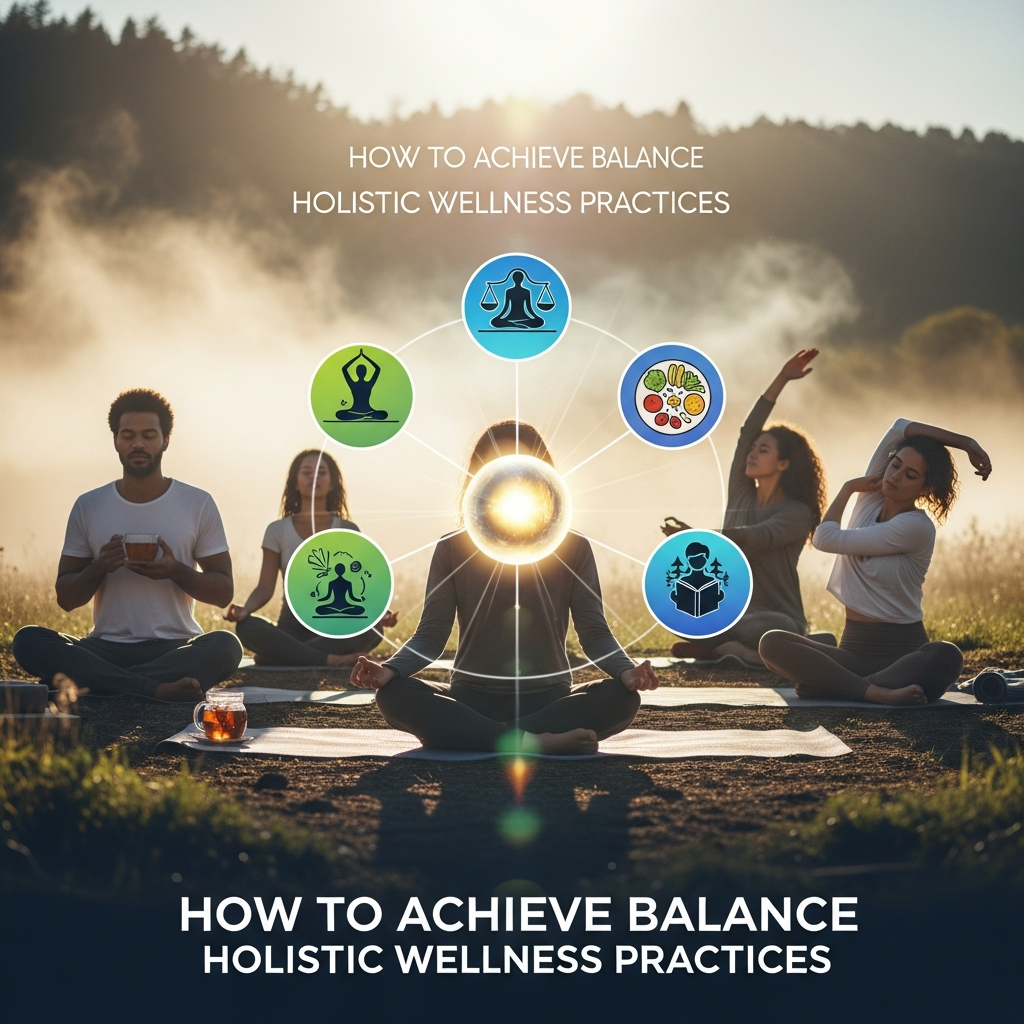
This Balance Holistic Wellness is not about perfection. It is about learning how to care for your whole self in a realistic way.
Life today feels fast. Very fast. Most people feel tired, stressed, and distracted.
Many try quick fixes.
They do not last.
This is why holistic wellness matters.
It looks at the whole person.
Mind.
Body.
Emotions.
Spirit.
Lifestyle.
In this guide, you will learn how to create a balanced life using proven holistic practices.
The ideas are simple. The steps are practical.
You do not require
special tools.
expensive products.
intention and consistency.
This article is written from real experience, research-backed principles, and wellness education.
Everything here is safe, stable, and focused on people.
Let’s start on the path to a life that is more meaningful and healthy.
What Does Holistic Wellness really mean?
Holistic wellness means looking at the whole you.
Not just one part.
Most health advice focuses on one thing.
Diet only.
Exercise only.
Mental health only.
Holistic wellness connects everything.
Your
thoughts affect your body.
sleep affects your mood.
food affects your energy.
relationships affect your stress.
Nothing works alone.
Holistic wellness includes:
- Physical health.
- Mental clarity,
- Emotional balance.
- Social connection.
- Spiritual purpose.
When these areas work together, life feels lighter.
You feel more stable.
more present.
More alive.
This is the foundation of Balance Holistic Wellness.
Why Balance is the most important part
Balance does not mean equal time for everything.
It means the right time for the right thing.
Some days need rest, movement, silence and people.
When life feels unbalanced, symptoms appear.
You may feel:
- Constant fatigue.
- Anxiety.
- Irritation.
- Brain fog.
- Lack of motivation.
Balance helps regulate your nervous system.
It helps your body recover.
It helps your mind slow down.
The wellness is sustainable.
It fits real life.
This is why Balance Holistic Wellness focuses on small daily habits.
The Five Core Pillars of Holistic Wellness
To create balance, you need structure.
These five pillars create that structure.
1. Physical Wellness
Your body is your home.
It needs care.
Physical wellness is not about extreme workouts.
It is about daily movement and nourishment.
Key practices include:
- Walking every day
- Stretching gently
- Eating whole foods
- Drinking enough water.
- Sleeping well
Listen to your body
Pain is a message.
Fatigue is a signal.
Respect both.
2. Mental Wellbeing
Your mind needs rest.
Not just sleep.
Mental rest.
Constant thinking drains energy.
Mental wellness includes.
- Limiting screen time
- Practicing mindfulness
- Taking breaks
- Setting boundaries.
Silence is powerful
So is focus
A calm mind supports Balance Holistic Wellness deeply.
3. Emotional Wellness
Emotions are not weakness.
They are information.
Ignoring emotions creates tension.
Acknowledging them creates release.
Healthy emotional practices include:
- Naming your feelings
- Journaling
- Talking to someone you trust
- Practicing self-compassion
You do not need to fix every emotion
You need to feel it safely.
4. Social Wellness
Humans need connection
Even introverts.
People get better when they talk to each other in a healthy way.
Toxic ones make you tired.
What does it mean to be healthy in a social way?
- Be honest and transparent with each other as you talk
- Good limits for you
- Friendships that help
- Time spent with people you care about.
More isn’t always better.
5. Spiritual Wellness
Spiritual wellness is personal.
It is not about religion alone.
This is about meaning.
it may include:
- Prayer.
- Meditation
- Time in nature.
- Gratitude
- Purposeful living.
When life has meaning, stress feels lighter.
This pillar completes Balance Holistic Wellness.
Daily Habits That Support Holistic Balance
Big change comes from small steps.
You may start performing these easy things right away.
Grounding in the Morning: Don’t rush in the morning,
Do not rush to your phone.
Try this:
- Drink water.
- Take three deep breaths
- Stress for two minutes.
- Set one intention.
This calms your nervous system.
Mindful Eating
Eat without distraction.
Chew slowly.
Notice flavors.
Notice fullness.
This improves digestion and satisfaction.
Movement Without Pressure
Move your body daily.
No guilt.
No force.
Walking counts.
Dancing counts
Movement supports Balance Holistic Wellness More than intensity.
Evening Wind- Down
Ene the day gently.
Try:
- Dim lights
- No screens before bed
- Calm music
- Deep breathing.
Sleep is the foundation of healing.
Nutrition for Whole-Body Wellness
Food is information for your body.
it affects:
- Energy
- Mood
- Focus
- Immunity
Holistic nutrition is not restrictive.
It is supportive.
Focus on Real Foods
Choose food that are close to nature.
Examples:
- Vegetables
- Fruits
- Whole grains
- Nuts
- Seeds
- Lean proteins.
Less packaging
More freshness
Eat for Balance
Each meal should include:
- Protein
- Fiber
- Healthy fat.
This stabilizes blood sugar
It prevents crashes.
Stay Hydrated
Dehydration causes fatigue and headaches.
Drink water regularly.
Add minerals if needed.
Nutrition plays a key role in Balance Holistic Wellness.
Stress Management the Holistic Way
Stress is not always bad.
Chronic stress is.
Holistic stress management focuses on regulation.
Breath work.
Your breath controls your nervous system.
Try this:
- Inhale for 4 seconds.
- Exhale for 6 seconds.
- Repeat for 3 minutes.
This signals safety to your body.
Nature Exposure
Nature reduces cortisol
Walk outside.
Sit under a tree.
Look at the sky.
No phone. Just presence.
Simplify Your Life
Too many commitments create imbalance.
Say no when needed.
Protect your energy.
Stress balance is central to Balance Holistic Wellness.
Emotional Healing and Self-Awareness
Healing begins with awareness.
Ask yourself:
- What am I feeling?
- Why might this be happening?
- What do I need right now?
Self-awareness reduces reactivity.
Journaling for Clarity
Write without judgment.
Let thoughts flow.
This clears mental clutter.
Inner dialogue.
Notice how you speak to yourself.
Would you talk this way to a friend?
Kind self-talk supports healing.
Emotional health strengthens Balance Holistic Wellness deeply.
The Role of Routine and Flexibility
Routine creates safety.
Flexibility creates freedom.
You need both.
Create simple routines.
- Morning ritual.
- Work focus time.
- Evening wind-down.
But allow change.
Life is unpredictable.
Balance comes from adjustment, not control.
This mindset supports Balance Holistic Wellness long term.
But allow change
Life is unpredictable.
Balance comes from adjustment, not control.
This mindset supports Balance Holistic Wellness long term.
Integrating Wellness Into a Busy Life
You do not need more time.
You need better use of time.
Micro-practices matter.
Examples:
- Three deep breaths before meetings
- Stretching while cooking
- Gratitude while walking.
Wellness fits into life.
It down not replace it.
This approach makes Balance Holistic Wellness sustainable.
Don’t fall for these tricks
- Trying to do too many things at once
- Thinking on how your path is different from others.
- Not taking breaks.
- Trying to be perfect.
Wellness is a process.
Not a show.
Gentle consistency wins.
Long-Term Benefits of Holistic Balance
When you practice holistic wellness, changes happen.
You may notice:
- Better sleep
- Improved mood
- Clearer thinking
- Stronger immunity
- Deeper relationships
Life feels steadier.
This is the power of Balance Holistic Wellness.
FAQ
1. What is holistic wellness in simple terms?
Holistic wellness means caring for your whole self,
It includes body, mind, emotions, and spirit.
2. How long does it take to feel balanced?
Some benefits appear quickly.
Others take weeks.
Consistency matters more than speed..
3. Do I need special products to practice holistic wellness?
No.
Most practices are free and simple.
4. Can holistic wellness help with stress?
Yes.
It helps regulate your nervous system naturally.
5. Is holistic wellness supported by science?
Many practices are research-backed.
Sleep, nutrition, movement, and mindfulness are well studies.
6. Can busy people practice holistic wellness?
Yes.
Small daily habits are enough.
7. Is holistic wellness a lifelong practice?
Yes.
It evolves as you do.
Conclusion
Balance Holistic Wellness is a gentle, realistic way to live healthier and happier.
It does not demand perfection.
It invites awareness.
When you care for your whole self, life feels more aligned..
More peaceful.
More meaningful.
Start small.
Stay consistent.
Honor your needs.
Balance is not something you find.
It is something you practice every day.
Your wellness journey begins not.
- 4 Holistic Approaches to Managing Chronic Pain: A Comprehensive Guide
- The American Wellness Revolution: How to Thrive in a Fast-Paced World
- 6 Mindfulness Practices for Mental Health: A Path to Inner Peace and Emotional Resilience
- Integrating Holistic Wellness Into Your Daily Routine: A Comprehensive Guide to Total Well-Being
- Body, Mind, and Soul: A Holistic Approach to Health in the USA