














Introduction
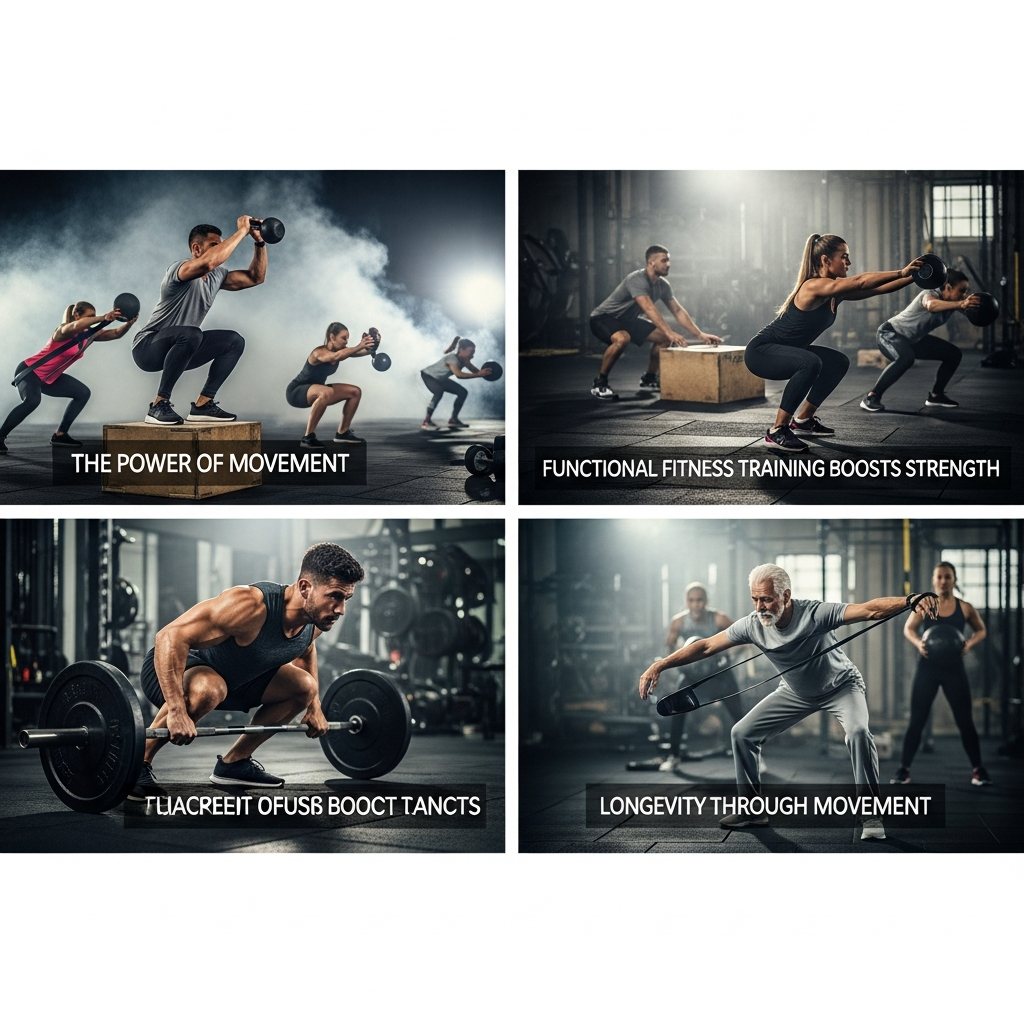
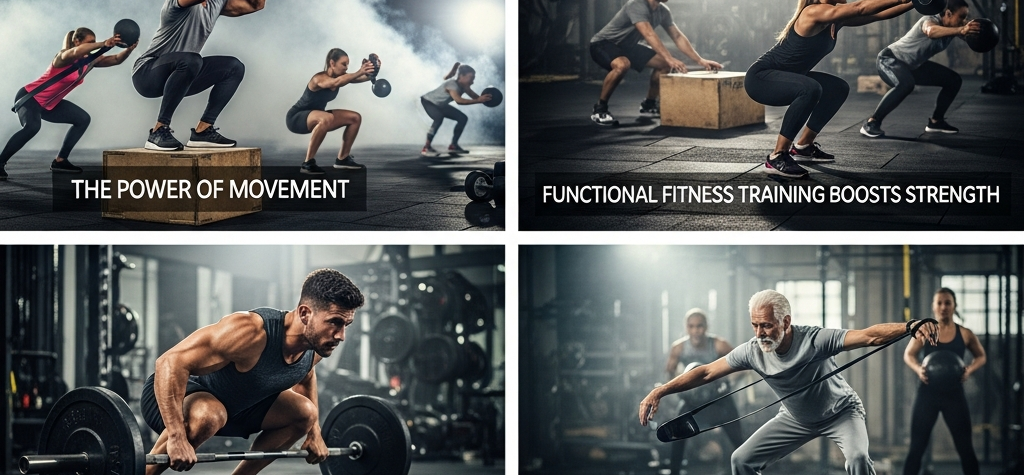
Functional fitness training is changing how individuals think about workouts and long-term wellness.
Many individuals believe fitness is only about looks. Bigger muscles. Smaller waist. Flat stomach. But reality fitness is only about movement. It is about living well, It is about staying strong as you age.
Ideas in this article are very clear. Anyone can easily understand and read it.
I have studied movement science, strength training and lifestyle health for many years. I have also worked with beginners, people recovering from injuries and older adults. I have seen what works in real life. And also seen what fails.
This guide can explain how the body id designed to move. It can explain why modern life weakens. It can explain how smart movement can build strength and supports longevity.
It is not about extreme workouts. This is about practical fitness. This is about everyday strength.
Understanding Functional Fitness Training helps people move better for life.
Understanding Functional fitness training can help move better for life.
What Movement Really Means
Movement is life.
The human body can evolved to move always.
We were built to walk.
We were built to lift.
We were built to bend.
We were built to carry.
Modern life can lower movement.
Chairs can replace squats.
Cars can replace walking.
Screens can replace play.
This loss of movement can weaken muscles.
It can stiffen joints.
It can lower balance.
Restoring natural movement is the goal of Functional fitness training
What Is Functional Fitness Training?
Functional fitness can focus on real movements.
It can train the body as a whole.
It can improve strength used in everyday life.
It include pushing.
Pulling.
Squatting.
Hinging.
Twisting.
Carrying.
These movements can help you live better.
They can help you climb stairs.
They can help you lift groceries.
They can help you get up from the floor.
This is the heart of Functional fitness training
How Functional Fitness Differs From Traditional Exercise
Traditional workouts always isolate muscles.
One muscle at a time.
Machines will guide movement.
This limits can coordination.
Functional training can use free movement.
Multiple muscles can work together.
The core can stay active.
Balance can improve.
Strength becomes usable.
This difference can make Functional fitness training more practical.
Why Strength Important for Longevity
Strength can protect the body.
Strong muscles can support joints.
They can lower injury risk.
They can support posture.
They can improve balance.
As people age, muscle loss can increase.
This is called Sarcopenia.
It can lead to weakness.
It can lead to falls.
Strength training can slow this process.
Functional fitness training can support long-term strength.
The Connection Between Movement and Longevity
Longevity is not just long living.
It is better living.
Movement can support health of heart.
Movement can support health of brain.
Movement can support density of bone.
Movement can support mental health.
People who can move regularly age better.
They remain independent longer.
The link is clear in Functional Fitness Training.
Everyday Movements That Build Strength
Daily actions are workouts.
Standing up is a squat.
Lifting a bag is a dead lift.
Reaching cab be a press.
Walking is coordination of training.
Functional training enhances these actions.
The life becomes easier.
This is the value of Functional Fitness Training.
Core Strength and Stability
The core is more than abs.
It can include the hips.
It can include the lower back.
It can include deep muscles.
A strong core can protect the spine.
It can improve balance.
It can transfer force.
Functional movements can train the core naturally.
It can make Functional Fitness Training effective.
Balance and Fall Prevention
Balance can decline with age.
Falls cause serious injuries.
Functional exercises can challenge balance.
Single-leg movements can help.
unstable positions can help.
Improved balance can reduce fall risk.
This benefit can make Functional Fitness Training for older adults.
Joint Health and Mobility
Movement can keep joints healthy.
Joints require motion.
Lubrication can improve with use.
Functional exercises can move joints through full range.
It reduces stiffness.
This can improve flexibility.
Mobility can support everyday comfort.
Functional Fitness Training protects joint health.
Functional Fitness for All Ages
Children benefit from this movement play.
Adults can benefit from strength..
Older adults can benefit from balance.
Functional fitness can adapt easily.
Intensity can change.
Movements can stay natural.
This can make Functional Fitness Training suitable for everyone
Functional Fitness and Mental Health
Movement can reduce stress.
Exercise can release calming chemicals.
Confidence can reduce calming chemicals.
Functional progress can feel meaningful.
mental resilience can improves.
This mind, body link will strengthen Functional Fitness Training.
How Functional Training Supports Hear Health
Movement will raise heart rate.
Functional circuits can improve endurance.
Large muscles can increase demand.
Heart efficiency will improve.
Blood flow can improve.
This will support long term wellness.
Functional Fitness Training can benefit the heart.
Functional Fitness Versus Extreme Workouts
Extreme workouts increase injury risk.
Over training can stress joints.
Functional training can focus on control.
Quality important more than speed.
Progress is gradual.
This can make Functional Fitness Training safer.
Building a Functional Fitness Routine
Start simple.
You have to learn basic movements.
You have to focus on form
Train two to four days weekly.
Rest is important.
Consistency can build results.
This approach fits Functional Fitness Training.
Progress is gradual.
This approach fits Functional Fitness Training
The Role of Recovery
Recovery can build strength.
Muscles can adapt during rest.
Sleep can supports healing.
Nutrition can support repair.
Stretching can support mobility.
Recovery will completes Functional Fitness Training
Nutrition and Functional Strength
Food can fuel movement.
Protein can support muscle repair.
Carbohydrates will fuel activity.
Healthy fats will support joints.
Hydration can support performance.
Nutrition can support Functional Fitness Training.
Functional Fitness at Home
No gym is required.
Body weight can work well.
Simple tools can help.
Resistance can band help.
Chairs can help.
Home routines can increase consistency.
It makes Functional Fitness Training accessible.
Functional Fitness and Injury Prevention
Strong muscles will protect joints.
Better movement will reduce strain.
Balanced strength can prevent imbalance.
Proper form important.
This can lower injury risk.
Functional Fitness Training supports safety.
Aging Strong and Independent
Independence can important.
Strength can support self-care.
Mobility can support freedom.
Balance can support confidence.
Functional fitness can preserve dignity.
It is the long-term value of Functional Fitness Training.
Common Myths About Functional Fitness
Myth 1. It is too easy.
Truth. It can be challenging.
Myth 2. It is unsafe.
Truth. It can reduce injury.
Myth 3. It is only for athletes.
Truth. It is for everyone.
Understanding removes fear around Functional Fitness Training.
How to Stay Consistent
Make your movement can routine.
Schedule your sessions.
Keep your workouts short.
Track your progress.
Celebrate your improvements
Consistency can define success in Functional Fitness Training.
FAQ
1. What is functional fitness in simple terms?
This can train movements used in everyday life.
2. Can Beginners do functional fitness?
Yes. Exercises can be modified.
3. Is functional training safe for older adults?
Yes. It can improve balance and strength.
4. How often should I train?
Two to four times per week works well.
5. Do I require equipment?
No. Body weight is enough.
6. Can functional fitness build muscle?
Yes. It can build usable strength.
7. How long before results appear?
Most people feel better within weeks.
Conclusion
Functional Fitness Training support strength, movement, and lon-term health.
This is not about perfection.
this is about everyday ability.
This can support independence.
This can support confidence.
This can support longevity.
Movement is medicine.
When practiced consistently, Functional Fitness Training can help people live stronger, long, and better lives.
Similar Content
- Healthy Habits Category
- Home
- 4 Best Exercises for Health
- 3 Best Tips To Maintain Fitness
- The Future of Health: Shaping a Healthier America
- 7 Strength Training Exercises for Women Over 40: A Comprehensive Guide
- 10 Best Core Exercises for Beginners at Home: Build a Stronger Core Without Equipment