



















































































































































Introduction
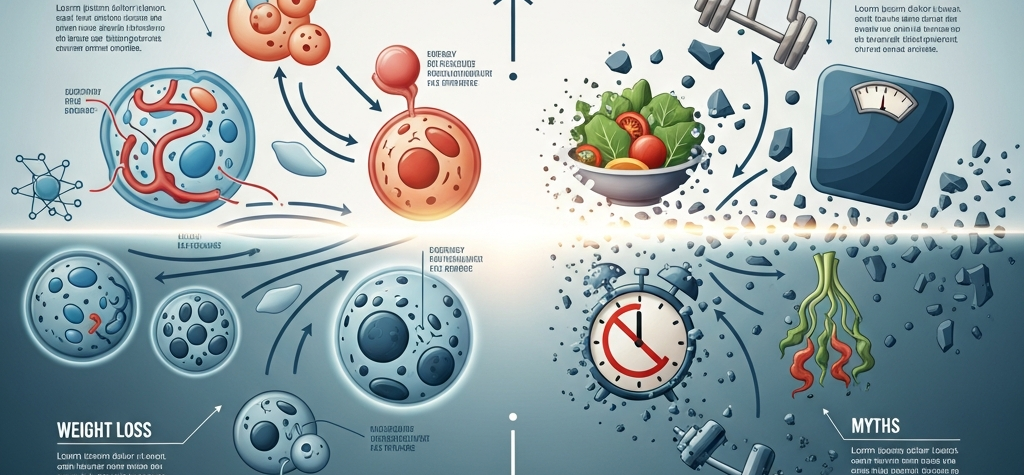
The Science Behind Weight Loss explains how your body works, what truly helps fat loss, and what common myths you should stop believing today.
Weight loss is a common goal today.
Many people try different methods without clear results.
Confusion is everywhere.
Advice from social media often makes things harder.
Some diets promise fast results.
Some workouts claim instant fat loss.
Most of these ideas are not true.
That is why understanding the basics matters.
When you learn how your body works, things become simple.
You can make better choices with confidence.
In this guide, you will learn real science.
You will also learn from experience and expert advice.
Everything is written in very simple English.
Every idea is easy to follow in daily life.
These are real insights about The Science Behind Weight Loss that actually work.
Why Understanding Weight Loss Matters
Weight loss is not magic.
It is a natural process in your body.
Your body uses energy every day.
This energy comes from food.
When you eat more than needed, your body stores fat.
When you use more than you eat, your body burns fat.
This is called a calorie balance.
Studies show something important.
People who understand calorie balance lose weight more successfully.
That is why learning The Science Behind Weight Loss is important.
My Personal Experience
There was a time when I tried many diets.
Some were very strict.
Some removed many foods.
Results were not lasting.
Weight came back again.
Later, I started learning the basics.
I focused on simple habits.
I controlled food portions.
I stayed active daily.
After some time, results became stable.
Weight loss was slow but steady.
Energy levels improved.
That is when I understood something important.
Simple understanding of The Science Behind Weight Loss makes everything easier.
The Basic Science of Weight Loss
Your body works like a system.
It needs energy to function.
Food gives this energy.
Movement uses this energy.
When intake is higher, fat increases.
When usage is higher, fat decreases.
This is the core idea.
It is simple but powerful.
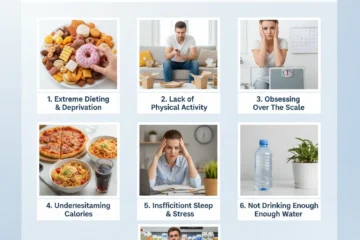
Myth 1: You Need Extreme Diets
Many people believe strict diets are necessary.
This is not true.
Extreme diets reduce energy.
They are hard to maintain.
Most people quit quickly.
Experts say something important.
Sustainable eating works better than strict diets.
This is a key part of The Science Behind Weight Loss.
Myth 2: You Have to Work Out for a Long Time
You don’t have to work out for a long time.
Short, regular activity works nicely.
Even 30 minutes daily can help.
Studies show:
Moderate exercise improves fat loss over time.
Consistency matters more than intensity.
Myth 3: Carbs Are the Enemy
Many people avoid carbohydrates.
This is a common mistake.
Carbs give energy to your body.
They are not the problem.
The real issue is overeating.
Balanced eating is better.
Understanding this helps you follow The Science Behind Weight Loss correctly.
Myth 4: Supplements Burn Fat
Many products promise quick results.
Most of them do not work.
Fat loss needs effort.
It needs consistency.
No shortcut replaces healthy habits.
5 Key Principles of Weight Loss
These principles are simple.
They are based on real science.
1. Calorie Balance
You must use more energy than you consume.
This leads to fat loss.
2. Consistency
Daily habits matter more than short efforts.
3. Balanced Diet
Include all nutrients in your meals.
4. Physical Activity
Movement helps burn calories.
5. Good Sleep
Sleep supports recovery and fat loss.
These principles form the base of The Science Behind Weight Loss.
Role of Metabolism
Metabolism is how your body uses energy.
Some people have faster metabolism.
Some have slower metabolism.
But habits can improve it.
Eating well helps.
Exercise supports it.
From my experience,
small changes can improve metabolism.
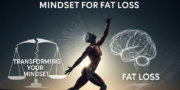
Missing Angle: Mental Focus
Many people ignore mindset.
Weight loss is not only physical.
It is also mental.
Stress affects eating habits.
Negative thinking reduces motivation.
Staying focused is very important.
This is a hidden part of The Science Behind Weight Loss.
Home Remedies for Weight Loss
Natural habits can support your journey.
Drink warm water in the morning
Use lemon water
Add ginger tea
Eat whole foods
Sleep properly
From my experience,
natural habits improve results slowly.
Expert Opinion
Experts agree on one key idea.
Long-lasting results come from habits that are good for the environment.
Studies show:
Living a healthy life can help you lose weight 50% more easily.
Instead of following trends, experts say to follow The Science Behind Weight Loss.
Advantages of a Scientific Approach
Learning about the science of weight loss has several benefits.
Better outcomes
Less misunderstanding
Success in the long run
Better health
More self-assured
Example from Real Life
Someone I helped had trouble with their weight.
They have tried a lot of different diets in the past.
Later, they learned about the science of losing weight.
They made changes that were easy.
Three months later:
Weight loss
Energy got better
More self-assurance
This shows how strong simple habits can be.
Personal Understanding
Don’t go after immediate results.
Start small and stick with it.
Focus on long-term health.
Weight loss takes time.
That is the truth.
FAQ
1. What is The Science Behind Weight Loss?
It is the process of understanding how your body burns and stores energy.
2. How fast can I see results?
Results usually appear in 3–6 weeks.
3. Do I need strict diets?
No, balanced eating works better.
4. Is exercise necessary?
Yes, but it does not need to be extreme.
5. Can I lose weight without a gym?
Yes, daily movement is enough.
6. Do supplements help?
Most are not necessary.
7. Can I follow The Science Behind Weight Loss at home?
Yes, simple habits can be done anywhere.
Final Thoughts
The Science Behind Weight Loss is simple and powerful.
It helps you understand your body.
It helps you make better choices.
You do not need complex plans.
You need simple habits.
Start today.
Stay consistent.
Your body will change.
Your life will improve.
I have experienced this myself.
Because of that, I truly believe in it.
Similar Articles
- Home
- Weight Loss Category
- 4 Week Diet Plan for Weight Loss
- Healthy Daily Habits for Stress Reduction: A Comprehensive Guide
- 6 Ways to Detox Your Body Holistically: A Comprehensive Guide
- Best Weight Loss Nutrition
- 15 Best Ideas Stronger Every Day: The Science-Backed Path to Peak Fitness